Cacti and Succulents


Our cacti and succulents collection brings together over 300 drought-tolerant plants, from spined desert cacti to soft-leaved Echeveria and Haworthia. Dispatched from our UK nursery and protected by our live arrival guarantee. Pair yours with our Desert Mix potting compost.

324 products

    324 products
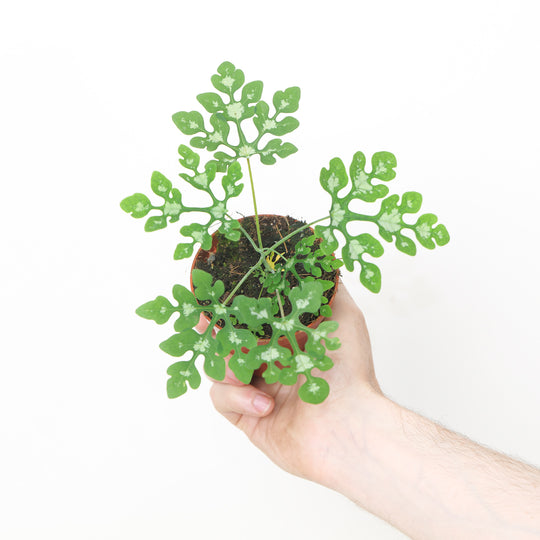
    Imperfect Impatiens mirabilis 21cm Imperfect Plants GrowTropicals

    Rare cactus & succulent

    Imperfect Impatiens mirabilis

    £39.99 £159.99
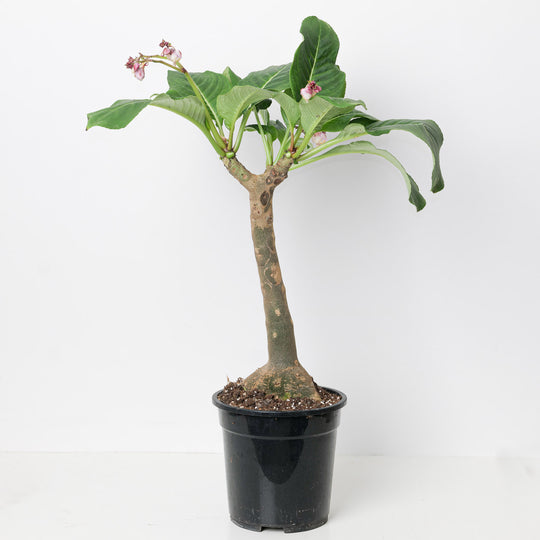
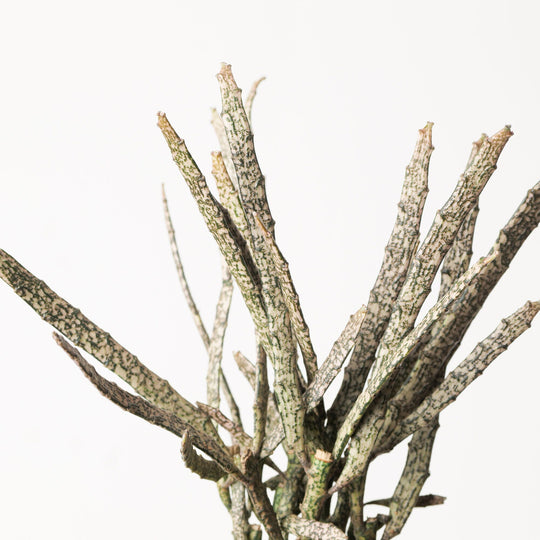
    Adenia perrieri Plants GrowTropicals

    Rare cactus & succulent

    Adenia perrieri

    £76.99
    Imperfect Impatiens mirabilis 21cm Imperfect Plants GrowTropicals

    Rare cactus & succulent

    Impatiens mirabilis

    £9.99
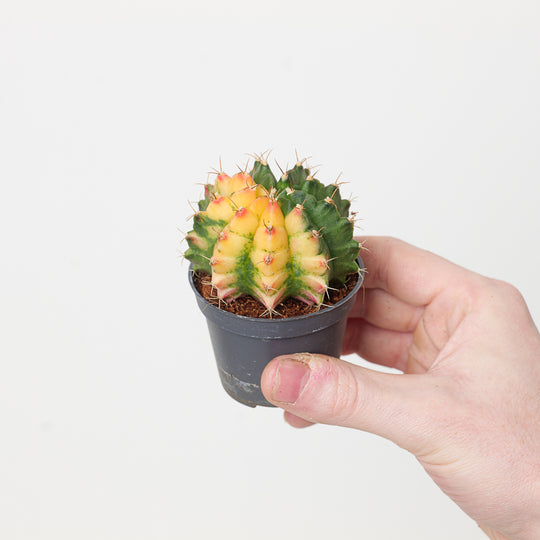
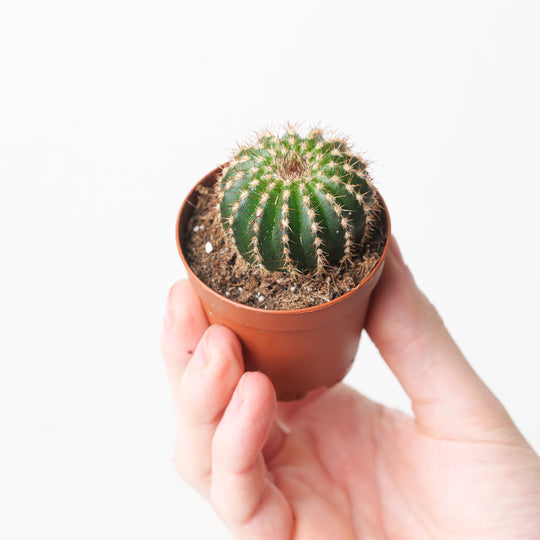
    Gymnocalcium variegata 6cm Plants GrowTropicals

    Variegated cactus

    Gymnocalcium variegata

    £15.99 £18.99
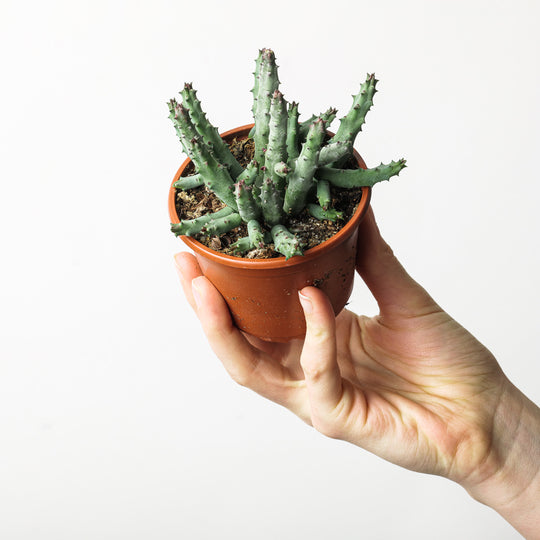
    Huernia zebrina Plants GrowTropicals

    Rare cactus & succulent

    Huernia zebrina

    £7.99
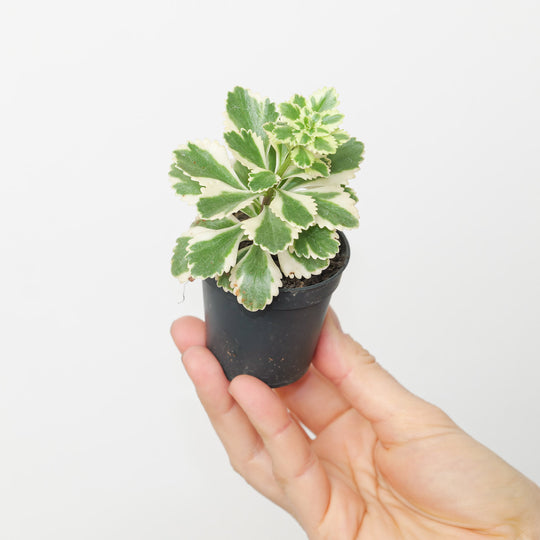
    Sedum tekesimense 'Atlantis' Plants - Outdoor GROW TROPICALS

    Variegated Stonecrop 'Atlantis'

    Sedum tekesimense 'Atlantis'

    £6.99
    Anacampseros sp Plants GrowTropicals

    Cactus & succulent

    Anacampseros sp

    £6.99

    Cacti and Succulents: Hardiness, Light and How to Choose

    Cacti and succulents are the most forgiving plants we sell, but forgiving is not the same as no care at all. Two things decide whether they thrive indoors: how much light they get, and how fast their compost dries out. Get those right and the rest is largely left alone.

    Cacti or succulent? The short answer

    All cacti are succulents, but not all succulents are cacti. Cacti belong to a single family, Cactaceae, and carry areoles, the small cushioned pads that spines, flowers and new growth emerge from. Echeveria, Aloe, Haworthia and Crassula store water in the same way but have no areoles. Our guide to the difference between a cactus and a succulent goes into the detail.

    Hardiness at a glance

    Every plant in this collection carries its RHS hardiness rating on the product page, so you can tell before you buy whether something needs a warm room all year or will sit happily in a cool, frost-free conservatory.

    • H1b (10 to 15°C). Sansevieria. Wants a warm room year round and never a cold windowsill in winter.
    • H1c (5 to 10°C). Aloe, Haworthia, Ceropegia, Epiphyllum and Euphorbia. Indoors most of the year, and fine outside in a sheltered spot over summer.
    • H2 (1 to 5°C). Mammillaria, Echeveria, Opuntia and Crassula. Tolerates a cool, frost-free space, but will not survive being frozen.

    Getting light and water right

    • Light. Most want the brightest spot you have, ideally south or west facing with a few hours of direct sun. Haworthia and Sansevieria are the forgiving exceptions and cope with less.
    • Water. Let the compost dry out completely, then water thoroughly. Cut back sharply from autumn and keep most desert cacti nearly dry through winter. Our guide to watering cacti and succulents covers the seasonal shift.
    • Compost. Standard houseplant compost holds far too much moisture and causes root rot. Desert Mix is peat free and blended from calcined clay, fine bark, sand and pumice for sharp drainage.

    Where to start

    For classic spined cacti, browse Mammillaria and Opuntia prickly pears. For rosette-forming succulents that are easy to propagate, look at Echeveria and Crassula jade plants. The Epiphyllum jungle cacti are the outliers: they grow in trees rather than deserts, so they want shade and more water than the rest. For larger architectural shapes, see Agave and succulents.

    Frequently Asked Questions

    All cacti are succulents, but not all succulents are cacti. The term 'succulent' describes any plant that stores water in fleshy leaves, stems, or roots as an adaptation to dry conditions. Cacti are a specific plant family (Cactaceae) distinguished by having structures called areoles, which are small cushion-like pads from which spines, flowers, and new growth emerge. Familiar succulents that are not cacti include Echeveria, Aloe, Haworthia, and Crassula.

    Water thoroughly but infrequently. In spring and summer, water when the compost has dried out completely, which is typically every 2 to 4 weeks depending on the size of the pot and the temperature. In autumn and winter, reduce watering to once a month or less, and many cacti prefer to be kept almost dry over winter. Always use a pot with drainage holes and empty the saucer promptly. Overwatering is by far the most common cause of problems with these plants.
    Most cacti and succulents require bright light, ideally a south or west-facing windowsill with several hours of direct sun per day. Without adequate light, they become 'etiolated', stretching towards the light source and losing their compact shape. In the UK, a supplementary grow light can help over the winter months when natural light levels are low. Some succulents such as Haworthia and Gasteria tolerate lower light than most, making them more versatile for shadier spots.
    It depends on the species. Many succulents are non-toxic to cats and dogs, including Haworthia and Echeveria. However, some are mildly toxic, such as Aloe vera and certain Euphorbia species, which produce a milky sap that can cause irritation. Cacti spines also pose a physical hazard to curious pets. If you have pets and are concerned about toxicity, browse our pet-safe plant collection for confirmed safe varieties.
    Cacti and succulents need a free-draining, gritty compost that dries out quickly after watering. Standard houseplant compost retains too much moisture and will cause root rot over time. A dedicated cactus and succulent mix, ideally blended with additional perlite or coarse grit, is the best choice. Our Desert Mix is peat-free and formulated specifically for these plants, providing excellent drainage and aeration.

    Some can, but most of the species sold as houseplants in the UK are not frost-hardy and must be kept indoors or in a frost-free greenhouse over winter. A few cacti, such as Opuntia species, are surprisingly cold-tolerant and can survive mild UK winters in a sheltered, well-drained spot. Hardy succulents including Sempervivum (Houseleeks) and Sedum can be grown outdoors year-round. Always check the specific hardiness of a variety before leaving it outside.