What are architectural plants?
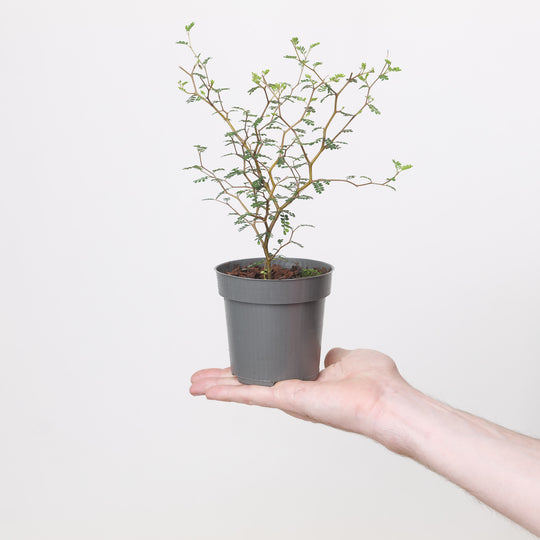
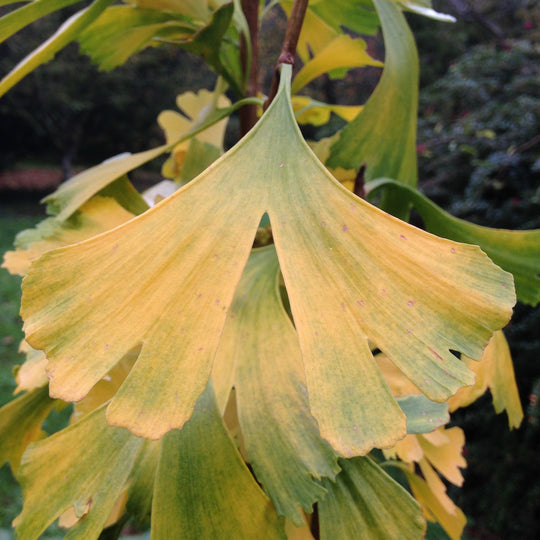
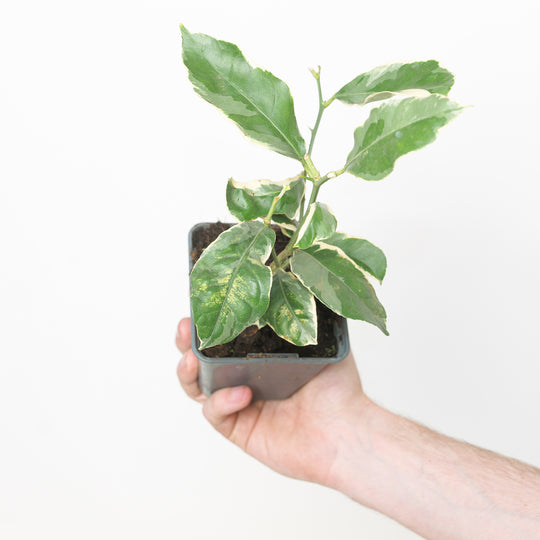
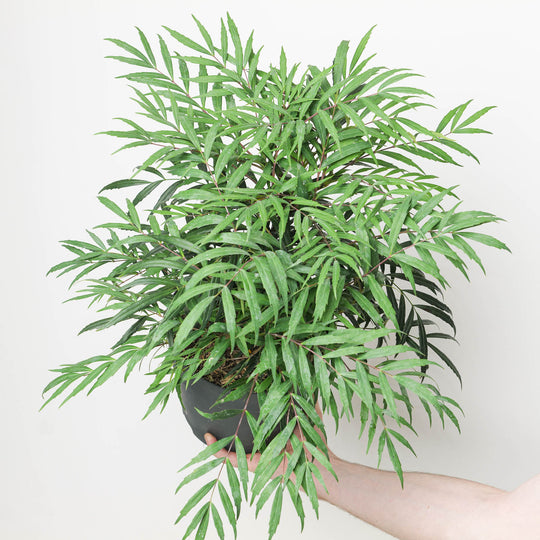
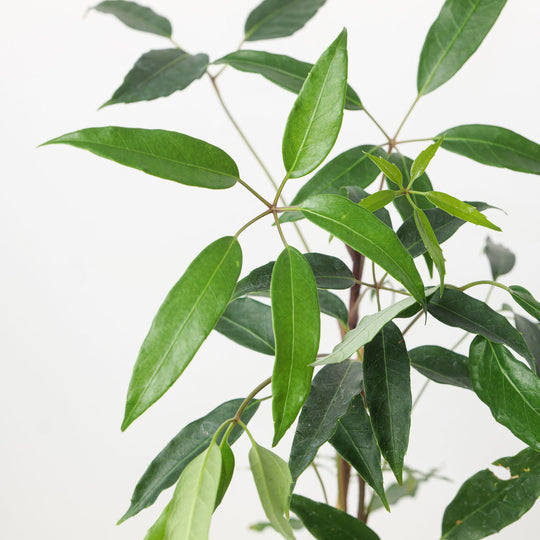
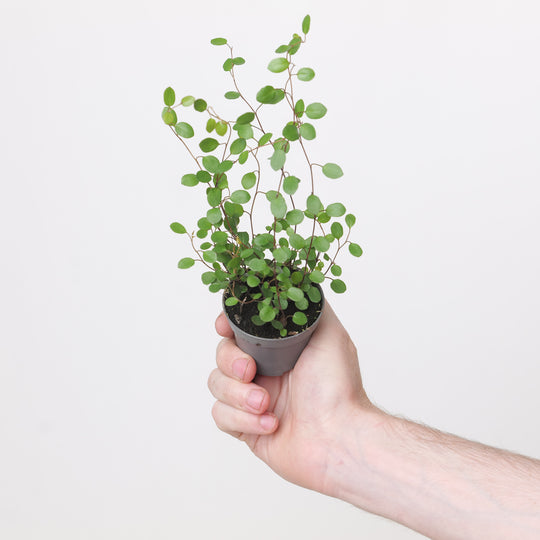
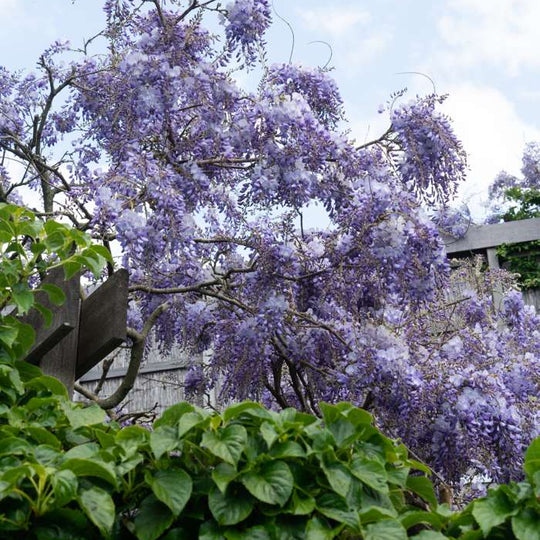
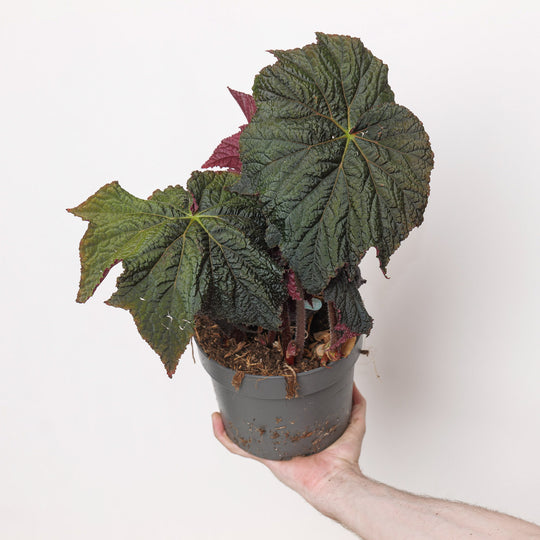
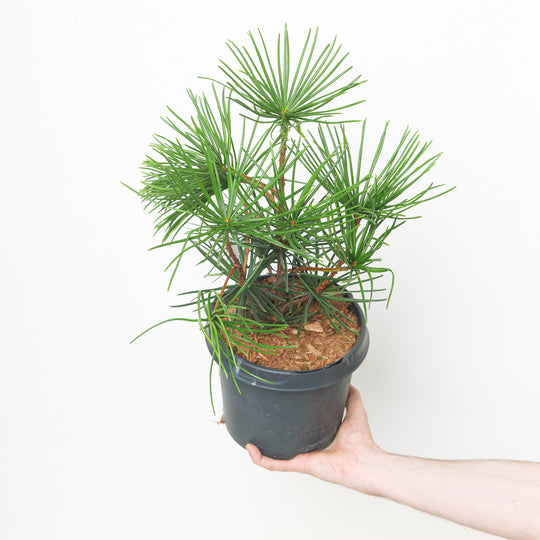
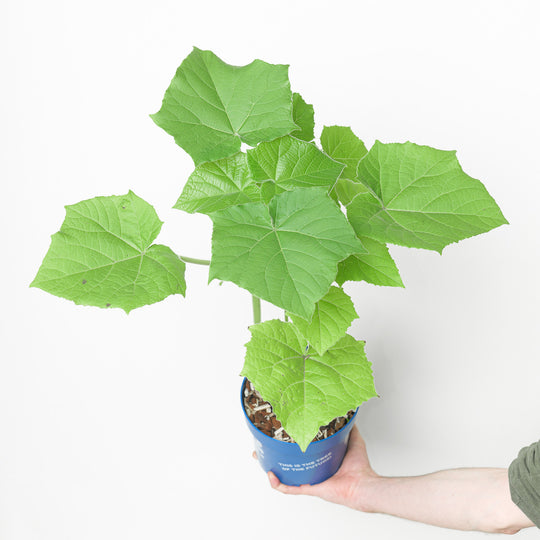
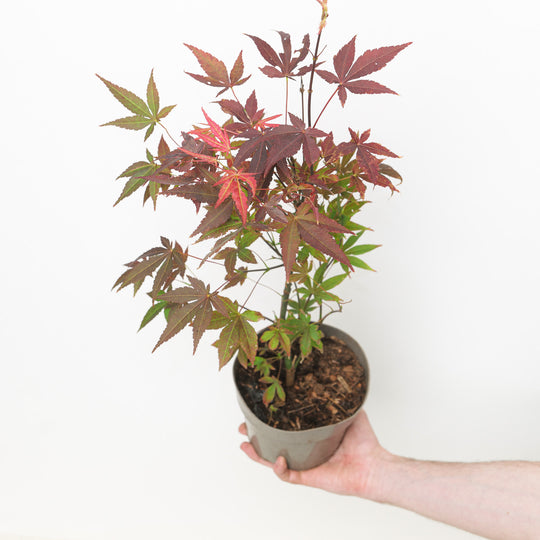
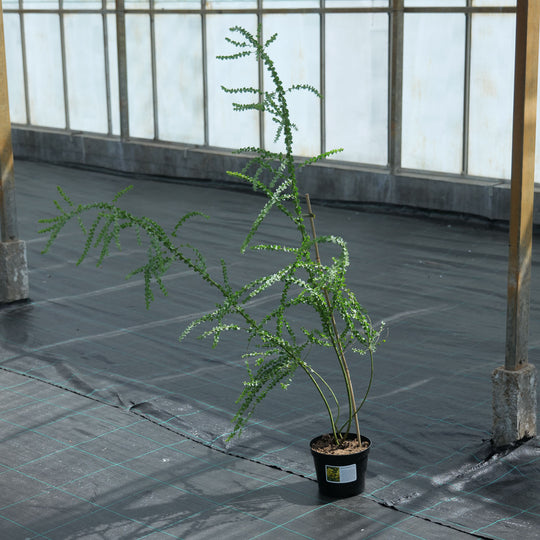
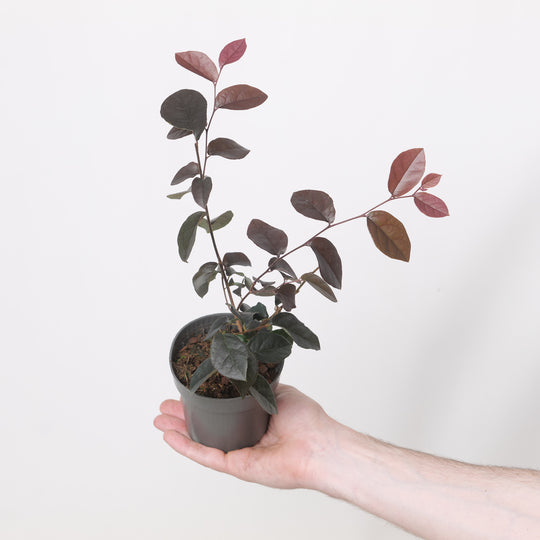
Architectural plants are chosen for shape rather than flower. A strong silhouette, a big leaf, a spiky rosette or a clean fan of fronds holds the eye in a way a softer plant cannot, and gives a planting scheme a backbone that survives the quiet months. It is why one well placed specimen often does more for a garden than a whole border of smaller plants.
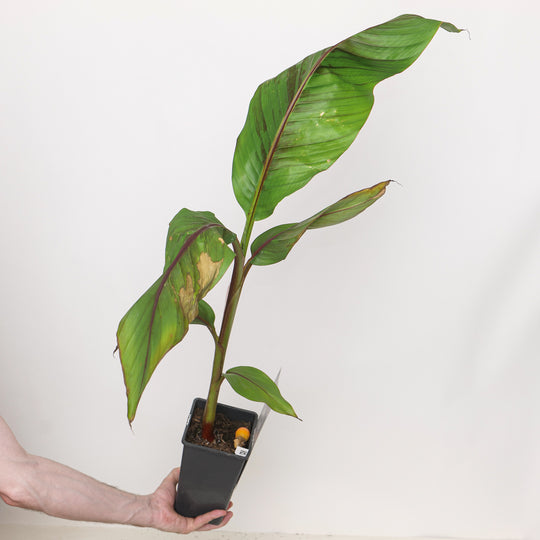
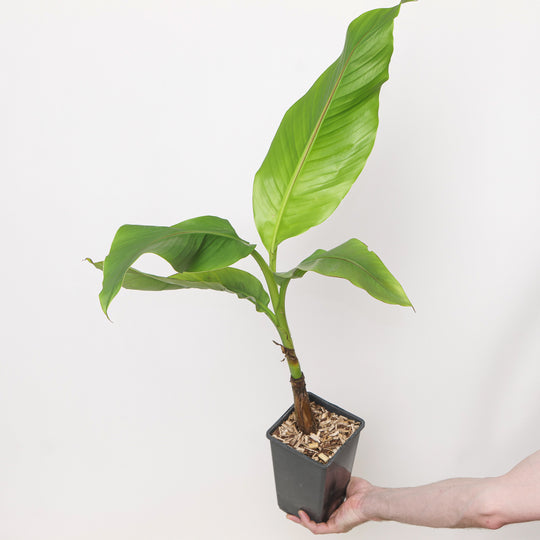
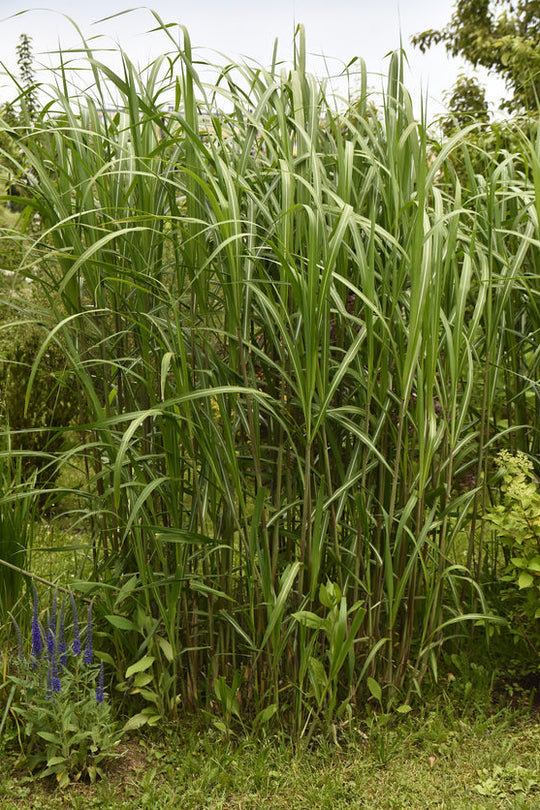
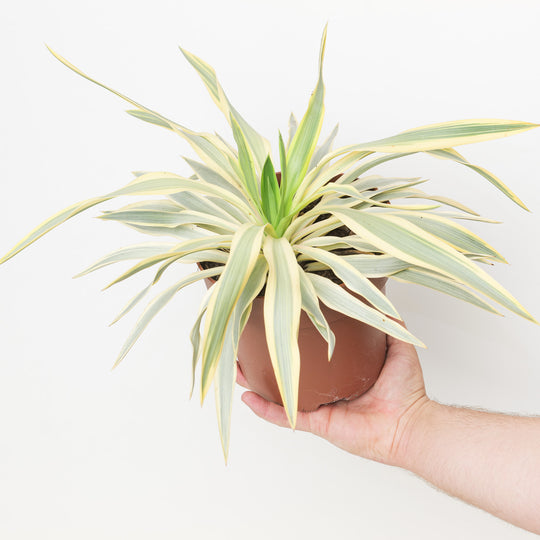
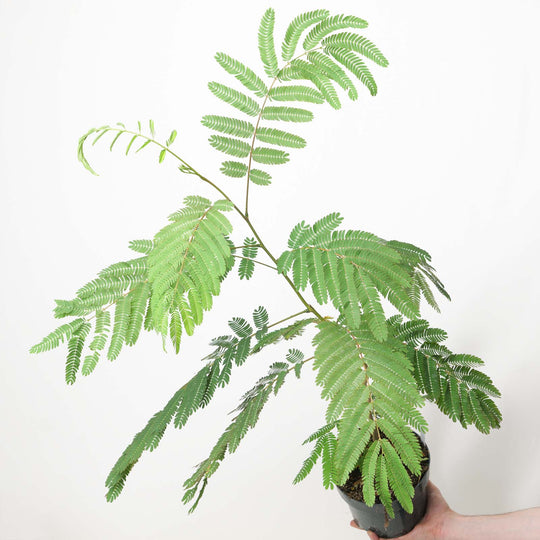
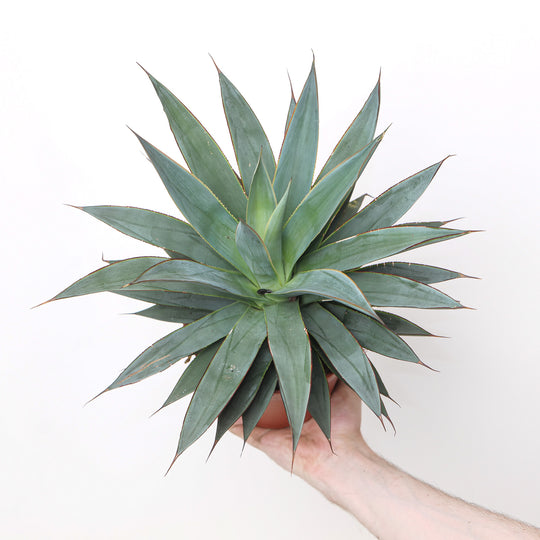
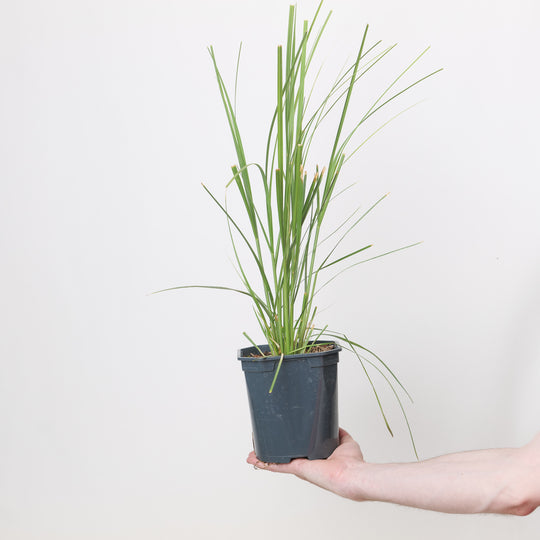
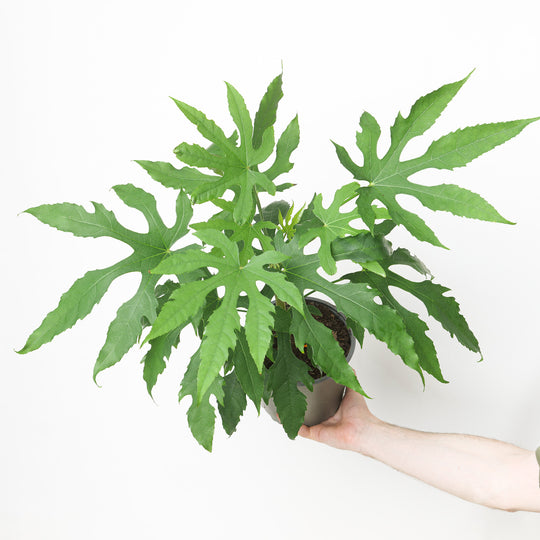
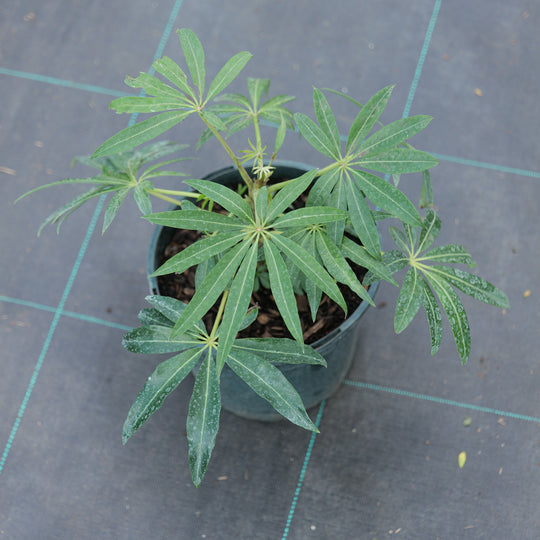
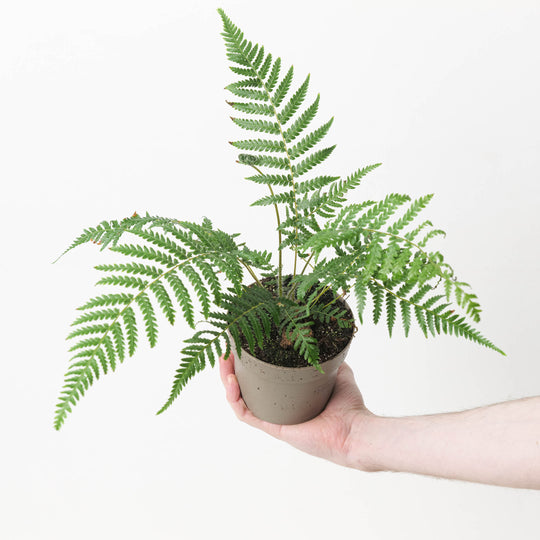
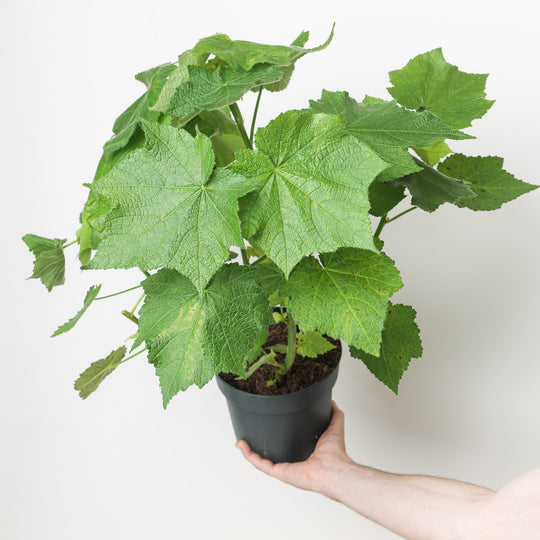
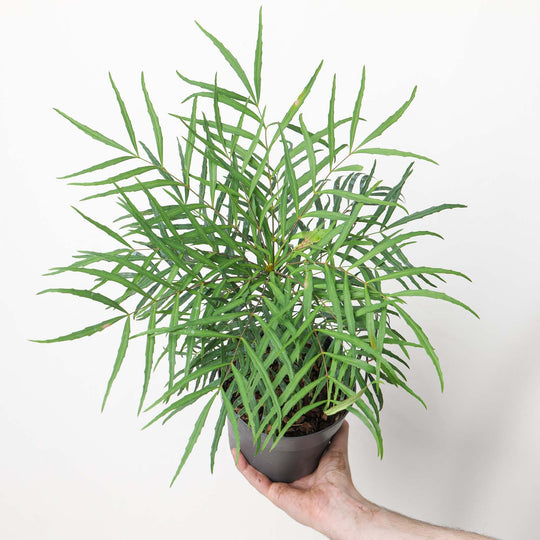
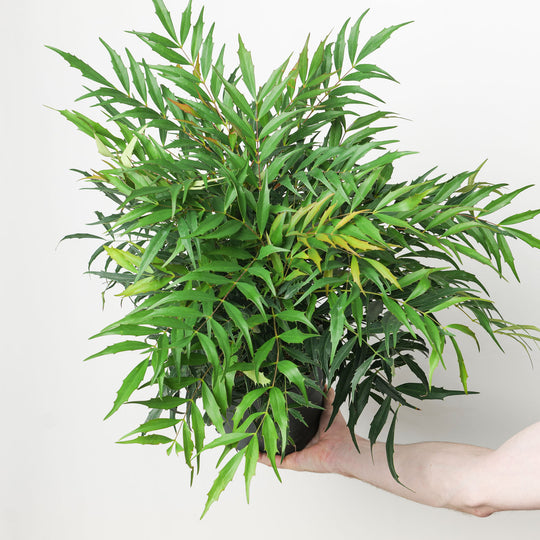
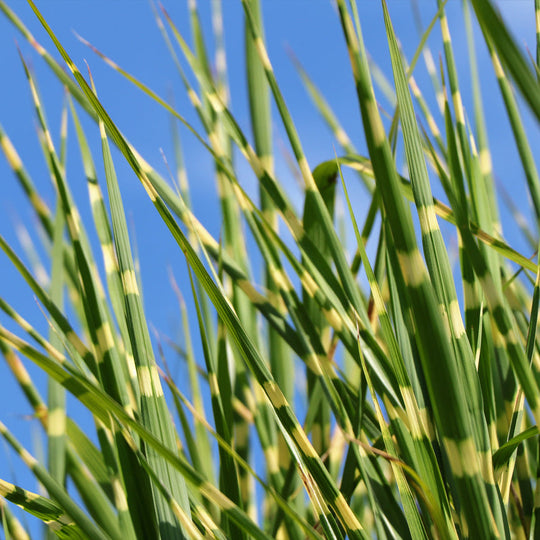
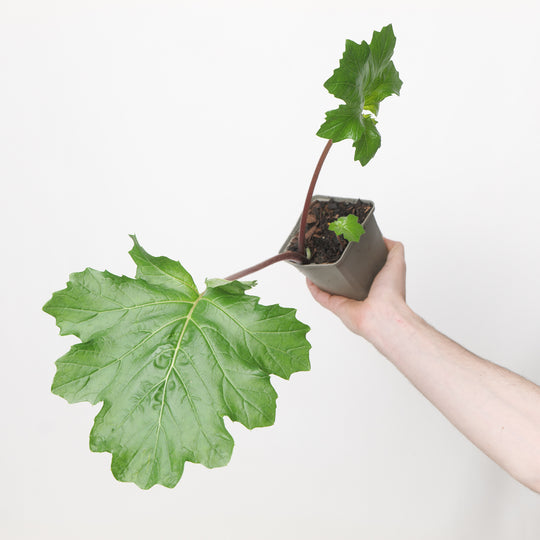
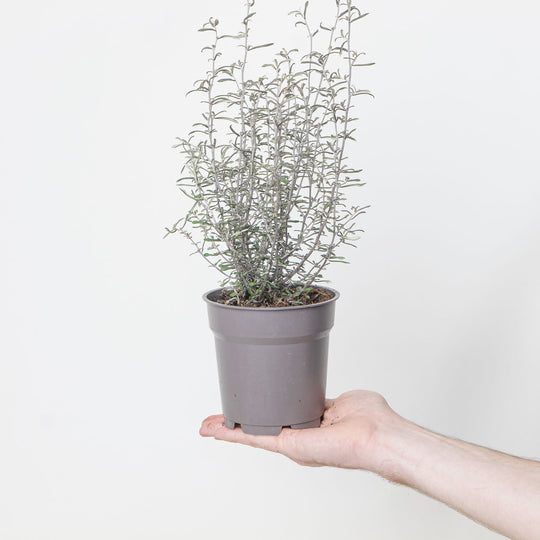
The range here falls into four broad shapes. Fans and fronds from hardy palms and tree ferns. Big leaves from Fatsia, Tetrapanax, bananas and Colocasia. Spiky structure from agaves, yuccas and Puya. And fine upright structure from grasses, bamboos and Astelia. Picking one or two of these groups and repeating them reads far better than using all four at once.
How hardy are they, honestly?
This is a broad category and the hardiness spread across it is genuinely wide, so it is worth being straight about. Around two thirds of the plants in stock here carry an RHS rating of H4 or better, which means they will take an average winter outdoors across most of the UK. The remaining third sit at H3 or below and want a sheltered spot, a mild garden or a frost free winter under cover.
At the dependable end are plants like Musa basjoo at H4, Chamaerops humilis at H4, Trachycarpus wagnerianus at H5, Fatsia japonica at H5 and Dicksonia antarctica at H4. The group to think twice about includes Tetrapanax at H3, Astelia at H3, Ensete at H2 and the aeoniums at H2 and H1c. None of those are difficult, they simply need shelter or a winter under cover. Every listing shows its own RHS band, so check it before you plant rather than after.
Care essentials
- Position: most want full sun to light shade. The big leaved plants scorch and tear in strong wind, so give them a spot with some shelter.
- Soil and drainage: sharp drainage matters more than rich soil for the spiky group. Winter wet accounts for more losses in UK gardens than winter cold does.
- Space: give each plant room to show its outline. Crowding an architectural plant defeats the point of buying it.
- Hardiness: check the RHS band on the listing, H1c to H7, and plant to it. Anything at H3 or below wants a sheltered position or winter protection.
- Watering: water well through the first summer while roots establish, after which most of these ask for very little. Plants in pots are the exception and need watching all year.
- Winter: mulch crowns, keep pots off cold wet paving, and move tender rosettes under glass before the first hard frost.
Explore the architectural range
Build the look with Agave & Succulents for spiky contrast, Ornamental Grasses for movement, and Hardy Palm Trees for height. For big leaves in a shadier corner, see Plants for Shade & Woodland and Hardy Ferns, or go fuller with Plants for Tropical & Exotic Borders.
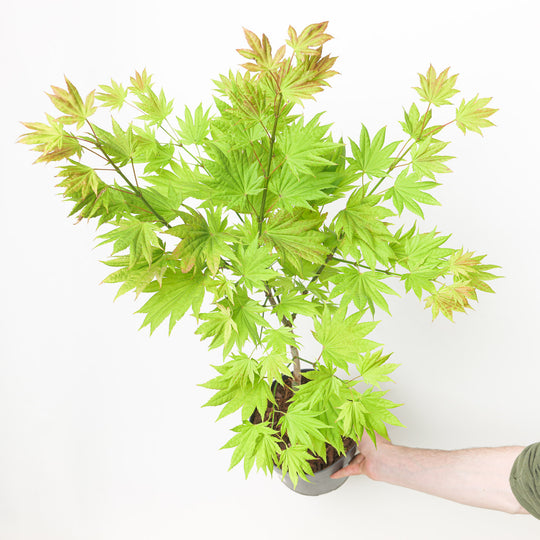
If you already know the plant you want, the Fatsia, Japanese Maples and Tree Ferns pages go deeper on varieties. Our Fatsia outdoor care guide and our guide to evergreen screening plants cover two of the jobs these plants do best. All plants are shipped directly from our nursery to your door.