Why Grow Hanging Houseplants?
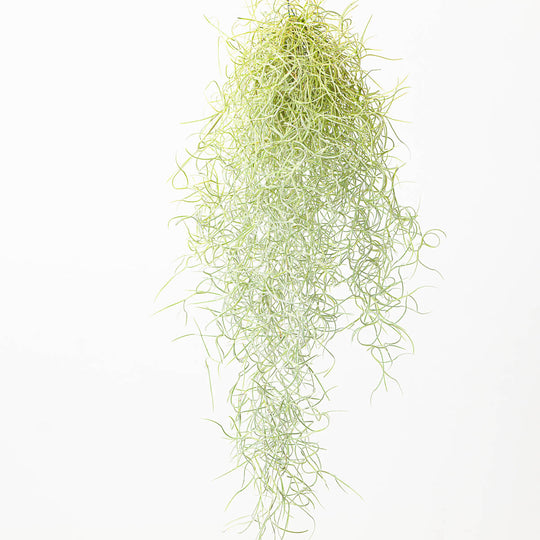
Hanging plants add greenery without taking up floor or desk space. Suspended in macrame hangers, placed on high shelves or trained along a curtain rail, they soften hard edges and bring texture to rooms that might otherwise feel bare. Many are also among the easiest houseplants to keep, making them a practical choice as well as a decorative one.
Our Favourite Hanging Plants
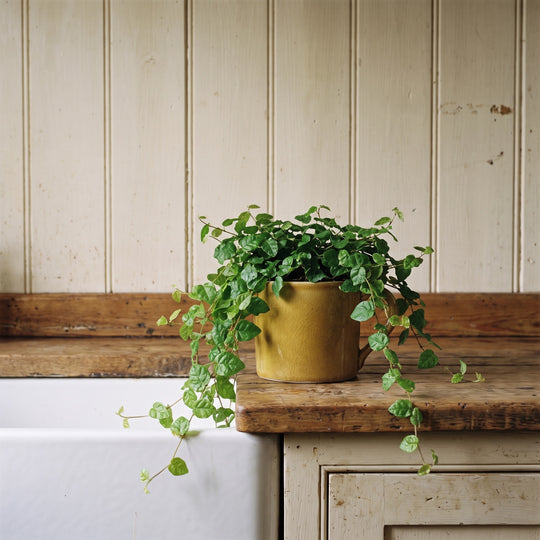
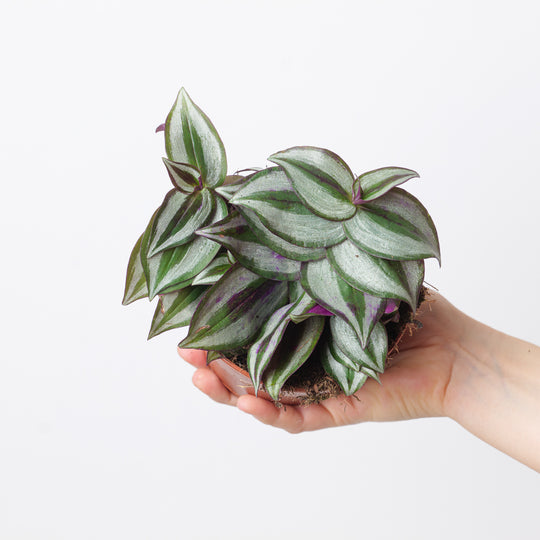
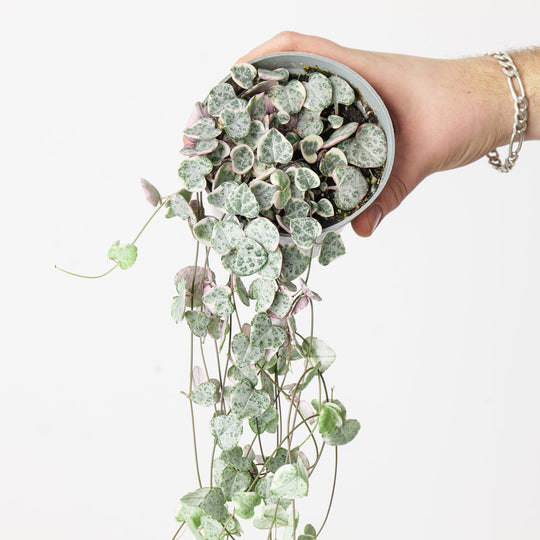
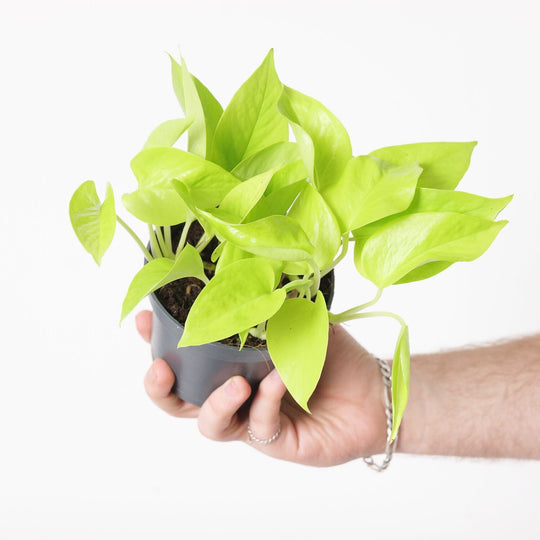
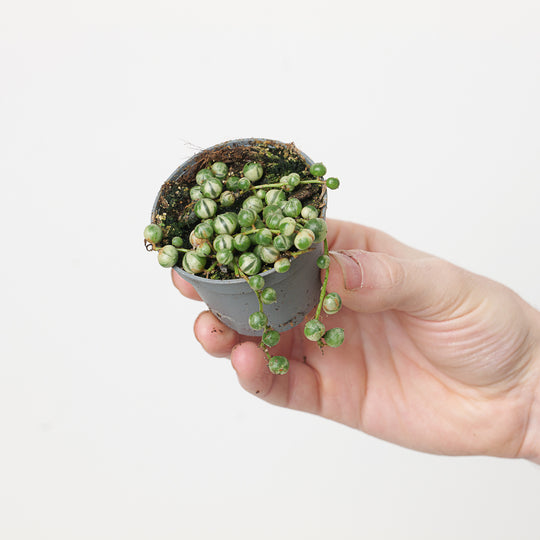
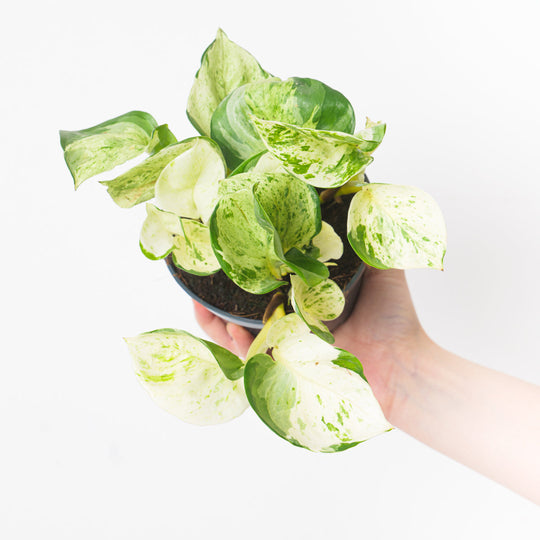
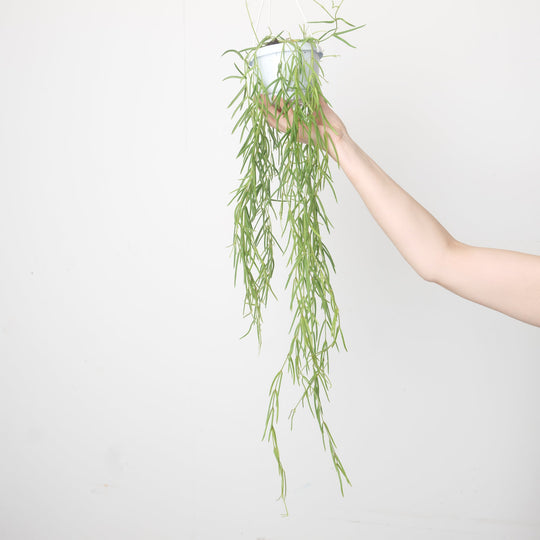
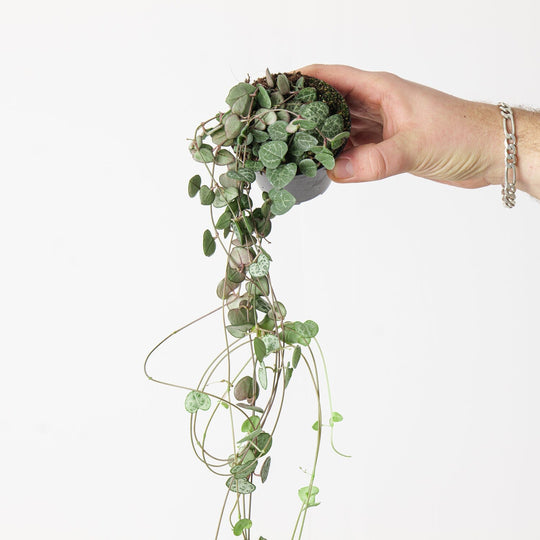
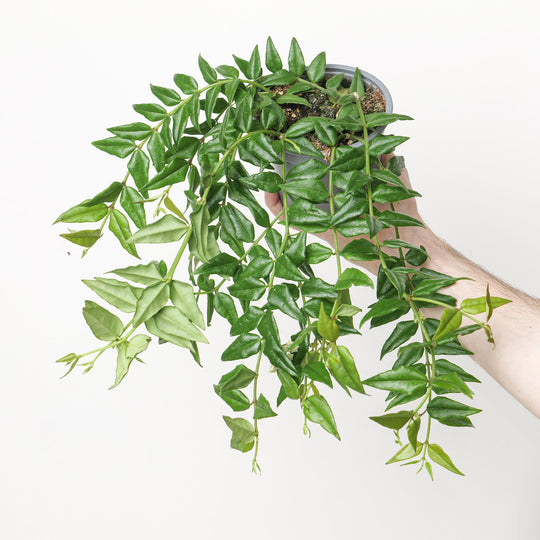
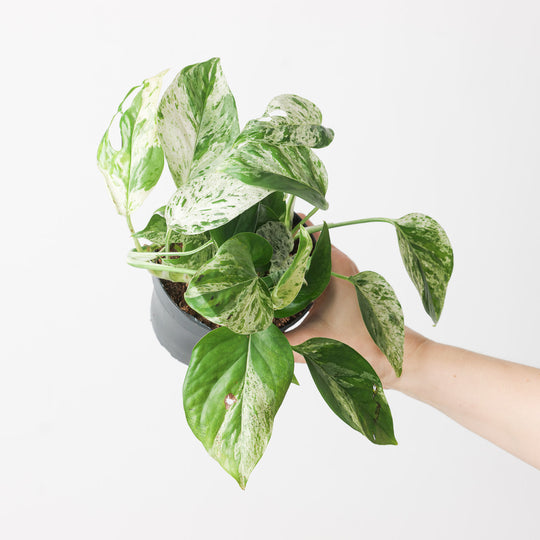
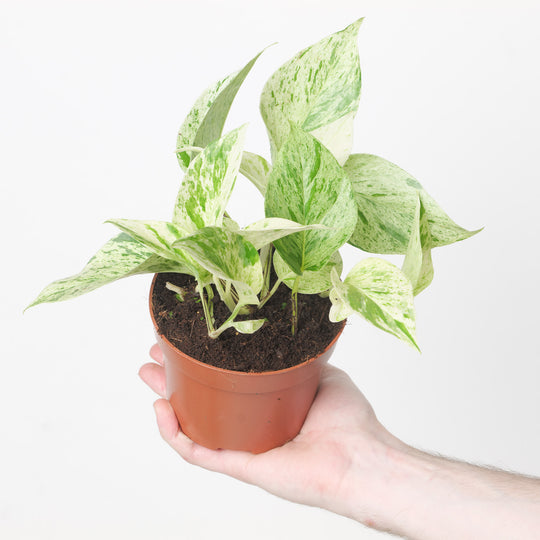
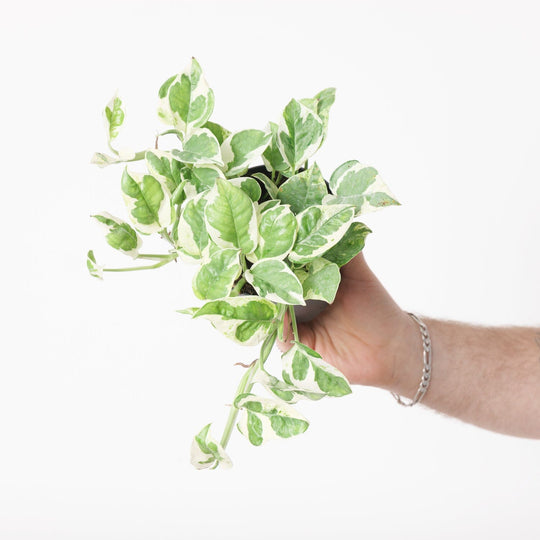
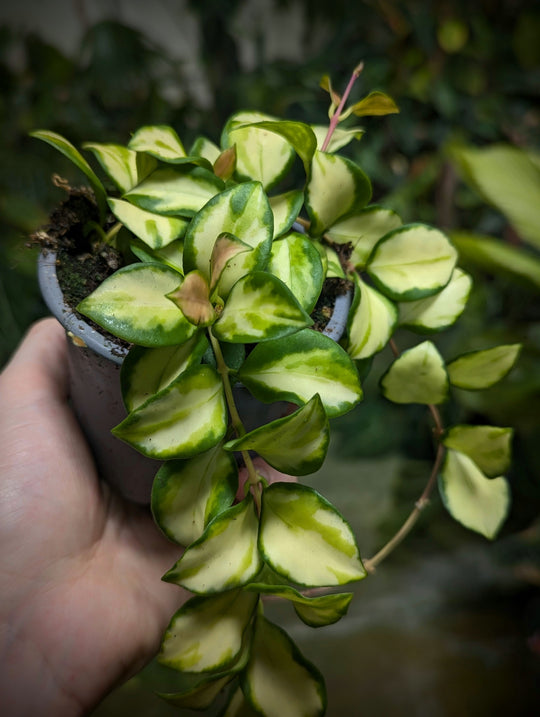
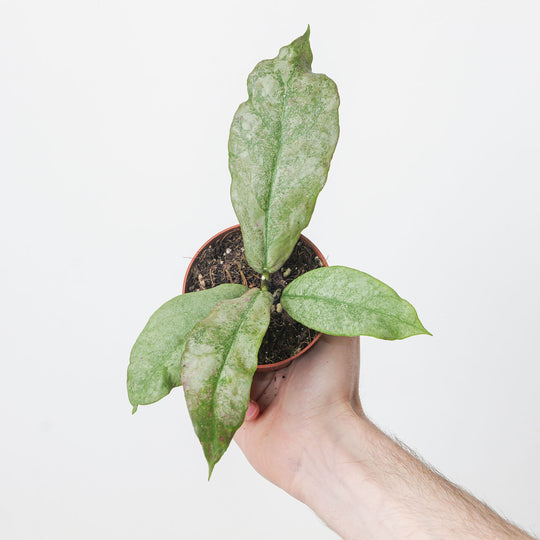
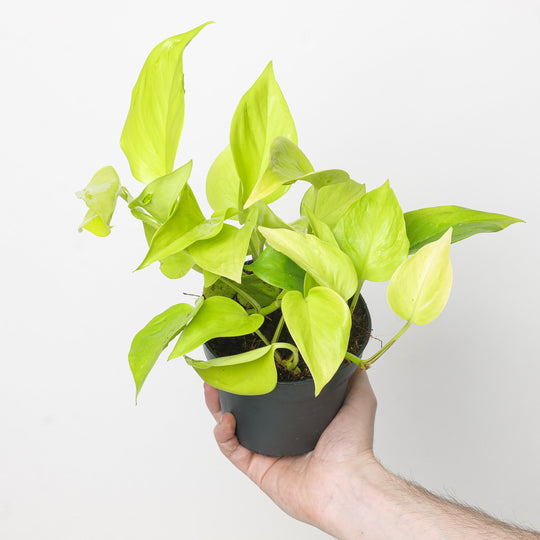
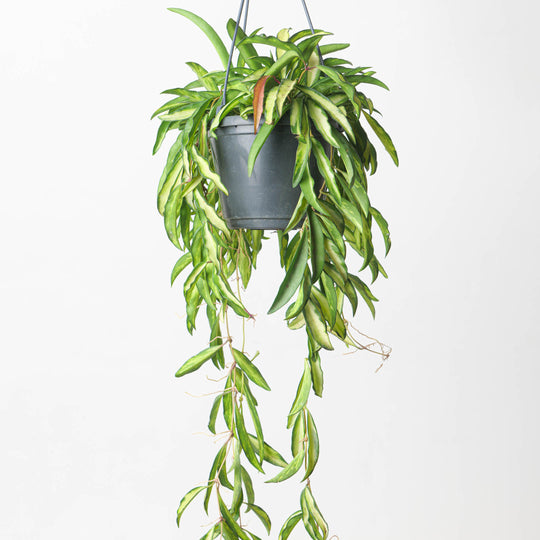
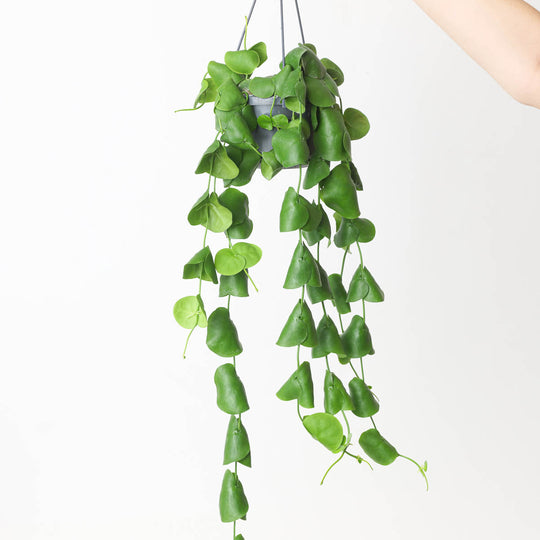
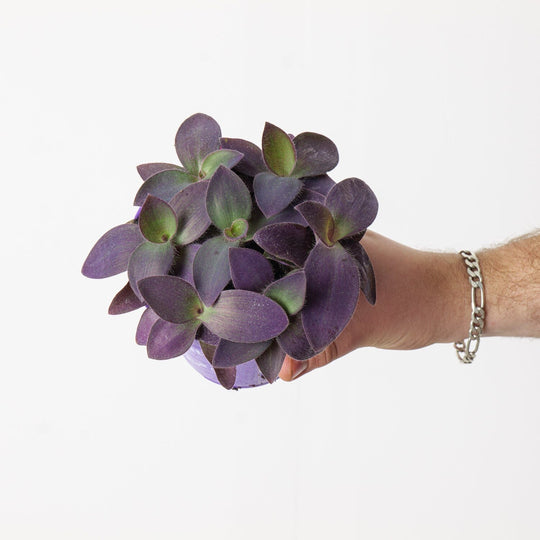
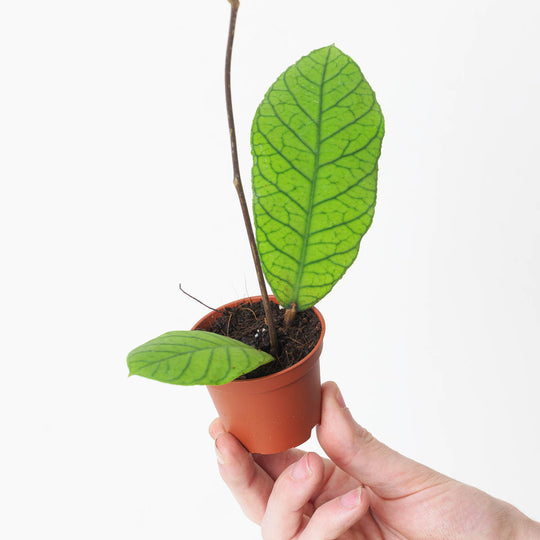
String of Hearts is one of our most popular trailing plants, with delicate heart-shaped leaves on fine silver stems. Hoya linearis produces long, curtain-like trails of slender foliage, while String of Pearls is a classic for anyone who likes something unusual. For faster growth and bold colour, Tradescantia and Neon Pothos are hard to beat.
Hanging Plants for Low Light
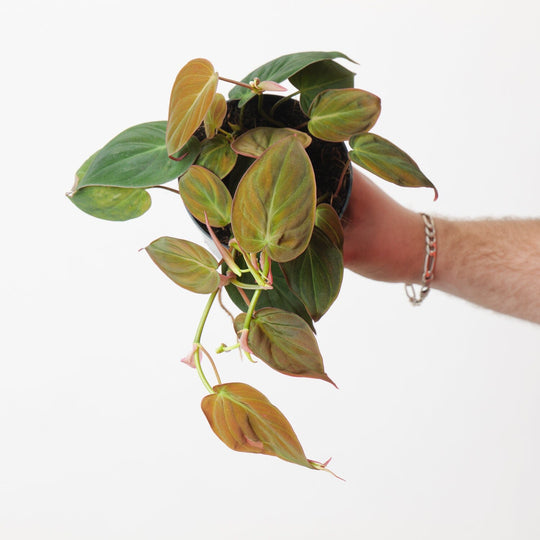
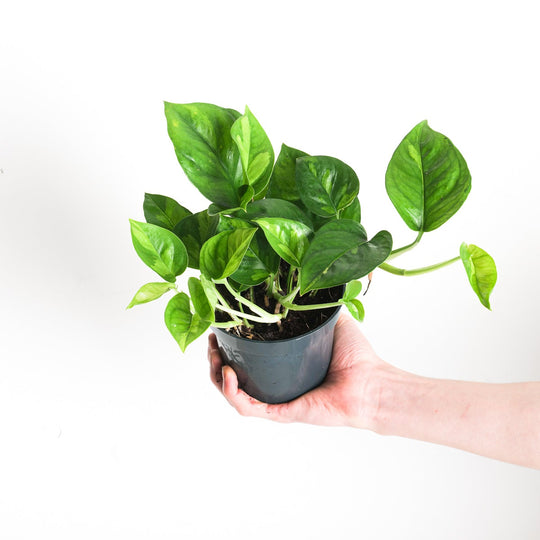
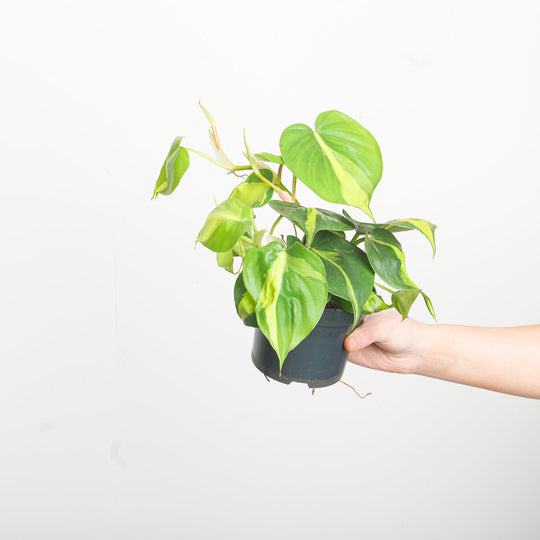
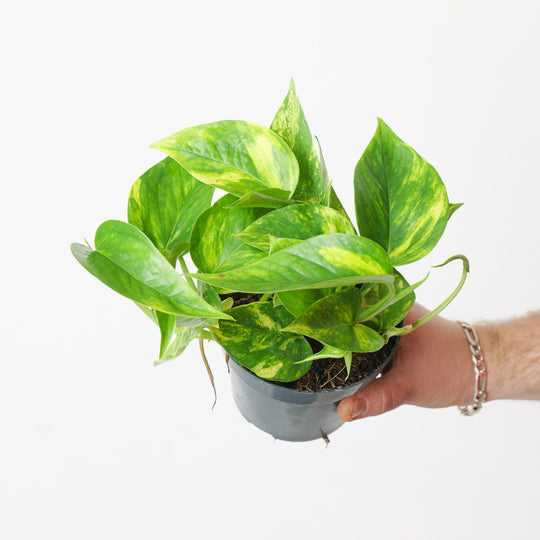
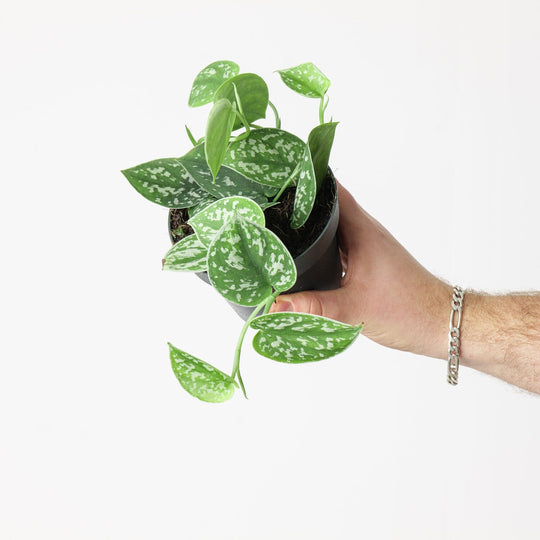
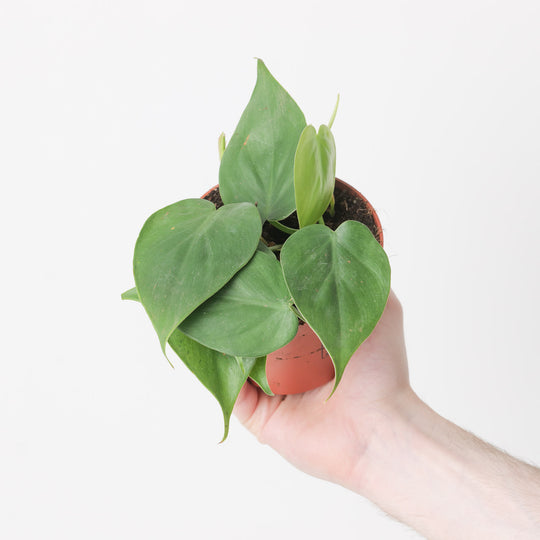
Not every hanging spot gets good light. Bathrooms, north-facing rooms and hallways can still support the right species. Golden Pothos and Scindapsus pictus both tolerate low light well. Philodendron scandens is another reliable option that trails attractively in shadier conditions.
Caring for Hanging Plants
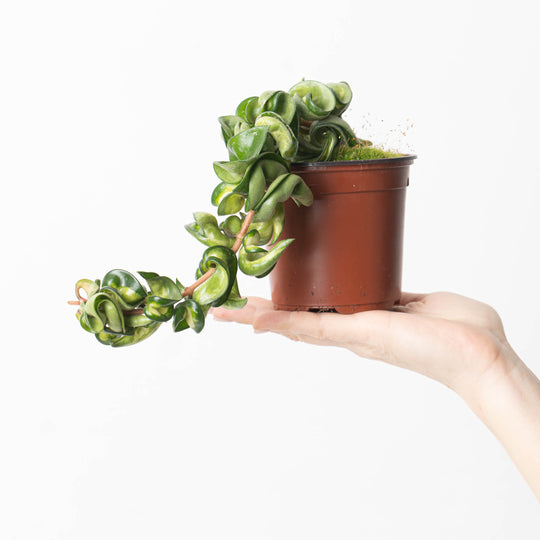
Plants in hanging positions tend to dry out faster than those at floor level because warm air rises. Check compost regularly and water when the top 2 to 3 cm feels dry. Many hanging species, particularly Hoya and Dischidia, appreciate higher humidity; grouping plants together or placing them in a kitchen or bathroom helps.
Feed every two to four weeks during spring and summer with a balanced liquid fertiliser. Trim leggy stems to encourage bushier growth, and use the cuttings to propagate new plants.
Browse Related Collections
For more trailing varieties, see our Trailing Plants collection. If you want something structural for a hanging pot, browse Ceropegia or Epipremnum. Our Easy Care Collection includes several hanging-friendly species for beginners.