What Makes a Plant Rare?
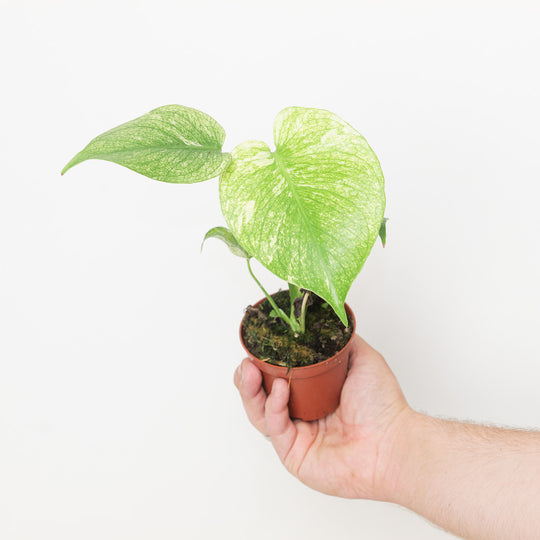
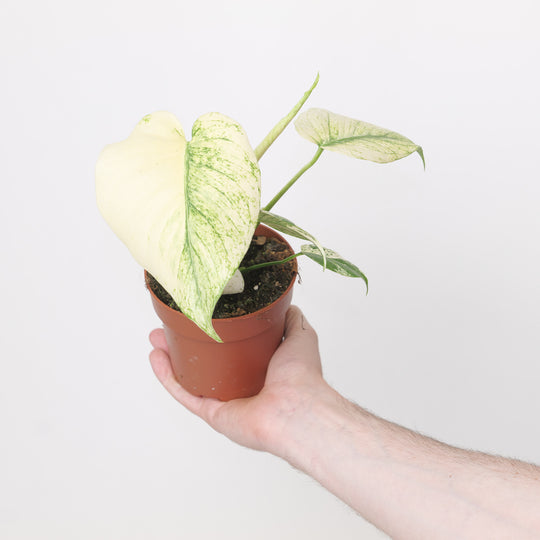
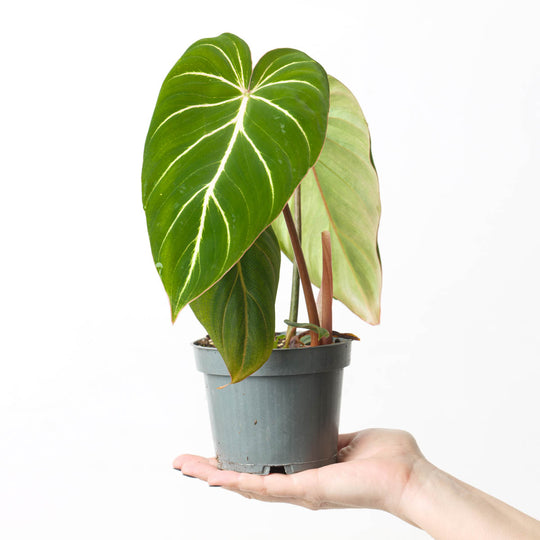
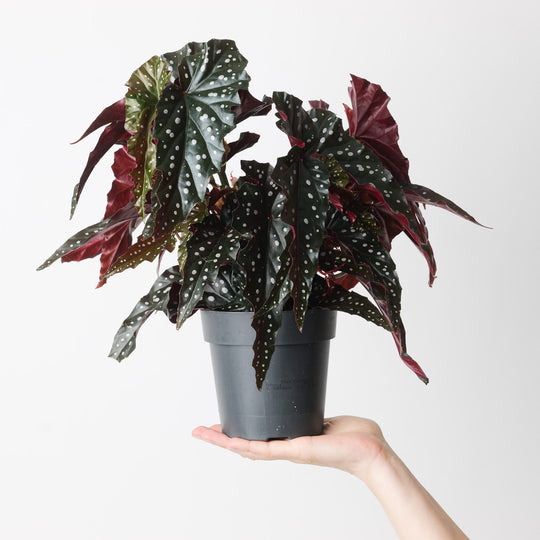
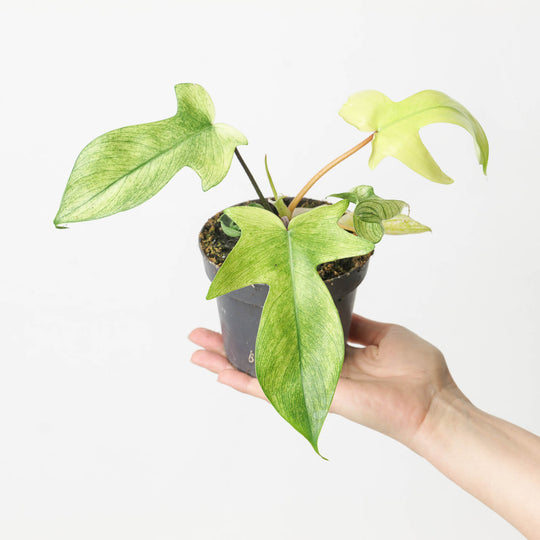
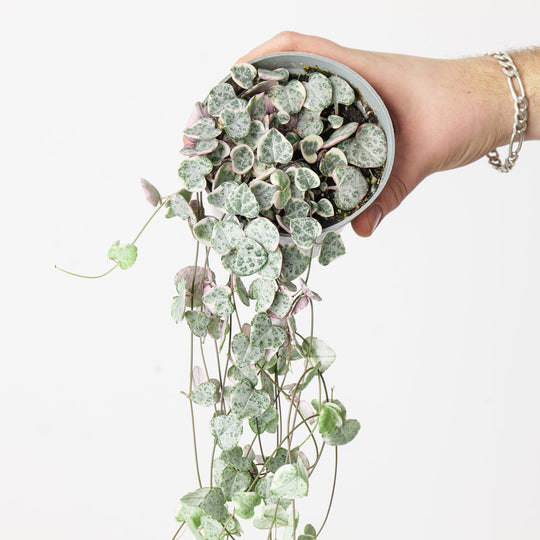
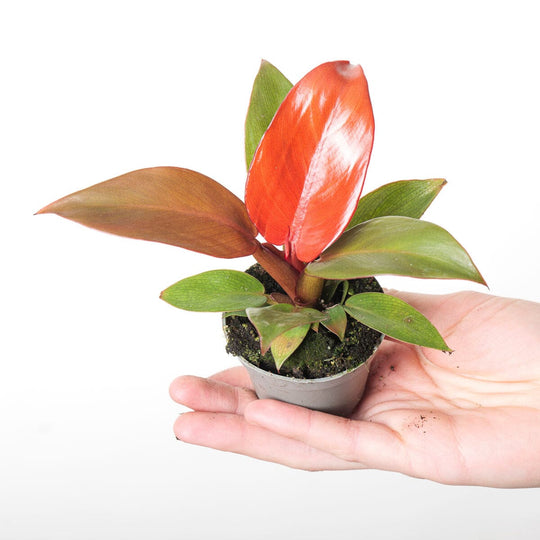
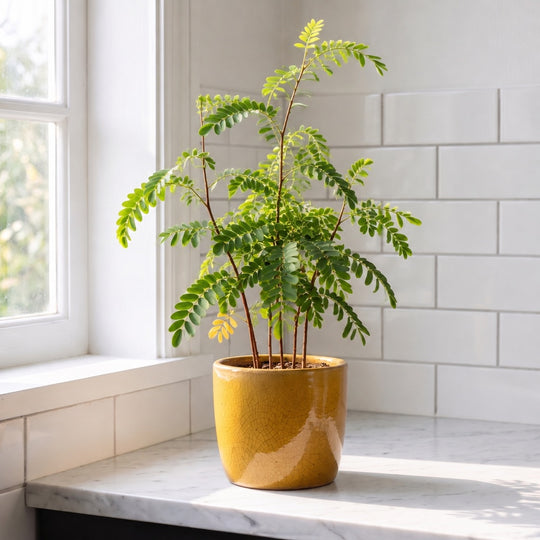
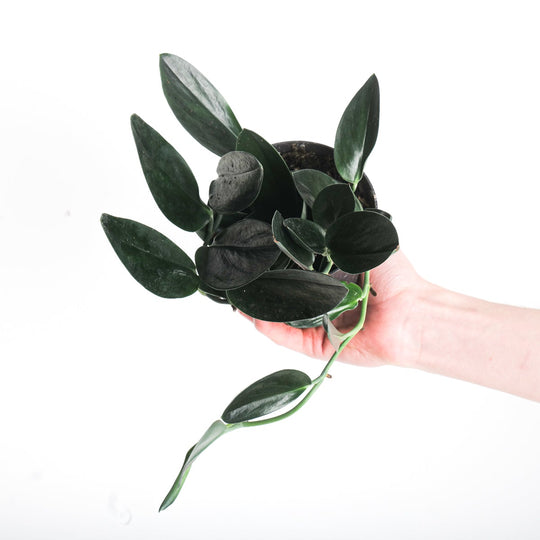
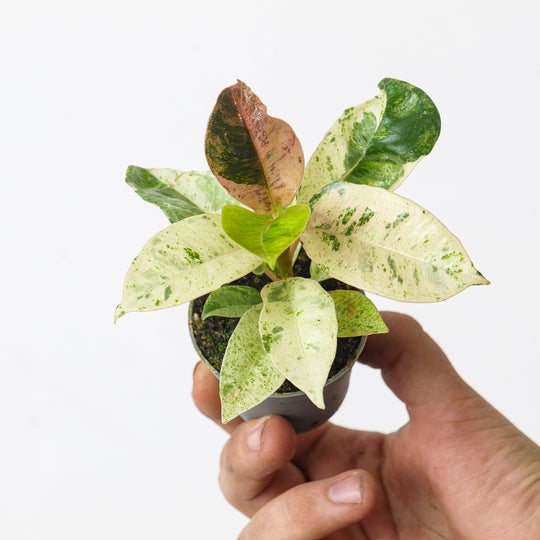
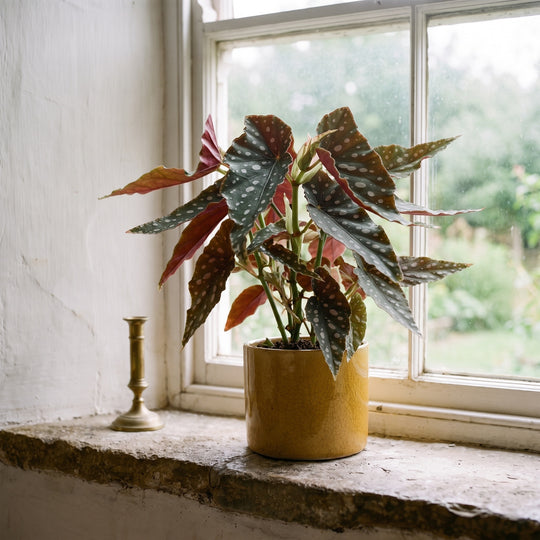
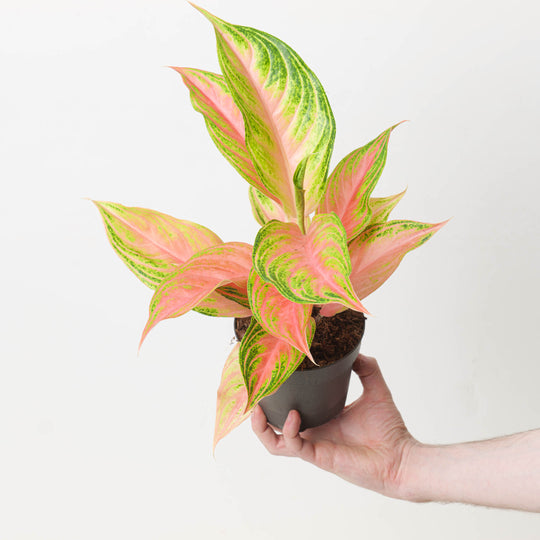
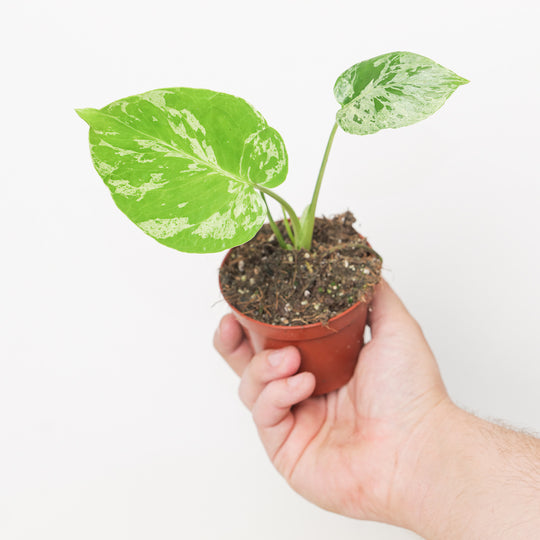
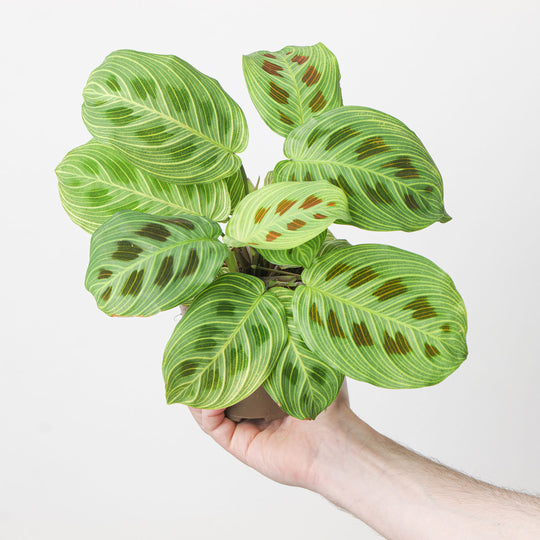
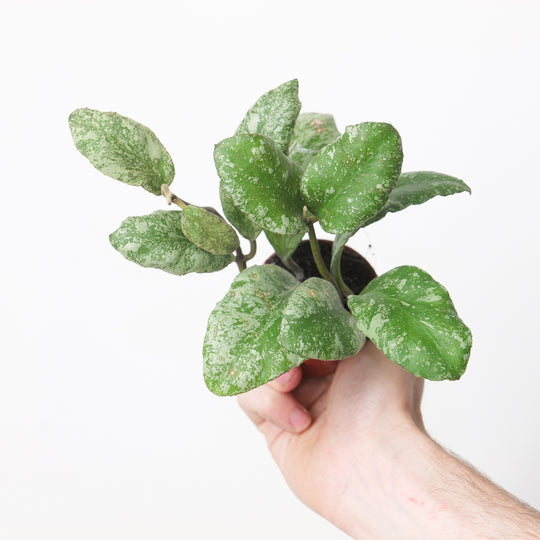
In the houseplant world, rarity takes several forms. Some plants are rare because they are difficult to propagate and grow slowly, making large-scale production impossible. Others are rare because they are recent discoveries or newly popularised species that have not yet entered mass commercial production. Variegated cultivars, where unusual leaf colouring is caused by genetic mutations, are rare because they cannot be grown from seed and must be propagated carefully from cuttings.
Our Rare Plant Sourcing
We grow a selection of our rare plants ourselves, using tissue culture (TC) and controlled propagation techniques to produce healthy, well-rooted specimens. Others are sourced from trusted specialist growers in the Netherlands and elsewhere in Europe, where we have longstanding relationships built on shared standards for plant health and quality.
Variegated Plants
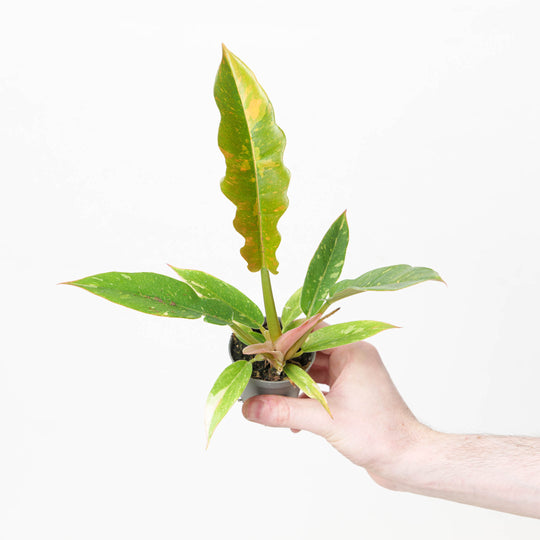
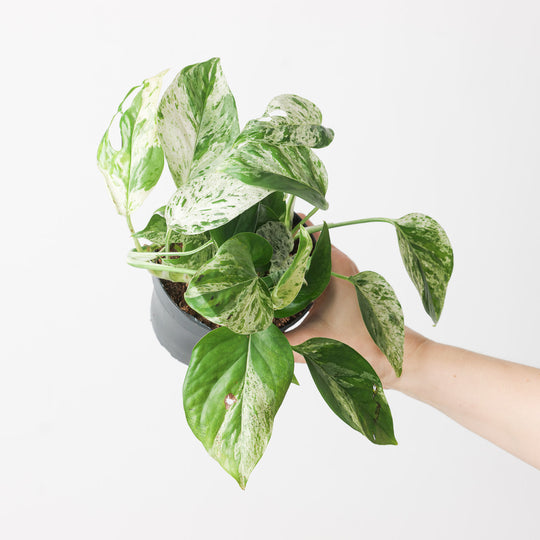
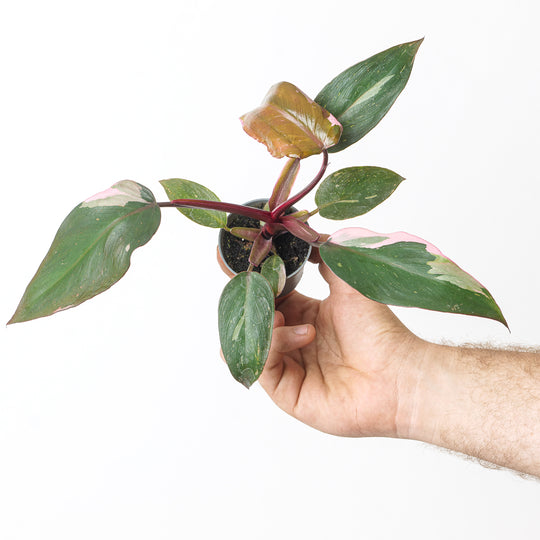
Variegated aroids, including Monstera albo, Philodendron Brasil, and unusual Pothos cultivars, are among the most sought-after collector plants. Their distinctive patterning is caused by a reduction in chlorophyll in parts of the leaf, producing cream, white, or yellow sections alongside the standard green. Because variegation is genetic rather than environmental, it is stable and passed through cuttings, though each leaf is unique.
Tissue Culture Plants
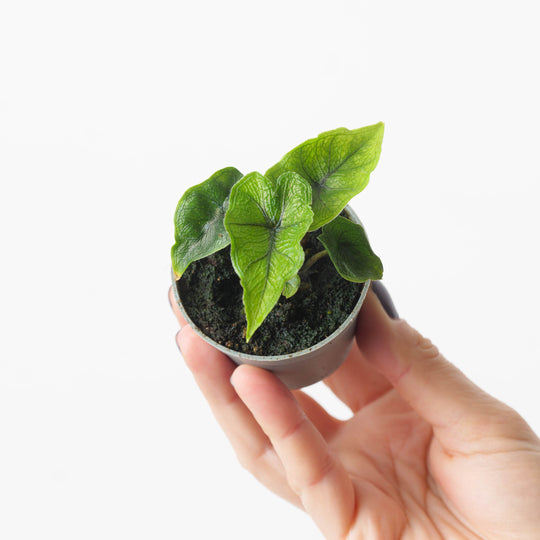
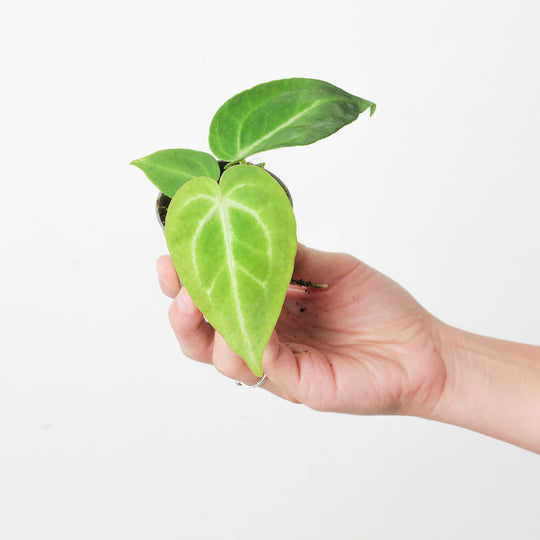
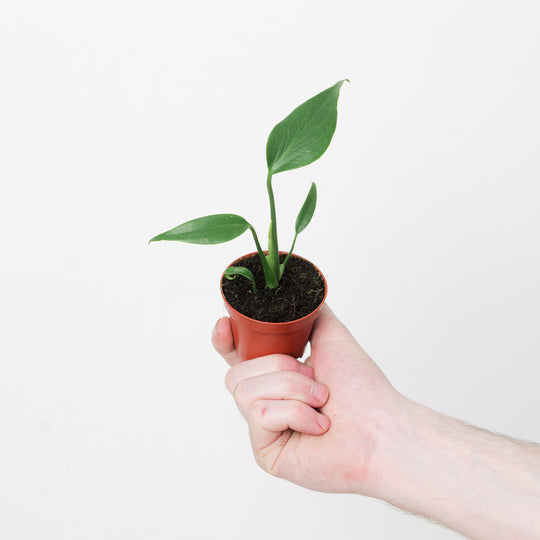
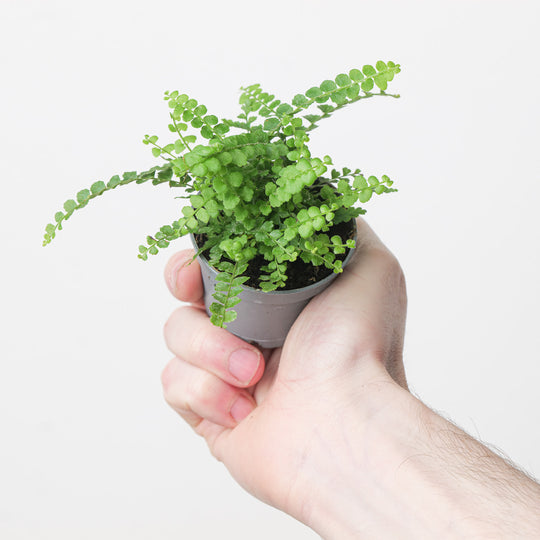
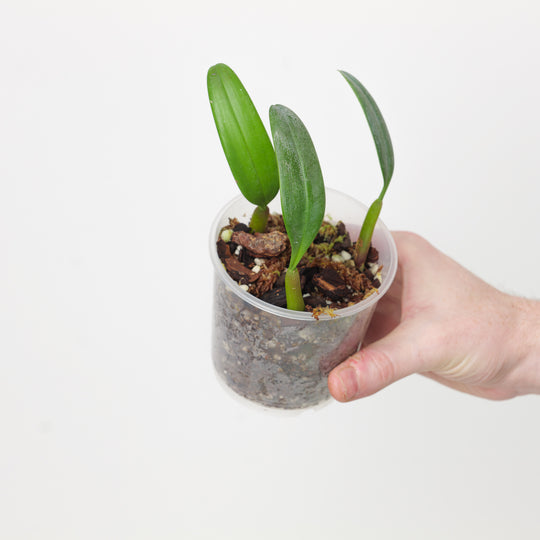
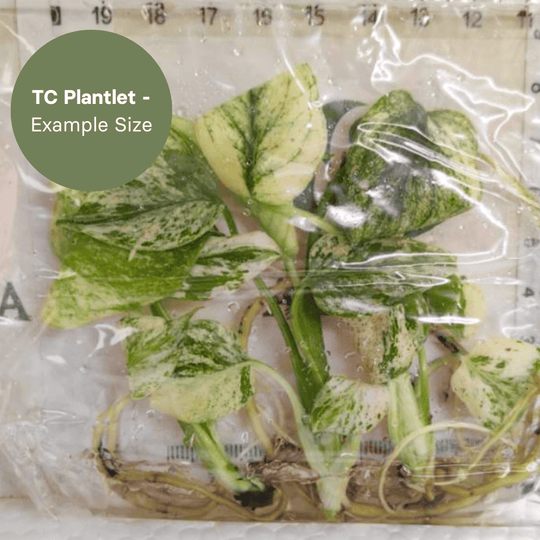
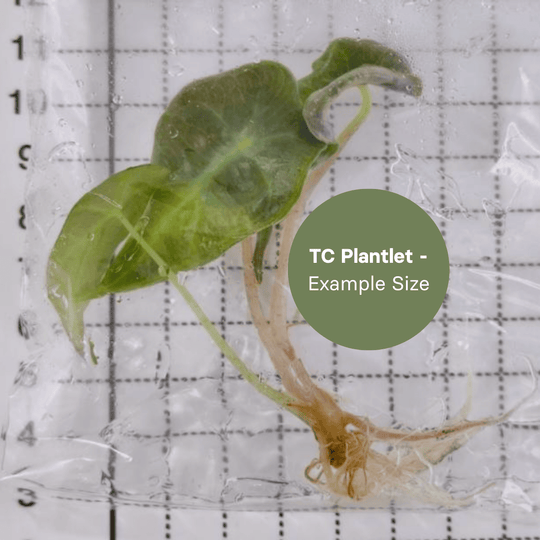
Some of our rarest plants are available as tissue culture (TC) specimens: young plants produced in laboratory conditions from a tiny piece of plant tissue. TC production allows us to offer genuinely rare species at a more accessible scale. TC plants arrive clean, pest-free, and disease-free, though they require an acclimatisation period as they transition from laboratory to home conditions.
Stock Availability
Rare plants sell quickly and stock levels in this collection fluctuate as new batches become available. We recommend checking back regularly or contacting us directly if you are looking for a specific species. Signing up to our mailing list ensures you are notified when new rare stock becomes available.
Caring for Rare Plants
Most rare tropical plants have broadly similar care requirements to their more common relatives: bright indirect light, consistent moisture, good humidity, and warmth above 16 degrees C. Variegated plants often need slightly more light than their all-green counterparts to maintain their distinctive colouring. TC plants need gentle acclimatisation: introduce them gradually to normal indoor conditions over a week or two.