About Mammillaria
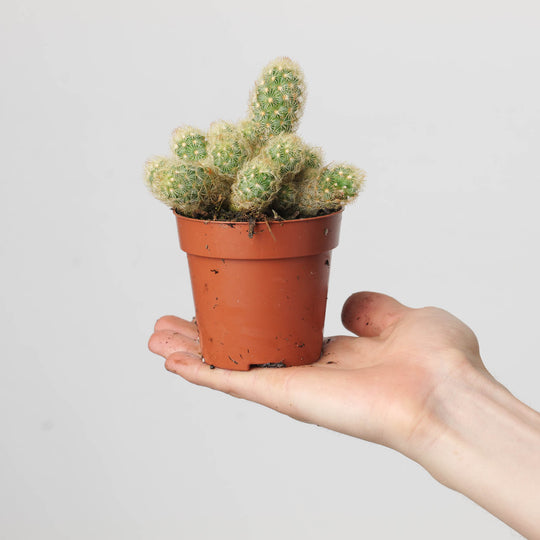
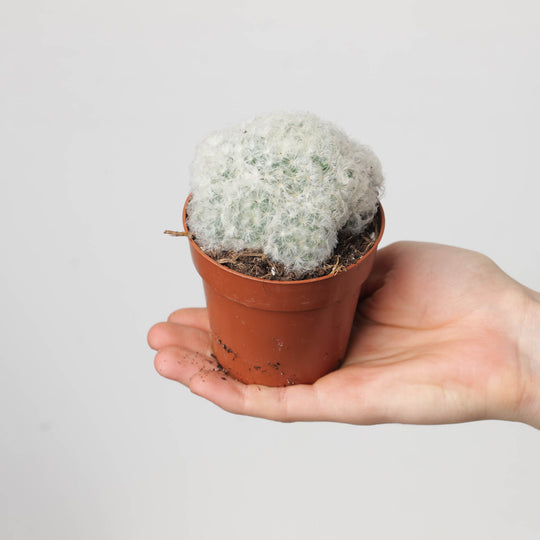
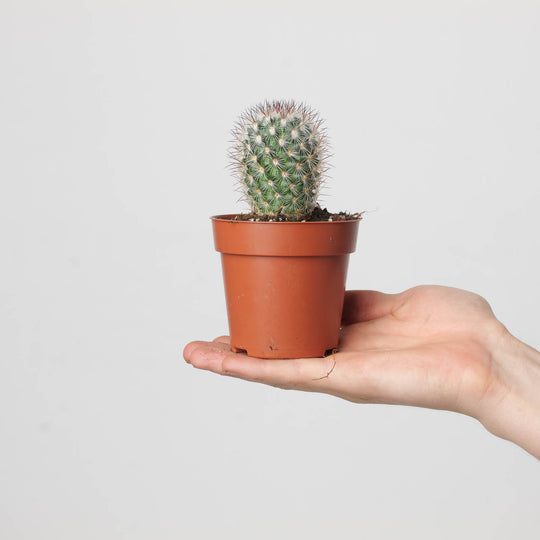
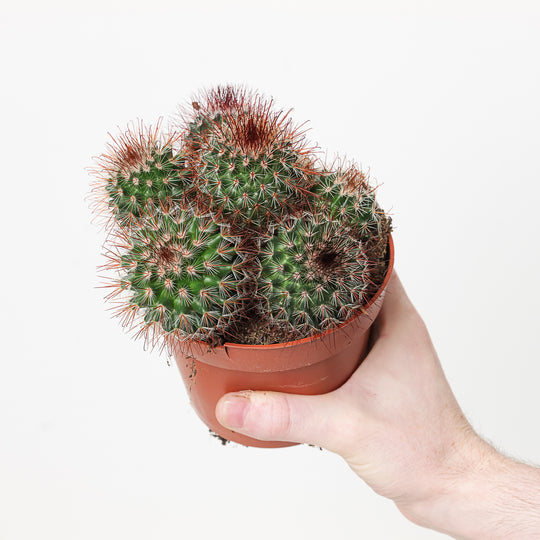
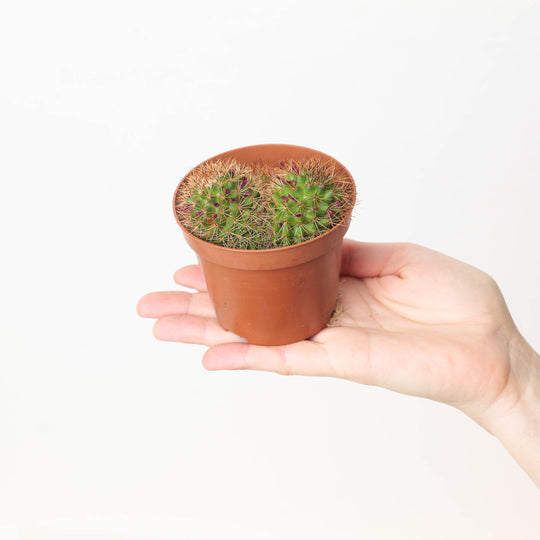
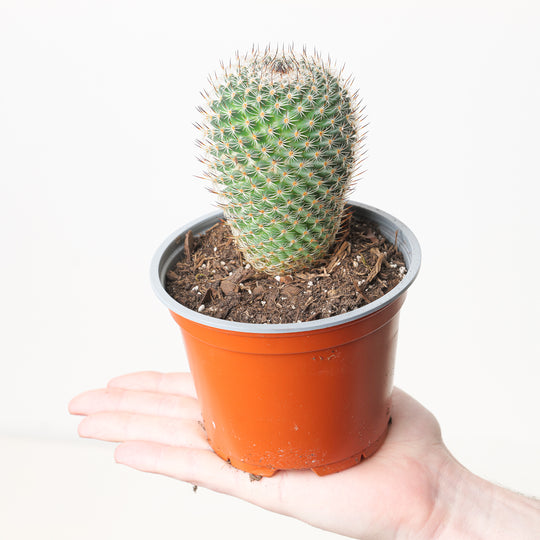
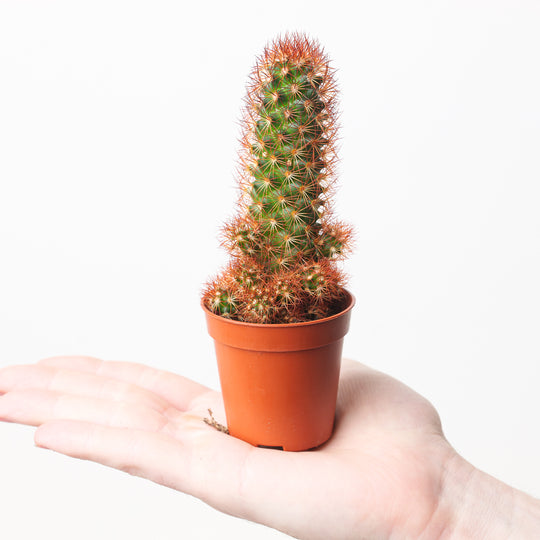
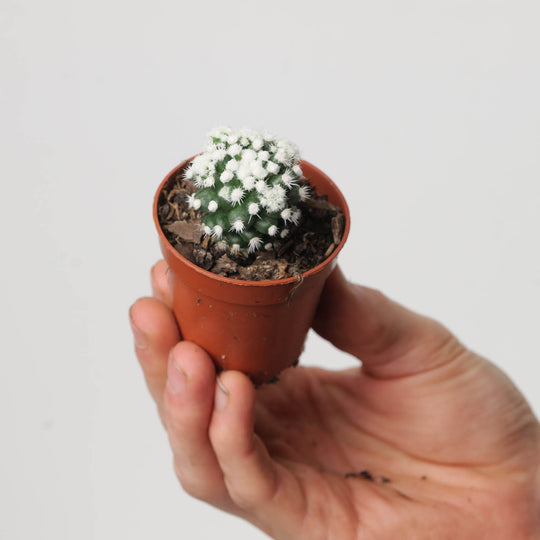
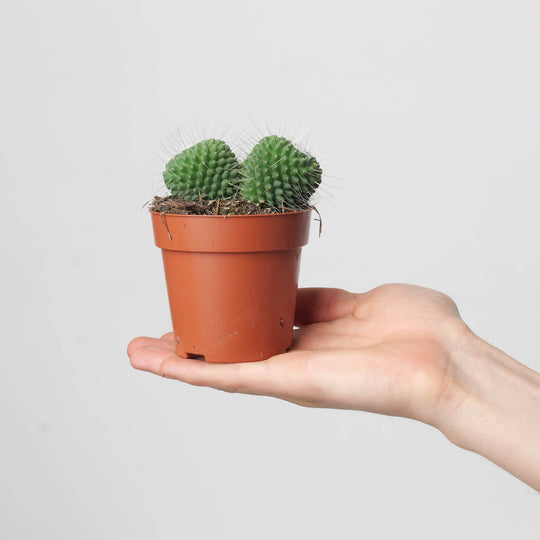
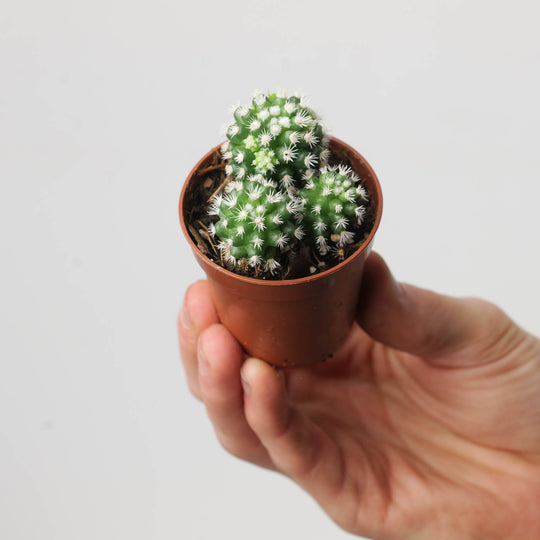
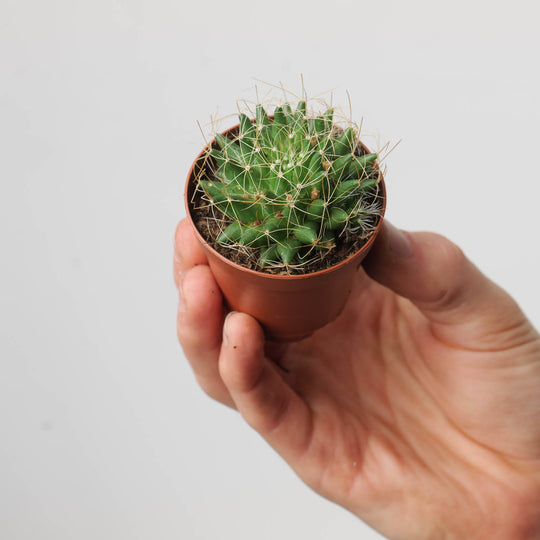
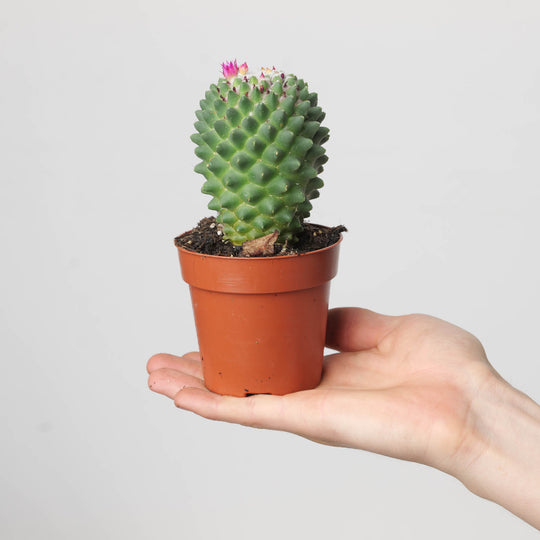
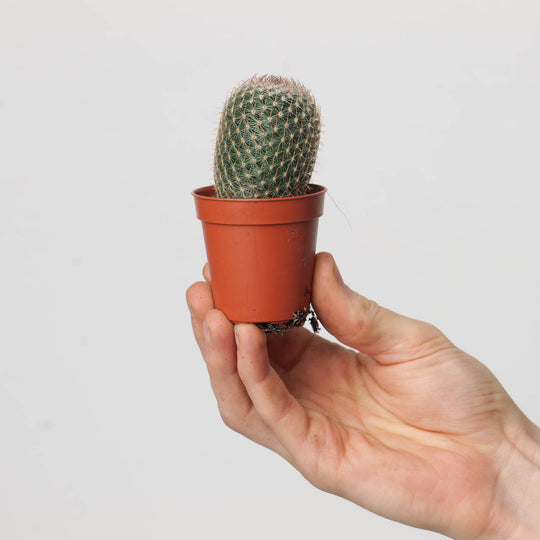
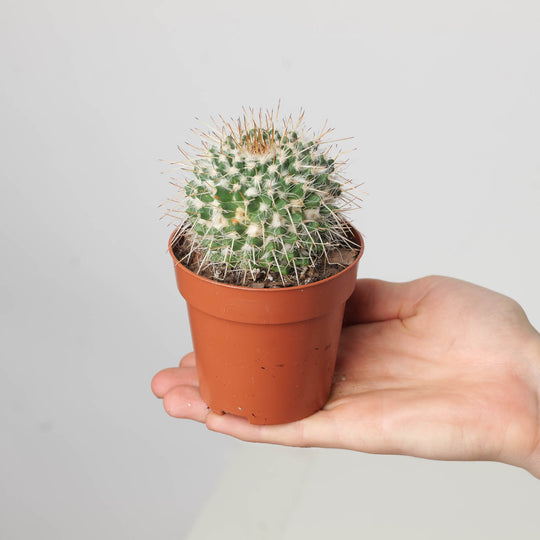
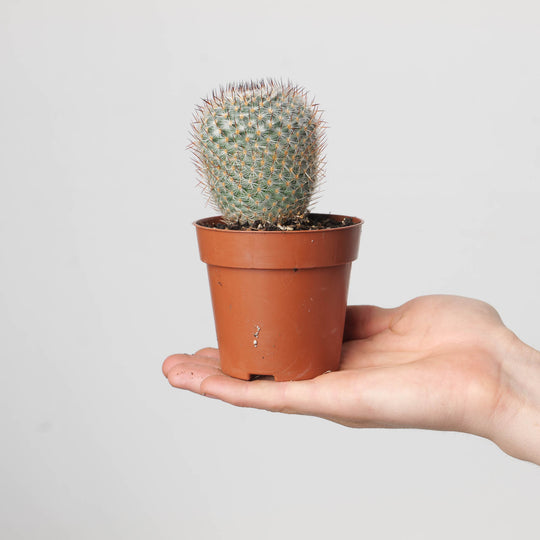
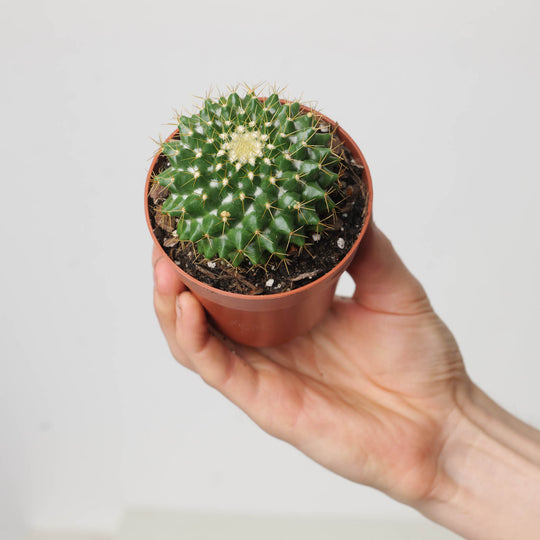
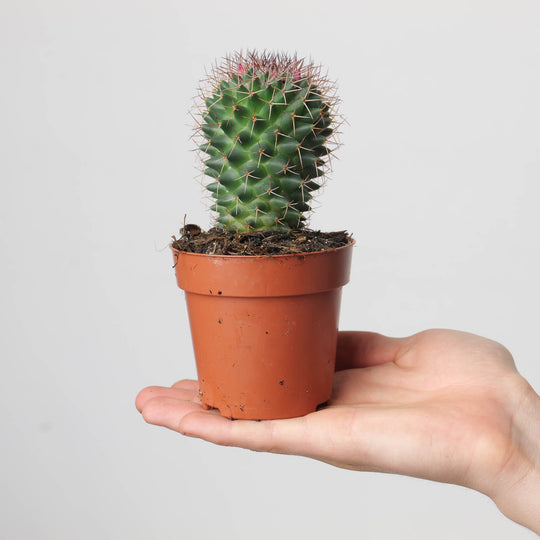
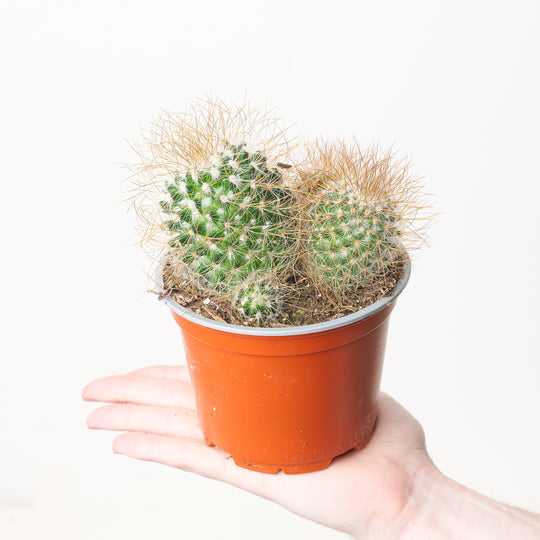
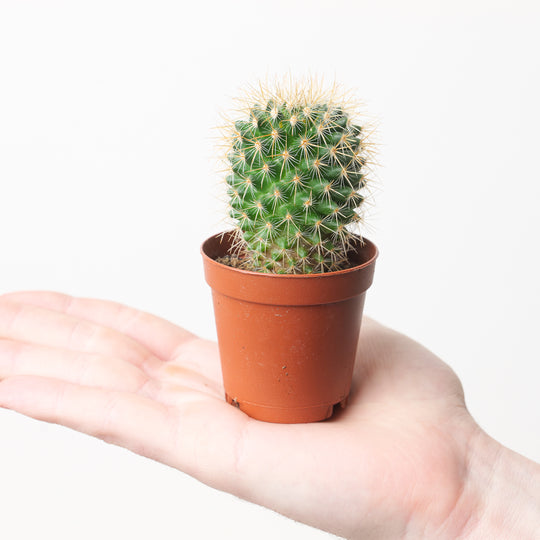
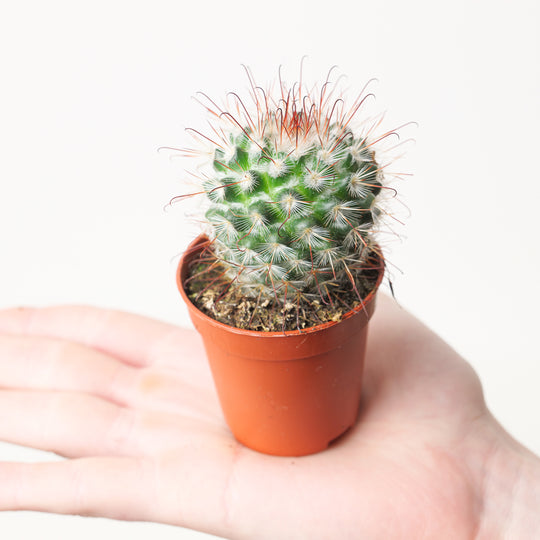
Mammillaria is the largest genus in the Cactaceae family, containing around 200 species native to Mexico, the United States, Central America, and the Caribbean. The name comes from the Latin mammilla (nipple), referring to the distinctive conical tubercles that cover the plant's surface. Unlike many cacti, which produce spines from ribs or areoles, mammillaria spines emerge from the tips of these tubercles, giving the plants a distinctive patterned appearance.
Light Requirements
Mammillaria are sun-lovers and thrive in full sun or very bright indirect light. A south-facing windowsill is ideal. Insufficient light causes etiolation (stretching) and prevents flowering. If grown indoors without strong natural light, supplementary grow lighting can make a significant difference to growth quality and flower production.
Watering
Water thoroughly during spring and summer when the compost has dried completely, typically every 2-3 weeks. In autumn, reduce watering. In winter, keep almost completely dry, watering only once every 6-8 weeks if at all. This winter drought period is important for triggering spring flowering. Always use free-draining compost and pots with drainage holes.
Flowering
One of mammillaria's greatest qualities is its reliable and prolific flowering. A ring of small, funnel-shaped flowers crowns the plant in late winter or spring, often followed by elongated, pin-like red or pink seed pods that are also decorative. Cool winter temperatures and reduced watering help initiate flower bud development.
Soil and Potting
Use a specialist cactus compost or mix standard compost with 50% perlite or horticultural grit. Good drainage is essential. Terracotta or clay pots regulate moisture effectively and reduce root rot risk. Shallow, wide pots suit the compact root systems of most mammillaria species.
Temperature
Mammillaria prefer temperatures of 10-35 degrees C during the growing season. Most species tolerate brief dips close to 0 degrees C if kept completely dry, but frost will damage or kill them. A cool, dry winter (around 5-10 degrees C) promotes flowering the following spring.
Propagation
Mammillaria propagate readily from offsets (pups) that develop around the base or between the tubercles of mature plants. Allow pups to develop for a few weeks, then detach with a clean knife and allow the cut surface to dry for a day before placing on dry cactus compost. Water only after roots have developed, usually 2-4 weeks later.