Anthurium


One of the largest anthurium collections in the UK, with over 400 species and hybrids. Shop beginner favourites like Anthurium clarinervium and A. crystallinum, through to rare collector plants: A. warocqueanum, A. regale and A. luxurians. We work with specialist nurseries and propagate rare varieties in our own UK nursery. Nothing is wild-collected. All plants are shipped with a 7-day live arrival guarantee. Browse the full range or explore our Anthurium hybrids and aroid collection.

412 products

    412 products
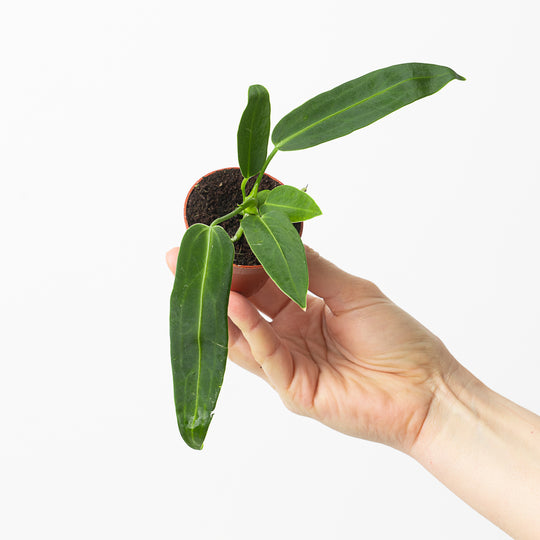
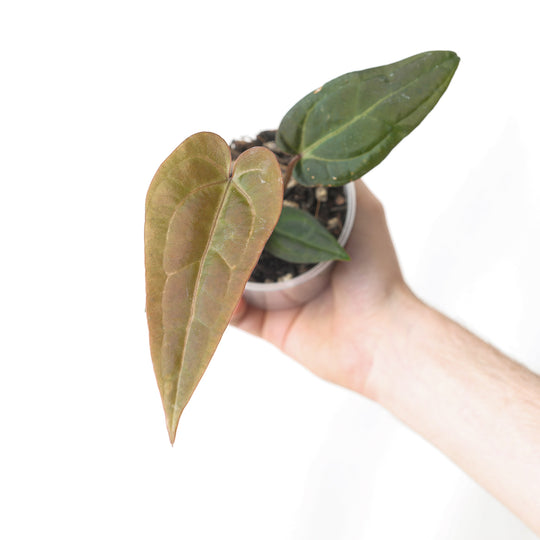
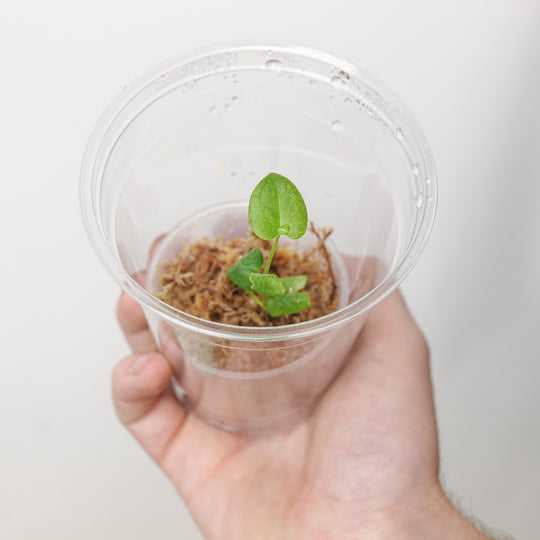
    Imperfect Anthurium warocqueanum 6cm Imperfect Plants GrowTropicals
    Queen Anthurium

    Anthurium warocqueanum

    £10.99
    1
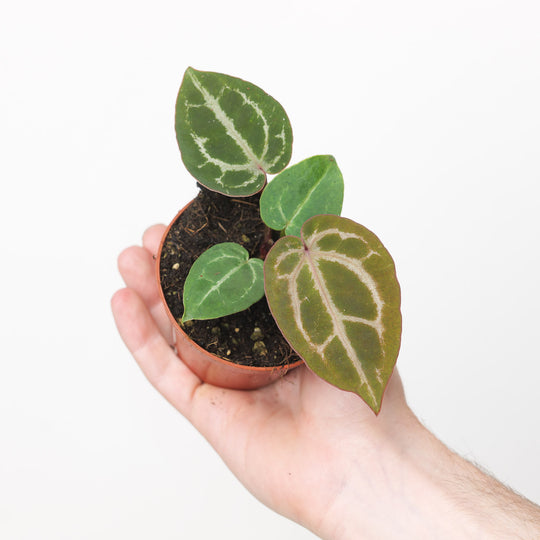
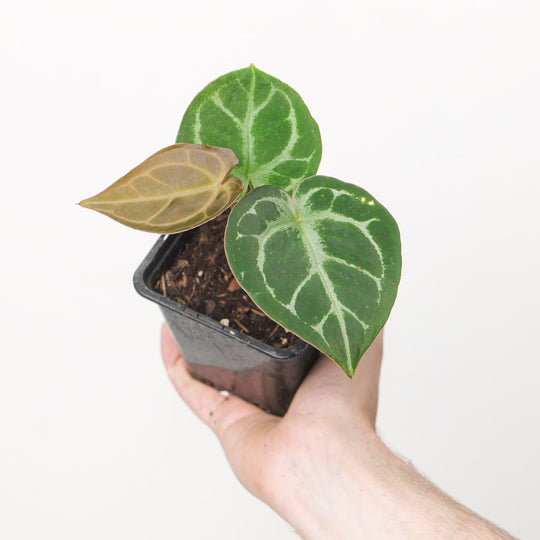
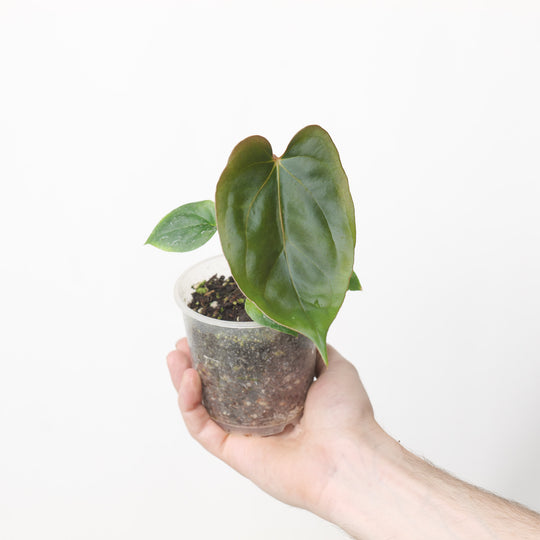
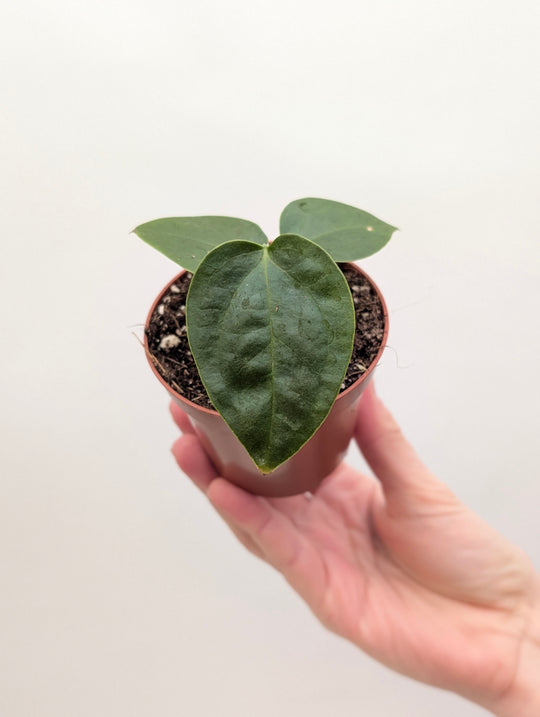
    Imperfect Anthurium Clarinervium Plants GrowTropicals
    1
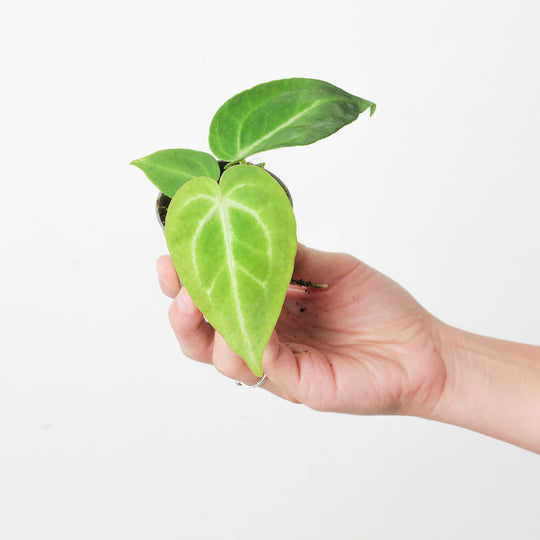
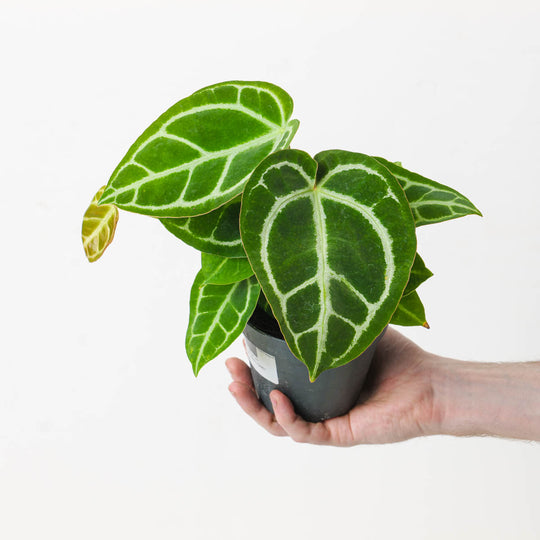
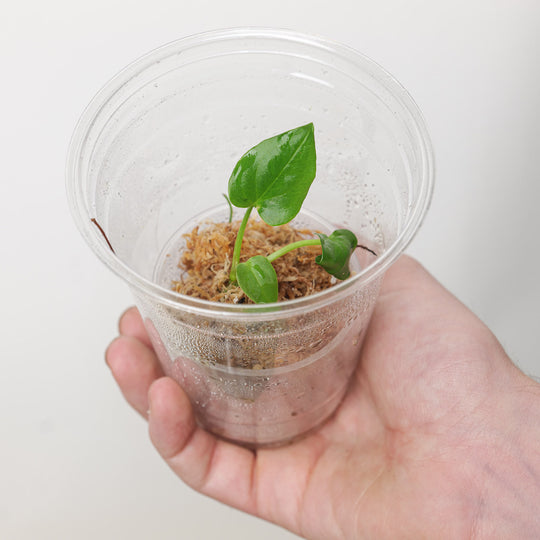
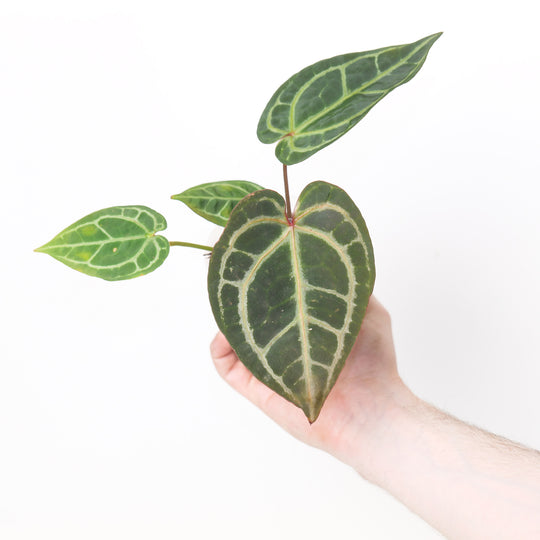
    Imperfect Anthurium crystallinum Plants GrowTropicalsSale

    Anthurium crystallinum

    £4.99 £14.99
    1
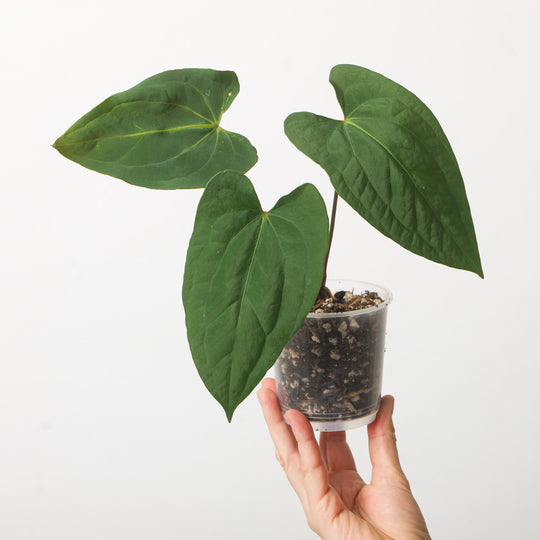
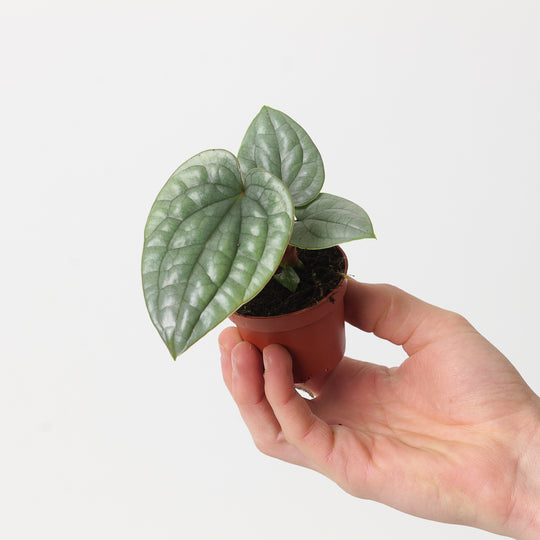
    Anthurium luxurians 'Platinum' 6cm Plants GrowTropicals
    Silver Velvet Anthurium

    Anthurium luxurians 'Platinum'

    £19.99
    1
    Anthurium peltigerum 12cm Plants GrowTropicalsSale
    Turtle Shell Anthurium

    Anthurium peltigerum

    £9.99 £24.99
    1
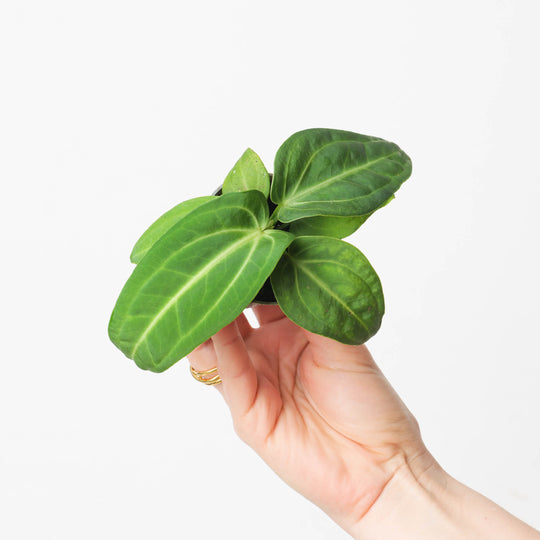
    Imperfect Anthurium magnificum Plants GrowTropicalsSale
    Velvet Shield Anthurium

    Anthurium magnificum

    £5.99 £13.99
    1
    Imperfect Anthurium crystallinum Plants GrowTropicalsSale

    Imperfect Anthurium crystallinum

    £11.99 £14.99
    1
    Anthurium sp. Napo 8cm Plants GrowTropicals

    Anthurium sp. Napo

    £27.99
    1
    Imperfect Anthurium veitchii Plants GrowTropicalsSale
    King Anthurium

    Anthurium veitchii

    £8.99 £18.99
    1
    Anthurium vittarifolium 14cm Plants GrowTropicalsSale
    Strap-Leaf Pendant Anthurium

    Anthurium vittarifolium

    £45.99 £62.99
    1
    Imperfect Anthurium villenaorum Plants GrowTropicals
    1
    Imperfect Anthurium villenaorum Plants GrowTropicalsSale

    Anthurium villenaorum

    £9.99 £18.99
    1
    Imperfect Anthurium 'Silver Blush' Plants GrowTropicalsSale

    Anthurium 'Silver Blush'

    £13.99 £25.99
    1
    Anthurium crystallinum 'Silver Blush' 6cm Plants GrowTropicalsSale
    1
    Imperfect Anthurium regale 12cm Imperfect Plants GrowTropicals

    Imperfect Anthurium regale

    £29.99
    1
    Imperfect Anthurium 'Silver Blush' Plants GrowTropicalsSale

    Imperfect Anthurium 'Silver Blush'

    £14.99 £18.99
    1
    Imperfect Anthurium peltigerum Plants GrowTropicalsSale
    Turtle Shell Anthurium

    Imperfect Anthurium peltigerum

    £8.99 £9.99
    1
    Anthurium Crassinervium 'Karma Birdnest' Plants GrowTropicals
    1
    Anthurium regale x 'Michelle' Plants GrowTropicals
    1
    Anthurium regale Plants GrowTropicalsSale

    Anthurium regale

    £22.99 £37.99
    1
    Imperfect Anthurium magnificum Plants GrowTropicalsSale

    Imperfect Anthurium magnificum

    £15.99 £20.99
    1
    Anthurium superbum Plants GrowTropicalsSale
    Bird's Nest Anthurium

    Anthurium superbum

    £65.99 £109.99
    1
    Anthurium kunthii 9cm Plants GrowTropicals

    Anthurium kunthii

    £35.00
    1
    Anthurium andreanum 9cm Plants GrowTropicals
    1

    The Growtropicals Anthurium Guide

    Types of Anthurium: Velvet-Leaf, Strap-Leaf and Flowering

    The Anthurium genus contains over 1,000 species, broadly grouped into three collector categories. Velvet-leaf anthuriums include some of the most sought-after foliage plants in the hobby: A. clarinervium with its heart-shaped leaves and white venation, the dramatic velvety texture of A. magnificum, and the specimen-scale A. crystallinum. These species prefer humid conditions and bright indirect light.

    Strap-leaf species produce long, pendant foliage and often reach impressive sizes. The rarest are genuinely spectacular: A. warocqueanum can produce leaves over a metre long in mature specimens, while A. regale is one of the most sought-after collector plants in the world. Flowering anthuriums, dominated by the classic flamingo flower types derived from A. andraeanum, are the easiest to grow and deliver colour for months at a time.

    How to Care for Anthurium Plants

    Anthuriums need a chunky, free-draining substrate. A mix of bark, perlite and sphagnum moss replicates the epiphytic conditions many species prefer in the wild. Water when the top 2 to 3 cm of substrate feels dry, and never let roots sit in standing water. Most species appreciate humidity above 60%; foliage velvet types like A. magnificum and A. crystallinum will show crimp or edge browning in low humidity.

    Light requirements vary by type. Foliage anthuriums generally prefer bright indirect light, while flowering varieties tolerate lower light levels. All species are sensitive to cold draughts and temperatures below 15 degrees Celsius. Feed every two to four weeks during the growing season with a balanced liquid fertiliser diluted to half strength. For broader context on aroid care, browse our aroid collection.

    Choosing the Right Anthurium for Your Experience Level

    If you are new to anthuriums, start with A. clarinervium. It is tolerant of typical indoor conditions, forgiving of occasional dry spells, and produces stunning heart-shaped foliage with silver-white veining. A. crystallinum is equally rewarding. Both are widely considered the best entry points into velvet-leaf collecting.

    Experienced collectors will find our range of rare species and hand-pollinated hybrids more interesting. Species like A. warocqueanum and A. regale demand more attention to humidity and airflow but reward the effort with extraordinary foliage. Our Anthurium hybrids collection includes crosses not available elsewhere in the UK, including custom crosses propagated at our own nursery. Nothing is wild-collected; all our plants are grown on and inspected before dispatch.

    Frequently Asked Questions

    Anthuriums are tropical aroids native to Central and South America. The genus contains over 1,000 species and is one of the largest in the aroid family. They are grown for their spectacular foliage and long-lasting blooms. Foliage types include velvet-leaf species like A. clarinervium and A. magnificum, strap-leaf species such as A. warocqueanum, and flowering forms derived from A. andraeanum.

    In the wild, most anthuriums grow as epiphytes or hemiepiphytes, clinging to tree trunks in humid forest understorey. This explains their preference for chunky, free-draining substrates and high humidity in cultivation. For broader aroid context, explore our aroid collection.

    Anthurium clarinervium is one of the most forgiving foliage anthuriums. It produces stunning heart-shaped leaves with white venation and tolerates typical indoor conditions better than many tropical species. It adapts to moderate humidity and does not require specialist equipment to thrive.

    Anthurium crystallinum is another accessible choice, with similar velvety leaves and silver venation on a slightly larger scale. Both species are widely available in our collection and well-suited to collectors starting out with aroids. For very easy-care options across all plant types, see our easy care houseplants.

    Anthuriums prefer bright indirect light and high humidity. Plant in a chunky, well-draining aroid mix: bark, perlite and sphagnum moss works well. Water when the top 2 to 3 cm of substrate feels dry, and avoid letting roots sit in waterlogged compost. Feed every two to four weeks during the growing season with a balanced liquid fertiliser at half strength.
    Most foliage species, including A. magnificum and A. crystallinum, appreciate humidity above 60%. A humidifier, pebble tray or grouping plants together all help. Avoid cold draughts and temperatures below 15 degrees Celsius. For a wider guide to aroid care conditions, see our aroid collection.
    Most foliage anthuriums benefit from humidity above 60%, especially velvet-leaved species like A. magnificum and A. crystallinum. In lower humidity, new leaves may emerge crinkled or develop brown edges. Rare collector species such as A. warocqueanum are particularly sensitive.

    Grouping plants together, using a pebble tray filled with water, or running a humidifier nearby all help maintain consistent levels. Some hardier species, including flowering anthuriums and A. clarinervium, are more tolerant of typical household humidity (40 to 50%) and are better suited to rooms without supplemental humidity.

    Anthuriums contain calcium oxalate crystals and are considered mildly toxic to cats and dogs. Chewing the leaves can cause mouth irritation, drooling and digestive discomfort. They are not typically life-threatening but should be kept out of reach of curious pets.

    For alternatives that deliver dramatic foliage with lower toxicity risk, our easy care collection includes a number of pet-friendlier options. Always check individual product pages for the most up-to-date pet safety information, and consult your vet if you have concerns about a specific plant in your home.

    Yellow leaves on anthuriums are most commonly caused by overwatering. These plants need a well-draining substrate and should not sit in waterlogged compost. Check that the pot has drainage holes and that you are allowing the top layer of substrate to dry out between waterings. A. clarinervium and other foliage species are particularly prone to root rot if kept too wet.

    Other causes include too much direct sun (which can also cause bleaching), cold draughts, or natural ageing as older lower leaves yellow and die back. If yellowing is widespread and accompanied by soft stems, suspect root rot. Repot into fresh aroid potting mix and remove any blackened roots. If yellowing affects newer growth, check for nutrient deficiency and resume a regular feeding schedule.