Tree Ferns


Tree ferns for UK gardens, led by Dicksonia antarctica. Prehistoric fibrous trunks and vast arching fronds for shaded courtyards, exotic borders and dramatic focal points. Fully hardy across most of Britain with a little winter care.

3 products

    3 products
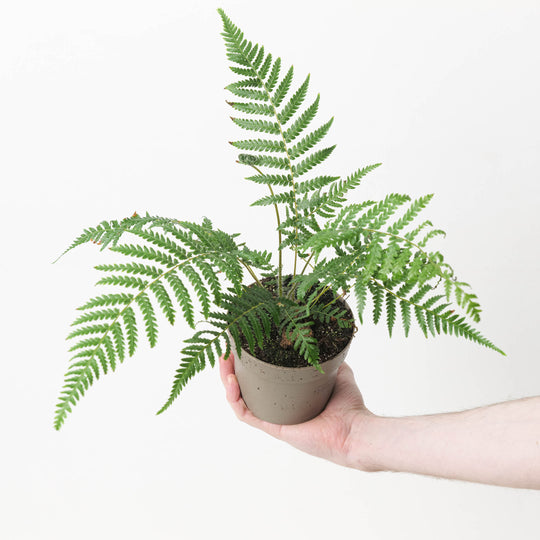
    Cyathea cooperi Plants - Outdoor GrowTropicals

    Cyathea cooperi

    £15.99
    1
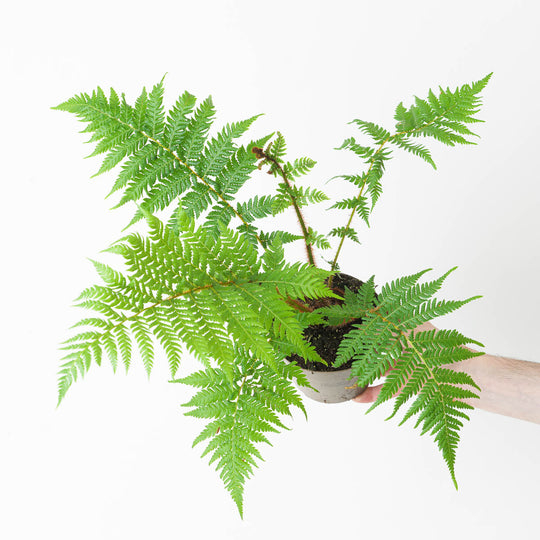
    Dicksonia antarctica | Tree Fern Plants - Outdoor GrowTropicals

    Dicksonia antarctica | Tree Fern

    £12.99
    1
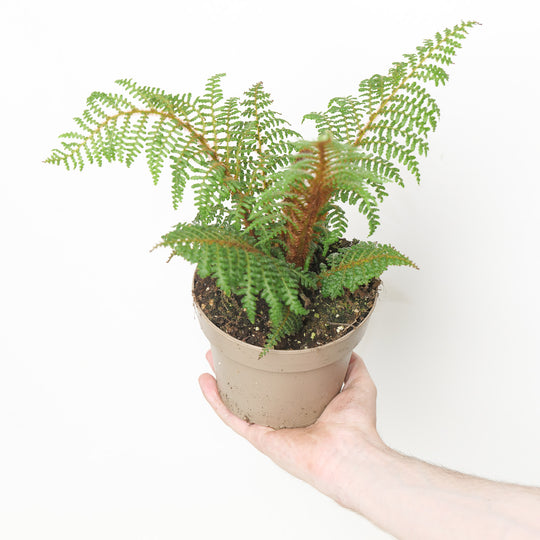
    Cyathea tomentosissima Plants - Outdoor GrowTropicals
    Golden Dwarf Tree Fern

    Cyathea tomentosissima

    £16.99
    1

    The GrowTropicals Guide to Tree Ferns

    What are tree ferns?

    Tree ferns are the closest thing a UK garden can get to Jurassic Park. The genus that matters most in Britain is Dicksonia, above all Dicksonia antarctica, whose thick fibrous trunk (technically a caudex made of old leaf bases) can top 3 metres in maturity and unfurls a canopy of enormous arching fronds every spring. Cyathea species, such as Cyathea cooperi and C. tomentosissima, are more tender and best treated as courtyard or container specimens with winter protection. Read our honest guide to what to expect from hardy exotics through the seasons before your first tree fern.

    Care essentials for tree ferns

    • Position: Partial to full shade. Direct hot sun scorches the fronds. A cool north or east-facing spot is ideal.
    • Soil: Rich, moist, humus-heavy soil. Mulch generously with leafmould or compost each spring. In containers, use a peat-alternative substrate rich in bark.
    • Hardiness: Dicksonia antarctica is RHS H4 (reliable across most of the UK with crown protection). Cyathea species are more tender (H2 to H3) and need bringing under cover in cold spells.
    • Watering: Water the crown as well as the roots through spring and summer. Tree ferns absorb much of their water directly through the trunk. Never let them dry out in the growing season.
    • Winter care: Stuff dry straw into the crown and wrap the fronds loosely upright over the trunk to protect the growing point through hard frosts. Uncover in April as new fiddleheads emerge.

    Explore the tree fern range

    Tree ferns pair beautifully with hardy ferns for a layered woodland look, and with other plants for shade for a full shaded exotic border. See more prehistoric foliage in the Hardy Exotics range.

    Frequently Asked Questions

    Dicksonia antarctica is hardy in much of the UK, especially milder and coastal areas. In colder gardens it needs its crown protected over winter with straw or fleece. It is the most widely grown and reliable tree fern here.

    Water the crown at the top of the trunk and the trunk itself, not just the soil, because the trunk absorbs most of the moisture. Keep it damp through the growing season and never let the trunk dry out, particularly in summer or in a pot.

    Yes, tree ferns grow well in large containers and make superb plants for a shady patio or courtyard. Keep the compost and trunk consistently moist, and move the pot to a sheltered spot or wrap the crown in the coldest weather.

    Tree ferns prefer dappled to full shade and shelter from strong wind. Too much direct sun scorches the fronds and dries the plant out, so a cool, sheltered, humid corner is ideal.

    Tree ferns grow slowly, with the trunk gaining only a few centimetres of height each year. You are largely buying the trunk height you see, so a taller specimen gives instant impact.

    Tree ferns for a lush, prehistoric look

    Few plants transform a garden like a tree fern. A crown of huge, arching fronds on top of a fibrous trunk gives instant height and a green, prehistoric atmosphere, especially in the shady, sheltered spots where so little else looks this good. This collection includes the much-loved Dicksonia antarctica along with other hardy tree ferns, all ready to bring a touch of the rainforest to a UK garden.

    Tree ferns for courtyards and shady patios

    A tree fern is the ultimate plant for a shady city courtyard or a sheltered patio. The trunk lifts the foliage to head height, so a single fern fills a vertical space without taking up much ground, and it thrives in the cool, damp shade that frustrates sun-loving plants. Grown in a large pot it makes a dramatic, leafy centrepiece by a back door or seating area.

    Where to plant a tree fern

    Give tree ferns dappled or full shade, shelter from strong wind that can tatter the fronds, and a soil that stays moist but not waterlogged. They love humidity, so a spot near a wall, fence or other planting that traps moisture suits them well.

    Watering and winter care

    The trunk of a tree fern is effectively its root system, so water both the crown and the trunk regularly through the growing season, never letting it dry out. In autumn, protect the crown over winter by packing it with straw or fleece in colder areas, and tuck the old fronds over the top for extra shelter.