Musa


Bring a slice of the tropics home with our ornamental banana plants. The pink-variegated Musa NoNo and the cold-hardy Musa basjoo lead the range, alongside deep red varieties such as Ever Red and Siam Ruby. All grow quickly, throwing out huge paddle-shaped leaves in a single season. Browse the full range below, or explore more hardy exotics for the garden.

8 products

    8 products
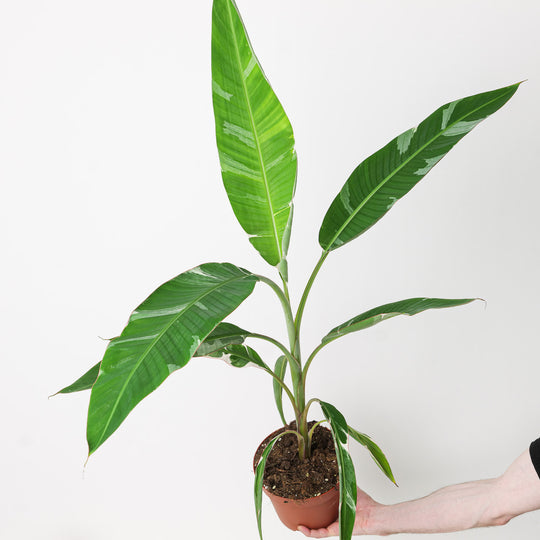
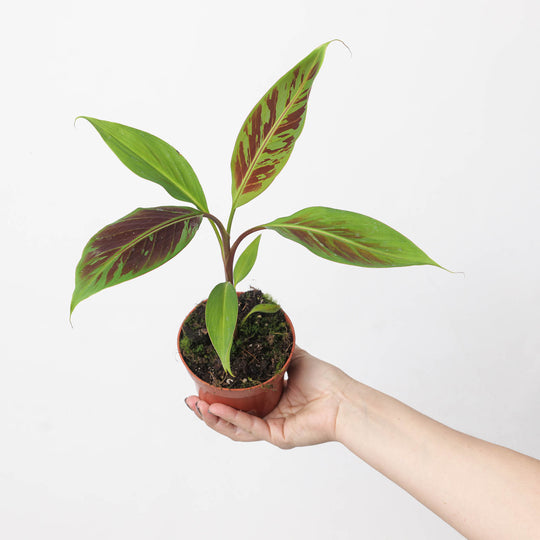
    Musa NoNo Pink Variegated 10.5cm Plants GrowTropicals
    Pink Banana Plant

    Musa NoNo Pink Variegated

    £49.99 £235.99
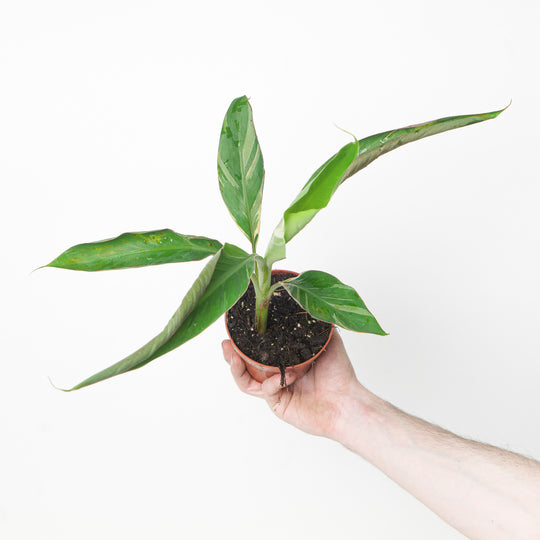
    Musa Florida Variegated 10.5cm Plants GrowTropicals
    Variegated Banana Plant

    Musa Florida Variegated

    £38.99 £86.99
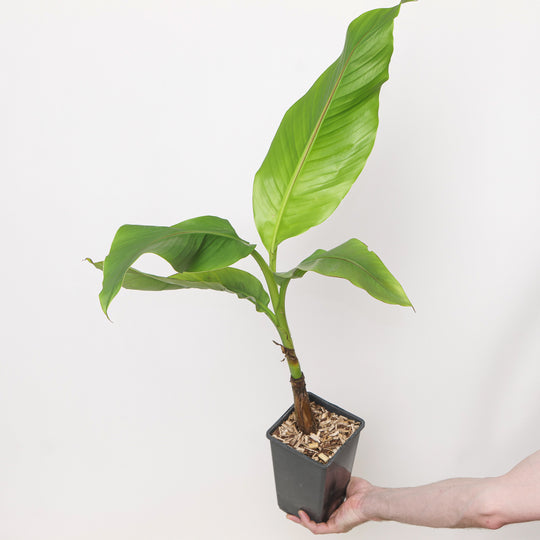
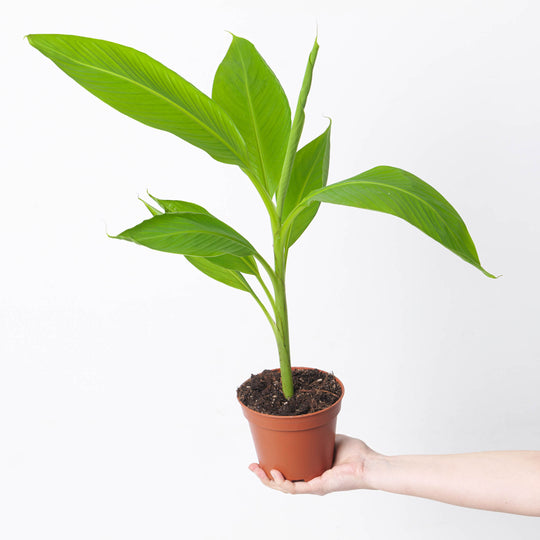
    Musa basjoo Plants - Outdoor GROW TROPICALS
    Japanese Banana

    Musa basjoo

    £16.99
    1
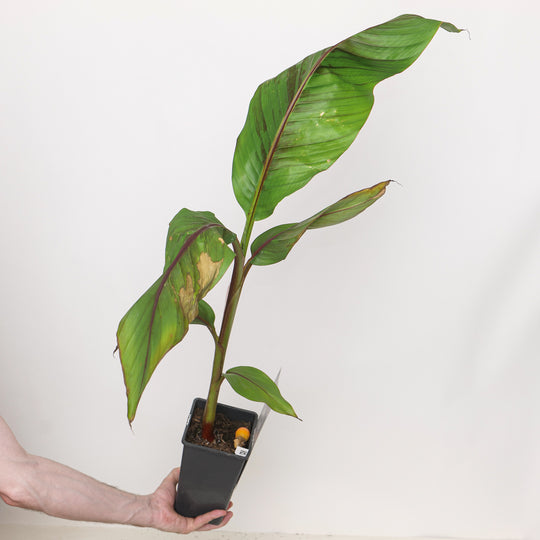
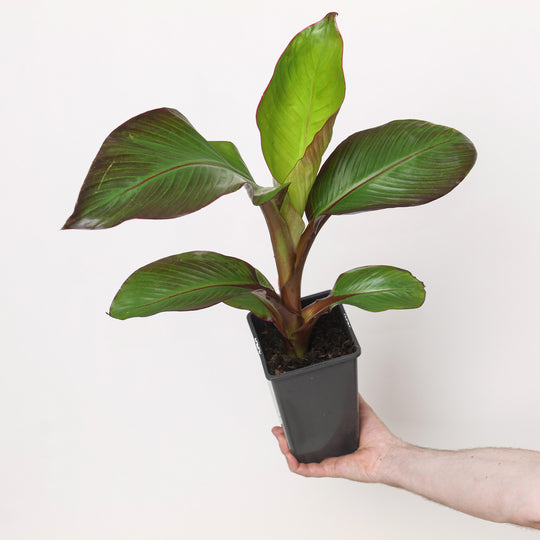
    Ensete ventricosum 'Maurelii' Plants - Outdoor GROW TROPICALS
    Red Abyssinian Banana

    Ensete ventricosum 'Maurelii'

    £17.99
    1
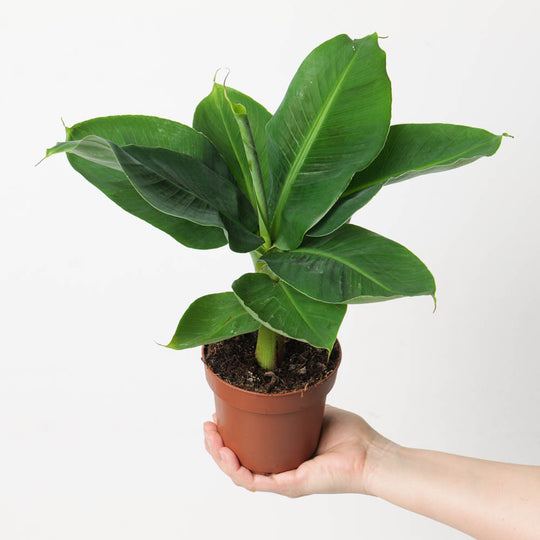
    Musa 'Ever Red' Plants - Outdoor GROW TROPICALS
    Red Banana Plant

    Musa 'Ever Red'

    £16.99
    1

    The Growtropicals Guide to Banana Plants

    Musa Species: Hardy Bananas and Ornamental Varieties

    The Musa genus contains the banana plants: fast-growing tropical perennials grown for their enormous paddle-shaped leaves rather than their fruit. In the UK they fall into two broad groups. Hardy bananas, led by Musa basjoo, can be grown outdoors all year in most of the country with some winter protection around the base. Tender ornamentals are best treated as patio or conservatory plants that come indoors before the first frost.

    Variegation and colour set the ornamentals apart. The pink-variegated Musa NoNo is marbled with soft pink and cream, Florida Variegated breaks the leaves up with green and white, and the deep red Ever Red and Siam Ruby carry burgundy tones through the foliage. Its close cousin Ensete ventricosum 'Maurelii', the Abyssinian banana, adds the same effect on a bigger scale, with broad maroon-flushed leaves on a stout trunk. The striped Musa acuminata 'Zebrina', sometimes sold as the blood banana, is a good compact choice for a bright room. All of them grow quickly, adding a genuinely tropical feel to a border, a large pot or a bright corner indoors.

    How to Care for Banana Plants

    Musa are hungry, thirsty plants that reward generous conditions. Give them the brightest position you can, including several hours of direct sun, and feed regularly through spring and summer when growth is fastest. Water freely in the growing season, letting the top of the compost dry slightly between waterings, then reduce watering sharply over winter while the plant rests. A rich, free-draining mix suits them well, and our houseplant substrates include options that hold moisture without becoming waterlogged.

    Hardy types such as Musa basjoo can stay outside all year in most of the UK. Before winter, cut back damaged leaves, wrap the trunk with straw or fleece, and mulch the root zone against hard frost. Tender bananas, including the Abyssinian banana, should move to a frost-free spot such as a conservatory or heated greenhouse. New plants establish quickly, so do not be surprised by a metre or more of growth in a single warm season. For more cold-hardy planting ideas, see our outdoor plants.

    Choosing the Right Banana Plant

    If you want a banana for the garden, start with Musa basjoo. It is the hardiest widely grown species and the best choice for a permanent outdoor display in the UK.

    For colour under cover, the pink-variegated Musa NoNo, the red-leaved Ever Red and Siam Ruby, the maroon Ensete ventricosum 'Maurelii' and the striped Musa acuminata 'Zebrina' all bring a bold, big-leaved effect to a patio or bright room. Whichever you choose, every plant is nursery grown in the UK and dispatched with care. Browse the full range below.

    Frequently Asked Questions

    Musa is the genus that contains the banana plants, a group of fast-growing tropical perennials from Asia and the Pacific. In cultivation they are grown mainly for their dramatic, paddle-shaped leaves, which can reach well over a metre in a single season. Most ornamental banana plants, such as the pink-variegated Musa NoNo, rarely fruit in the UK climate, so they are enjoyed as foliage plants.

    The genus ranges from tender indoor varieties to genuinely hardy species. Musa basjoo, the Japanese banana, is the most cold-tolerant and can be grown outdoors across much of the UK. You can see the whole range in our banana plant collection.

    Some are. Musa basjoo is the hardiest commonly grown banana and can survive UK winters outdoors when the trunk is wrapped and the roots are well mulched. It may be cut back by frost, but it usually reshoots from the base in spring and grows away quickly once the weather warms.

    Most other Musa, including the red-leaved Ever Red and variegated forms, are tender and are best treated as patio plants that move indoors before the first frost. A frost-free conservatory, porch or heated greenhouse is ideal for overwintering. For more cold-tolerant choices, see our outdoor plants.

    Give a Musa as much light as possible, plenty of water in spring and summer, and regular feeding through the growing season. These are vigorous, hungry plants, and they grow noticeably faster when they are not left short of food or water. Reduce watering in winter while growth slows.

    Use a rich but free-draining compost so the roots stay moist without sitting wet. Our houseplant substrates include suitable mixes. Remove tatty or frost-damaged leaves as they appear, and repot in spring once the plant fills its container.

    Yes. Musa are full-sun plants in the wild, and they perform best in the brightest position you can offer, including several hours of direct sunlight a day. Outdoors, a sheltered, sunny spot produces the largest leaves and the sturdiest growth.

    Indoors, place a banana plant directly in front of your brightest window. In low light it will still grow, but the leaves will be smaller and more widely spaced, and the plant will lean towards the light. Varieties such as Musa acuminata 'Zebrina' keep their markings best in strong light.

    Rarely, and not usefully. Musa basjoo is grown as a hardy ornamental rather than a fruiting crop. In a hot summer a well-established plant may flower and set small fruit, but these are seedy and not worth eating.

    Its value is in the foliage and the tropical effect it brings to a UK garden. If you want a banana for its leaves and its hardiness rather than its fruit, basjoo is the classic choice. Browse the full banana plant range to compare varieties.

    Very fast in warm, bright conditions. Given enough light, food and water, a Musa can add a metre or more of growth and several large leaves in a single summer, which is part of their appeal as an instant tropical feature.

    Growth slows or stops over winter, especially for plants kept cool. Hardy types such as Musa basjoo that are cut back by frost will reshoot from the base in spring and quickly regain their size. Feeding generously through the growing season keeps that fast growth going.