Monstera


One of the most diverse Monstera collections in the UK, with over 90 species and varieties. Shop classic beginner plants like Monstera deliciosa and M. adansonii, striking variegates such as Thai Constellation and Albo Variegata, and rare collector species including M. cf. obliqua and M. dubia. Every plant is nursery-grown in our own UK glasshouses and inspected before dispatch. Nothing is wild-collected. All orders come with a 7-day live arrival guarantee. Browse our wider aroid collection or see all houseplants.
92 products

    92 products
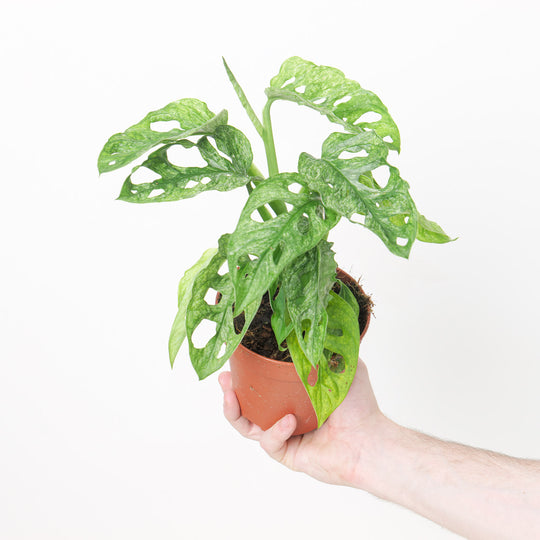
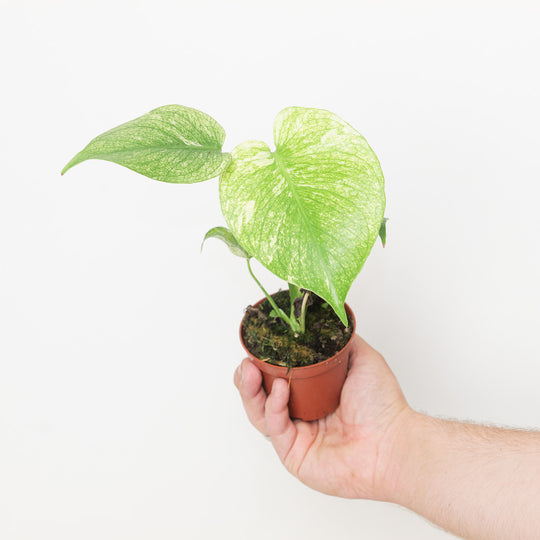
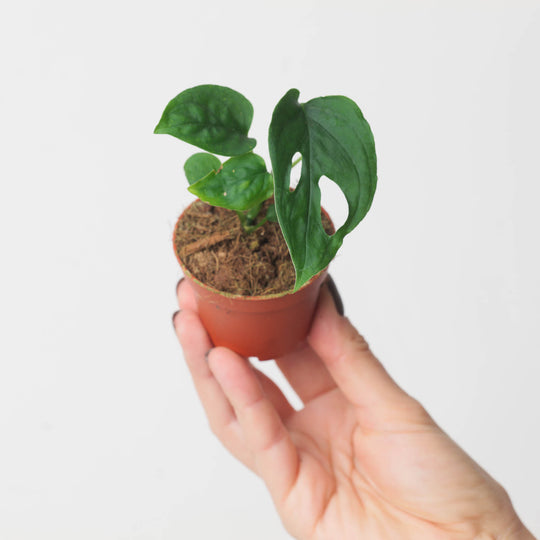
    Monstera adansonii 'Monkey Mask' 12cm Plants GrowTropicalsSale
    Swiss Cheese Vine

    Monstera adansonii 'Monkey Mask'

    £10.99 £12.99
    1
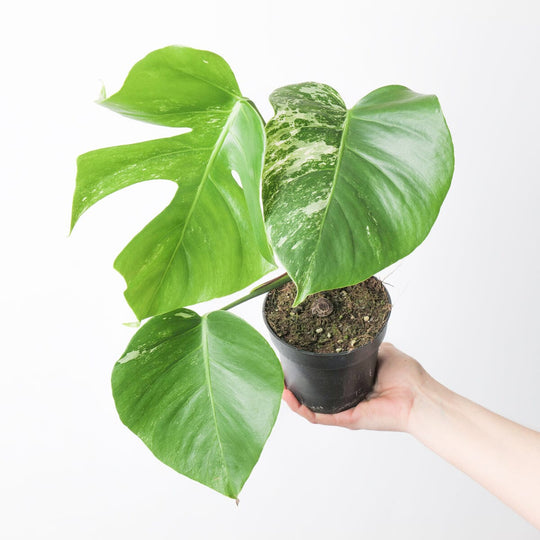
    Imperfect Monstera deliciosa Albo Variegata 15cm Light Variegation Plants GrowTropicalsSale
    Monstera Albo

    Imperfect Monstera deliciosa Albo Variegata

    £17.99 £33.99
    1
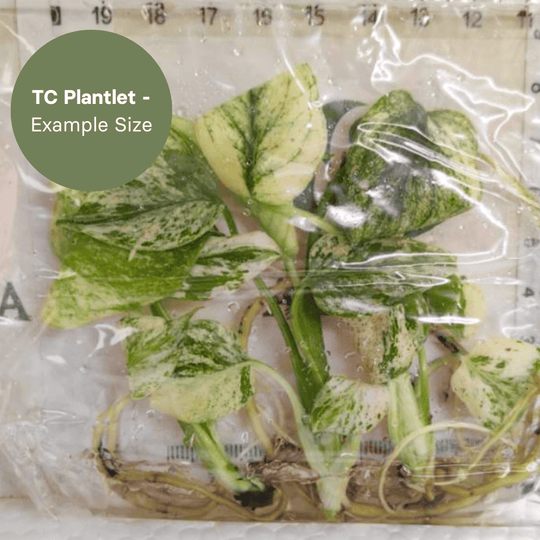
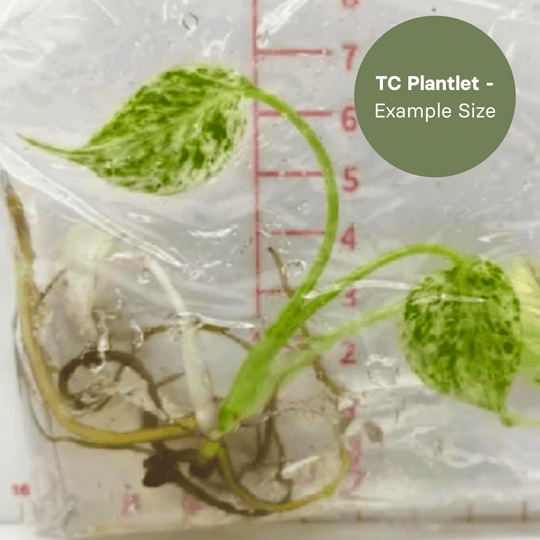
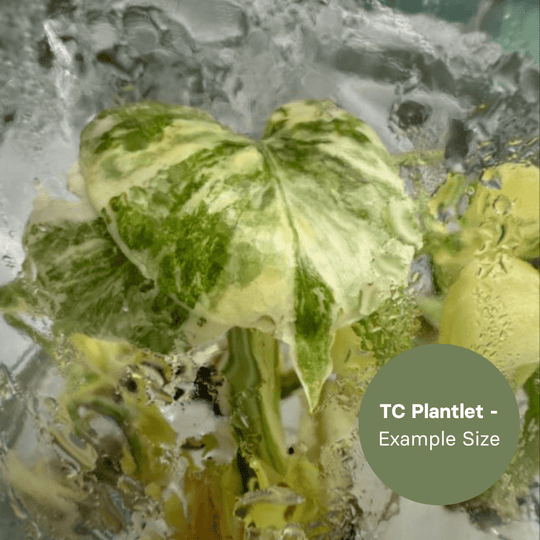
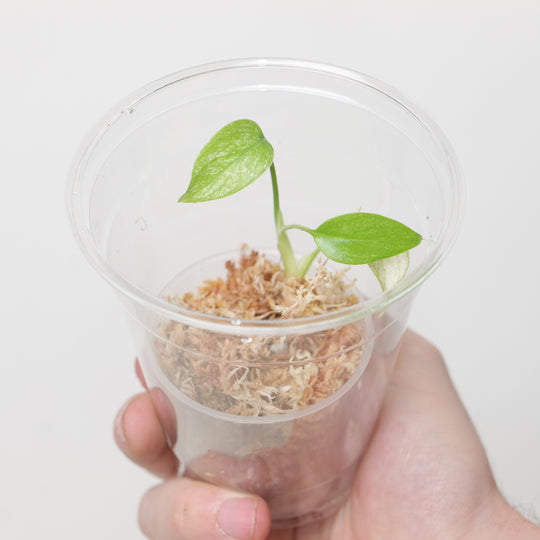
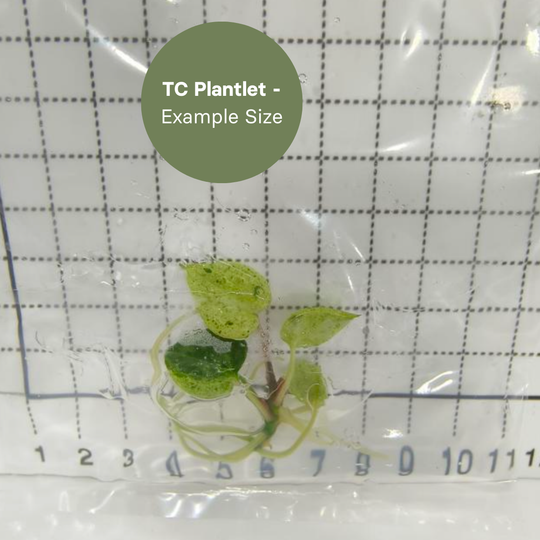
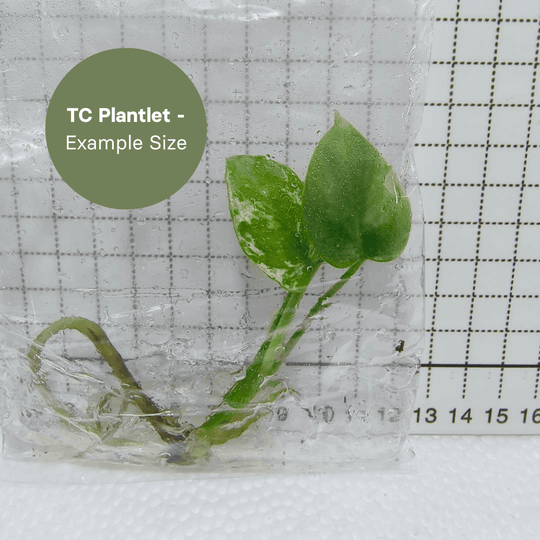
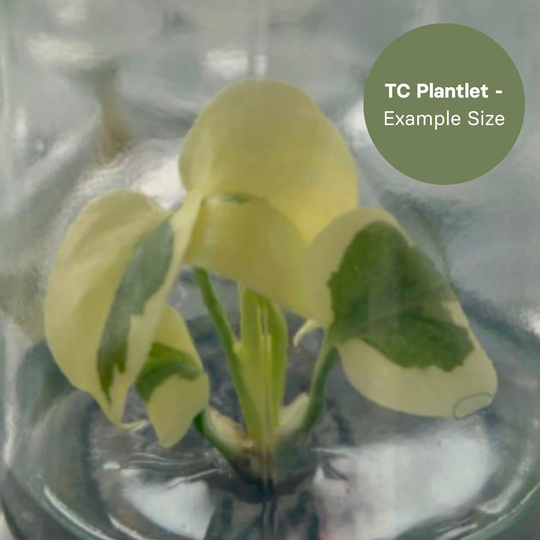
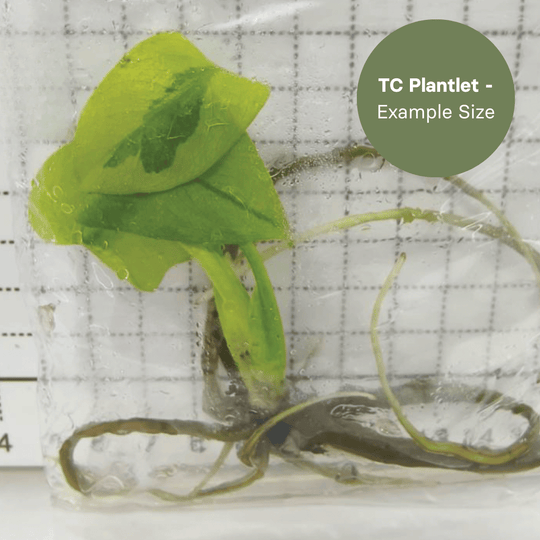
    Monstera bulbasaur (TC Plantlet) - Preorder Plants GrowTropicalsSale
    1
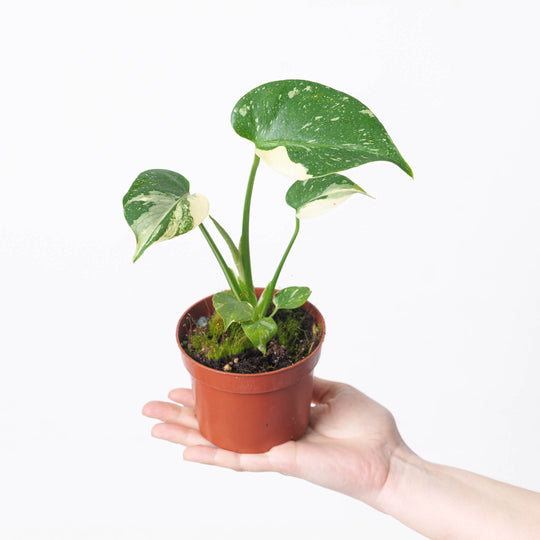
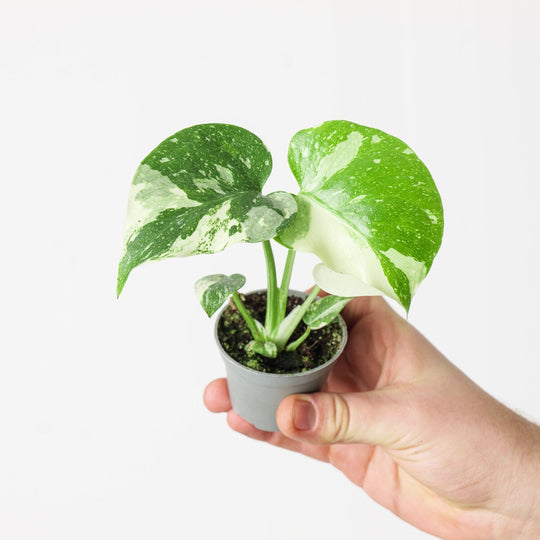
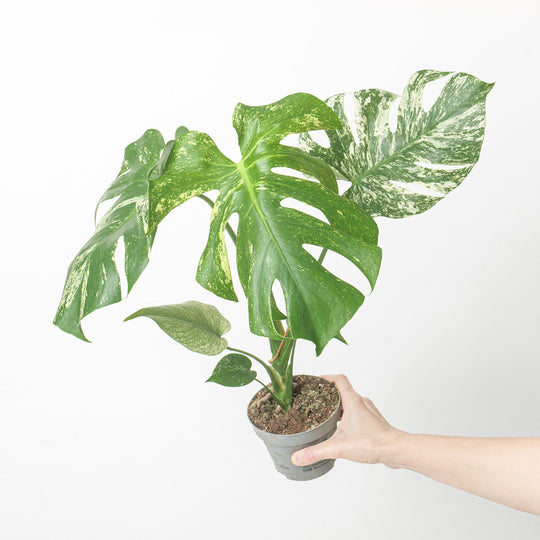
    Monstera deliciosa 'Thai Constellation' 6cm Plants GrowTropicalsSale
    Variegated Swiss Cheese Plant

    Monstera deliciosa 'Thai Constellation'

    £11.99 £19.99
    1
    Imperfect Monstera 'Thai Constellation' 11cm (Rescue) Plants GrowTropicalsSale

    Imperfect Monstera 'Thai Constellation'

    £9.99 £15.99
    1
    Monstera 'Burle Marx Flame' 6cm Plants GrowTropicalsSale

    Monstera 'Burle Marx Flame'

    £16.99 £18.99
    1
    Monstera Deliciosa 12cm Plants GrowTropicals
    Swiss Cheese Plant

    Monstera Deliciosa

    £11.99
    1
    Imperfect Monstera deliciosa Albo Variegata Plants GrowTropicalsSale
    Monstera Albo

    Monstera deliciosa Albo Variegata

    £37.99 £39.99
    1
    Monstera obliqua 'Peru Form' 6cm Plants GrowTropicalsSale

    Monstera obliqua 'Peru Form'

    £12.99 £15.99
    1
    Monstera Dubia 14cm on Coir Plants GrowTropicalsSale
    Shingling Monstera

    Monstera Dubia

    £37.99 £43.99
    1
    Imperfect Monstera deliciosa 'Creme Brulee' Plants GrowTropicalsSale
    Cream Variegated Monstera

    Imperfect Monstera deliciosa 'Creme Brulee'

    £59.99 £69.99
    1
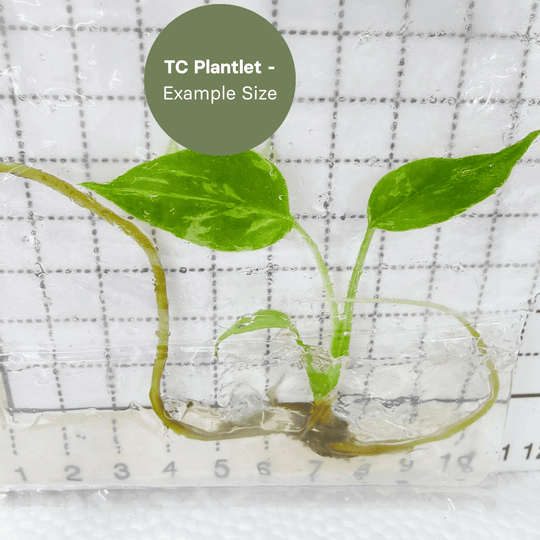
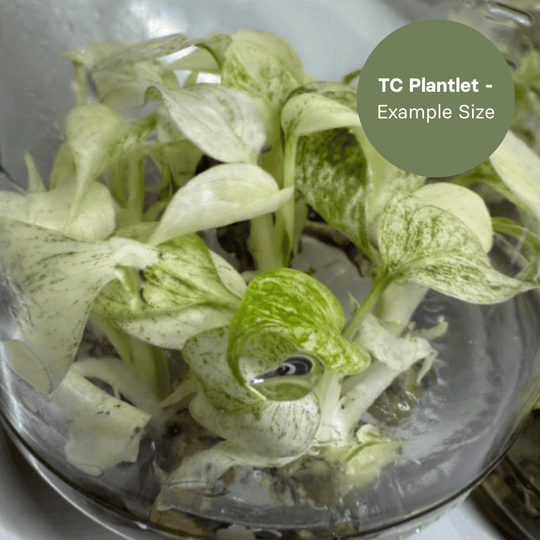
    Monstera Mint Thailand (TC Plantlet) - Preorder Plants GrowTropicals
    1
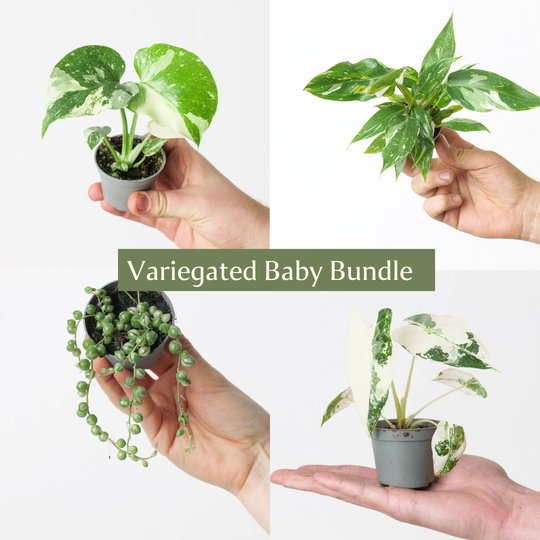
    Variegated Baby Bundle Plant Bundle GrowTropicalsSale

    Variegated Baby Bundle

    £85.99 £95.96
    1
    Monstera adansonii var. laniata 'GT2 Clone' 6cm Plants GrowTropicalsSale
    1
    Monstera obliqua 'Amazonas, Peru Form' Plants GrowTropicals
    1
    Monstera obliqua 'Panama' Plants GrowTropicals
    1
    Rare Beginner's Bundle Plant Bundle GrowTropicalsSale

    Rare Beginner's Bundle

    £96.99 £112.99
    1
    Monstera dissecta 9cm Plants GrowTropicals
    1
    Monstera adansonii 'Janda Bolong'
    1
    Monstera Adansonii 'European Mint' 12cm Plants GrowTropicalsSale
    1
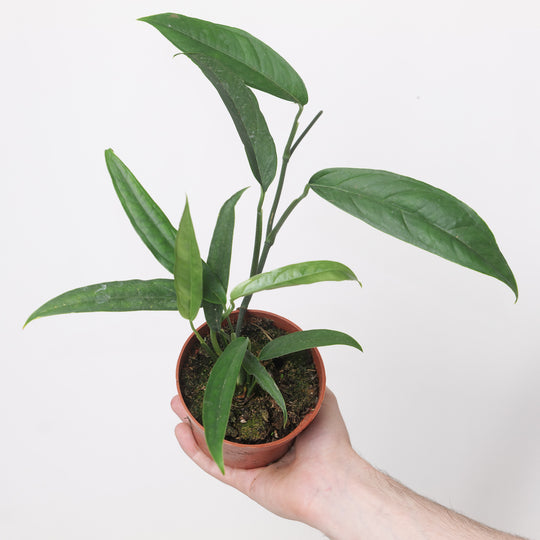
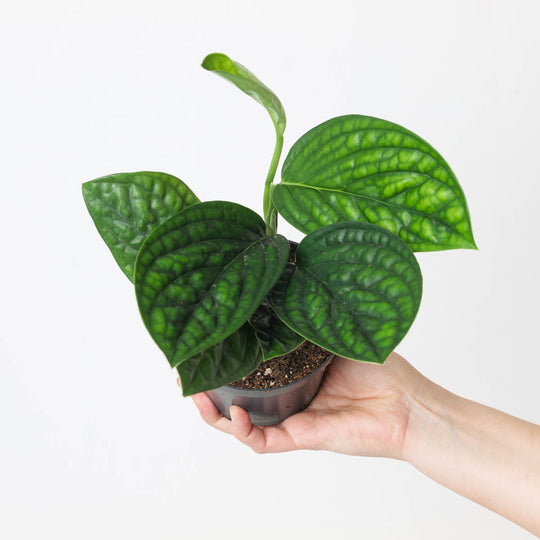
    Monstera Standleyana 13cm Plants GrowTropicals
    Philodendron Cobra

    Monstera Standleyana

    £18.99 £21.99

    The Growtropicals Guide to Monstera

    Monstera Species: Beginner Classics to Rare Collectors

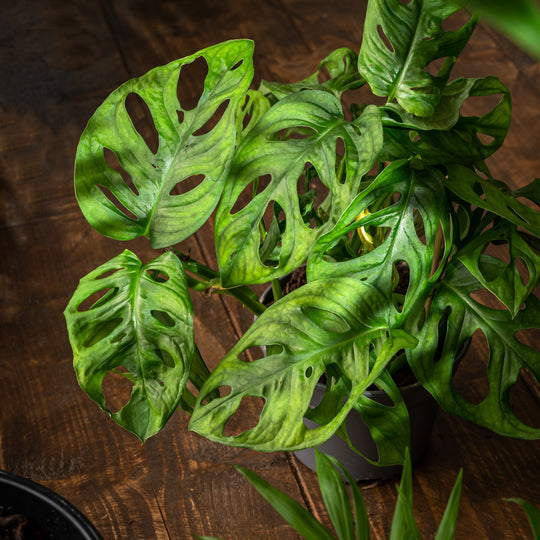
    The Monstera genus spans around 50 species, ranging from the indispensable to the genuinely extraordinary. Monstera deliciosa is the most widely grown: a vigorous climber producing large, deeply fenestrated leaves that become more dramatic with every new flush. M. adansonii (the Swiss cheese vine) is a fast-growing, trailing alternative with smaller, more heavily perforated leaves, well-suited to a hanging pot or shelf edge.

    At the collector end, variegated cultivars are some of the most sought-after plants in the hobby. Thai Constellation carries stable, cream-splashed variegation across large, fenestrated leaves. Albo Variegata produces bold white sectors and half-moon patterns, and is notoriously variable. For something rarer still, M. cf. obliqua and M. dubia are true collector pieces, both highly unusual in cultivation.

    How to Care for Monstera Plants

    Monstera prefer bright indirect light. Direct sun will scorch the leaves; too little light slows growth and reduces fenestration. Most species grow quickly in the right conditions, producing one to two new leaves per month in summer. A sturdy climbing support encourages larger, more fenestrated leaves: without one, the plant will still grow but the leaves remain smaller.

    Water when the top 3 to 4 cm of substrate feels dry. Monstera are forgiving of occasional dry spells but dislike sitting in waterlogged compost. A free-draining mix is essential; our houseplant substrates include aroid-appropriate options. Feed every two to four weeks during the growing season. All Monstera appreciate humidity above 50%, though M. deliciosa tolerates typical household levels well. For broader aroid care context, see our aroid collection.

    Choosing the Right Monstera for Your Space

    New to Monstera? Monstera deliciosa is the natural starting point: tolerant, widely available, and spectacular at maturity. If space is limited, M. adansonii trails beautifully from a shelf or hanging pot and grows quickly with minimal fuss. Both are considered among the easiest of all tropical houseplants.

    For collectors, our range of variegates and rare species goes considerably further. Thai Constellation is a good entry point into variegated Monstera as its patterning is stable and tissue-cultured plants are more consistent than Albo. If you are after something truly unusual, M. siltepecana, M. pinnatipartita and the various obliqua forms are all worth exploring. All our plants are nursery-grown in the UK. Nothing is wild-collected.
    Frequently Asked Questions

    Under good conditions, Monstera deliciosa is a moderately fast grower, producing one to two new leaves per month during summer. Growth slows significantly in winter when light levels drop. A climbing support, such as a moss pole, encourages the plant to produce progressively larger and more fenestrated leaves as it gains height.

    Monstera adansonii tends to grow faster than deliciosa in comparable conditions, making it a rewarding choice if you want to fill a space quickly. Variegated cultivars such as Thai Constellation grow more slowly, as the variegated areas contain less chlorophyll and produce energy less efficiently than all-green leaves.

    Young Monstera plants produce entire leaves without fenestration. Holes and slits develop as the plant matures, typically from the fifth to seventh leaf onwards in good conditions. This is normal. Monstera deliciosa produces its most dramatic fenestration on mature leaves in bright indirect light; insufficient light is the most common reason for poor or absent splitting.

    Providing a moss pole or climbing support also encourages larger, more fenestrated leaves, as the plant registers height as a signal to mature. If your Monstera is producing small, un-split leaves after several years, check the light levels and consider whether it has adequate support to climb. M. adansonii develops its characteristic perforations earlier than deliciosa and is a quicker route to dramatic-looking foliage.

    Monstera deliciosa can reach 2 to 3 metres or more indoors when given a climbing support and adequate space. Individual leaves on mature plants can exceed 60 cm across. Growth can be managed by pruning; cuttings root readily and make excellent gifts or replacements.

    For smaller spaces, M. adansonii stays more compact and trails attractively from a shelf or hanging pot. Slower-growing collector species such as M. dubia and M. siltepecana also remain more manageable in size and suit a smaller room or shelf display.

    Yes. Monstera deliciosa contains insoluble calcium oxalate crystals and is toxic to cats and dogs if ingested. Symptoms include oral irritation, drooling, vomiting and difficulty swallowing. It is not typically life-threatening but should be kept out of reach of pets.
    All Monstera species should be treated with caution in a pet household. If you need a dramatic foliage plant in a pet-safe space, our easy care houseplants collection includes alternatives with lower toxicity risk. Always consult your vet if you suspect your pet has chewed any plant material.
    Monstera deliciosa produces large, paddle-shaped leaves with slits extending from the midrib to the outer edge. It is a robust climber that eventually needs significant height and support. Mature plants are impressive statement pieces and among the most rewarding houseplants to grow long-term.

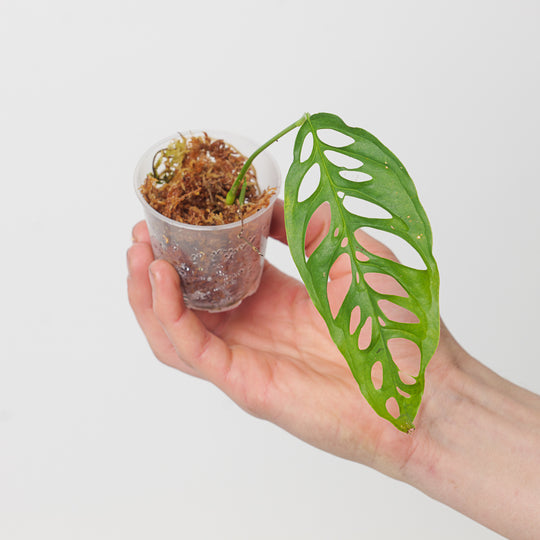
    Monstera adansonii (the Swiss cheese vine) produces smaller, more oval leaves with rounded holes punched through the centre of the leaf rather than slits to the edge. It trails and climbs readily, grows faster than deliciosa, and suits smaller spaces well. Both are excellent plants; the right choice depends on the space you have and the look you want to achieve.

    Thai Constellation care is similar to standard Monstera deliciosa, with one important difference: the cream variegated areas contain less chlorophyll and generate less energy. This means the plant needs brighter indirect light than an all-green Monstera to maintain growth and produce good patterning. Avoid direct sun, which will scorch both the green and variegated portions of the leaf.

    Water, feed and repot as you would any Monstera: allow the top few centimetres of substrate to dry between waterings, feed every two to four weeks in the growing season, and use a free-draining aroid substrate. Thai Constellation is tissue-cultured and produces stable, consistent variegation. Growth is slower than an all-green plant but more predictable than Albo Variegata, which can revert or produce all-white, non-viable leaves.