Cacti


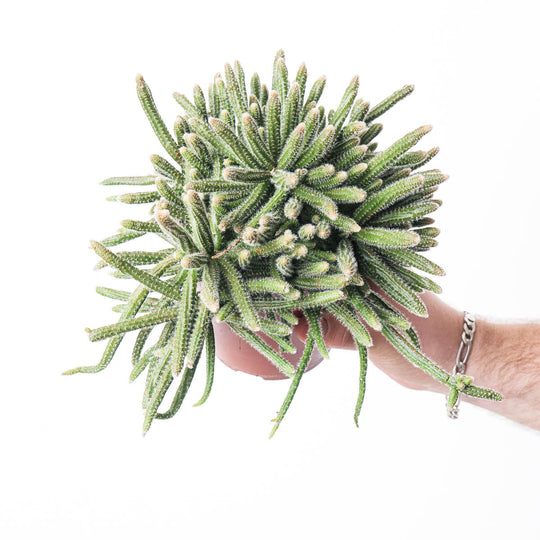
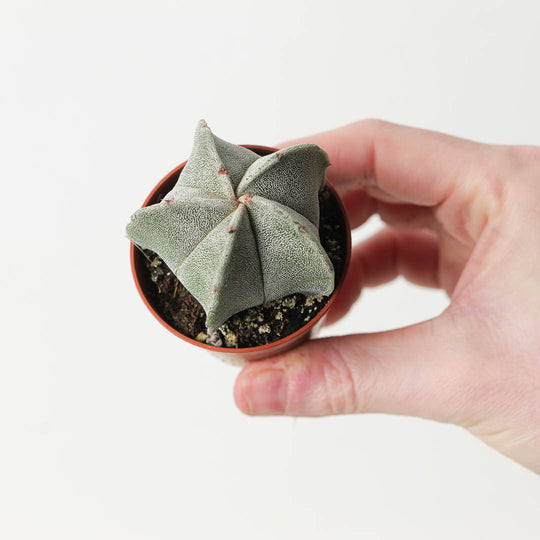
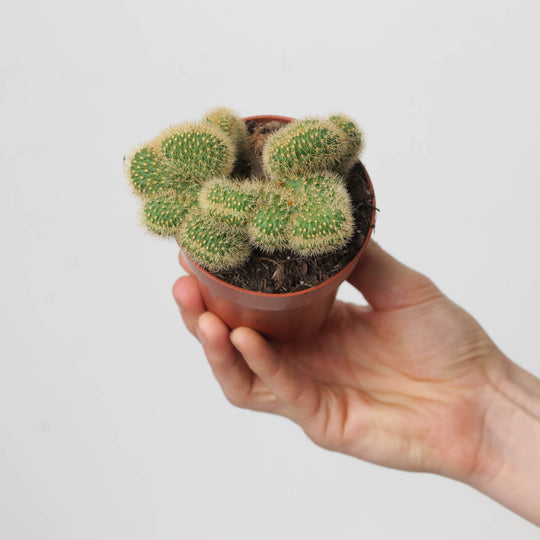
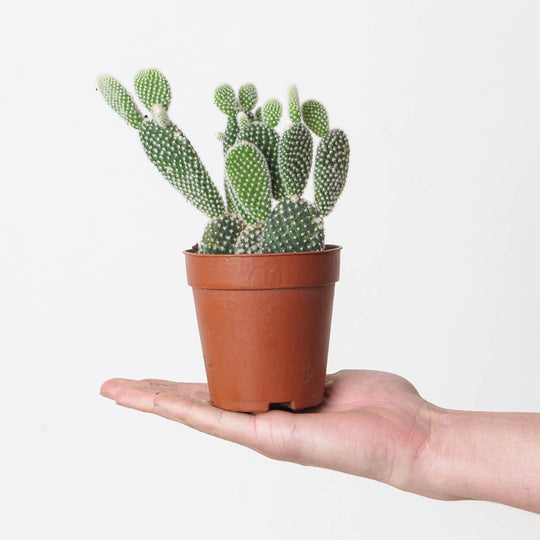
Cacti are the great minimalists: sculptural, slow-growing and happy with your sunniest sill and very little else. Highlights include Gymnocalcium variegata, Opuntia consolea and Opuntia 'Jamaican Ghost'. They sit naturally beside our wider succulent collection, or browse all houseplants.

8 products
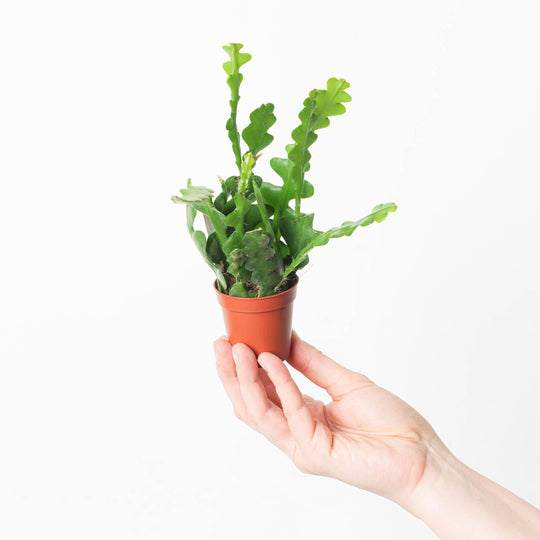
    8 products
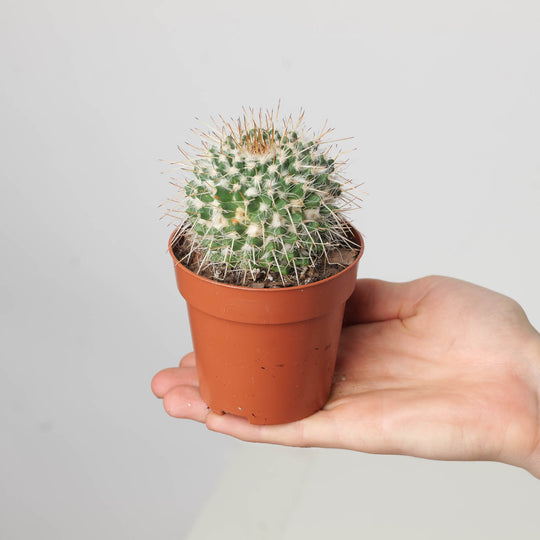
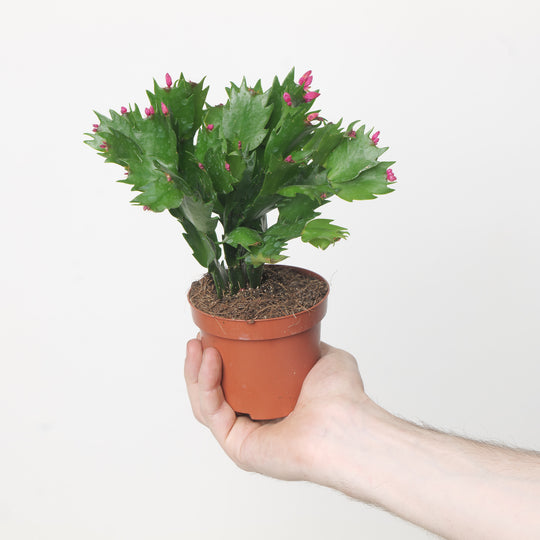
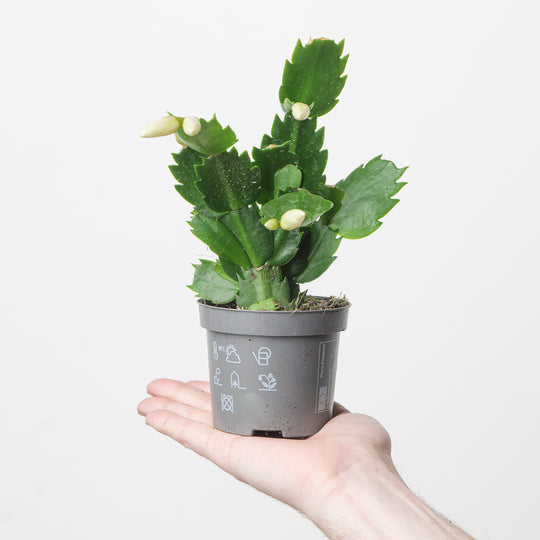
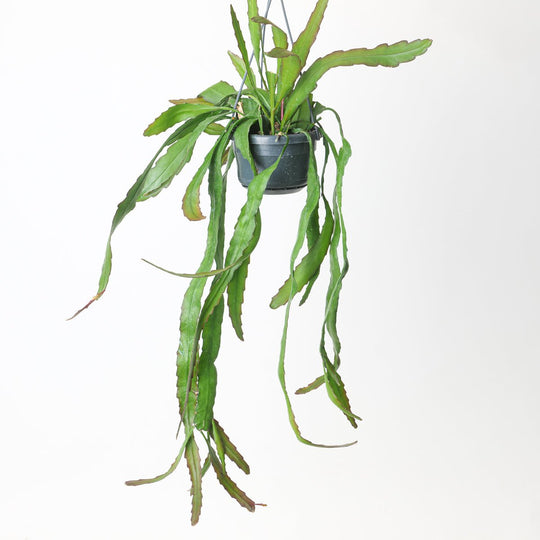
    Schlumbergera truncata 'Pink' 9cm Plants GrowTropicals
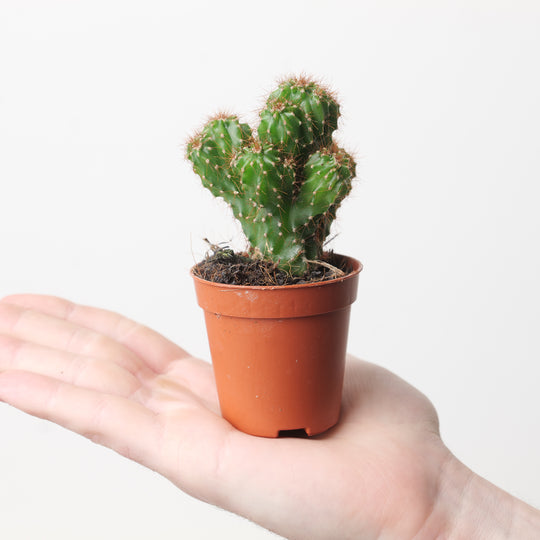
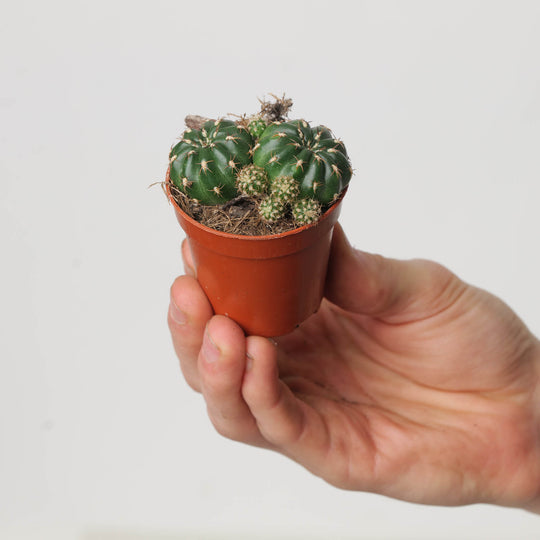
    Pink Thanksgiving Cactus

    Schlumbergera truncata 'Pink'

    £7.99
    1
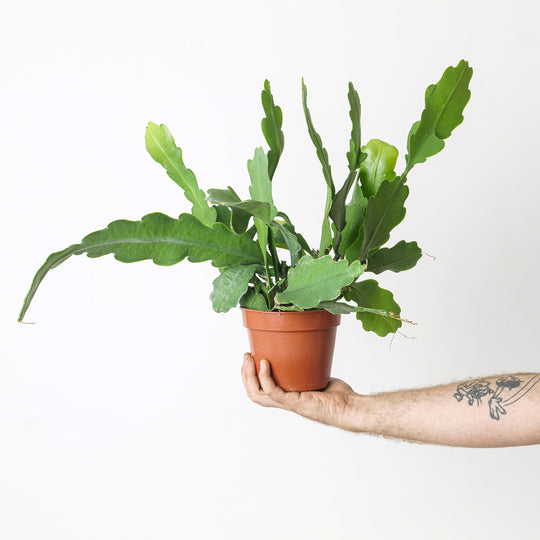
    Hylocereus undatus (Dragon Fruit Cactus) Plants GrowTropicalsSale

    Dragon Fruit Cactus

    Hylocereus undatus (Dragon Fruit Cactus)

    £9.49£9.99Save 5%
    1
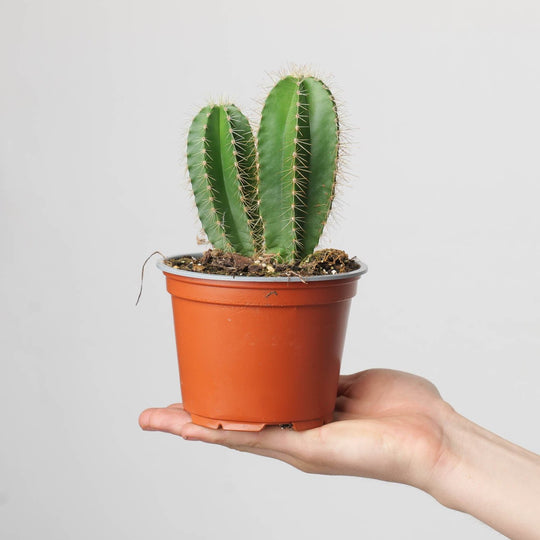
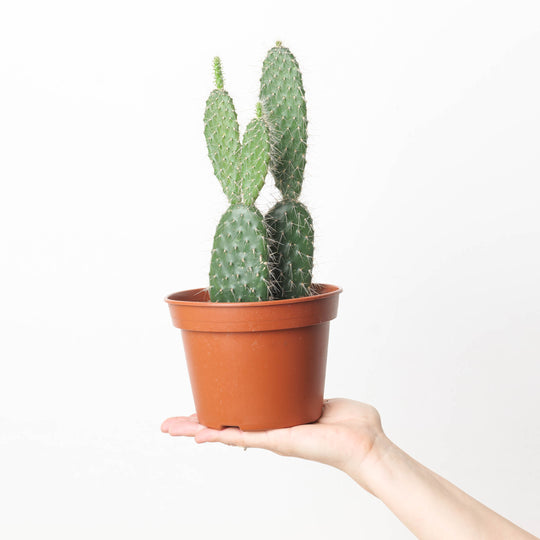
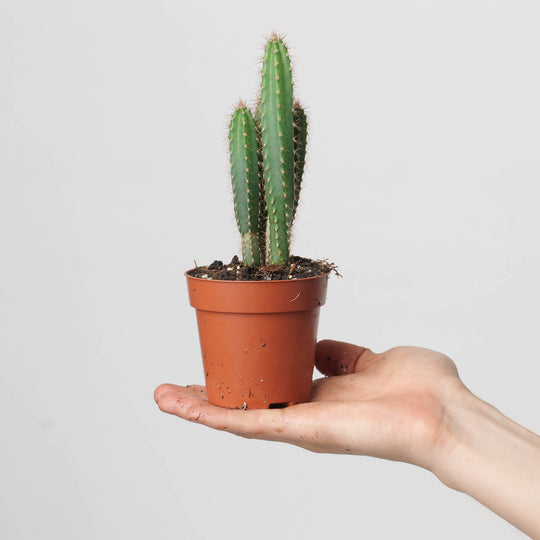
    Opuntia consolea 17cm Plants GrowTropicalsSale

    Roadkill Cactus

    Opuntia consolea

    £34.99£39.99Save 12%
    1
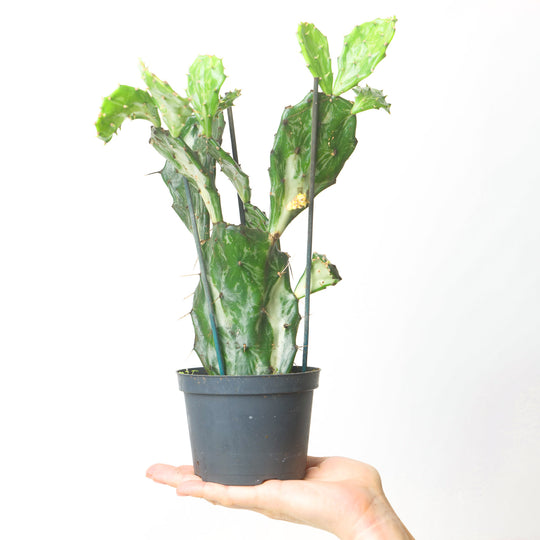
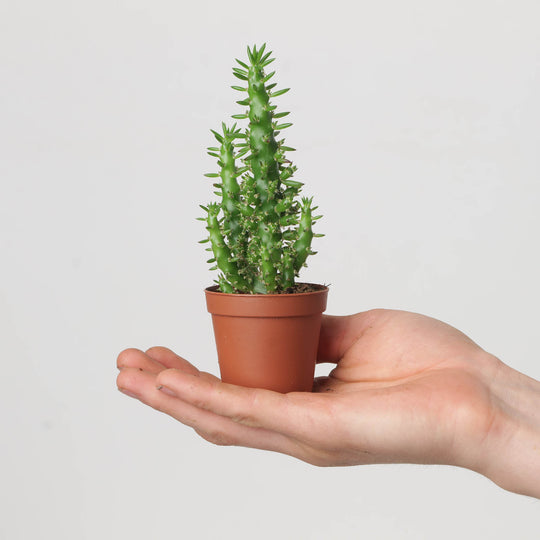
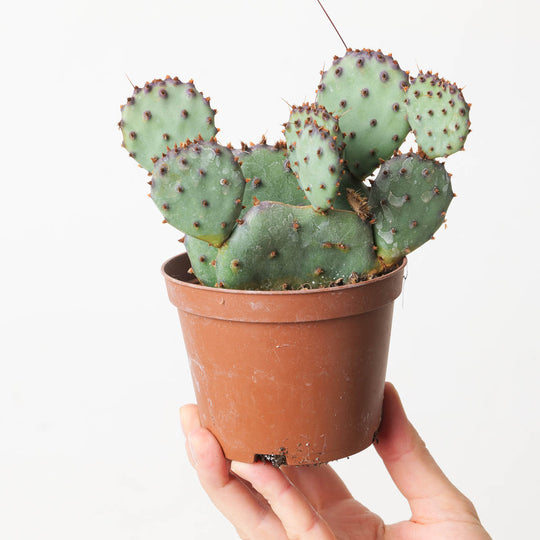
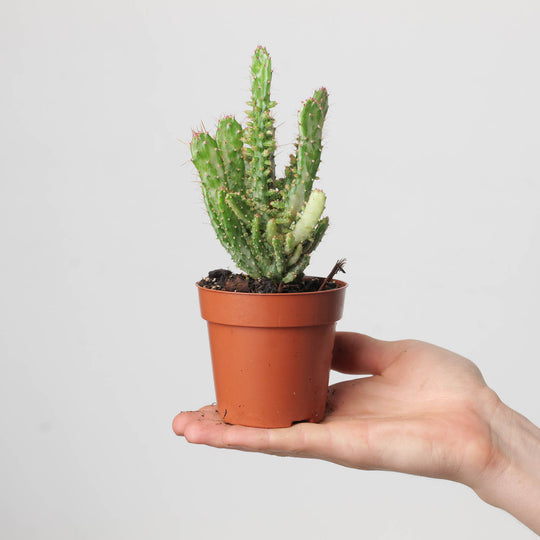
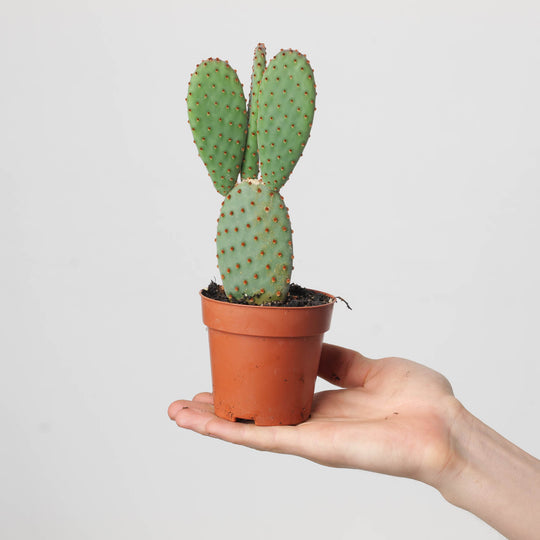
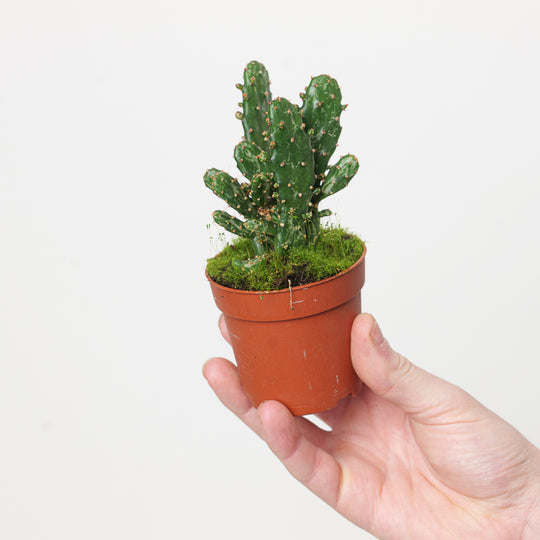
    Opuntia 'Jamaican Ghost' Plants GrowTropicals

    Variegated Opuntia

    Opuntia 'Jamaican Ghost'

    £26.99
    1
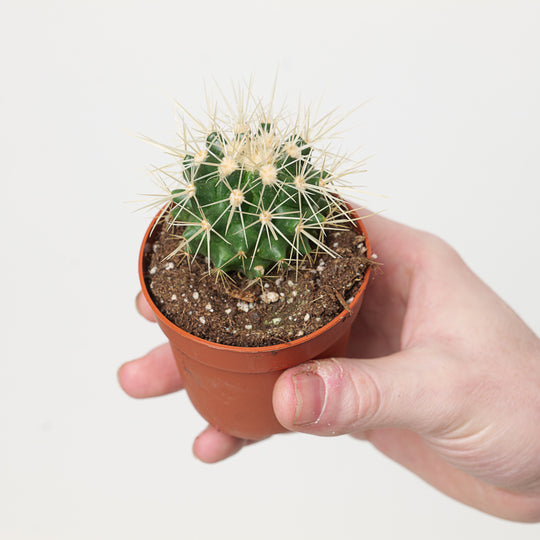
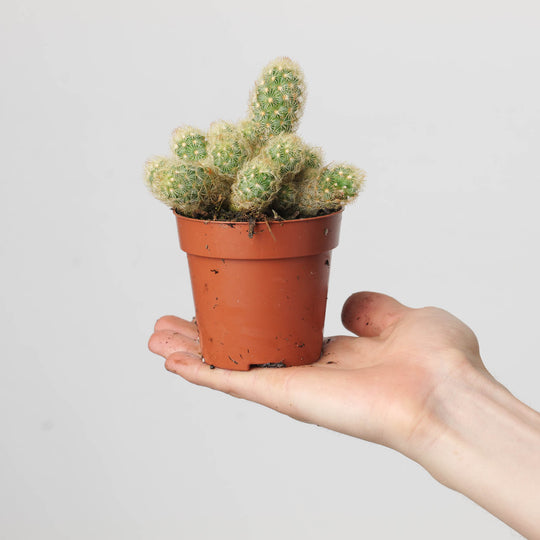
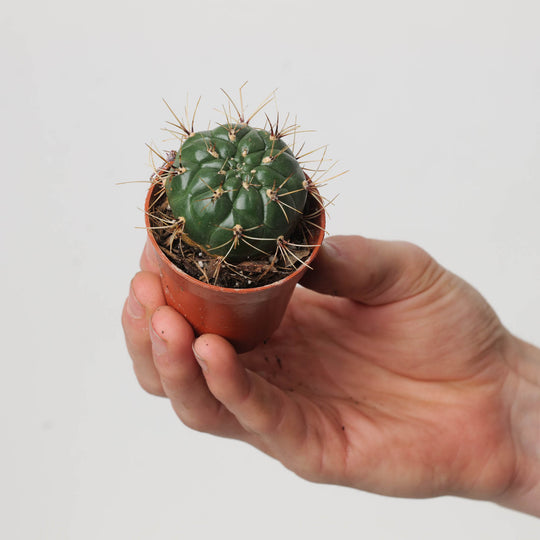
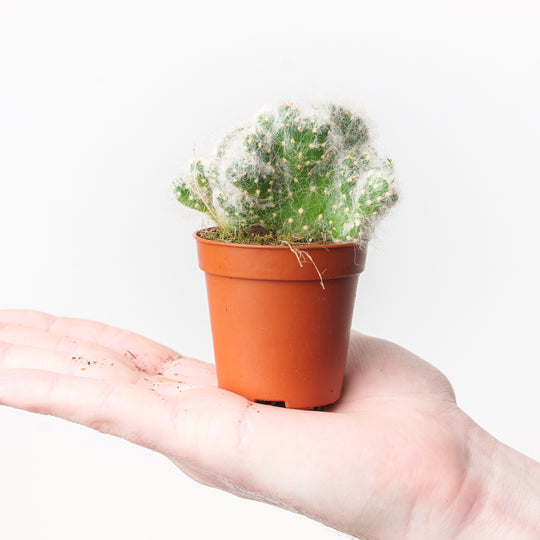
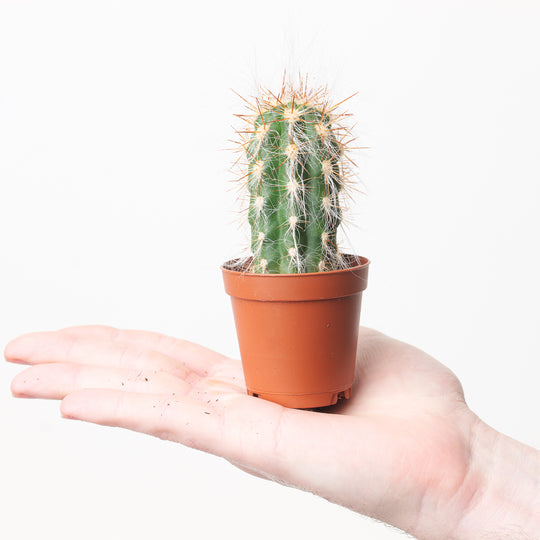
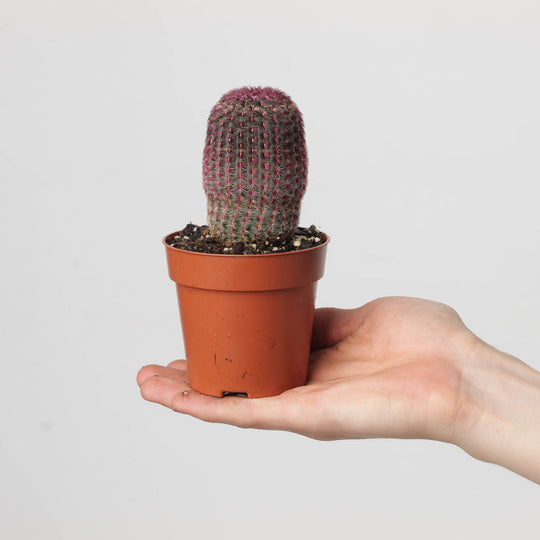
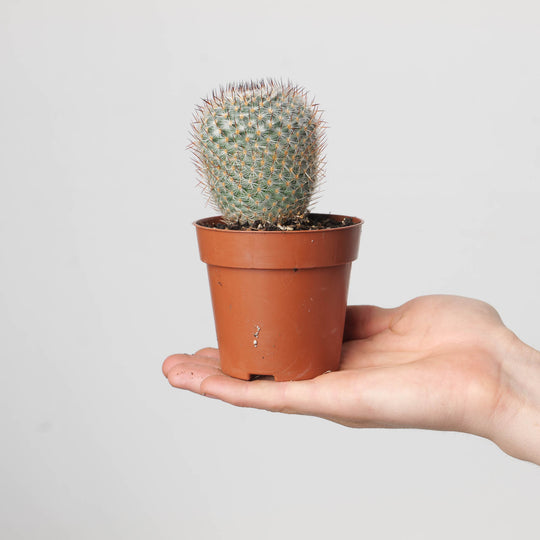
    Gymnocalcium variegata 6cm Plants GrowTropicals

    Variegated cactus

    Gymnocalcium variegata

    £15.99£18.99Save 15%

    Cactus Care Made Simple

    Understanding desert cacti

    Desert cacti such as Gymnocalcium variegata are built for extremes: full sun, sharp drainage and long droughts punctuated by occasional soakings. Recreate that rhythm indoors and they are close to indestructible. The classic mistakes are kindness in disguise: too much water, too little light.

    Growth is slow and that is part of the charm. A cactus is a long-term resident that keeps its sculptural form for years, making species like Opuntia consolea ideal for bright, minimal interiors.

    A simple care rhythm

    From spring to autumn, water thoroughly once the compost has fully dried, then leave well alone. Through winter, keep the plant cool if possible and nearly dry; this rest period is what triggers flowering in many species, including Opuntia 'Jamaican Ghost'.

    Use a gritty cactus substrate and a pot with drainage, and handle with folded newspaper or thick gloves. Explore our succulents for the spineless relatives, or add Schlumbergera truncata 'Pink' to a bright sill.

    Frequently Asked Questions

    In the growing season, water thoroughly whenever the compost has dried out completely, typically every two to three weeks. In winter, reduce to barely monthly, or not at all if the plant sits somewhere cool.

    The roots rot quickly in standing moisture, so drainage matters more than frequency.

    Yes, given your brightest window. South facing sills are ideal; most desert cacti want several hours of direct sun to hold their shape and colour.

    A cooler, drier winter rest, even just a few degrees cooler, keeps growth compact and encourages flowers in many species from the cacti collection.

    A soft, discoloured cactus has usually been overwatered, and the base is the first place to check. Healthy tissue is firm; soft brown tissue indicates rot.

    Let the compost dry out fully and hold off watering. If rot has taken the base, the healthy top can sometimes be cut, dried for a week and re-rooted.

    Many do, reliably, once mature. The trigger is usually a cool, dry winter rest followed by spring warmth and the return of watering.

    Mammillaria and Gymnocalycium are among the most generous indoor flowerers, often blooming while still small.

    The spines are the main hazard rather than toxicity, so position cacti out of reach of small hands, paws and passing tails.

    Check each product page for the specific toxicity note, as a few species also have irritant sap.