Why Climbing Houseplants Grow Bigger on a Support
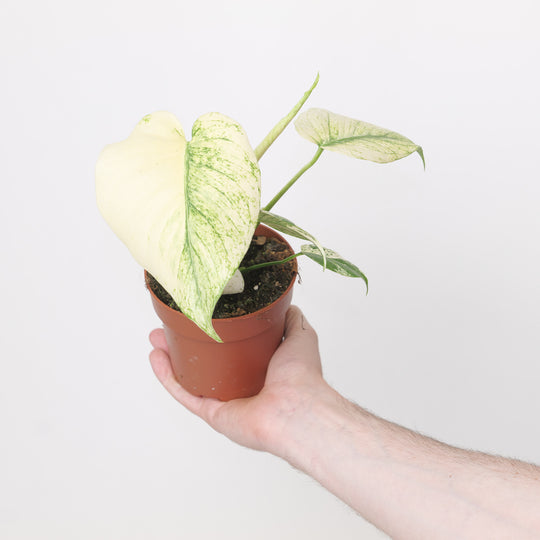
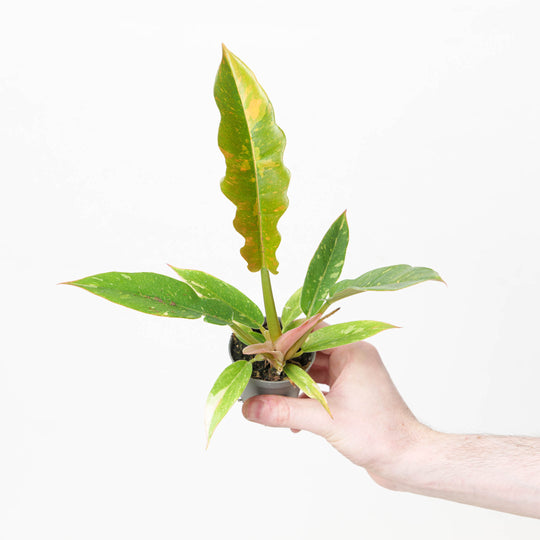
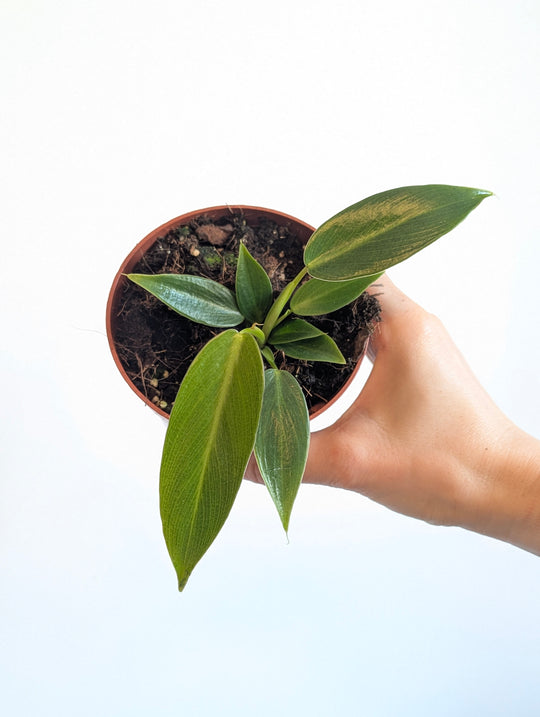
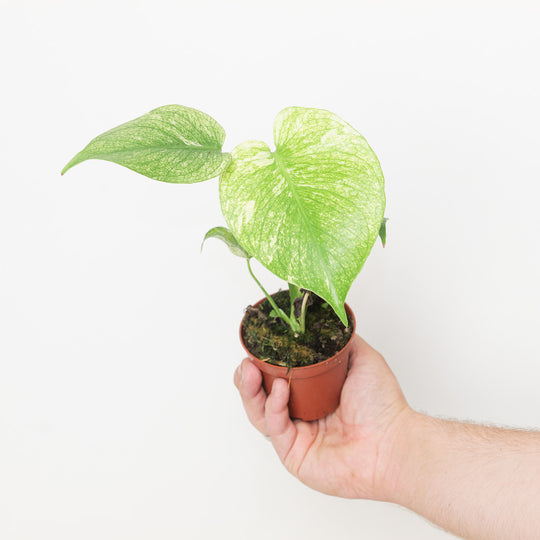
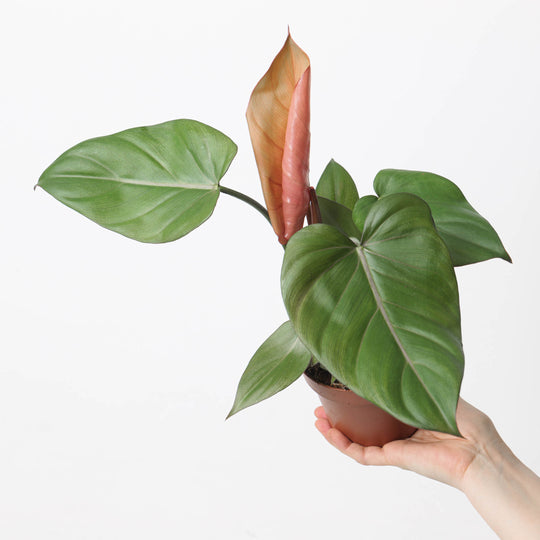
In the wild, climbing aroids like Monstera deliciosa and Philodendron melanochrysum scale tree trunks to reach the canopy. When their aerial roots grip a surface, it triggers a growth response: bigger leaves, shorter internodes and stronger colouring. A moss pole or coir totem replicates this indoors. Without a support, many climbers revert to trailing with smaller, juvenile foliage.
Best Climbing Plants for Beginners
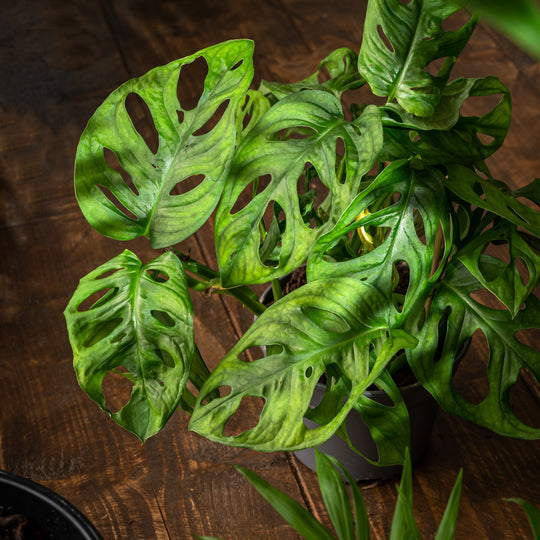
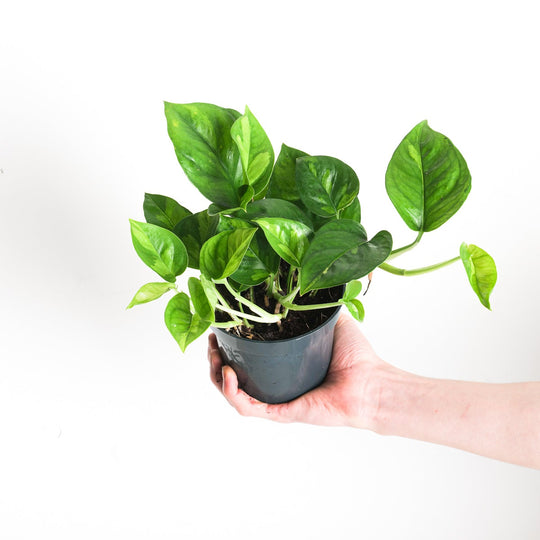
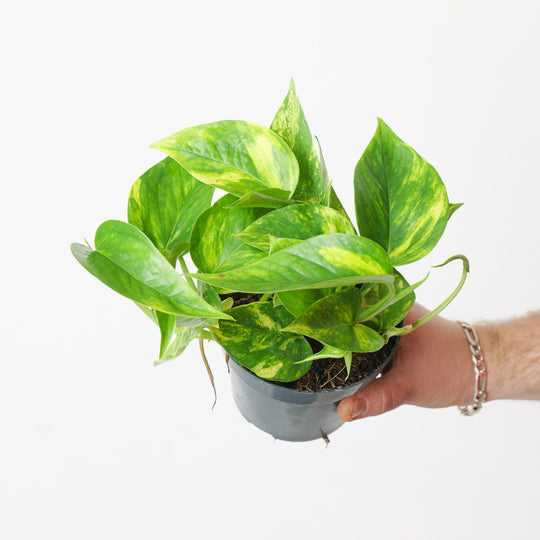
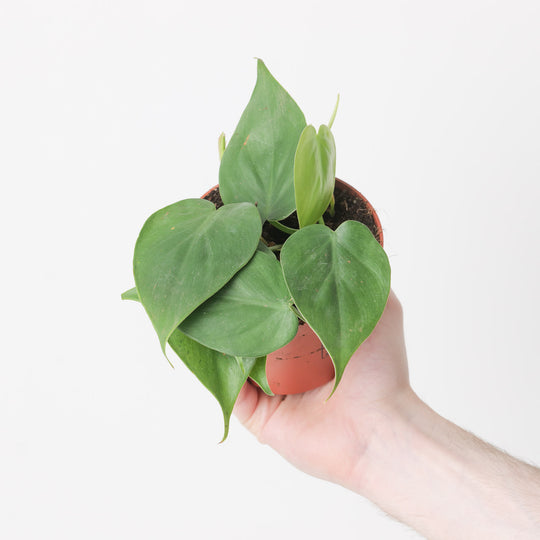
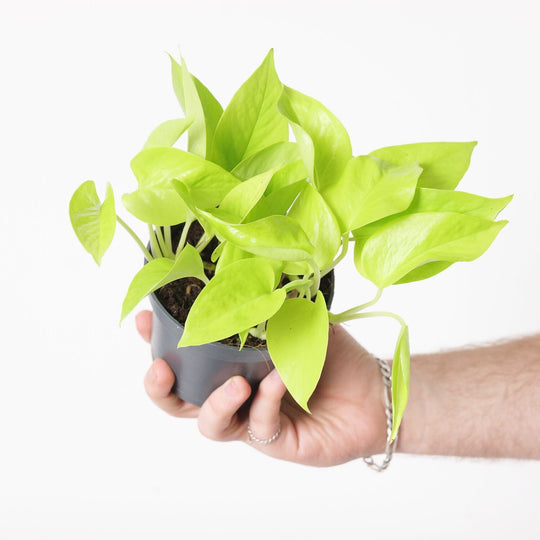
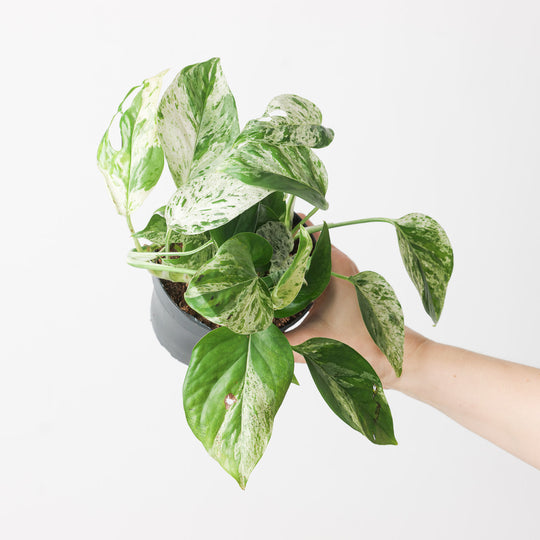
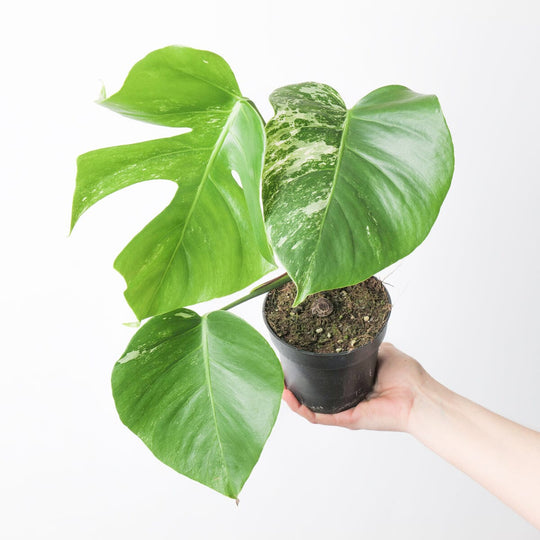
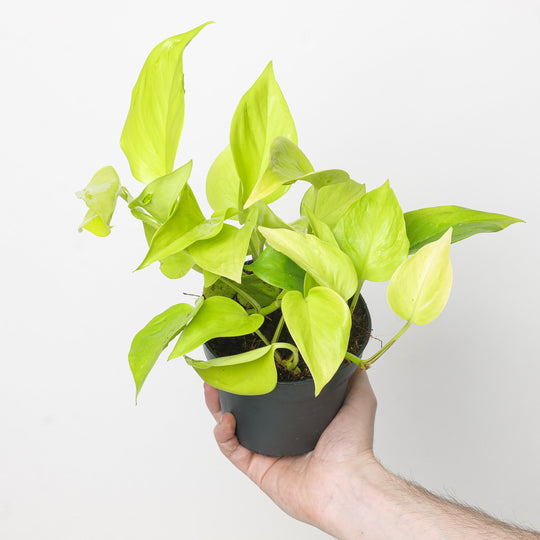
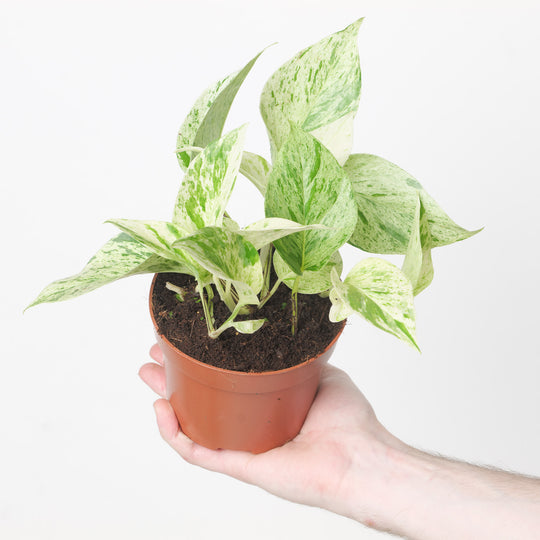
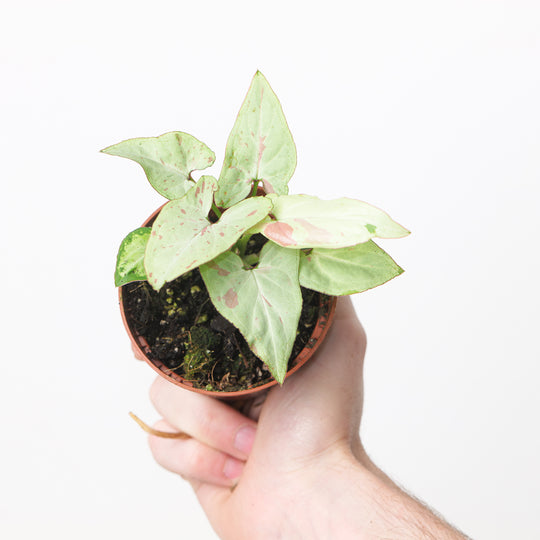
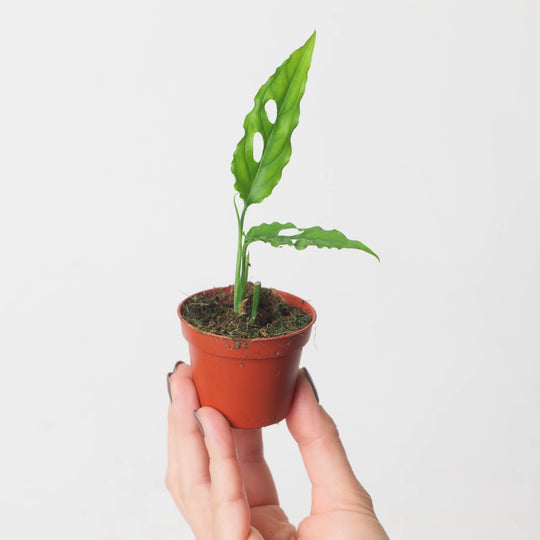
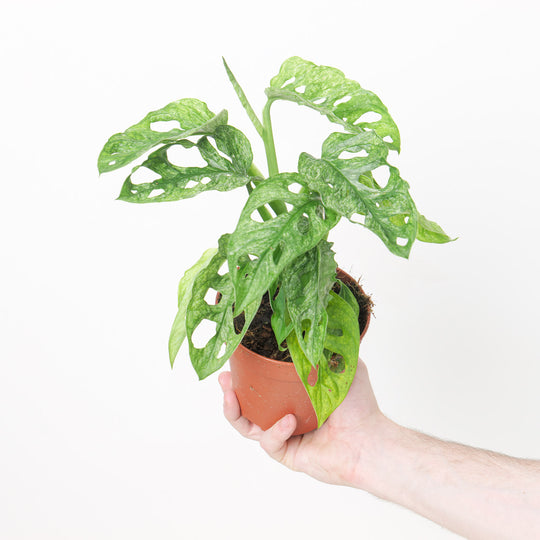
Golden Pothos is one of the easiest climbers to start with. It attaches readily to a moss pole and tolerates a wide range of light levels. Monstera adansonii is another fast grower that produces its characteristic fenestrated leaves more reliably when climbing. Syngonium species are compact climbers that work well in smaller spaces.
How to Train a Climbing Houseplant
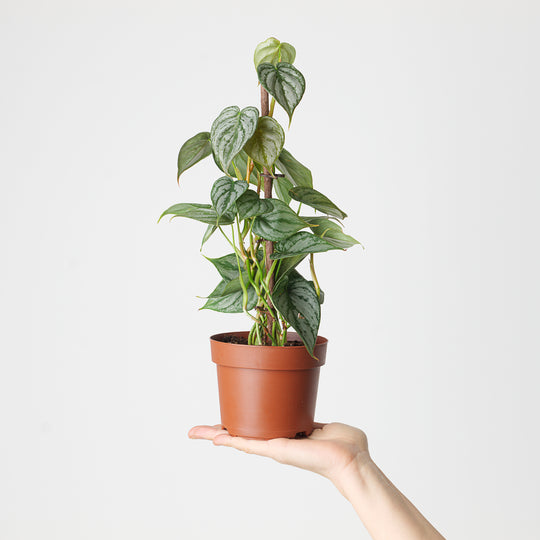
Start by inserting a moss pole, coir totem or bamboo trellis into the pot at repotting time. Gently tie the main stem to the support using soft plant ties or strips of old tights. As the plant grows, its aerial roots will begin gripping the support on their own. Keep the moss pole lightly moist to encourage root attachment.
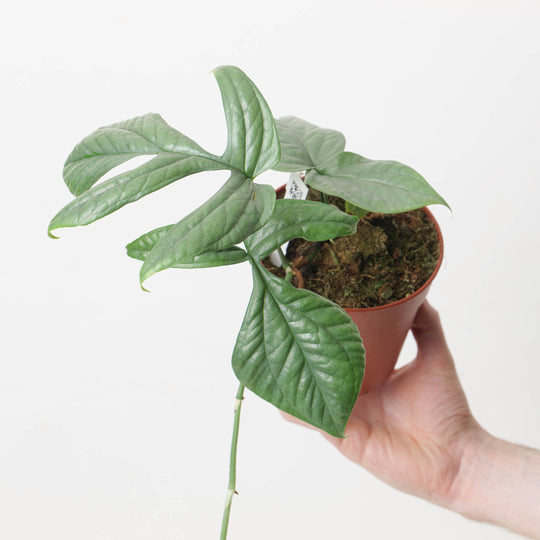
For wall-trained plants, use small adhesive hooks or a wire grid. Rhaphidophora tetrasperma and Epipremnum pinnatum 'Cebu Blue' both climb walls effectively with this approach.
Caring for Climbing Houseplants
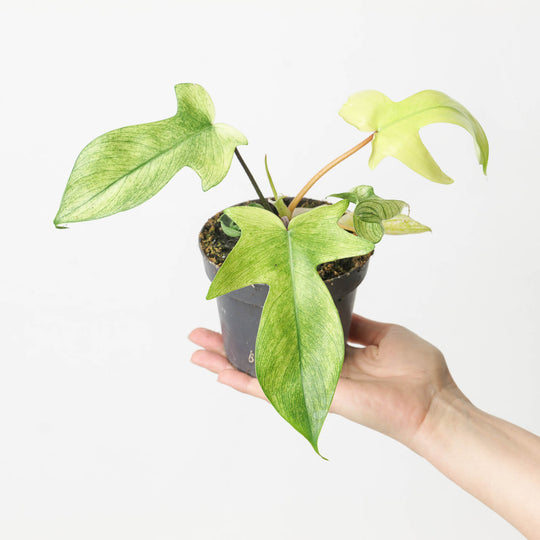
Most climbing species are tropical aroids that prefer bright indirect light, consistent moisture and good humidity. Water when the top 2 to 3 cm of compost feels dry. Feed every two to four weeks during spring and summer with a balanced liquid fertiliser. Higher humidity (above 50%) encourages larger leaves on species like Philodendron gloriosum and Philodendron verrucosum.
Browse Related Collections
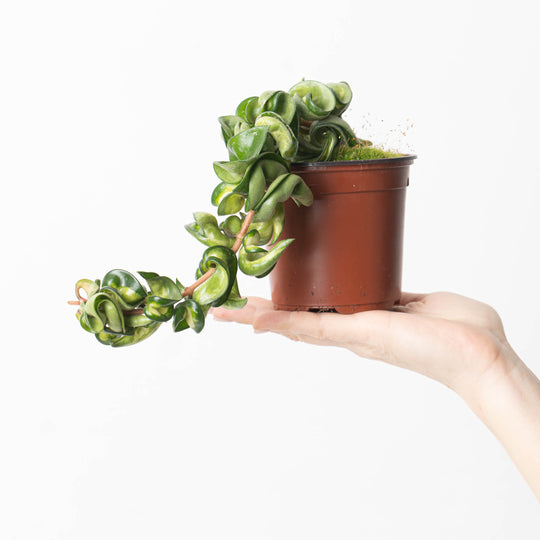
For trailing varieties that also climb when supported, browse Trailing Plants or Hanging Plants. Explore specific genera like Monstera, Philodendron and Epipremnum for deeper selection within those families.