Medicinal Plants


Plants with a long history of traditional use, grown for the home rather than the medicine cabinet. Harvest Aloe vera’s soothing leaf gel, brew herbal tea from jiaogulan or roselle hibiscus, and grow your own turmeric and galangal rhizomes at home. Part of our wider exotic edibles range.

8 products

    8 products
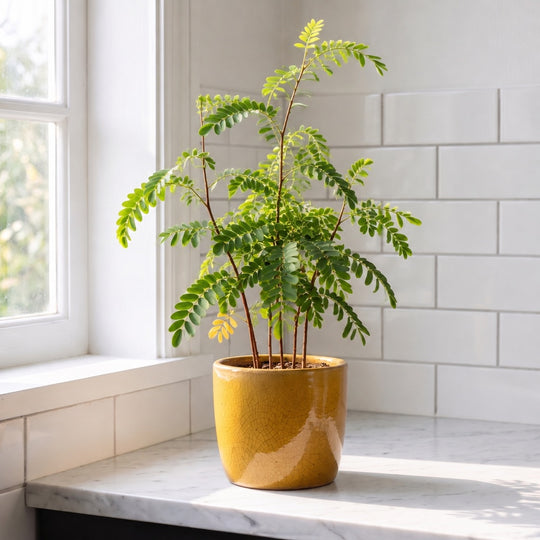
    Tamarindus indica Plants GrowTropicalsSale

    Tamarind

    Tamarindus indica

    £17.99£28.99Save 37%
    1
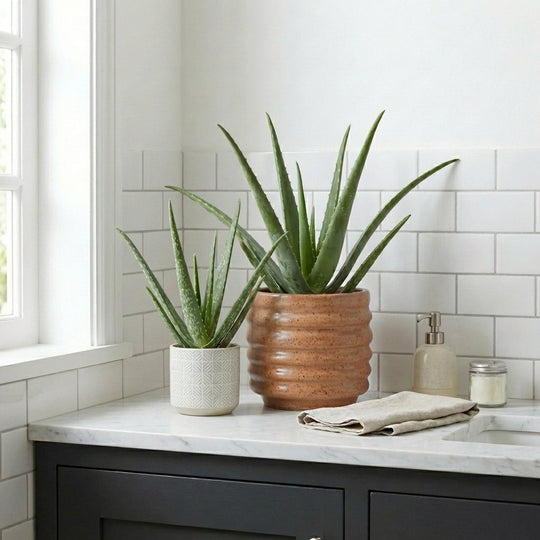
    Aloe vera Plants GrowTropicalsSale

    Aloe Vera

    Aloe vera

    £10.49£13.99Save 25%
    1
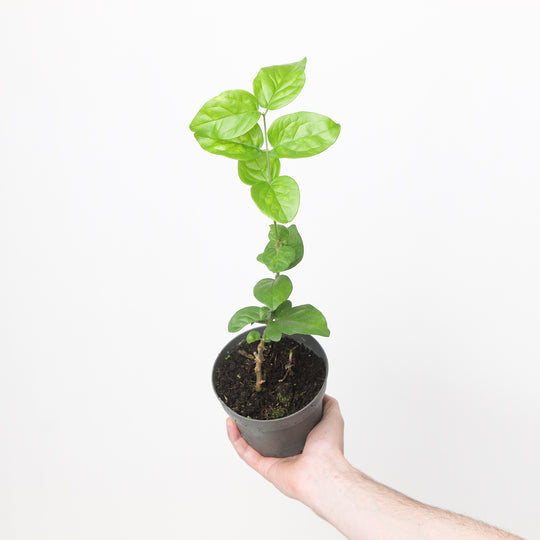
    Piper sarmentosum 12cm Plants GrowTropicalsSale

    Wild Betel Leaf (La Lot)

    Piper sarmentosum

    £22.99£39.99Save 42%
    1
    Jasminum sambac Plants GrowTropicals

    Arabian Jasmine

    Jasminum sambac

    £15.99
    1
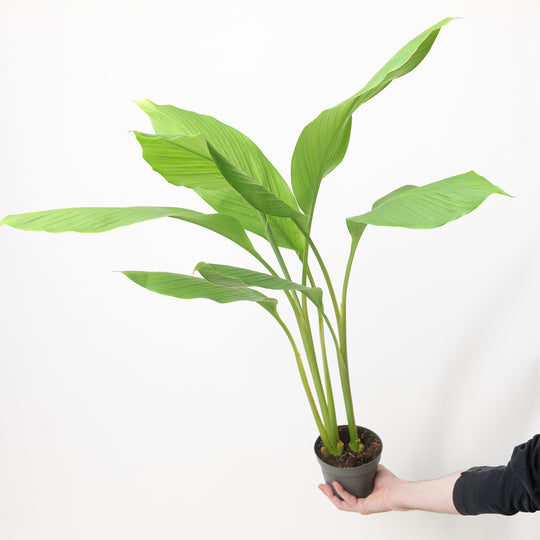
    Curcuma longa Plants GrowTropicals

    Turmeric

    Curcuma longa

    £15.99
    1
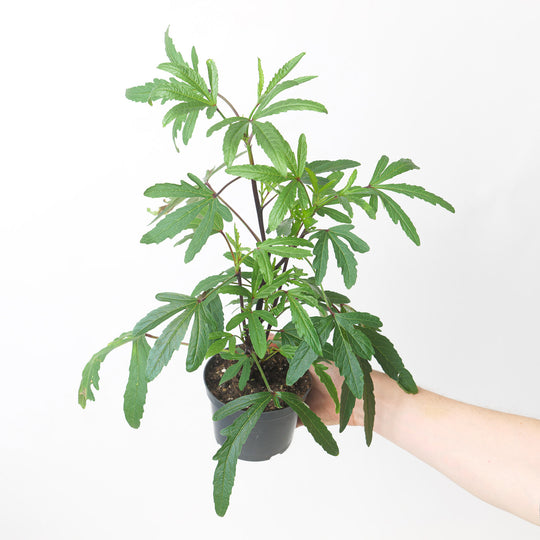
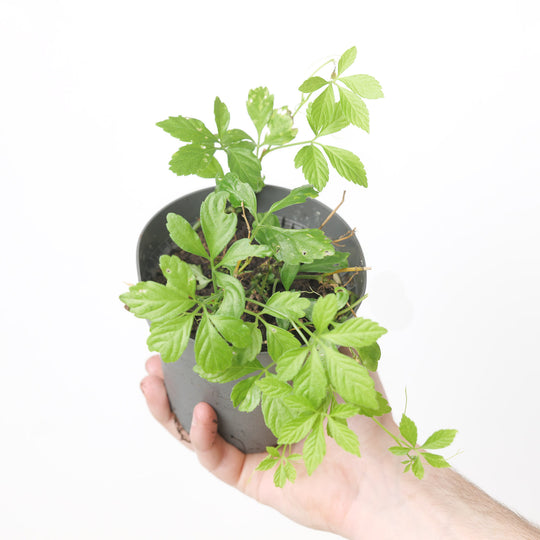
    Gynostemma pentaphyllum 12cm / 1L Plants - Outdoor GROW TROPICALS

    Jiaogulan (Sweet Tea Vine)

    Gynostemma pentaphyllum

    £15.99
    1
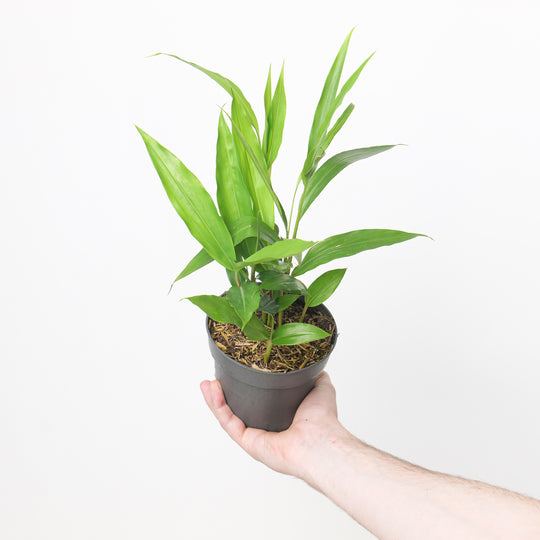
    Alpinia 'Galanga' Plants GrowTropicals

    Galangal (Thai Ginger)

    Alpinia 'Galanga'

    £18.99
    1

    Growing Medicinal Plants at Home in the UK

    A Living Apothecary Tradition

    Long before supplements came in bottles, households grew their remedies. The plants in this collection carry centuries of traditional use across Asia, Africa and the Americas, and they remain beautiful, productive plants to grow at home today. We offer them as living plants: their histories are part of the story, not medical advice.

    Herbal Teas from Your Own Plants

    Gynostemma pentaphyllum, the jiaogulan of southern China, brews into a gently sweet tea and grows with real vigour. Hibiscus sabdariffa produces the ruby calyces behind classic hibiscus tea, while the flowers of Jasminum sambac scent traditional jasmine tea.

    Spice Rhizomes: Turmeric and Galangal

    Turmeric and galangal are the kitchen gingers of South and Southeast Asia. Both grow from rhizomes you can harvest a portion of each autumn and replant in spring, with handsome tropical foliage through the summer. Tamarind and wild betel bring two more storied food and remedy plants to the collection.

    Aloe Vera: The Windowsill Classic

    Aloe vera has been grown for its soothing leaf gel for thousands of years, and it remains one of the easiest succulents to keep: bright light, infrequent water, and it quietly multiplies. A single plant becomes a lifetime supply.

    How to Grow Them in the UK

    Most of these plants are tropical, so grow them as houseplants or conservatory plants in bright light and warmth, with a summer spell outdoors once nights stay mild. The gingers die back for winter and return in spring. Every listing gives honest guidance on what each plant needs. For more crops you can grow at home, from coffee to dragon fruit, explore the full exotic edibles collection, or start simple with our easy care plants.

    Frequently Asked Questions

    Medicinal plants are species with a long history of traditional use for wellbeing: soothing leaf gel from Aloe vera, golden rhizomes from turmeric, and herbal teas brewed from leaves and flowers. Many are beautiful, rewarding plants in their own right.

    We sell them as living plants for your home and garden. The traditional uses are part of each plant’s story rather than health advice, and growing them is not a substitute for speaking to a medical professional.

    Aloe vera is the easiest by far: give it a bright windowsill, water only when the compost is fully dry, and it will thrive for years. Jiaogulan is a vigorous, forgiving climber that shrugs off most beginner mistakes.

    Turmeric and galangal grow happily from rhizomes in a warm, bright spot. The foliage dies back in winter; keep the pot barely moist and fresh shoots return in spring.

    Yes. Most of the plants in this collection are tropical or subtropical, so in the UK they are best treated as houseplants or conservatory plants: bright light, warmth, and protection from frost.

    Several enjoy a summer holiday outdoors once nights stay above 10°C, and jiaogulan is tougher than most, often coming back from the roots after a mild winter outside. Every listing states what each plant can take.

    Jiaogulan, known in China as the herb of immortality, brews into a pleasantly sweet green tea from fresh or dried leaves. Roselle hibiscus produces the deep red calyces behind classic hibiscus tea.

    Jasminum sambac is the jasmine used to scent traditional jasmine tea; a few fresh flowers dropped into green tea perfume the whole pot. You will find more tea and spice plants in our exotic edibles range.

    Choose a thick outer leaf on an established Aloe vera, cut it cleanly at the base, then slice it open and scoop out the clear inner gel, which has been used on skin for centuries. Let the yellow sap drain away first, as it can irritate.

    The plant heals the cut quickly and keeps producing new leaves from the centre, so a single healthy aloe provides an ongoing supply. Repot the offsets it produces and you will never run out.

    Treat them with the same caution as any houseplant. A traditional use for people does not make a plant safe for animals: Aloe vera in particular is toxic to cats and dogs if eaten.

    Keep these plants out of reach of curious mouths. If you share your home with pets, our pet-safe houseplants collection is the safer place to start.