Monstera Species: Beginner Classics to Rare Collectors
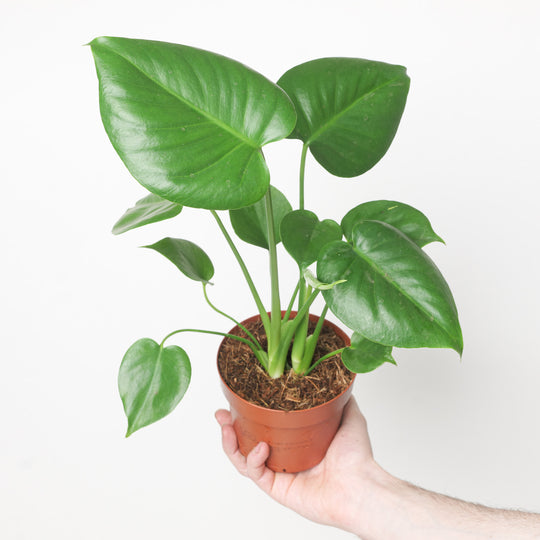
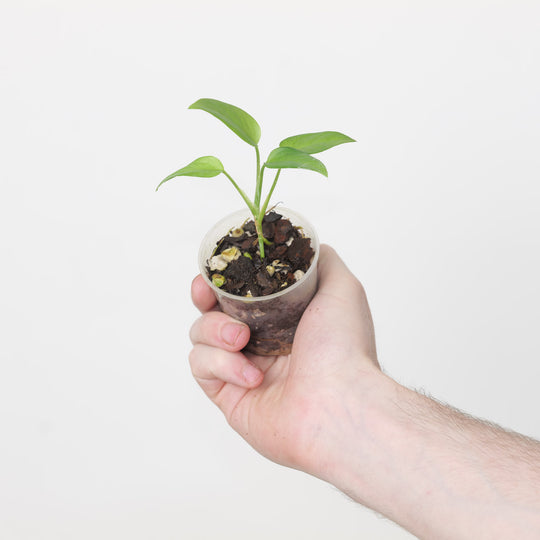
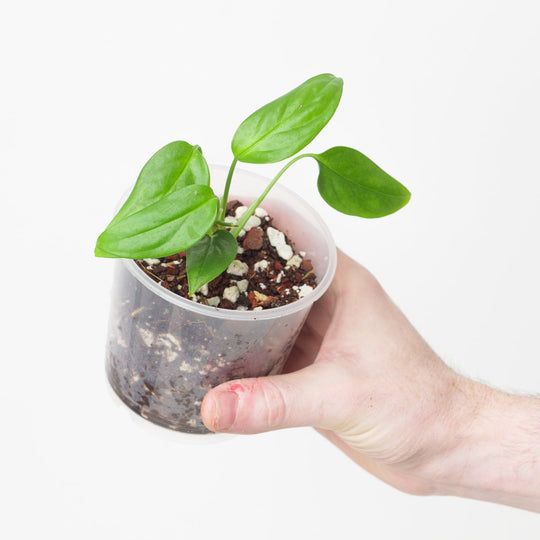
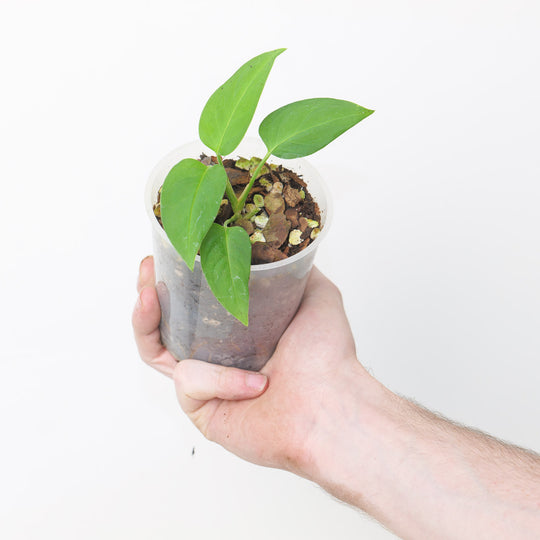
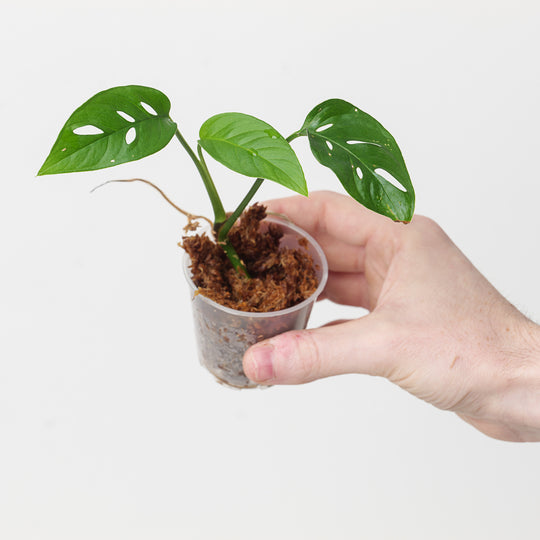
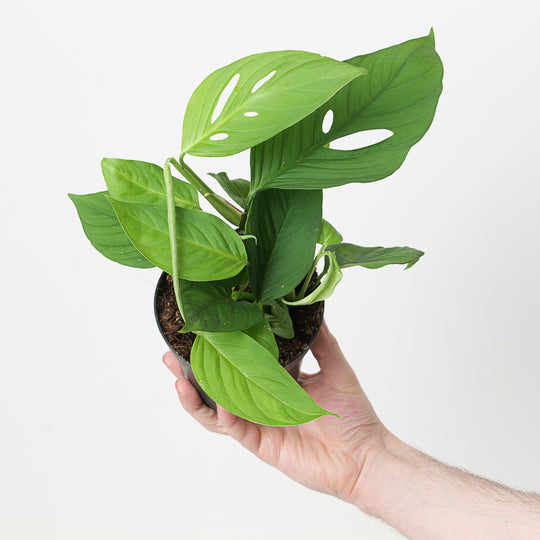
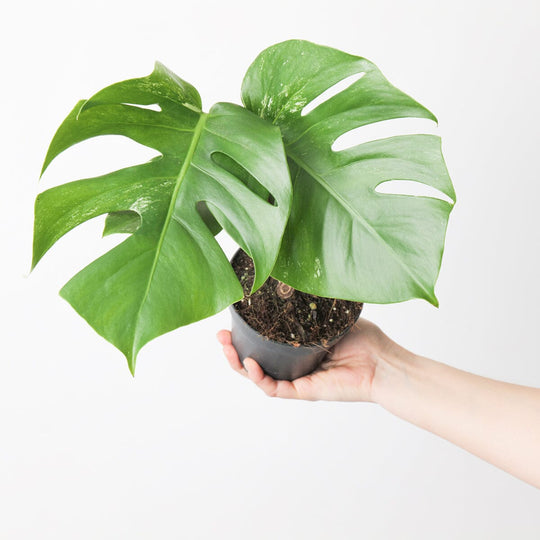
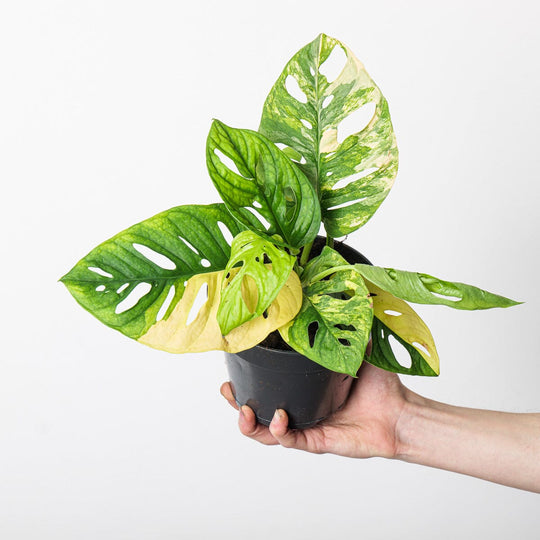
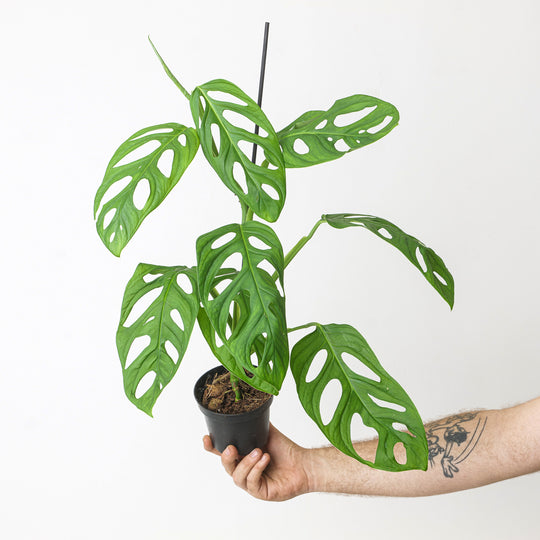
The Monstera genus spans around 50 species, ranging from the indispensable to the genuinely extraordinary. Monstera deliciosa, the Swiss cheese plant, is the most widely grown: a vigorous climber producing large, deeply fenestrated leaves that become more dramatic with every new flush. M. adansonii (the Swiss cheese vine) is a fast-growing, trailing alternative with smaller, more heavily perforated leaves, well-suited to a hanging pot or shelf edge.
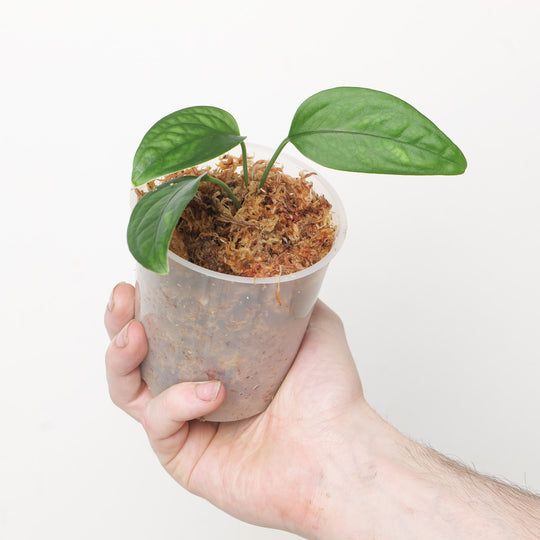
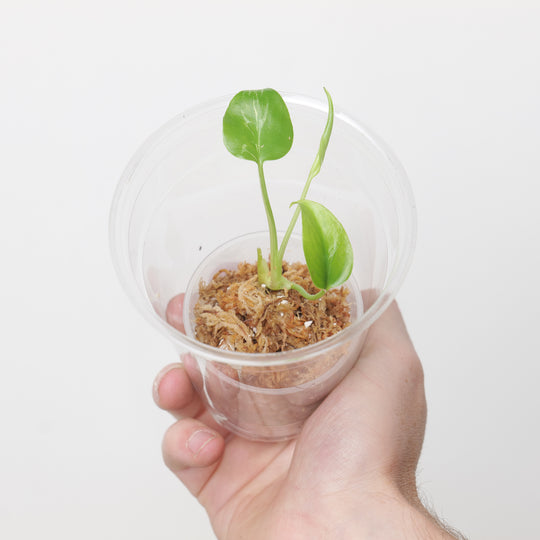
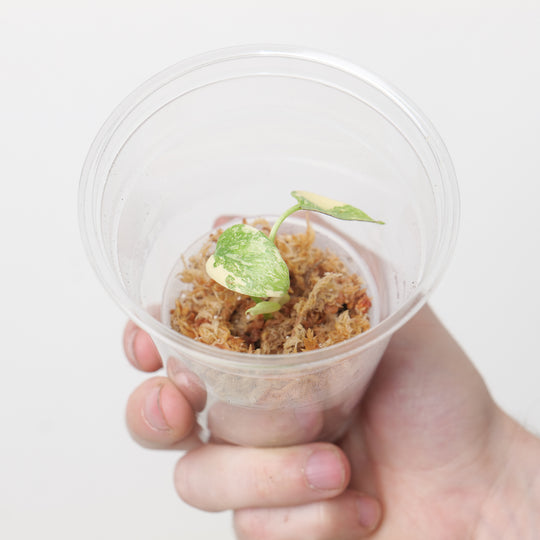
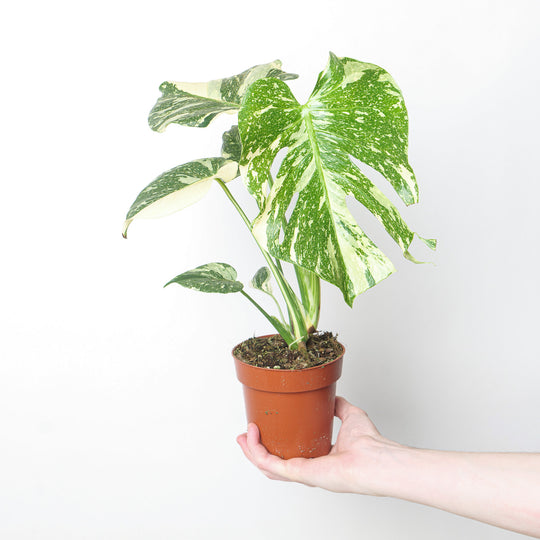
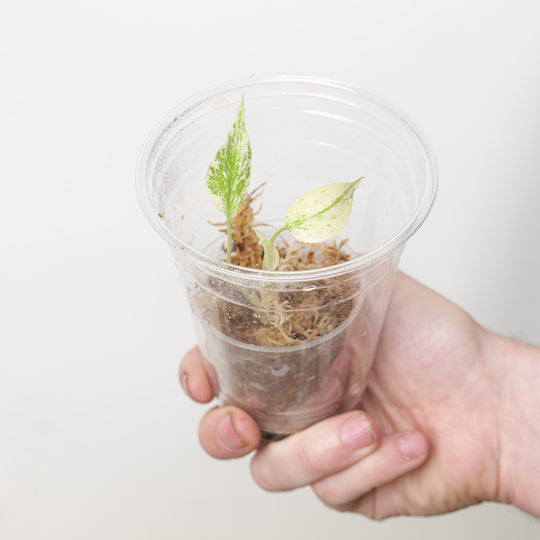
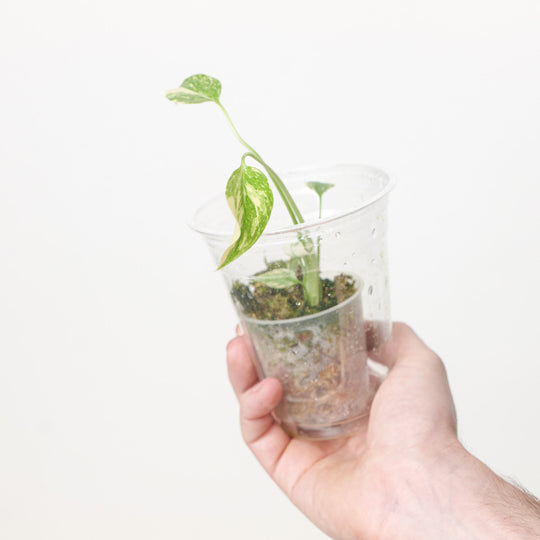
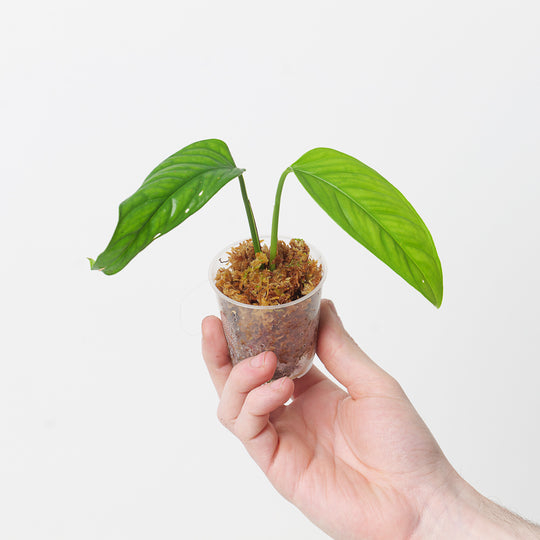
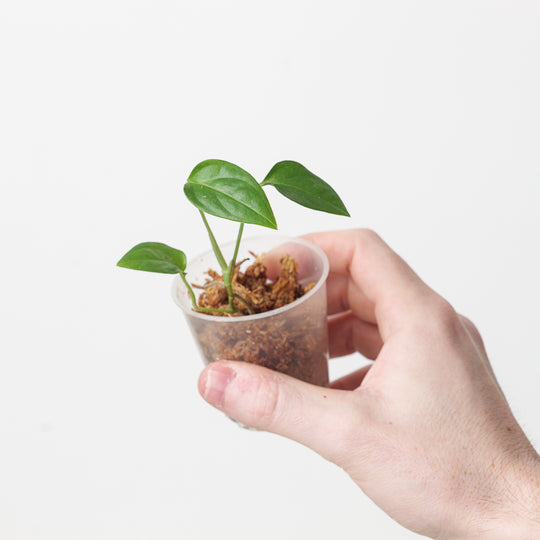
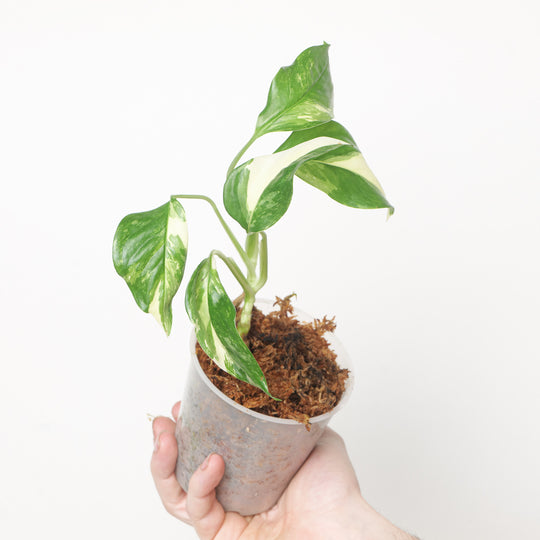
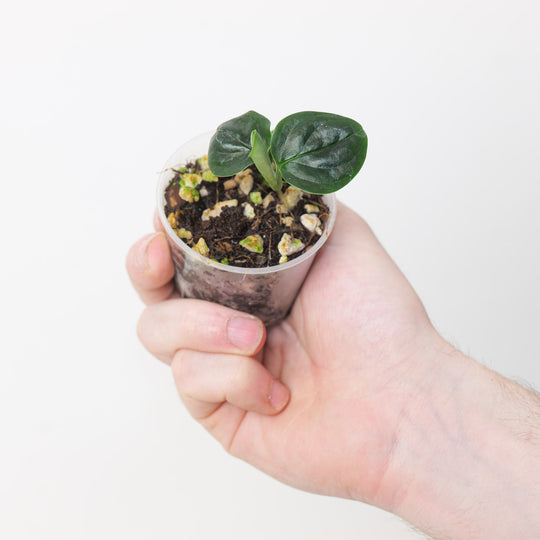
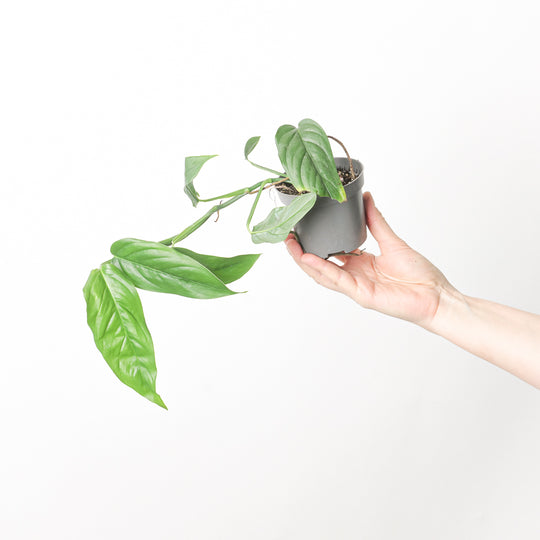
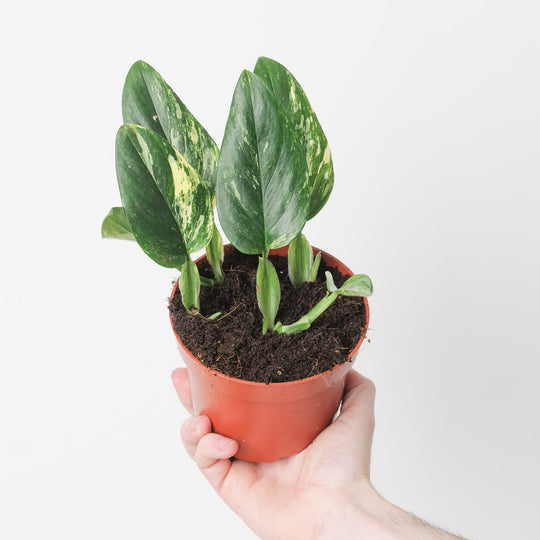
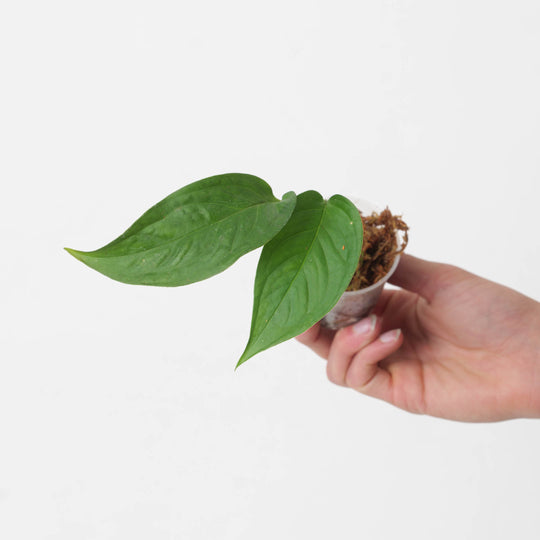
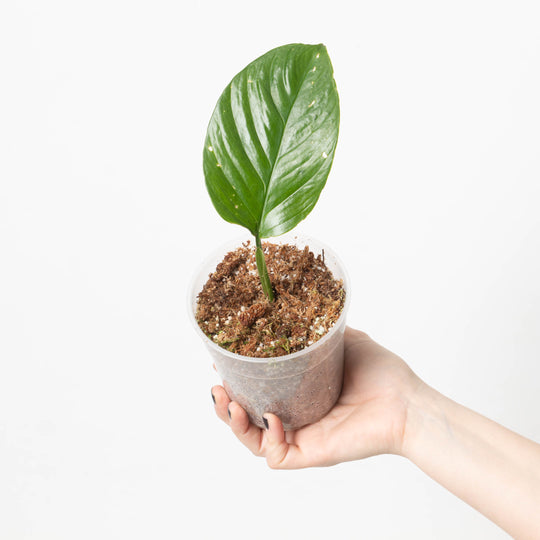
At the collector end, variegated cultivars are some of the most sought-after plants in the hobby. Thai Constellation carries stable, cream-splashed variegation across large, fenestrated leaves. Albo Variegata produces bold white sectors and half-moon patterns, and is notoriously variable. For something rarer still, M. cf. obliqua and M. dubia are true collector pieces, both highly unusual in cultivation.
Is a Cheese Plant the Same as a Monstera?
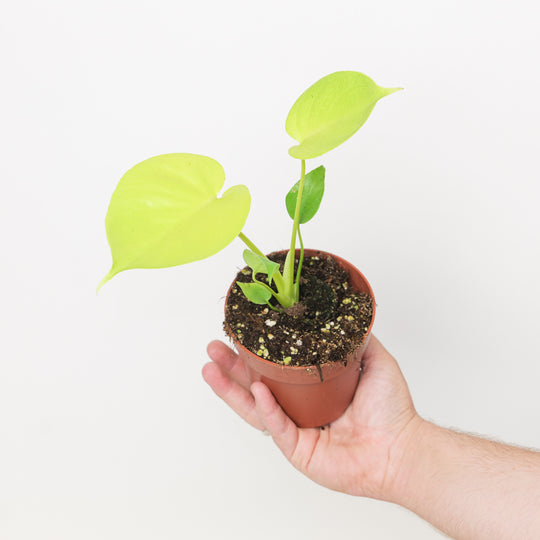
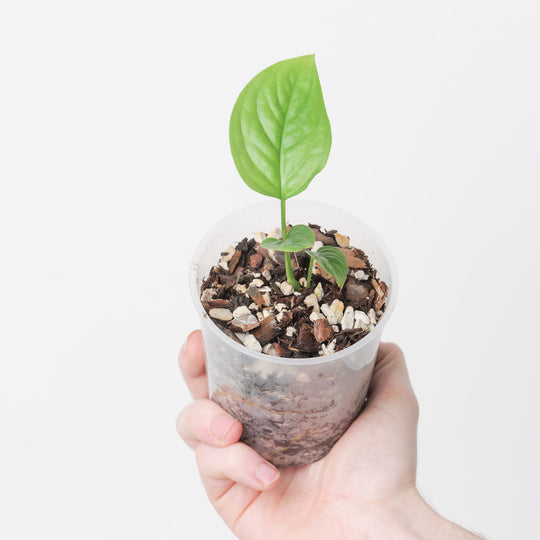
Yes. Cheese plant and Swiss cheese plant are the common names for Monstera deliciosa, given for the holes and splits that open up in its leaves as the plant matures. Young plants start with plain, unsplit leaves. The name is also borrowed for the smaller Monstera adansonii, more precisely the Swiss cheese vine. Every Monstera deliciosa here is the same species as the classic green cheese plant, including variegated forms such as Mint and Bulbasaur.
- Ease: Monstera deliciosa is a beginner-level plant and one of the more forgiving tropical houseplants.
- Light: bright indirect light. A little morning sun is fine, but direct afternoon sun through glass scorches the leaves.
- Water: when the top few centimetres of the mix have dried, then let the pot drain fully.
- Warmth: keep a cheese plant above 15°C and away from cold draughts.
- Size: with a climbing support it can reach 2 to 3 metres or more indoors, so give it room and a moss pole.
- Pets: cheese plants are toxic to cats and dogs if eaten.
For watering through the seasons, repotting and troubleshooting, read our Monstera care guide. To make more plants from one, see how to propagate a Monstera deliciosa.
How to Care for Monstera Plants
Monstera prefer bright indirect light. Direct sun will scorch the leaves; too little light slows growth and reduces fenestration. Most species grow quickly in the right conditions, producing one to two new leaves per month in summer. A sturdy climbing support encourages larger, more fenestrated leaves: without one, the plant will still grow but the leaves remain smaller.
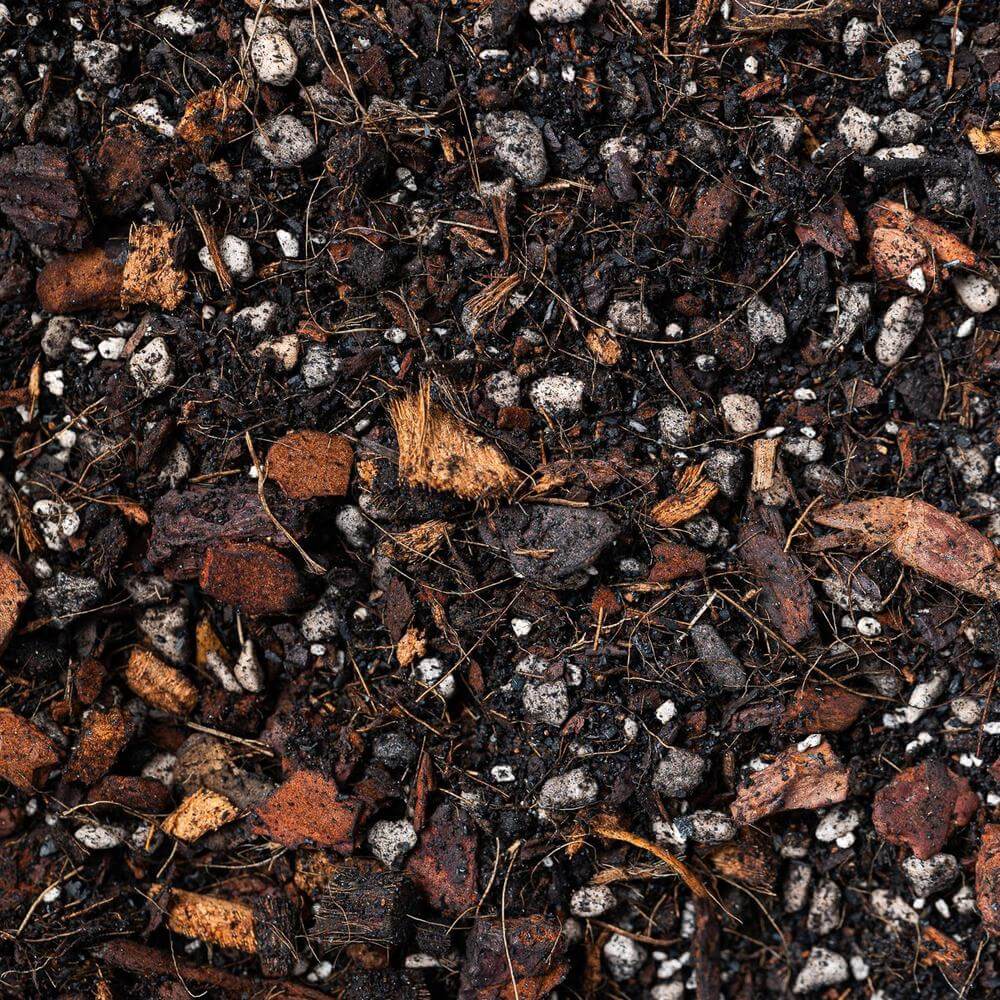
Water when the top 3 to 4 cm of substrate feels dry. Monstera are forgiving of occasional dry spells but dislike sitting in waterlogged compost. A free-draining mix is essential; our houseplant substrates include aroid-appropriate options. Feed every two to four weeks during the growing season. All Monstera appreciate humidity above 50%, though M. deliciosa tolerates typical household levels well. For broader aroid care context, see our aroid collection.
Choosing the Right Monstera for Your Space
New to Monstera? Monstera deliciosa is the natural starting point: tolerant, widely available, and spectacular at maturity. If space is limited, M. adansonii trails beautifully from a shelf or hanging pot and grows quickly with minimal fuss. Both are considered among the easiest of all tropical houseplants.
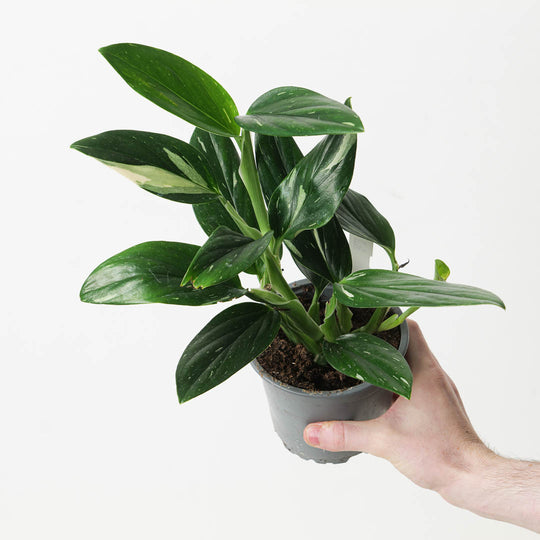
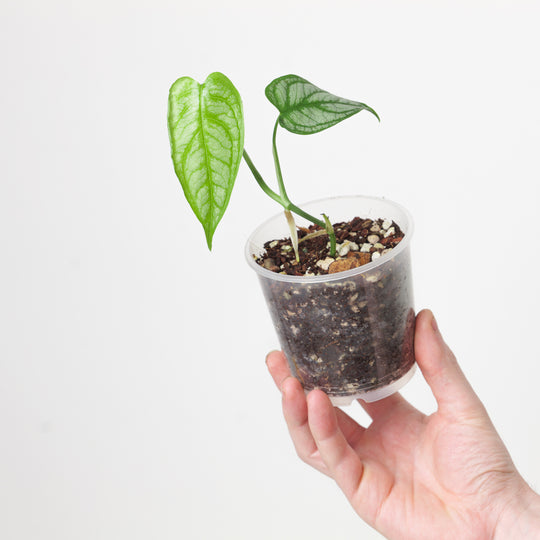
For collectors, our range of variegates and rare species goes considerably further. Thai Constellation is a good entry point into variegated Monstera as its patterning is stable and tissue-cultured plants are more consistent than Albo. If you are after something truly unusual, M. siltepecana, M. pinnatipartita and the various obliqua forms are all worth exploring. Nothing is wild-collected.