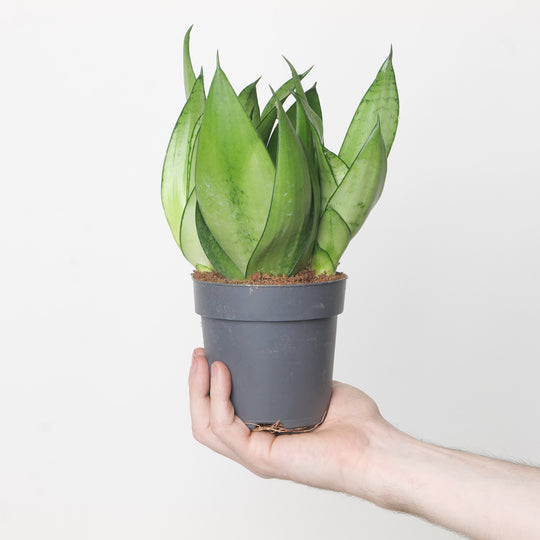
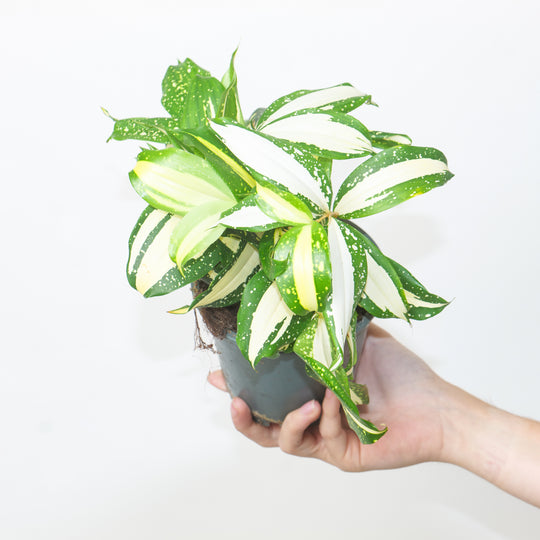
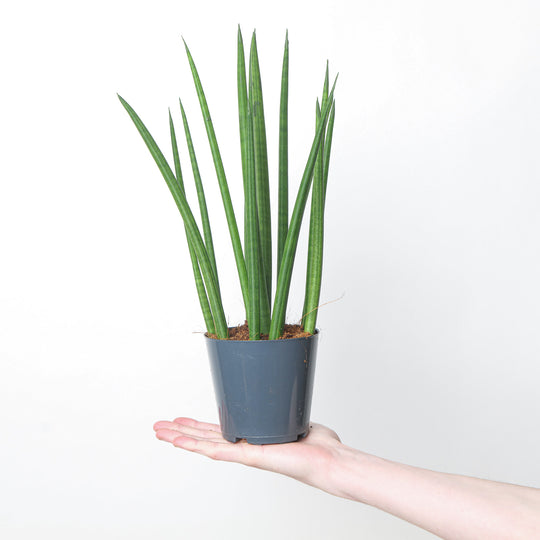
Air Purifying Plants


In 1989, NASA published a clean air study identifying dozens of common houseplants that absorbed indoor pollutants such as formaldehyde, benzene, and trichloroethylene in controlled lab conditions. The plants in this collection are all drawn from that original research, including Peace Lilies, Spider Plants, Snake Plants, and Pothos.

A candid note: NASA's results were recorded in sealed chambers at concentrations far above what you'd find in a typical home. Independent research since suggests you would need a very large number of plants per room to meaningfully replicate those results. What is well established is that plants improve indoor humidity, reduce perceived stress, and make spaces greener and more enjoyable. That alone is a good enough reason.

140 products

    140 products
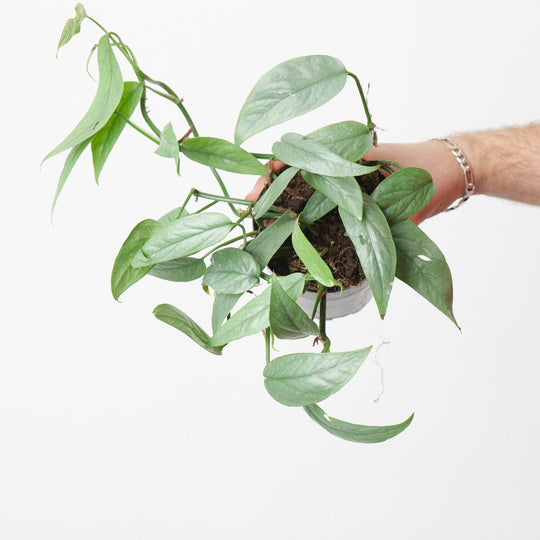
    Epipremnum pinnatum 'Cebu Blue' 12cm Plants GrowTropicals
    1
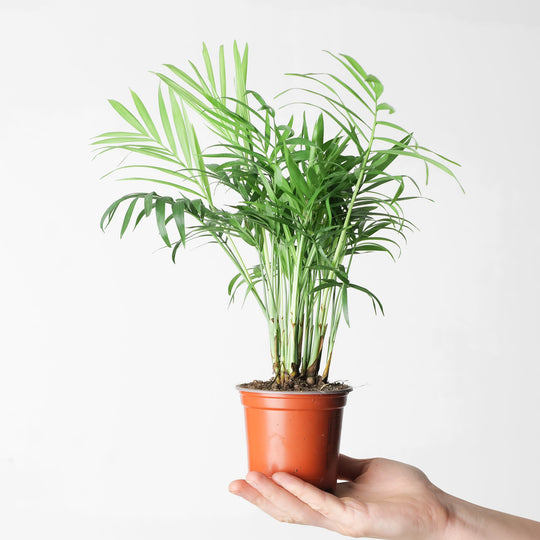
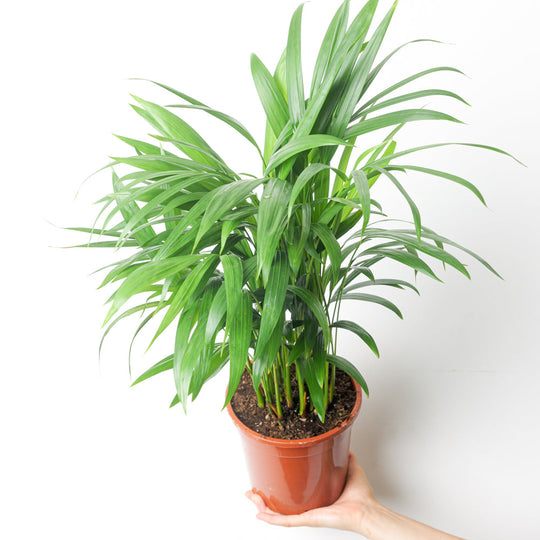
    Chamaedorea elegans 6cm Plants GrowTropicalsSale
    Parlour Palm

    Chamaedorea elegans

    £3.99 £4.99
    1
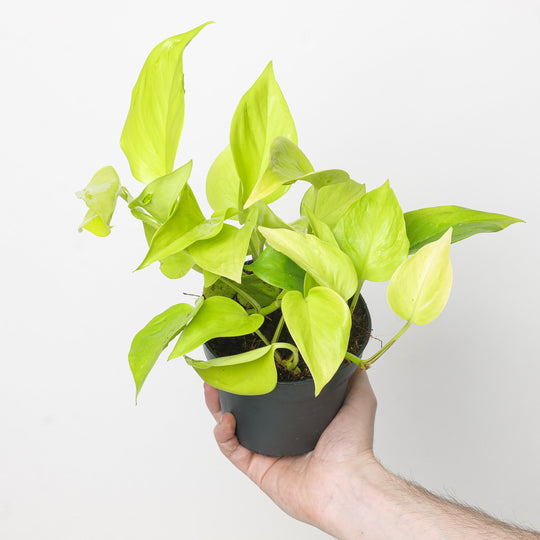
    Epipremnum 'Happy Leaf' 12cm Plants GrowTropicalsSale
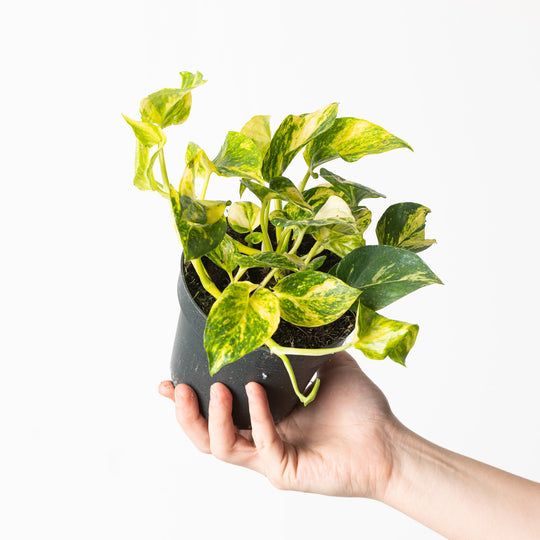
    Happy Leaf Pothos

    Epipremnum 'Happy Leaf'

    £8.99 £9.99
    1
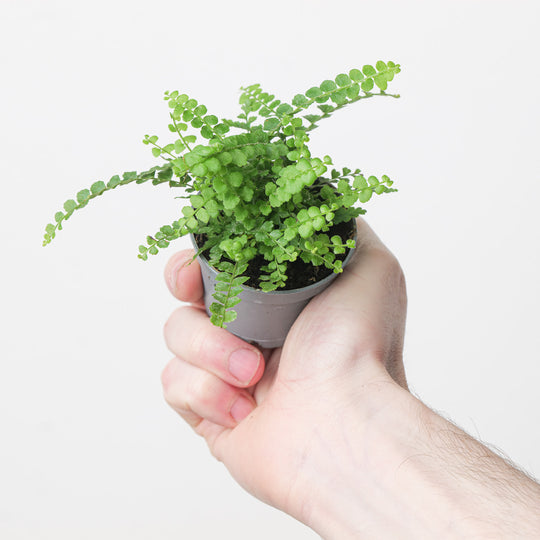
    Nephrolepis duffii 6cm Plants GrowTropicalsSale
    1
    Ficus elastica 'Belize' 11cm Plants GrowTropicals
    Pink Rubber Plant

    Ficus elastica 'Belize'

    £10.99
    1
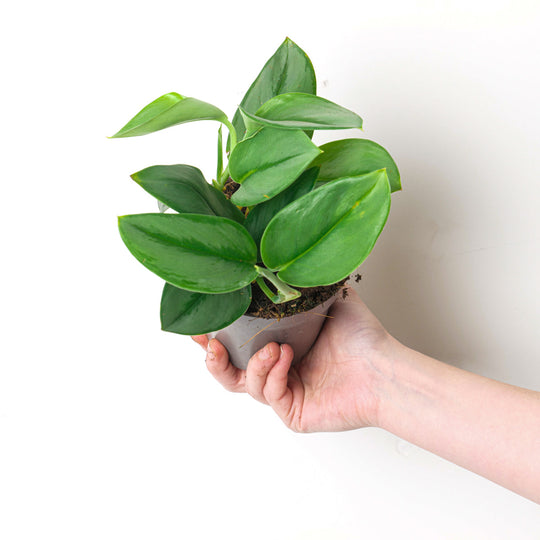
    Scindapsus pictus 'Argyraeus' 12cm Plants GrowTropicals
    1
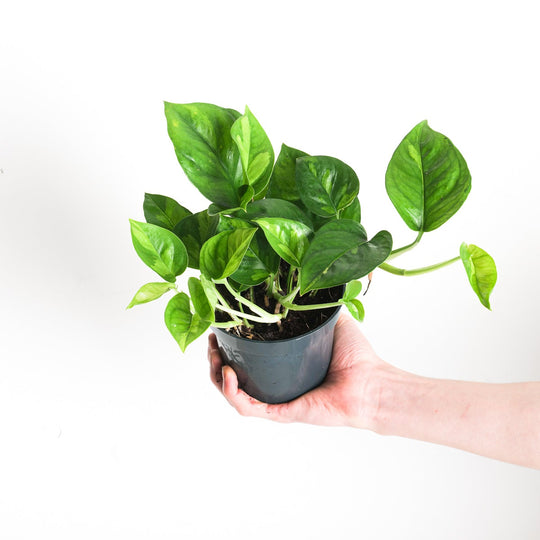
    Epipremnum 'Global Green' Plants GrowTropicals
    Global Green Pothos

    Epipremnum 'Global Green'

    £9.99
    1
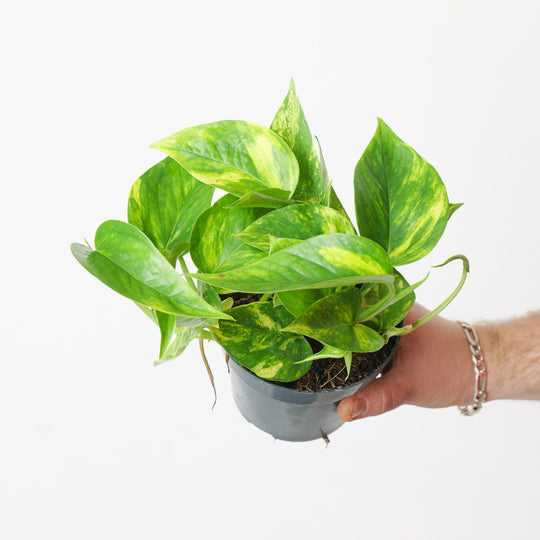
    Epipremnum 'Aureum' 12cm Plants GrowTropicals
    Golden Pothos

    Epipremnum 'Aureum'

    £8.99
    1
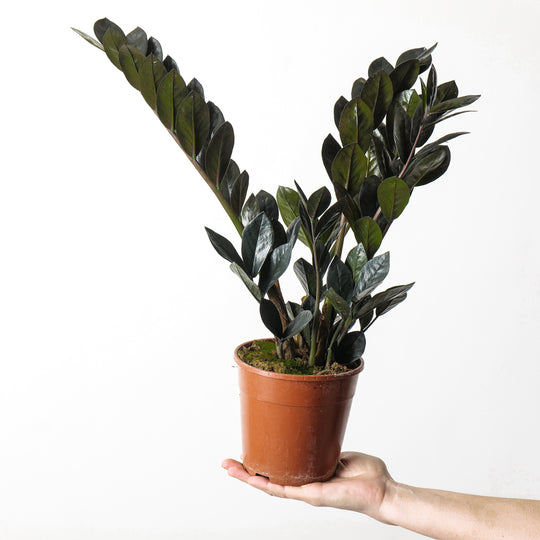
    Zamioculcas zamiifolia 'Raven' 14cm Plants GrowTropicalsSale
    Black ZZ Plant

    Zamioculcas zamiifolia 'Raven'

    £24.99 £29.99
    1
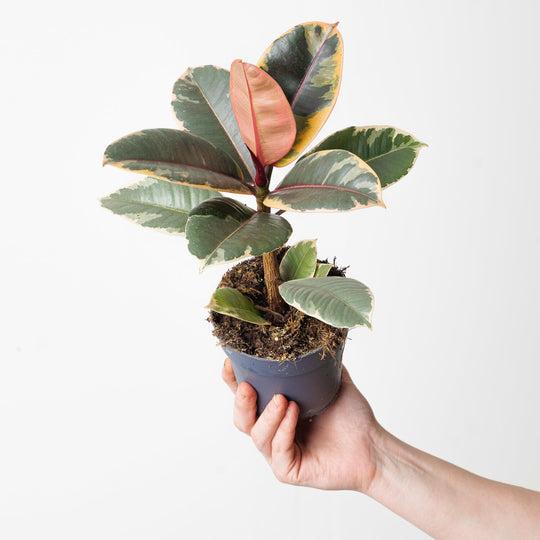
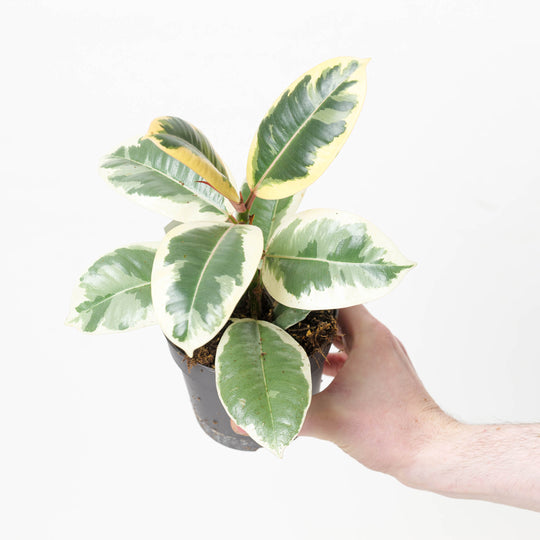
    Ficus elastica 'Tineke' 6cm Plants GrowTropicalsSale
    Variegated Rubber Plant

    Ficus elastica 'Tineke'

    £4.99 £6.99
    1
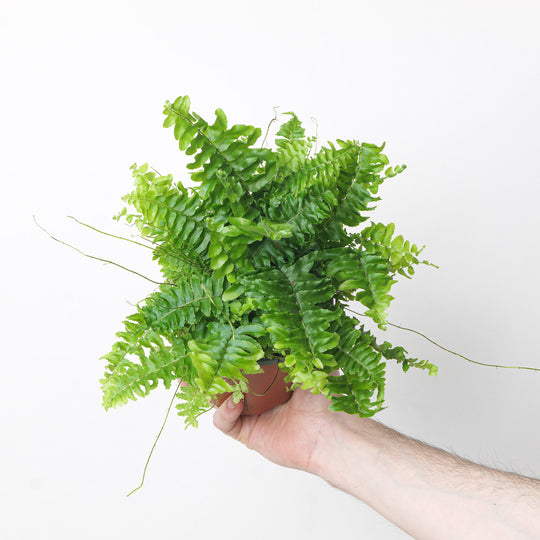
    Nephrolepis exaltata 'Green Lady' 12cm Plants GrowTropicalsSale
    Boston Fern

    Nephrolepis exaltata 'Green Lady'

    £8.99 £11.99
    1
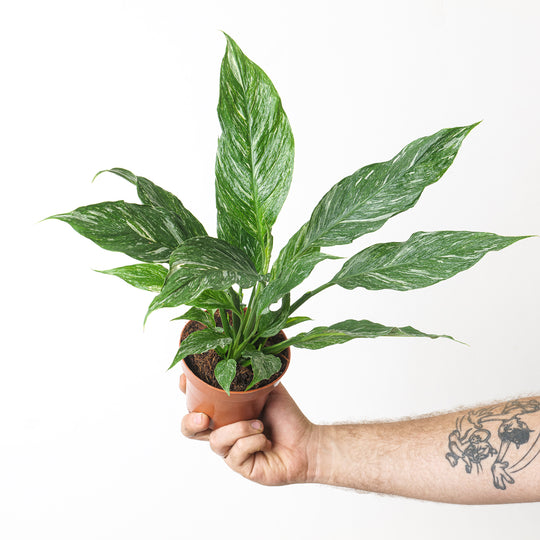
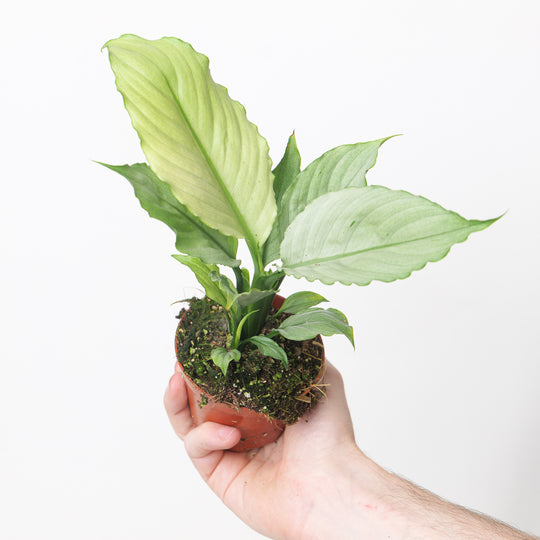
    Spathiphyllum Diamond 12cm Plants GrowTropicalsSale
    Variegated Peace Lilly

    Spathiphyllum Diamond

    🍘 Flowering
    £15.99 £20.99
    1
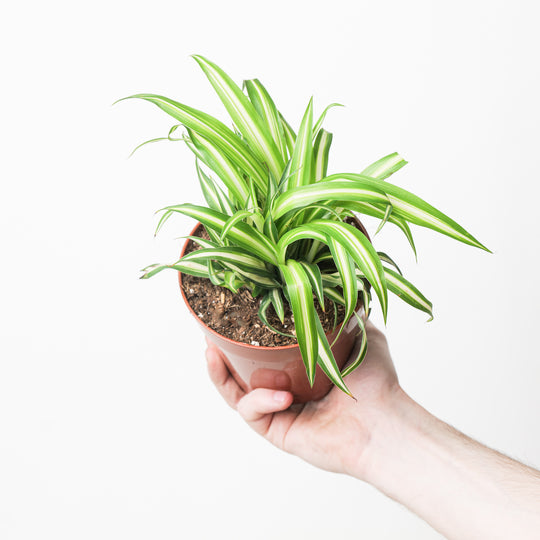
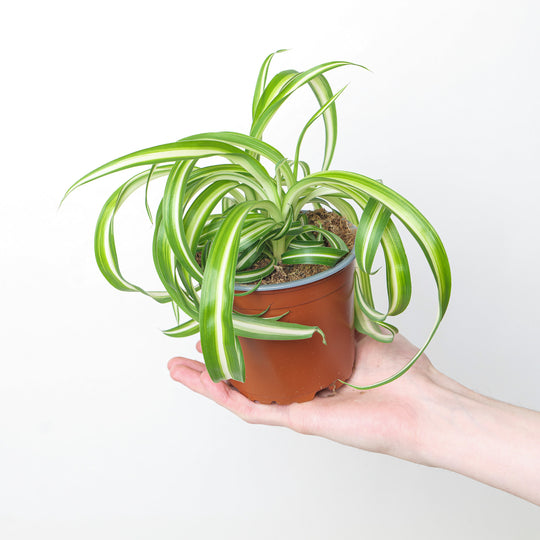
    Chlorophytum comosum 'Vittatum' 12cm Plants GrowTropicalsSale
    Variegated Spider Plant

    Chlorophytum comosum 'Vittatum'

    £8.99 £9.99
    1
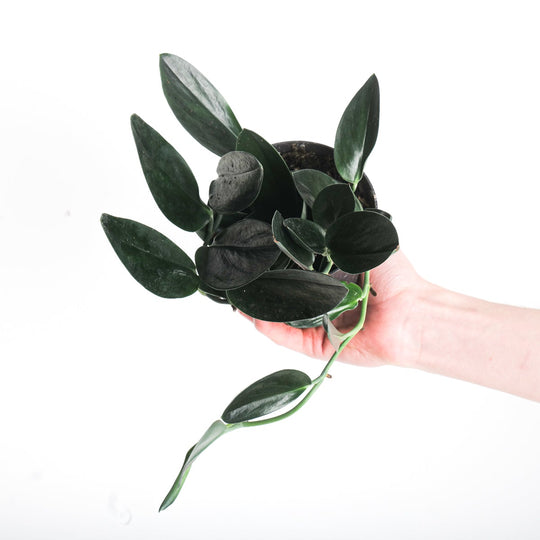
    Scindapsus treubii 'Dark' 12cm Plants GrowTropicalsSale
    1
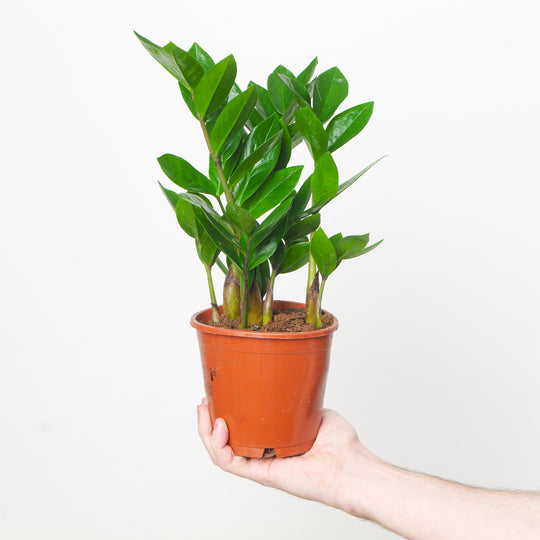
    Zamioculcas zamiifolia 12cm Plants GrowTropicalsSale
    ZZ Plant

    Zamioculcas zamiifolia

    £10.99 £15.99
    1
    Imperfect Scindapsus treubii 'moonlight' 12cm Plants GrowTropicalsSale
    1
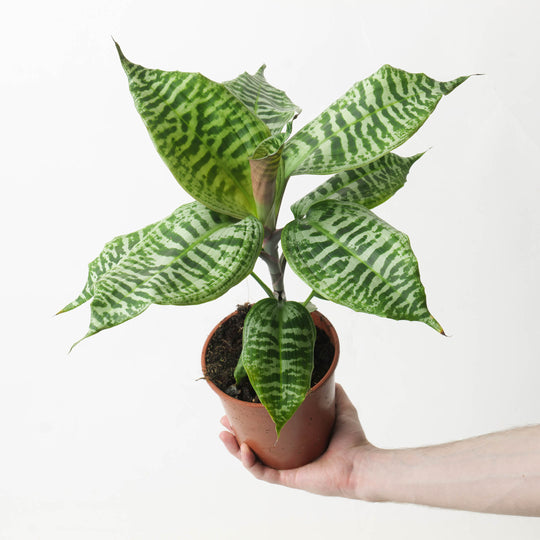
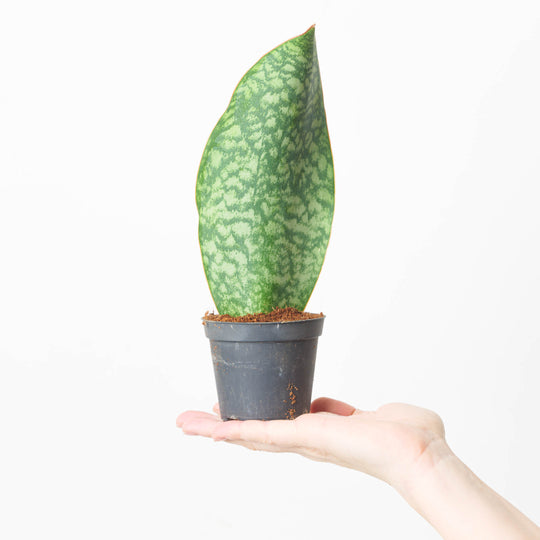
    Sansevieria masoniana 'Whale Fin' 8.5cm Plants GrowTropicalsSale
    Whale Fin Plant

    Sansevieria masoniana 'Whale Fin'

    £9.99 £10.99
    1
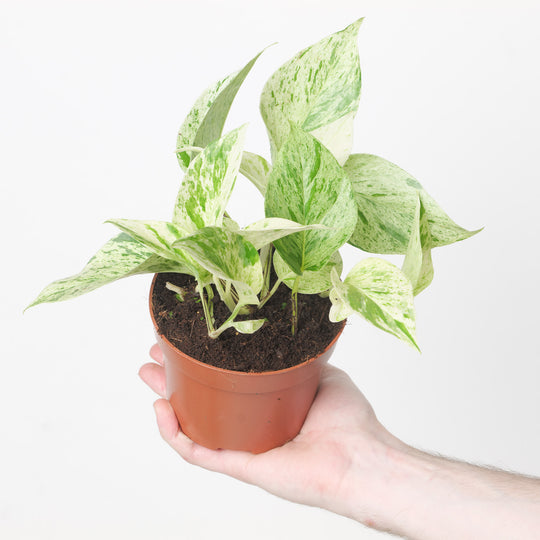
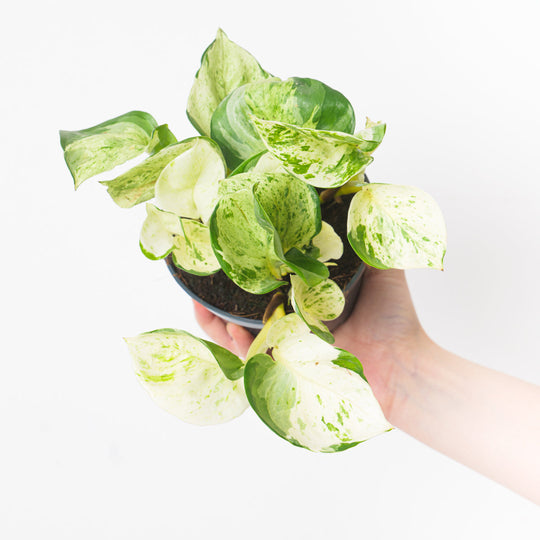
    Epipremnum pinnatum 'Marble' 12cm Plants GrowTropicalsSale
    1
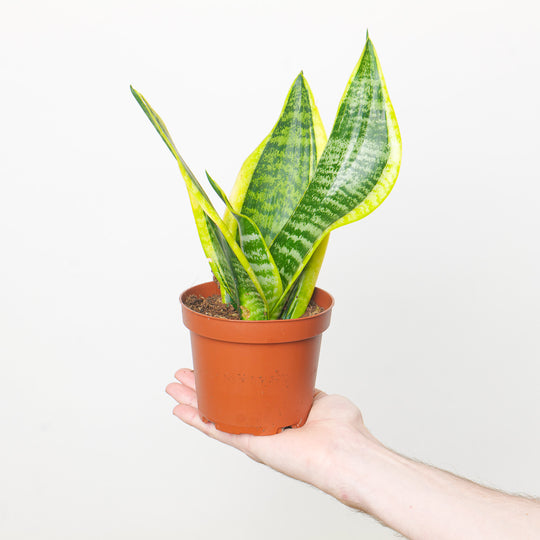
    Sansevieria trifasciata 'Moonshine' 12cm Plants GrowTropicalsSale
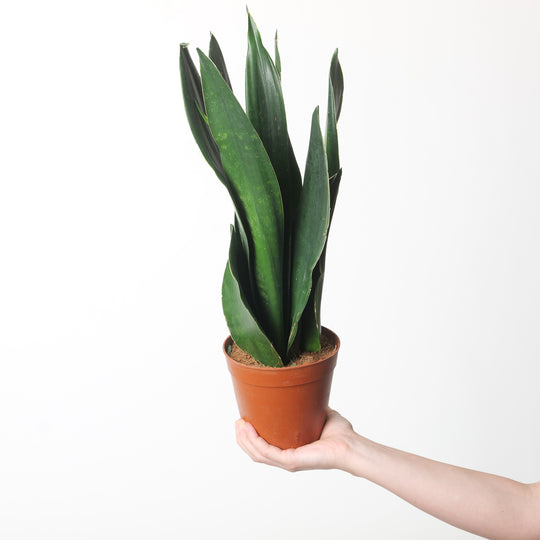
    Silver Snake Plant

    Sansevieria trifasciata 'Moonshine'

    £12.99 £14.99
    1
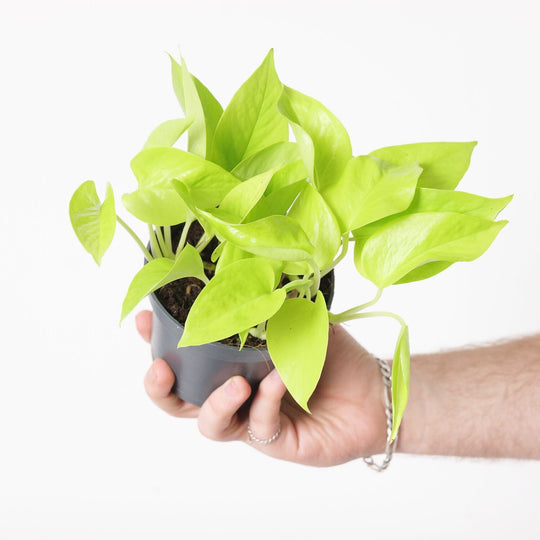
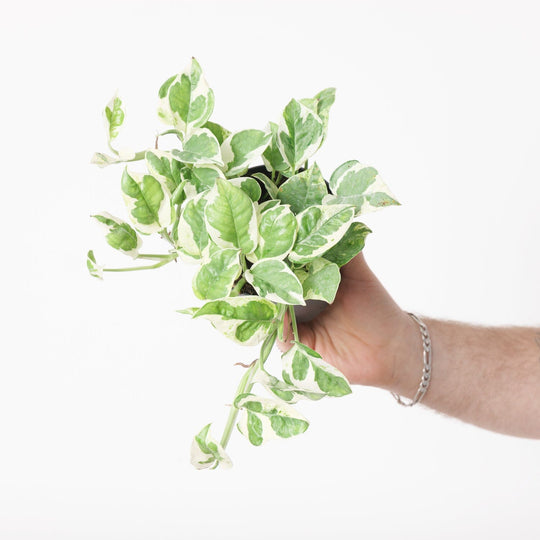
    Epipremnum 'N'Joy' Plants GrowTropicalsSale
    NJoy Pothos

    Epipremnum 'N'Joy'

    £8.99 £10.99
    1
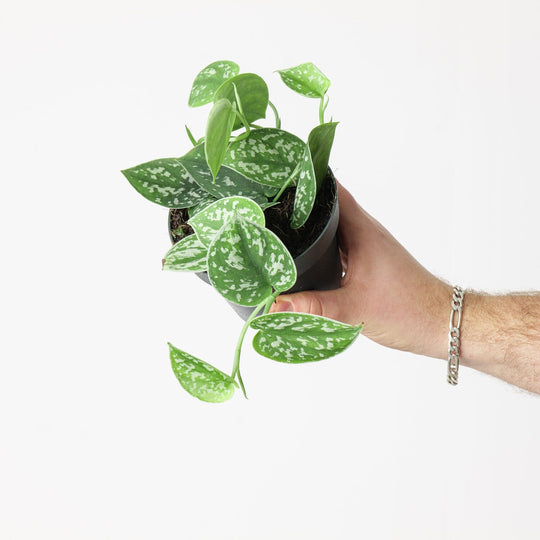
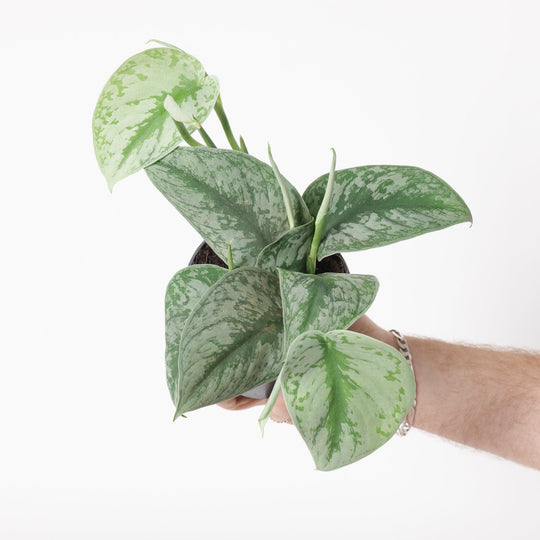
    Scindapsus pictus 'Trebie' 12cm Plants GrowTropicals
    Silver Pothos

    Scindapsus pictus 'Trebie'

    £8.99
    1
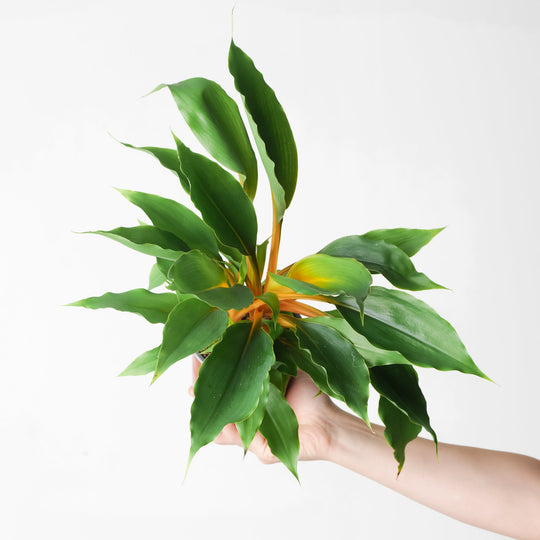
    Chlorophytum orchidastrum 'Fire Flash' Plants GrowTropicals
    1
    Spathiphyllum Sensation Variegated 12cm Plants GrowTropicalsSale
    1
    Ficus elastica 'Abidjan' Plants GrowTropicalsSale

    Ficus elastica 'Abidjan'

    £8.99 £10.99
    1
    Epipremnum Champs Élysées Plants GrowTropicalsSale
    1
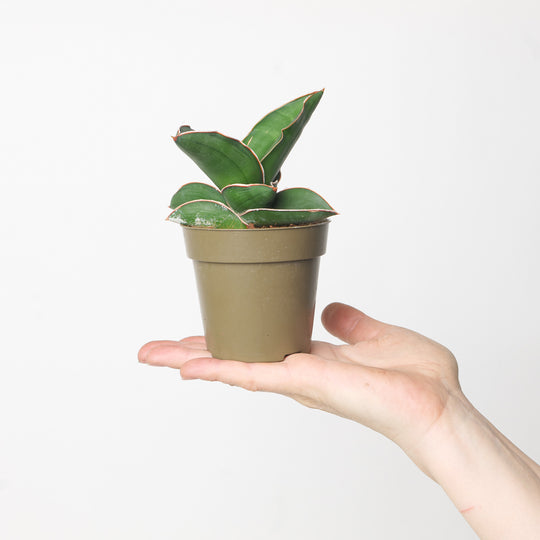
    Sansevieria trifasciata 'Megan' Plants GrowTropicals
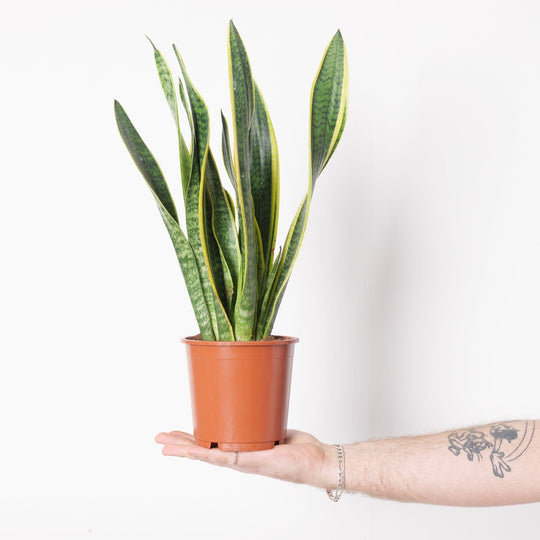
    Snake Plant

    Sansevieria trifasciata 'Megan'

    £13.99
    1
    Dracaena goldieana 14cm Plants GrowTropicalsSale

    Dracaena goldieana

    £37.99 £45.99
    1
    Epipremnum Snow Leopard Plants GrowTropicals
    1

    Plants from the NASA Clean Air Study

    NASA's 1989 Clean Air Study set out to understand whether plants could help improve air quality aboard space stations. The results identified a range of common tropical houseplants capable of absorbing volatile organic compounds including formaldehyde, benzene, and xylene in controlled conditions. The collection you are browsing brings together the most notable plants from that original research, all of which happen to make beautiful, easy-care houseplants in their own right.

    What the science actually says

    The honest picture is more nuanced than the headlines suggested. NASA's experiments were conducted in sealed chambers with pollutant concentrations far higher than those found in a typical home or office. A widely cited 2019 review in the Journal of Exposure Science and Environmental Epidemiology found that to achieve meaningful air cleaning in a real room, you would need between 10 and 1,000 plants per square metre. That is a lot of plants. What is genuinely supported by research is that plants contribute to indoor humidity, are associated with reduced stress and improved mood, and make spaces feel more welcoming. For many people, that is more than enough reason to fill their home with them.

    Plants from the original NASA study

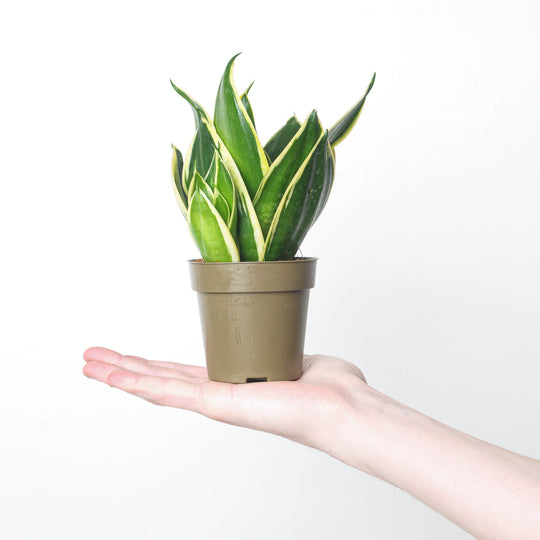
    The most prominent species from the 1989 study that we stock include the Peace Lily (Spathiphyllum), consistently one of the top performers for removing multiple compounds; the Snake Plant (Dracaena trifasciata), prized for its near-indestructible nature and nighttime oxygen production; the Spider Plant (Chlorophytum comosum), a forgiving classic; and various Pothos and Epipremnum varieties. Also included are Dracaena species, parlour and bamboo palms, Boston Ferns, and Rubber Plants.

    Choosing your air purifying plant

    If you want a low-maintenance plant that thrives in lower light, the Snake Plant or Spider Plant are hard to beat. For a statement plant with the added bonus of white flowers, the Peace Lily is the classic choice. If you have bright indirect light and want something with real visual impact, a large Rubber Plant or Parlour Palm works beautifully. Whatever you choose, the greatest benefit is probably the one you can see: a greener, calmer space to spend time in.

    Frequently Asked Questions

    The short answer is: yes, but not as dramatically as the headlines suggested. NASA's 1989 study showed plants could absorb volatile organic compounds in sealed lab conditions, but a major 2019 review found you would need a very large number of plants per room to achieve the same effect in a real-world setting. What plants do reliably contribute to is indoor humidity, a sense of calm, and a more enjoyable environment to spend time in. That is worth a great deal, even if they are not air filters in the literal sense.
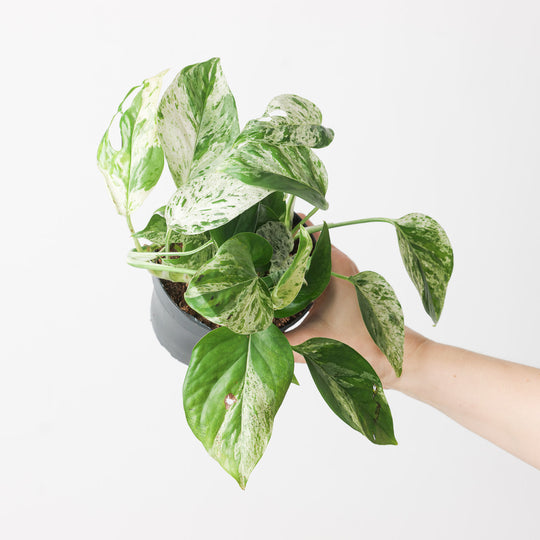
    NASA's 1989 study tested a range of common houseplants. Key species included Peace Lily (Spathiphyllum), Snake Plant (Sansevieria, now Dracaena trifasciata), Spider Plant (Chlorophytum comosum), Pothos and Epipremnum varieties, Rubber Plant (Ficus elastica), Weeping Fig (Ficus benjamina), Bamboo Palm (Chamaedorea), Boston Fern (Nephrolepis), and several Dracaena species. All of these are available in our collection.
    According to a 2019 analysis of the original NASA research, you would need between 10 and 1,000 plants per square metre to achieve meaningful air cleaning in a typical room. In practice, a handful of well-chosen plants will not transform your indoor air quality in the way a ventilation system would. That does not mean they are not worthwhile. Plants genuinely improve humidity, reduce psychological stress, and make spaces more pleasant. They are just not air filters.
    Many of the most popular air purifying plants are toxic to cats and dogs. Peace Lily, Pothos, Epipremnum, and Snake Plant are all considered harmful if ingested by pets. Spider Plants are generally considered non-toxic and are a safer choice for pet owners. If you have curious cats or dogs, please browse our pet-safe plants collection for suitable alternatives.

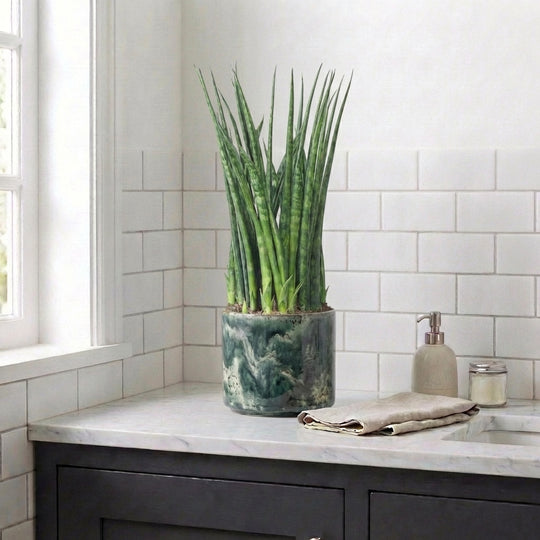
    The Snake Plant (Dracaena trifasciata) is often recommended for bedrooms because it is one of the few plants that continues to produce oxygen at night rather than switching to carbon dioxide production. It is also extremely low-maintenance and tolerates lower light levels. The Peace Lily is another popular choice, thriving in lower light and with attractive white blooms. Both performed well in the NASA study for absorbing multiple compounds.

    The NASA study tested for a range of volatile organic compounds (VOCs) commonly found in homes due to furniture, cleaning products, and building materials. These included formaldehyde (from carpets, pressed wood, and foam), benzene (from paints and plastics), trichloroethylene (from dry-cleaning chemicals), xylene, and ammonia. Different plant species performed better against different compounds, with Peace Lily and Dracaena among the broadest performers in the original study.