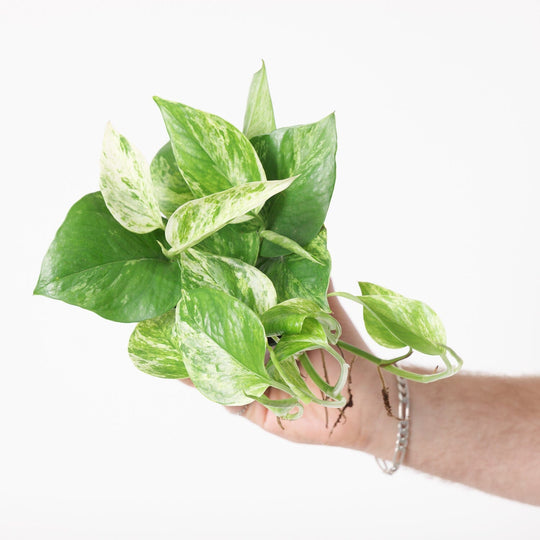
About Epipremnum
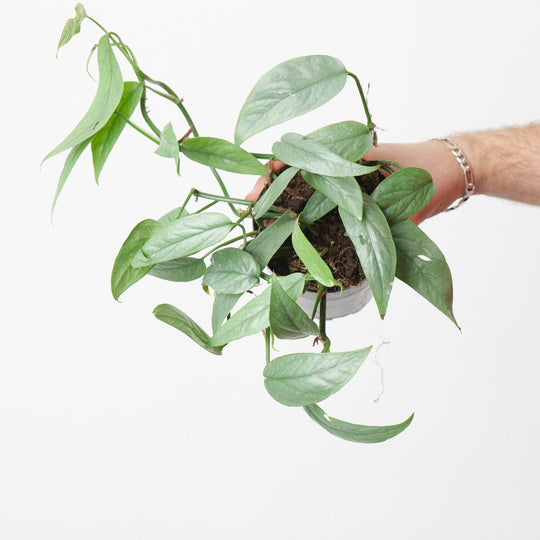
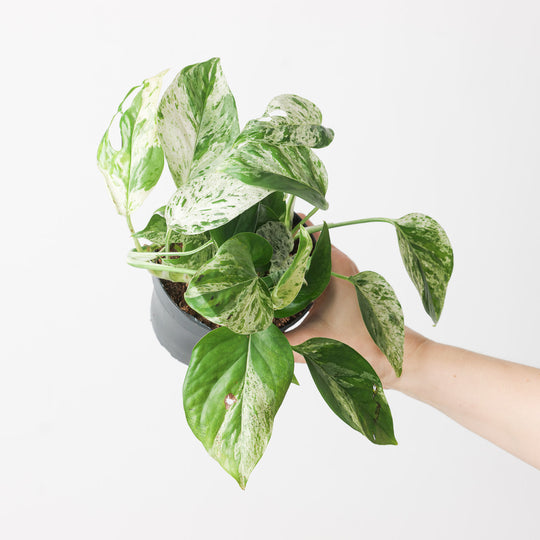
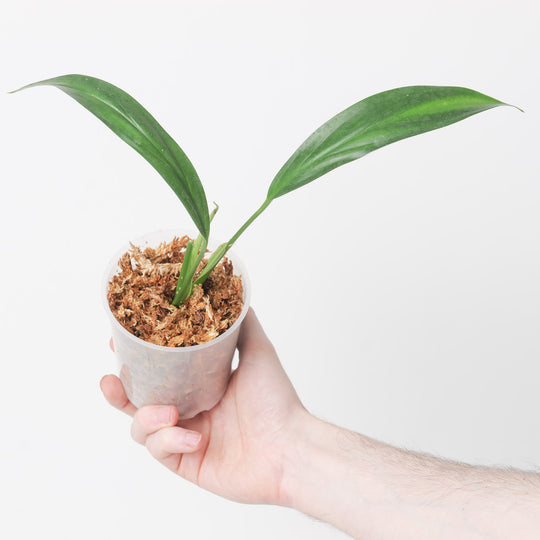
Epipremnum are native to the forests of Southeast Asia. In the wild, they climb trees using aerial roots, and indoors they adapt beautifully as trailing or climbing houseplants. Their heart-shaped leaves come in a range of colours and patterns, from solid green to variegated gold, white, and silver. With dozens of cultivars now available, there is an Epipremnum for every taste and every room.
Popular Epipremnum Varieties
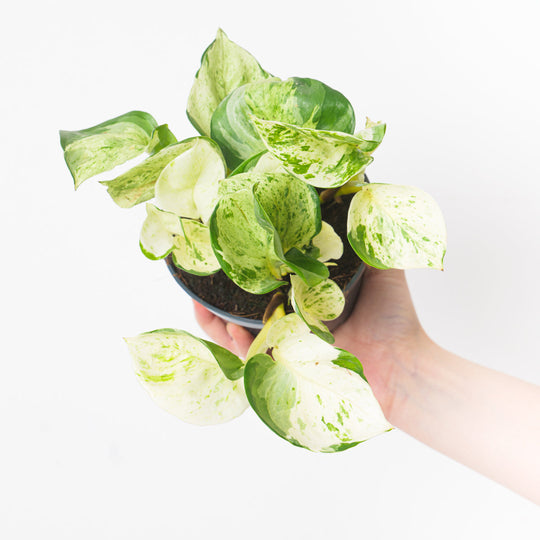
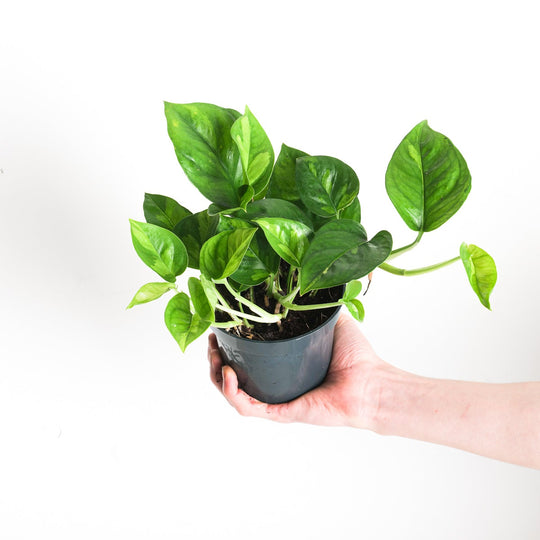
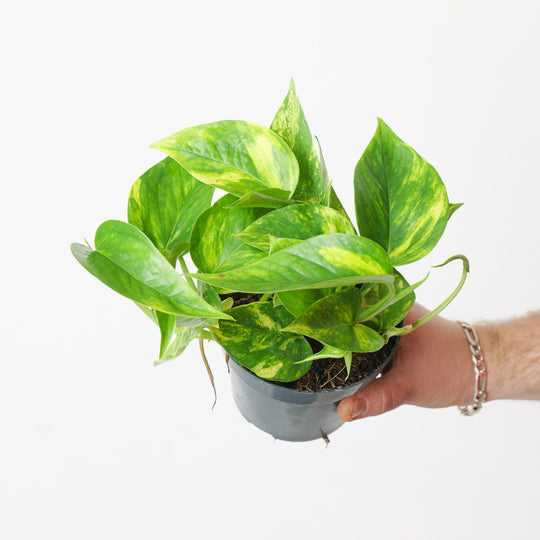
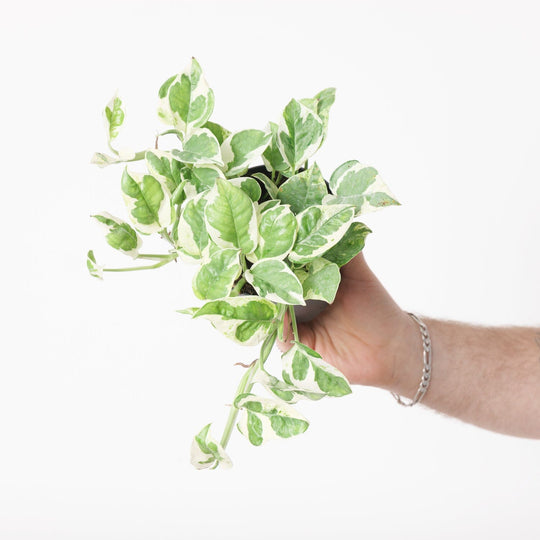
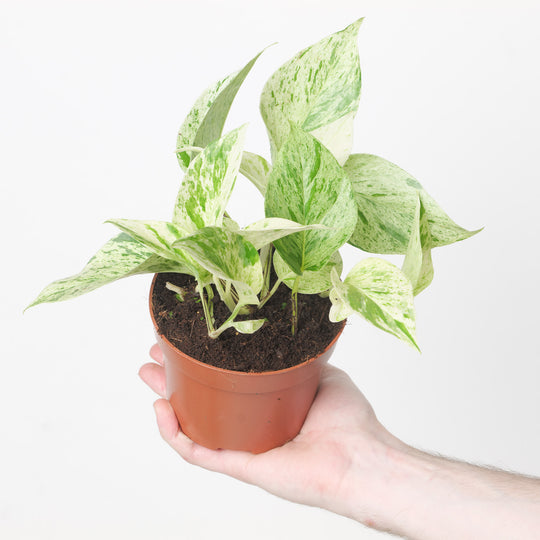
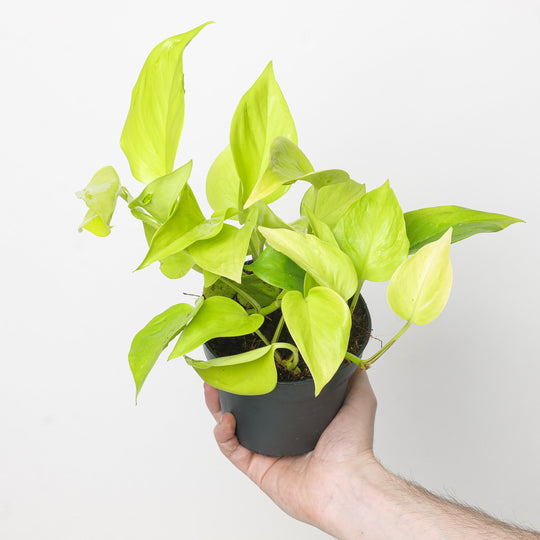
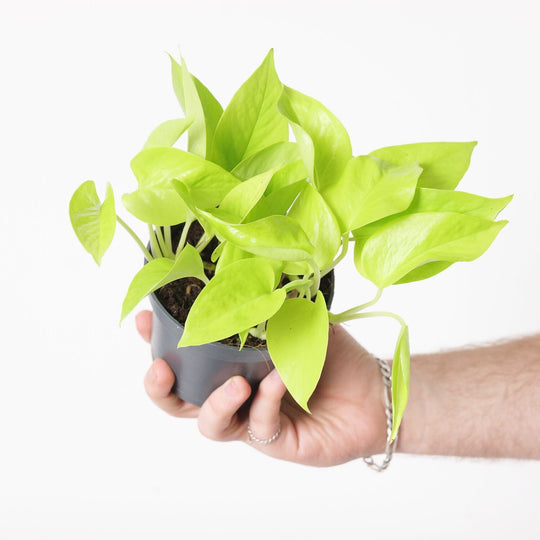
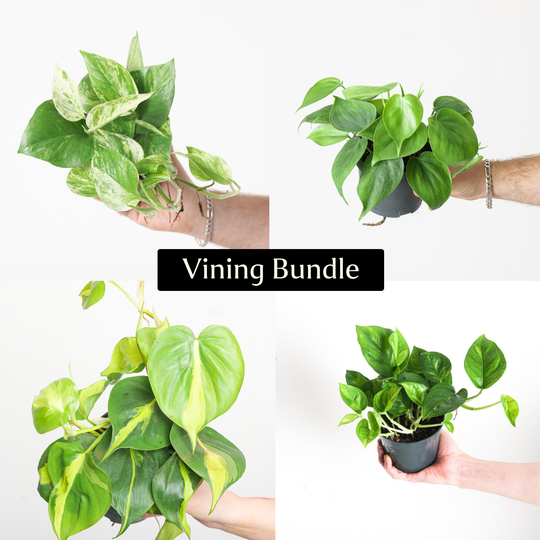
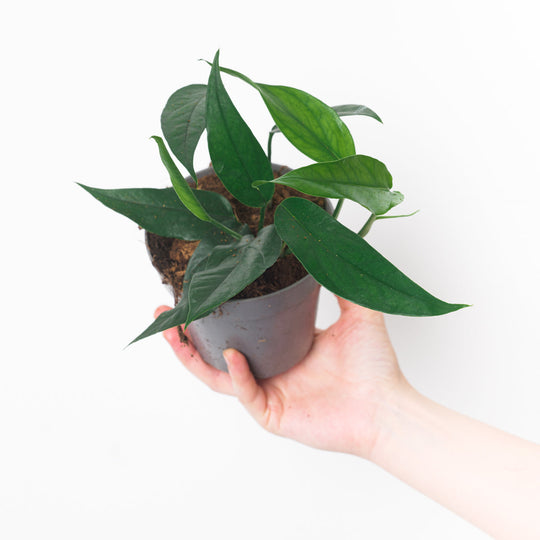
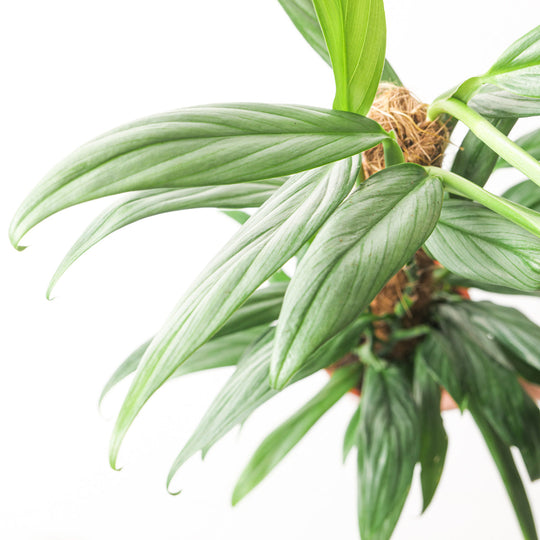
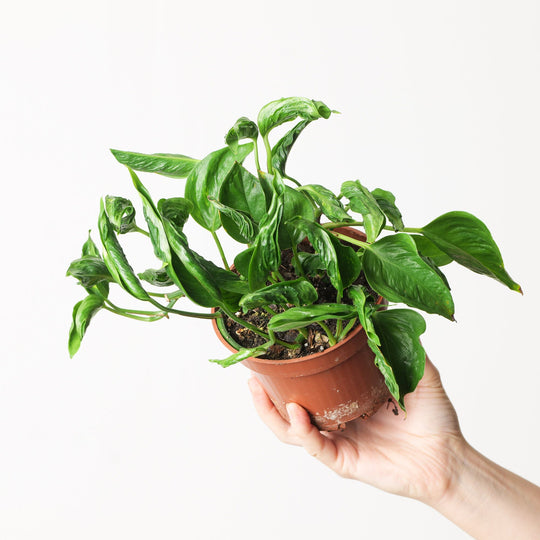
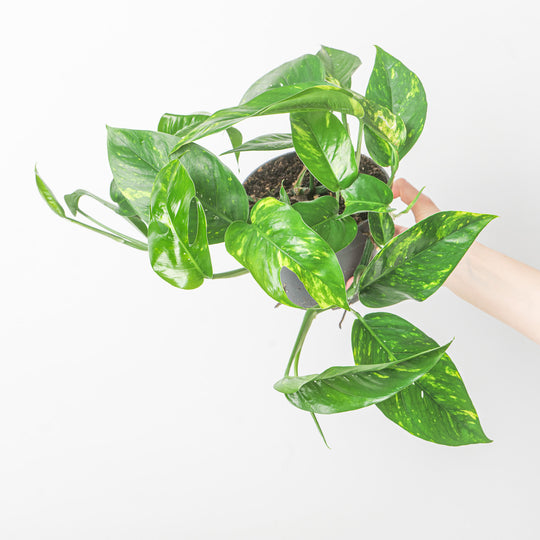
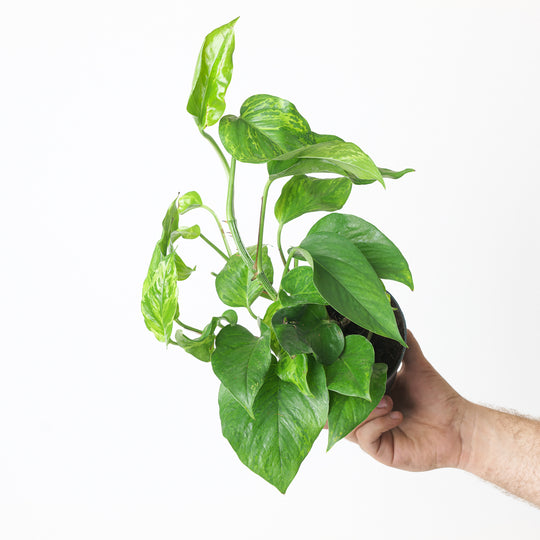
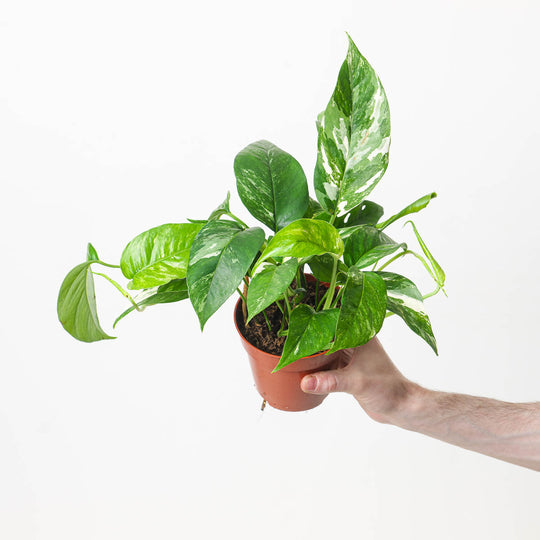
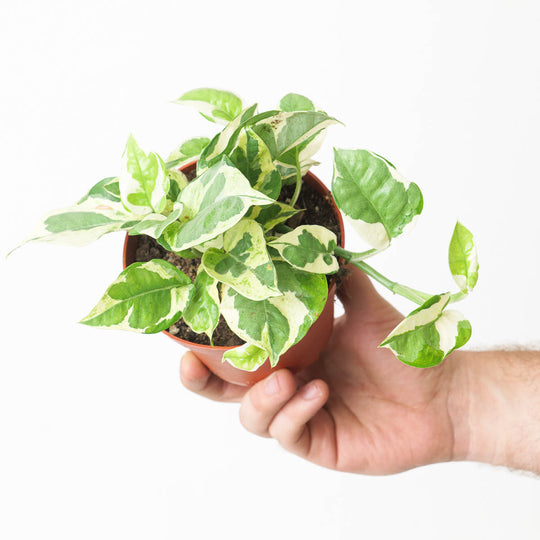
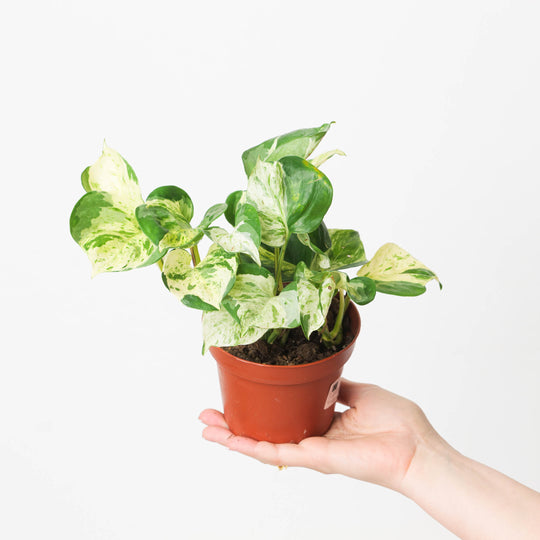
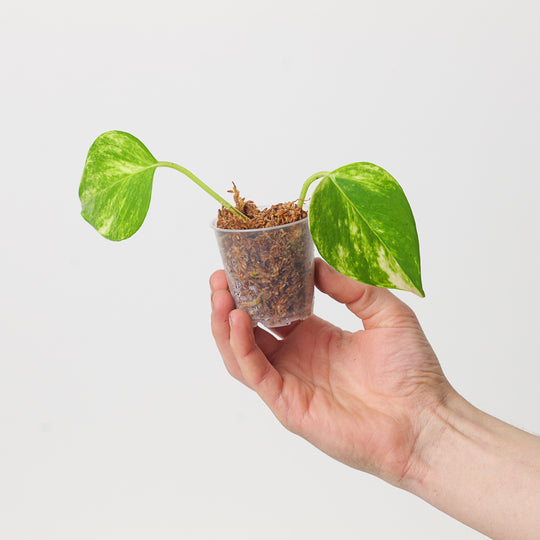
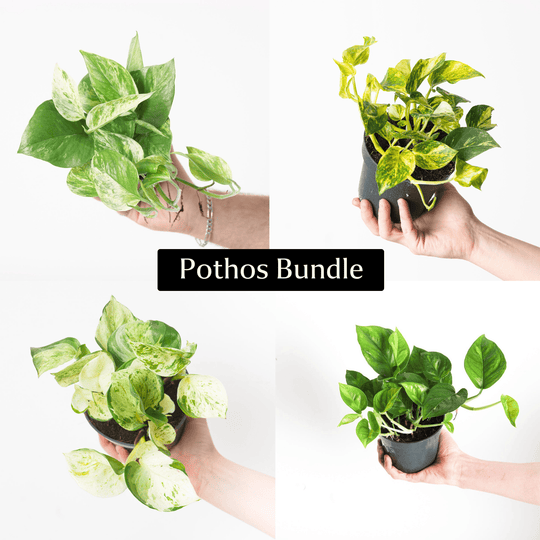
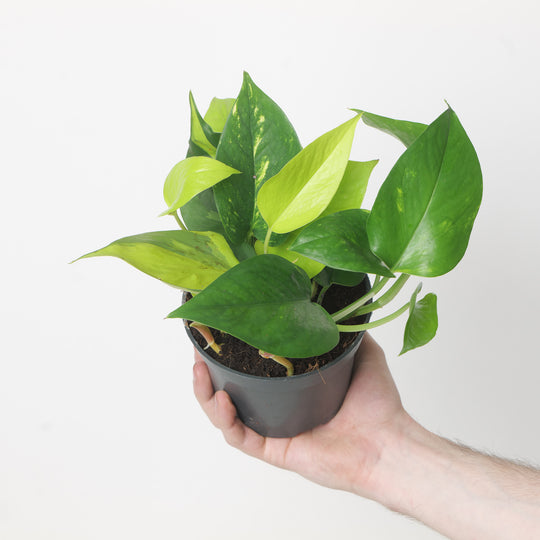
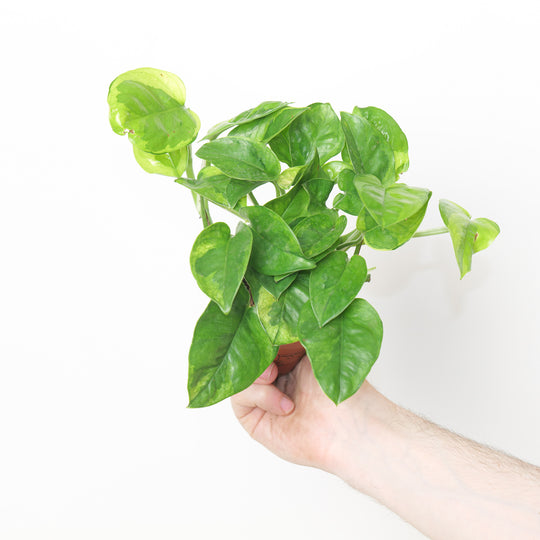
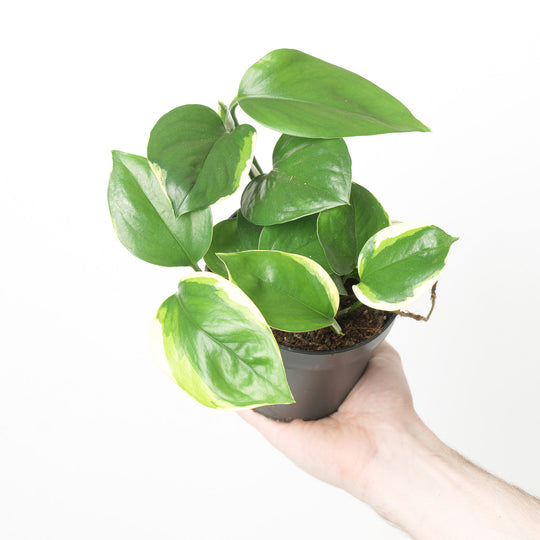
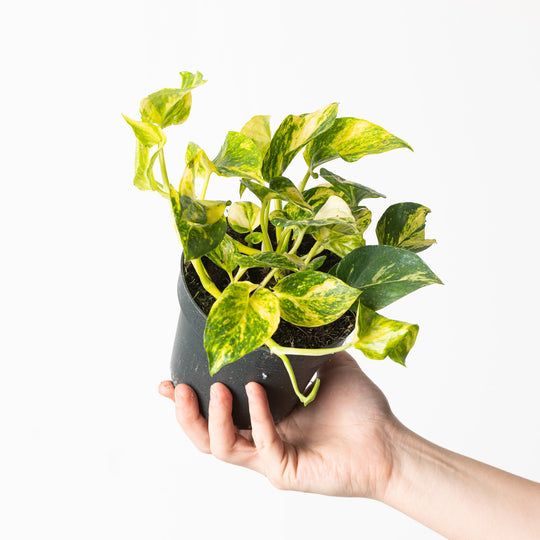
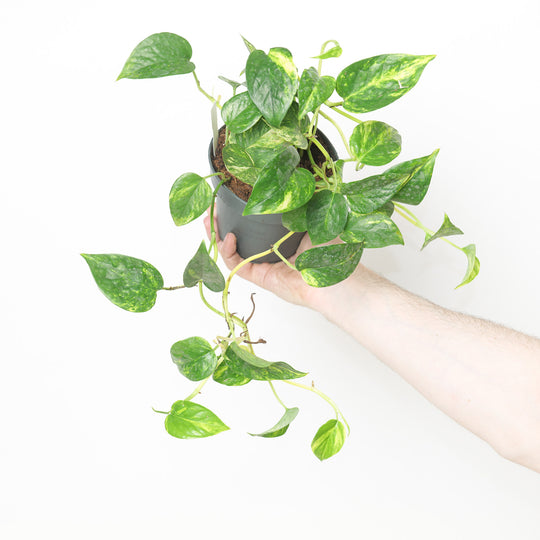
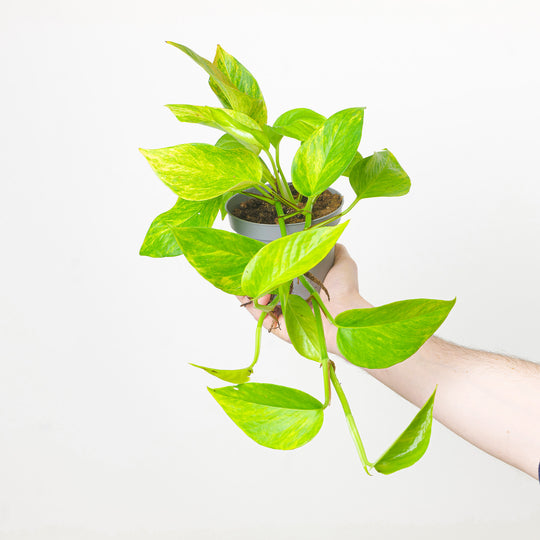
Golden Pothos is the classic variety with green and gold marbled leaves. Marble Queen offers striking white and green variegation, while Neon Pothos stands out with its vivid chartreuse foliage. For something more unusual, Global Green features deep green leaves with lighter centres, and Glacier has silvery-white markings on compact leaves.
Care and Growing Conditions
Epipremnum thrive in bright, indirect light but will tolerate low light conditions better than most houseplants. Variegated forms need a little more light to maintain their patterning. Water when the top few centimetres of soil feel dry, typically once a week in summer and less often in winter. They are not fussy about humidity, though a light mist is appreciated. Feed monthly with a balanced liquid fertiliser during the growing season.
Trailing and Climbing Display Ideas
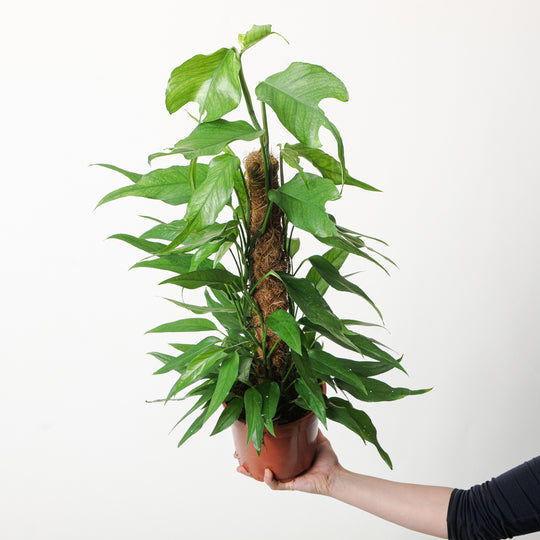
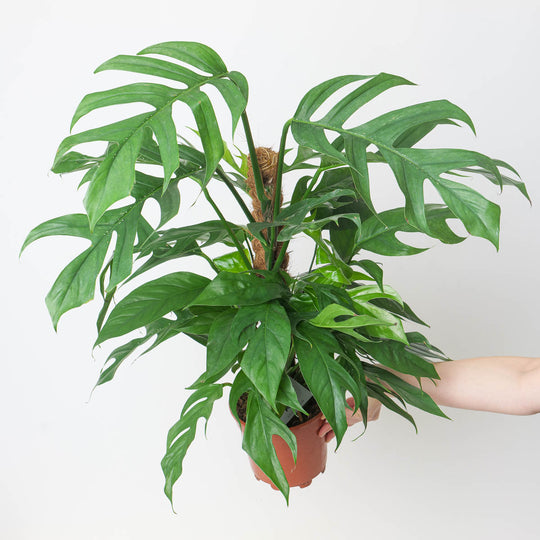
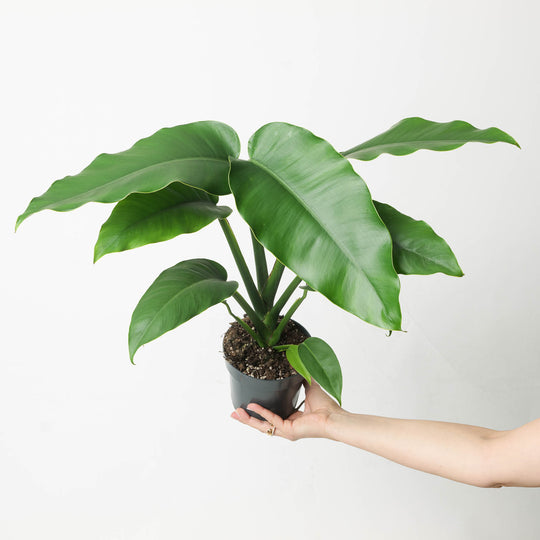
Epipremnum are incredibly versatile in how you display them. Let them trail from a high shelf, train them along a wall, or grow them up a moss pole for larger, more mature leaves. They make perfect companions for other trailing plants in our hanging plants and trailing plants collections. For a lush, layered look, pair them with upright plants from our Philodendron or Monstera ranges.
Why Epipremnum Are Great for Beginners
If you are new to houseplants, Epipremnum are one of the best places to start. They tolerate irregular watering, adapt to most light levels, and grow quickly enough to feel rewarding. They also propagate easily in water, making them perfect for sharing with friends. Browse our easy care collection for more beginner-friendly options, or explore low light plants if your space lacks natural brightness.