Peace Lily | Spathiphyllum


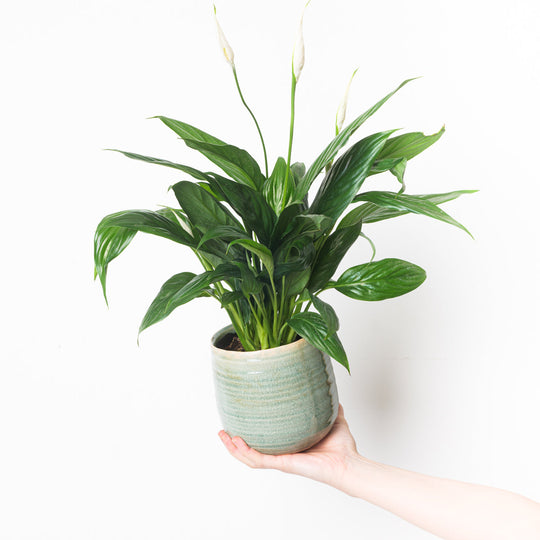
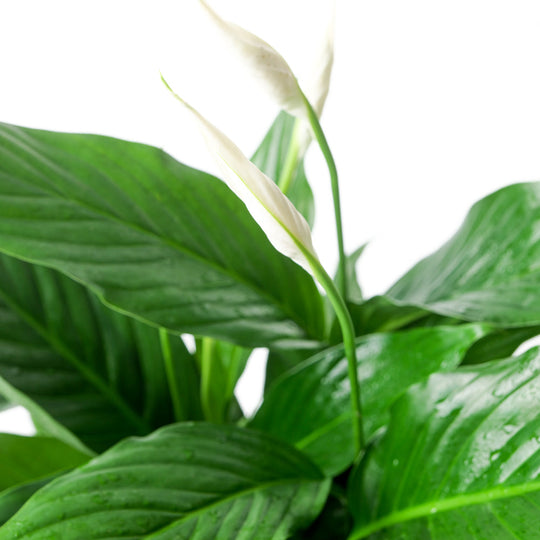
Peace lilies are one of the most popular and rewarding houseplants you can grow. Known for their elegant white spathes and glossy, deep green foliage, Spathiphyllum species thrive in lower light conditions where many other plants struggle. They are also excellent air purifiers, making them a practical choice for bedrooms, offices, and living rooms.

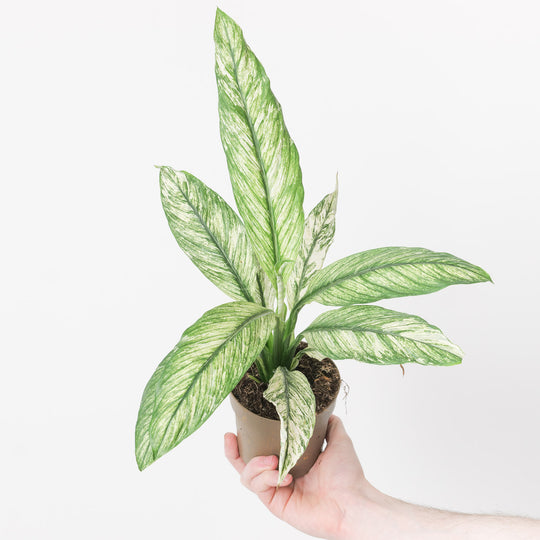
Our collection includes classic varieties like Spathiphyllum 'Sweet Silvio' and Spathiphyllum 'Alana', alongside rarer finds such as the stunning Spathiphyllum Diamond with its white-splashed leaves. For something truly unusual, explore the compact Spathiphyllum pygmaeum or the striking Sensation Variegated. All our peace lilies are sourced from trusted partner nurseries and shipped with care.

12 products

    12 products
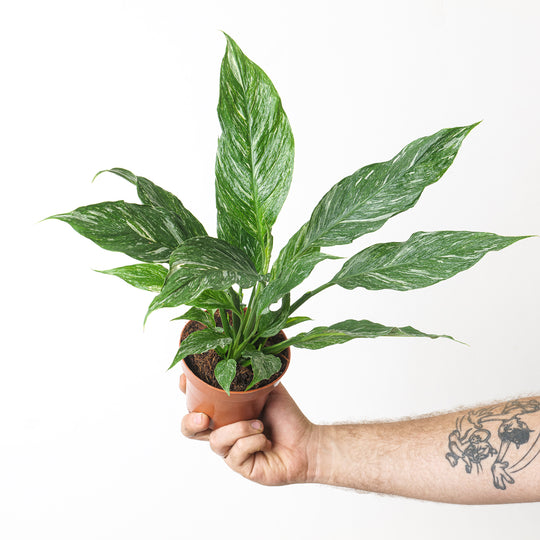
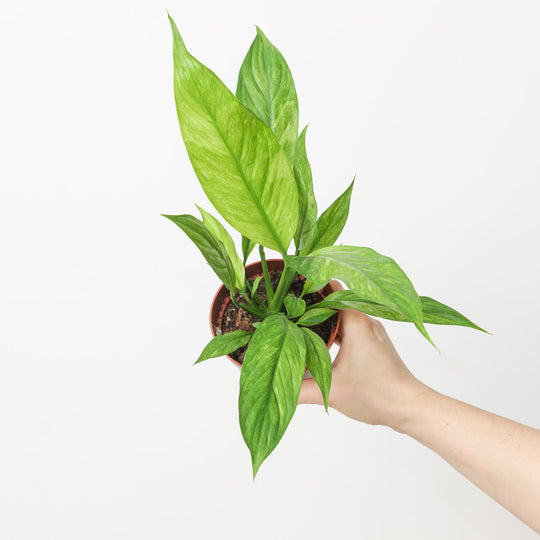
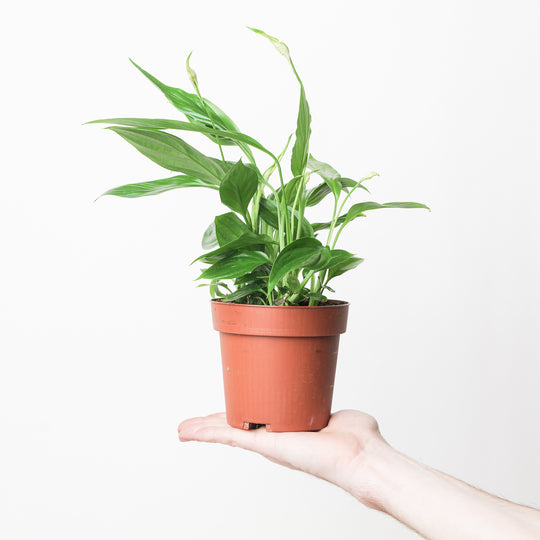
    Spathiphyllum Diamond 12cm Plants GrowTropicalsSale
    Variegated Peace Lilly

    Spathiphyllum Diamond

    🍘 Flowering
    £15.99 £20.99
    1
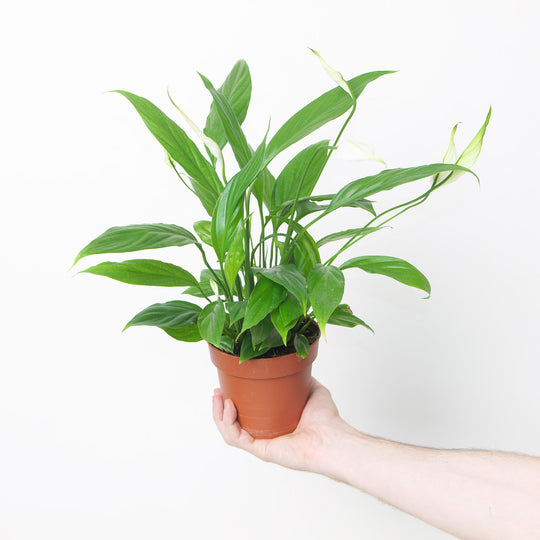
    Spathiphyllum Sensation Variegated 12cm Plants GrowTropicalsSale
    1
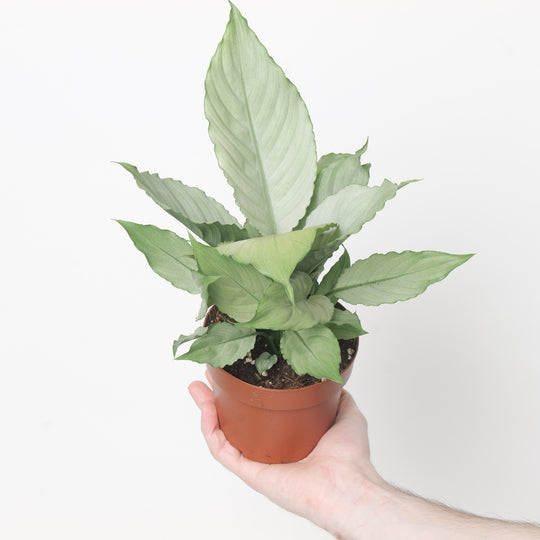
    Spathiphyllum 'Ghost' Plants GrowTropicals
    Variegated Peace Lilly

    Spathiphyllum 'Ghost'

    £28.99 £29.99
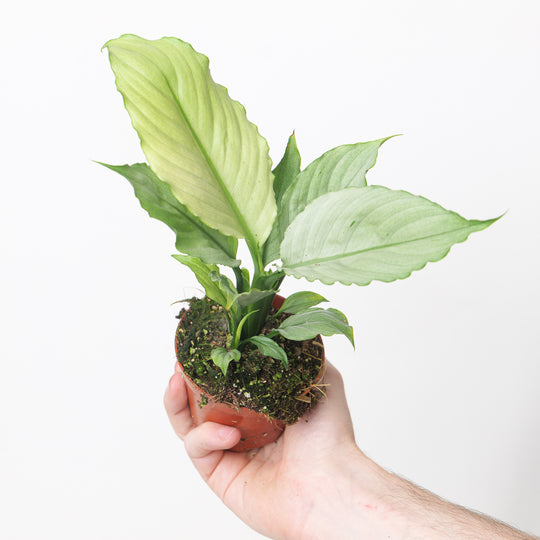
    Spathiphyllum aurea variegated Plants GrowTropicals
    Yellow Variegated Peace Lilly

    Spathiphyllum aurea variegated

    £13.99 £20.99
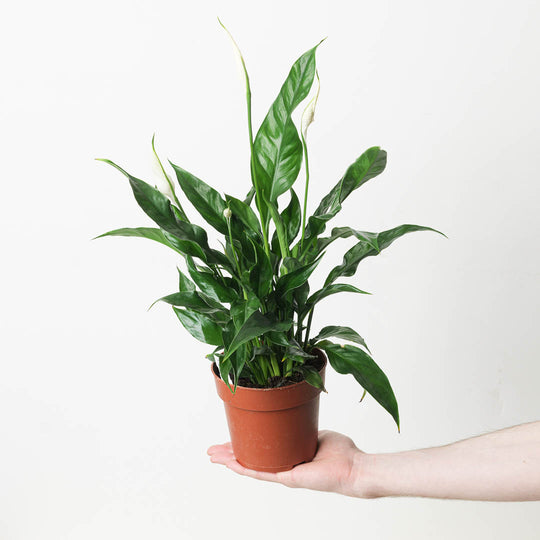
    Spathiphyllum 'Korto' Plants GrowTropicals
    Peace Lily

    Spathiphyllum 'Korto'

    🍘 Flowering
    £7.99
    1
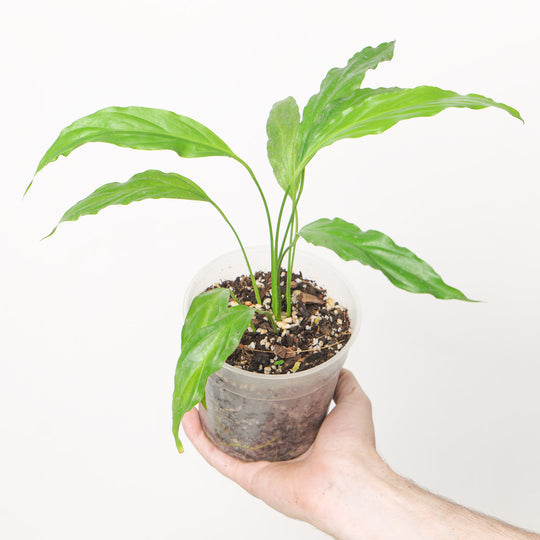
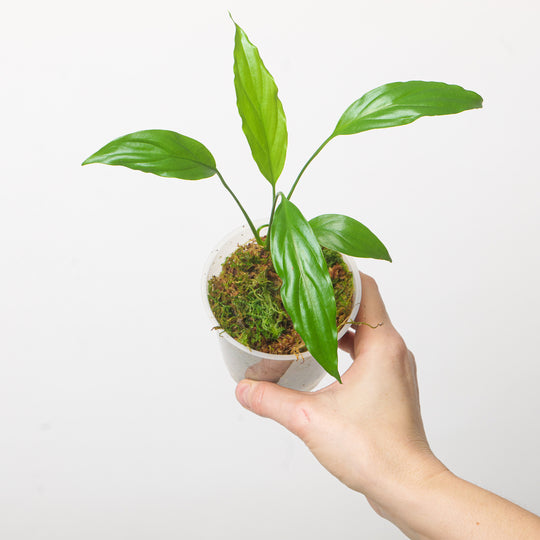
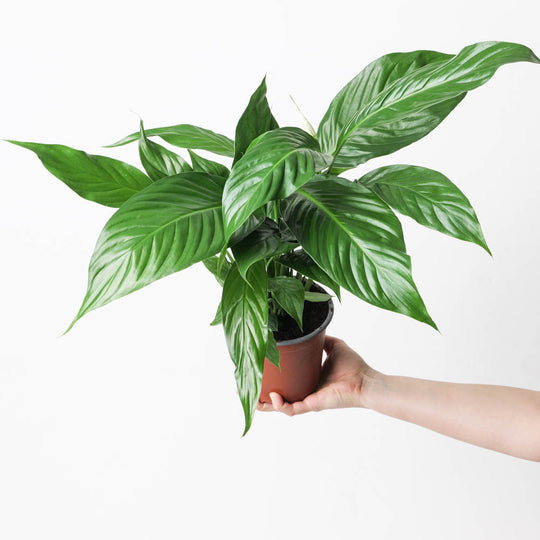
    Spathiphyllum sp. lanceolata Plants GrowTropicals
    1

    Your Guide to Peace Lily Plants

    Why Choose a Peace Lily?

    Peace lilies (Spathiphyllum) are valued for their graceful white flowers and ability to thrive in low to moderate light. They are forgiving of occasional missed waterings and will visibly droop when thirsty, making them easy to read. NASA research famously included them on the list of air-purifying houseplants, and they remain one of the best choices for improving indoor air quality.

    Popular Peace Lily Varieties

    Our collection spans classic and rare varieties. Spathiphyllum 'Sweet Silvio' is a reliable, compact grower with abundant blooms. 'Alana' produces broad, glossy leaves and suits slightly brighter spots. For collectors, the Spathiphyllum Diamond features striking white variegation, while Sensation Variegated offers large, painterly leaves.

    How to Care for Peace Lilies

    Place your peace lily in bright indirect light or a moderately shaded spot. Avoid direct summer sun, which can scorch the leaves. Water when the top 2 to 3 cm of compost feels dry; peace lilies will droop dramatically when underwatered but recover quickly once given a drink.

    Feed every two to four weeks with a balanced liquid fertiliser during spring and summer. Wipe leaves with a damp cloth occasionally to keep them dust-free and photosynthesising efficiently. Remove spent flower stems at the base to encourage new blooms.

    Peace Lilies for Beginners

    If you are new to houseplants, peace lilies are an excellent starting point. 'Sweet Curiosa' and 'Korto' are particularly forgiving varieties that tolerate lower light and inconsistent watering. Both belong in our Easy Care category for good reason.

    Rare and Unusual Peace Lilies

    Beyond the classics, we grow several uncommon Spathiphyllum species. Spathiphyllum pygmaeum is a miniature species perfect for terrariums and small shelves. Spathiphyllum 'Ghost' and Spathiphyllum aurea variegated are sought-after collector varieties with distinctive leaf patterns. All are sourced from trusted partner nurseries.

    Frequently Asked Questions

    Peace lilies belong to the genus Spathiphyllum, a group of tropical evergreens native to the rainforest floors of Central and South America. They produce glossy, lance-shaped leaves and distinctive white spathes (the 'flower' is actually a modified leaf surrounding a small spike). Most varieties stay compact enough for tabletops, though larger cultivars like Sensation can reach over a metre tall.

    They are popular as houseplants because they tolerate low light, purify indoor air, and flower reliably indoors. Our collection includes classic, variegated, and rare miniature species like Spathiphyllum pygmaeum.

    Spathiphyllum 'Sweet Silvio' and 'Alana' are two of the most forgiving peace lilies. Both tolerate lower light, recover quickly from underwatering, and flower without much fuss. They will visibly droop when thirsty, which makes them easy to read.

    For something a little different, try 'Sweet Curiosa', which stays compact and handles typical room conditions well. All three sit comfortably in our Easy Care range.

    Place your peace lily in bright indirect light or moderate shade. Water when the top 2 to 3 cm of compost feels dry. Peace lilies droop when thirsty but perk up quickly after watering. Avoid letting them sit in standing water, as this can cause root rot.

    Feed every two to four weeks with a balanced liquid fertiliser during spring and summer. Wipe the leaves occasionally to remove dust. Remove spent flower stems at the base to redirect energy into new growth and blooms.

    No. Peace lilies are one of the best houseplants for lower light conditions. Most varieties, including 'Sweet Silvio' and 'Korto', will grow happily in a north-facing room or a few metres back from a brighter window.

    Variegated varieties like Spathiphyllum Diamond benefit from slightly brighter indirect light to maintain their white markings. Avoid direct harsh summer sun through south-facing windows, as this can scorch the leaves.

    Peace lilies contain calcium oxalate crystals and are considered mildly toxic to cats and dogs. Chewing the leaves can cause mouth irritation, drooling, and discomfort. They are not typically life-threatening, but it is best to keep them out of reach of curious pets.

    If you need pet-friendly alternatives with a similar look, consider plants from our Easy Care collection. Always check individual product pages for specific pet safety information before purchasing.

    Peace lilies flower best when they receive consistent bright indirect light. A spot near a north or east-facing window is ideal. Plants kept in very low light may produce healthy foliage but fewer blooms. Mature, well-established plants flower more reliably than younger ones.

    Regular feeding during spring and summer encourages flowering. A balanced liquid fertiliser every two to four weeks provides the nutrients needed. Ensure the pot is not too large; peace lilies often bloom more when slightly root-bound. Patience helps, as some varieties take a season or two to settle in before producing spathes.