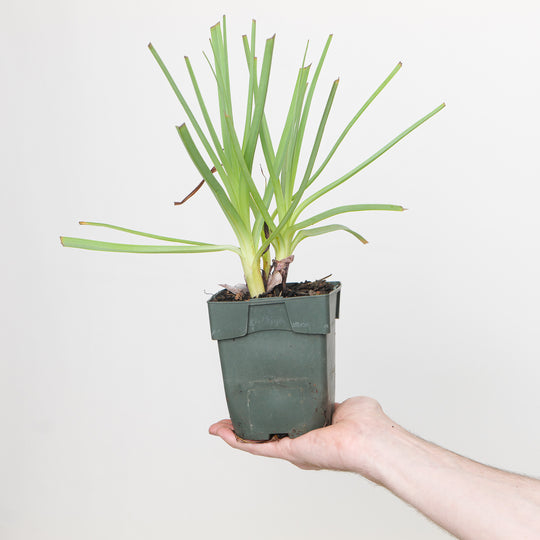
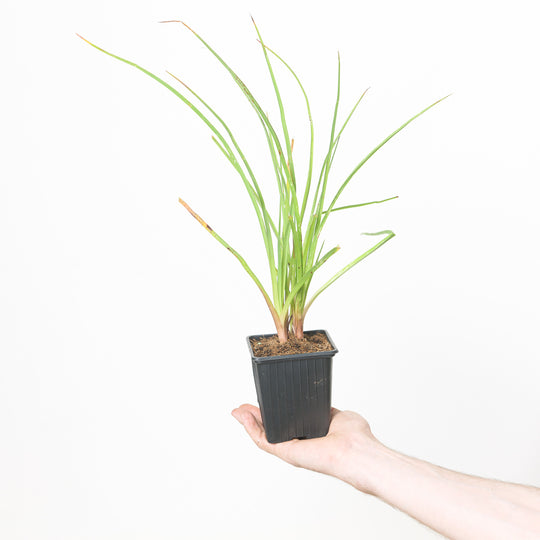
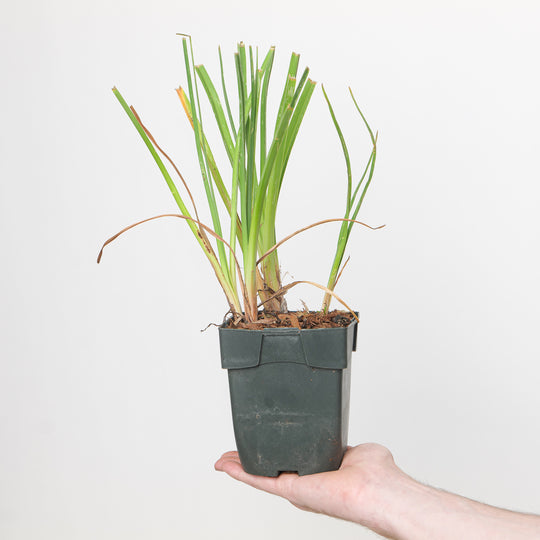
Red Hot Pokers
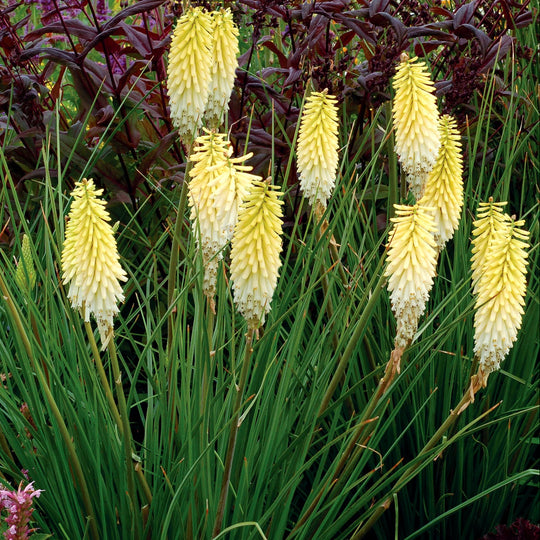
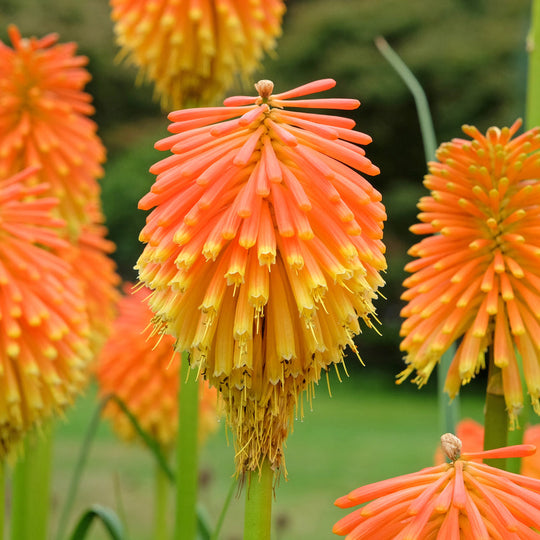
Red hot pokers do exactly what the name promises. Tall spikes of fiery orange, red and yellow flowers rise above grassy foliage through summer, and the bees cannot get enough of them.
7 products
Red hot pokers do exactly what the name promises. Tall spikes of fiery orange, red and yellow flowers rise above grassy foliage through summer, and the bees cannot get enough of them.
7 products
Kniphofia, better known as the red hot poker, is one of the boldest perennials you can grow. Sturdy stems carry dense pokers of tubular flowers, classically in a hot gradient of red, orange and yellow, though softer creams and greens exist too. They give a border real vertical drama from early summer onwards, and are irresistible to bees and other pollinators drawn to the nectar-rich spikes.
They are tough, sun-loving and refreshingly easy. Give them full sun and free-draining soil and they shrug off drought once established, which makes them a natural for a hot, dry border or a gravel garden. They dislike winter wet more than winter cold, so sharp drainage matters, and it helps to tie the evergreen kinds' leaves up over the crown for winter protection. Leave them undisturbed and they build into impressive clumps.
All grown for UK gardens and sent out well rooted.
In full sun on free-draining soil. They thrive in hot, dry borders and gravel gardens and are drought-tolerant once established. Their main dislike is winter wet, so sharp drainage matters more than shelter from cold.
Excellent. The nectar-rich flower spikes are a magnet for bees, and the tubular flowers are also visited by some birds. They are one of the best bold perennials for a wildlife-friendly sunny border.
Depending on the variety, from early summer right through to autumn. Choosing a mix of early and late kinds gives you fiery spikes over a long stretch of the season.
Very little. Remove faded flower spikes to keep them tidy, and on the evergreen types it helps to gather the leaves up and tie them over the crown in autumn to keep winter wet out. Otherwise leave the clumps undisturbed.
Sign up and save
Get 10% off your first order and be first to hear about restocks and offers
Gifting has never been easier
Perfect if you're short on time or are unable to deliver your gift yourself. Enter your message and select when to send it.