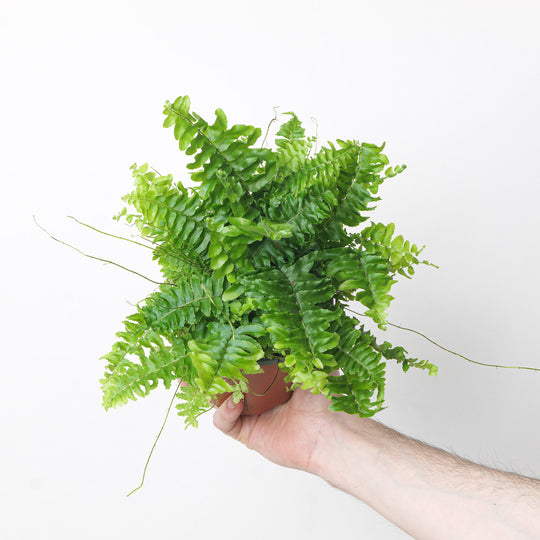
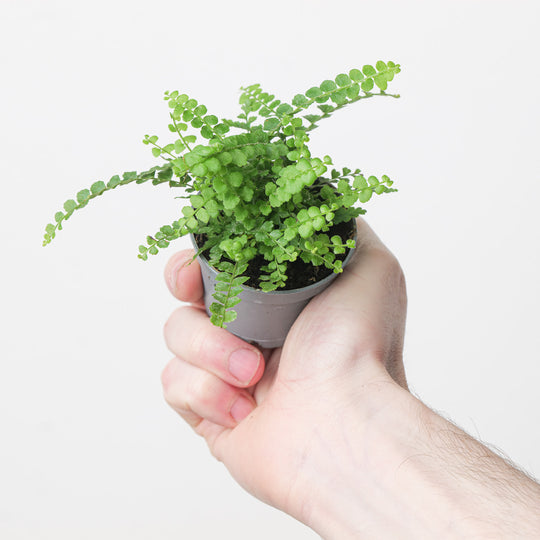
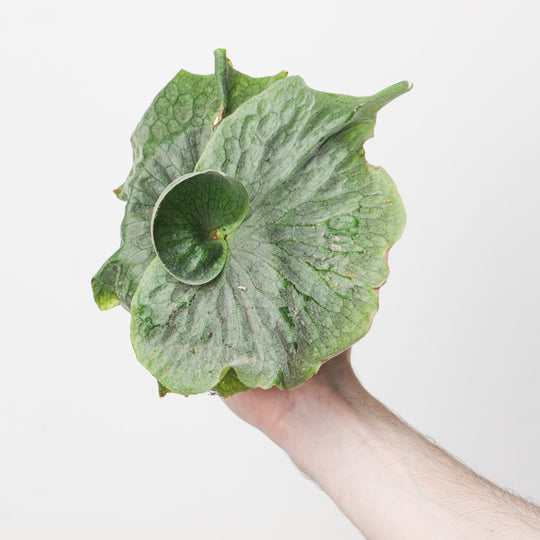
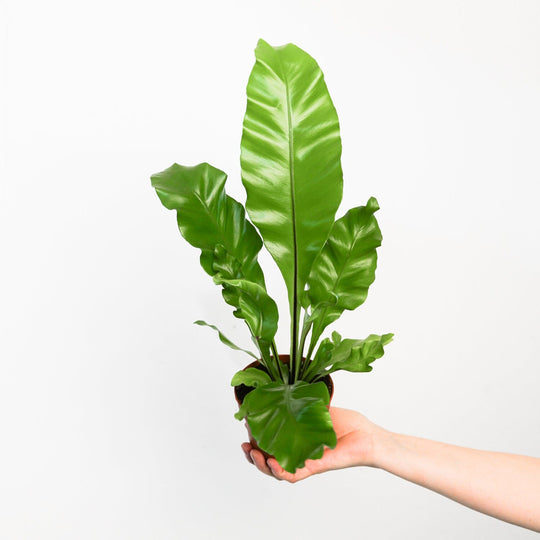
Kangaroo Fern
Microsorum Care Guide

Microsorum ferns come from the warm, humid forests of Southeast Asia, Australia and the Pacific, where most species live not in the ground but on it, creeping along tree trunks, branches and mossy rocks beneath the canopy. That origin story explains almost everything about their care: shaded from direct sun by the trees above, kept damp by rain and forest humidity, and rooted into loose bark and leaf litter rather than heavy soil, they have evolved to want steady moisture, warmth and filtered light, and they never want to dry out.
The good news is that if you can recreate those three things at home, this is one of the more forgiving fern groups you can grow indoors. The genus covers several plants sold under different common names, including the Kangaroo Fern from Australia and New Zealand, the Crocodile Fern from Southeast Asia, and the rare, iridescent Blue Oil Fern from Thailand, and because they share the same wild habitats, they share the same basic needs.
This guide covers light, watering, soil, repotting, propagation and the varieties worth knowing, plus the problems we see most often at our nursery.
Light Requirements for Kangaroo Fern and Crocodile Fern
The ideal light for a Microsorum is bright and indirect. A spot near an east-facing window, or one to two metres back from a brighter window, suits them well. In the wild, many Microsorum grow as epiphytes on tree trunks or as lithophytes on rocks, shaded by the canopy above, so they are built for filtered light rather than full sun.
Too much light causes problems quickly: direct sun bleaches the fronds and leaves dry, crisp patches behind. Too little light causes a slower decline, where growth grinds to a stop and new fronds come in small and pale. These ferns cope with lower light better than most houseplants, which is why we list several of them as happy in low light, but even they will not thrive in a genuinely dark corner.
How Often to Water Microsorum
The rule is simple: keep the compost lightly and evenly moist, never soggy and never bone dry. In practice, that means watering when the top one to two centimetres of compost feels dry, which usually works out at every five to seven days in summer and less often in winter.
These are not plants that tolerate drying out, and a Microsorum that has been left too long will show it fast. The signs of underwatering are fronds that go limp and then turn brown and crisp from the tips. The signs of overwatering are yellowing fronds, a sour smell from the pot, and blackening at the base, which usually means the roots or rhizome are starting to rot. Use tepid water and let the excess drain away freely rather than leaving the pot sitting in a saucer of water.
Microsorum also enjoy higher humidity, and this matters more for the thin-leaved terrarium types than it does for the leathery Crocodile Fern. We do not recommend misting, because it does very little for humidity and it encourages fungal spotting on fern fronds. Instead, group your plants together stand the pot on a pebble tray, or keep the real humidity lovers in a bathroom or a planted terrarium.
Soil and Potting Mix
A heavy, dense compost will hold too much water around the rhizome and cause it to rot. What these ferns want instead is a chunky, free-draining mix, which is exactly what our Fern Premium Potting Mix is blended for: it holds the steady moisture ferns need while keeping plenty of air around the rhizome, mimicking the loose, organic debris they root into in the wild. If you prefer to mix your own, a peat-free houseplant compost opened up with orchid bark, perlite and a little coco coir works well too.
The rhizome itself should sit on or just below the surface of the compost, never buried beneath it. Burying the rhizome is the most common potting mistake we see with this group, and it very often leads to rot.
Repotting
Repot every two years or so, ideally in spring, and only go up one pot size at a time. These ferns are shallow-rooted and grow from a creeping rhizome, so a wide, shallow pot suits them far better than a deep one. Terracotta, or any pot with generous drainage holes, helps keep the rhizome from sitting wet. If a plant looks tired but its roots have not yet filled the pot, refresh the top layer of compost rather than moving it up a size.
Propagation
The simplest and most reliable way to propagate a Microsorum is to divide the rhizome.
- Take the plant out of its pot in spring and shake off the loose compost.
- Find a healthy section of rhizome that carries several fronds and its own roots.
- Cut it away cleanly with a sterile blade.
- Pot the division into the same free-draining mix, keep it warm and lightly moist, and hold off on feeding for a few weeks while it settles in.
Ferns do not grow from stem cuttings the way an aroid does. They can be raised from spores, but that route is slow and fiddly, so for home growers division is the practical choice.
Common Problems
Brown, crispy frond edges. Usually the compost dried out, or the air is very dry near a radiator. Keep watering steadier and move the plant away from heat sources.
Yellowing fronds and a soft base. Overwatering or a buried rhizome. Ease off the water, check the rhizome is sitting at the surface, and repot into a chunkier mix if the current one stays wet.
Scale and mealybugs. These are the pests we see most on indoor ferns. Both hide along the frond midribs and undersides. Wipe them off with a cotton bud dipped in dilute horticultural soap and check weekly until clear. Ferns can be sensitive to oils, so spot-test any treatment on one frond first.
If this has you tempted, the Microsorum group is only the start. Our full spans everything from tough, beginner-friendly staples to rarities you will struggle to find anywhere else in the UK, all grown and acclimatised at our nursery before they reach you. The smaller, humidity-loving species slot straight into our range, and because ferns handle shade better than almost anything else, you will find several in our collection too. Wherever you have a shady corner begging for some green, there is a fern in the collection ready to fill it.
The Crocodile Fern and Kangaroo Fern are non-toxic to cats and dogs, which is why they sit in our pet-safe houseplants range. If you are ever unsure about a plant, drop us a message and our horticultural team will help.
If this has you tempted, the Microsorum group is only the start. Our full spans everything from tough, beginner-friendly staples to rarities you will struggle to find anywhere else in the UK.