Packaged with Care
Every order is hand-packed in eco-friendly, protective packaging - refined through thousands of deliveries to ensure your plant arrives healthy, hydrated, and looking its best.
Backed by our Live Arrival Guarantee.


FREE tracked delivery on orders over £60
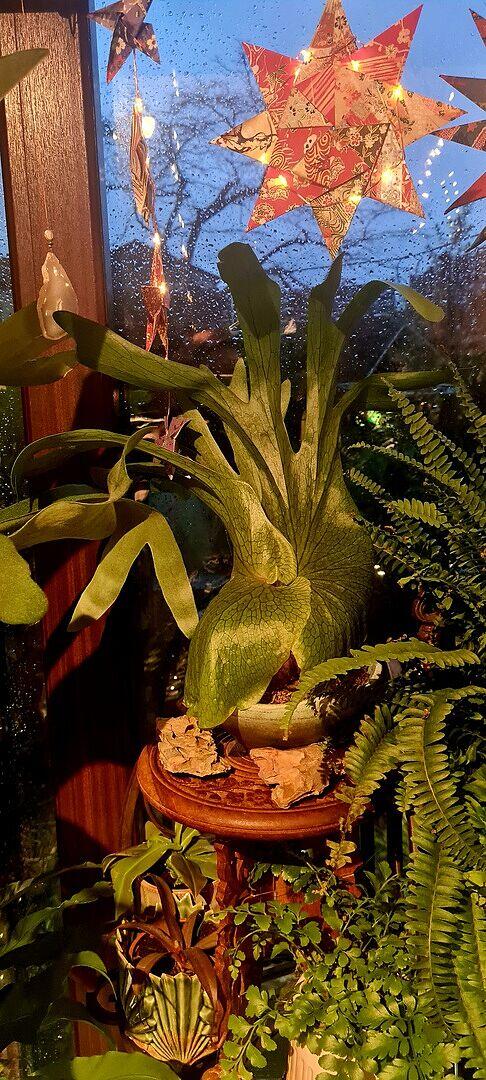
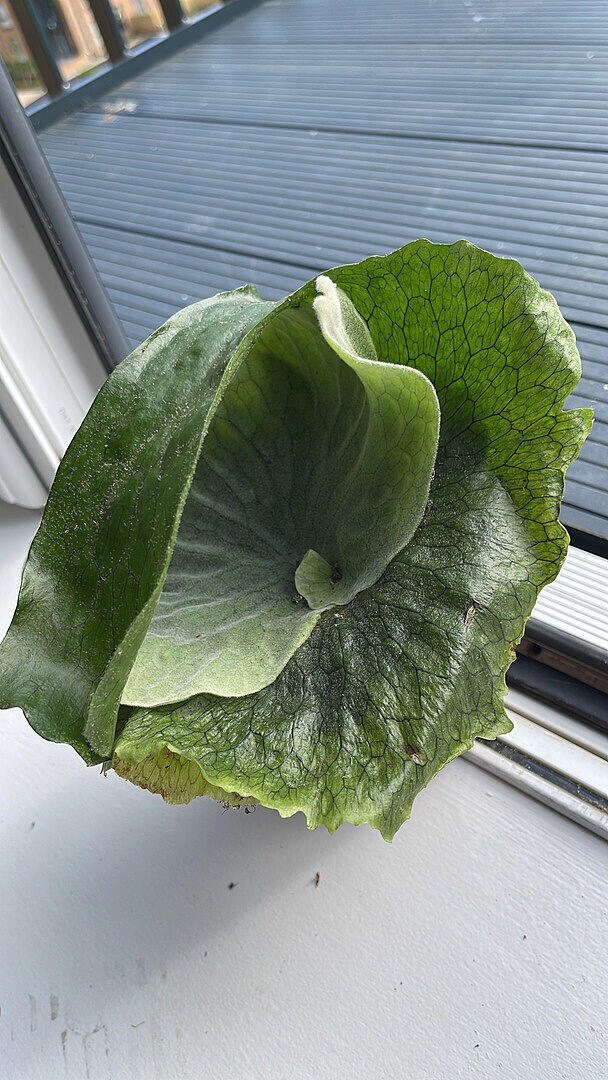
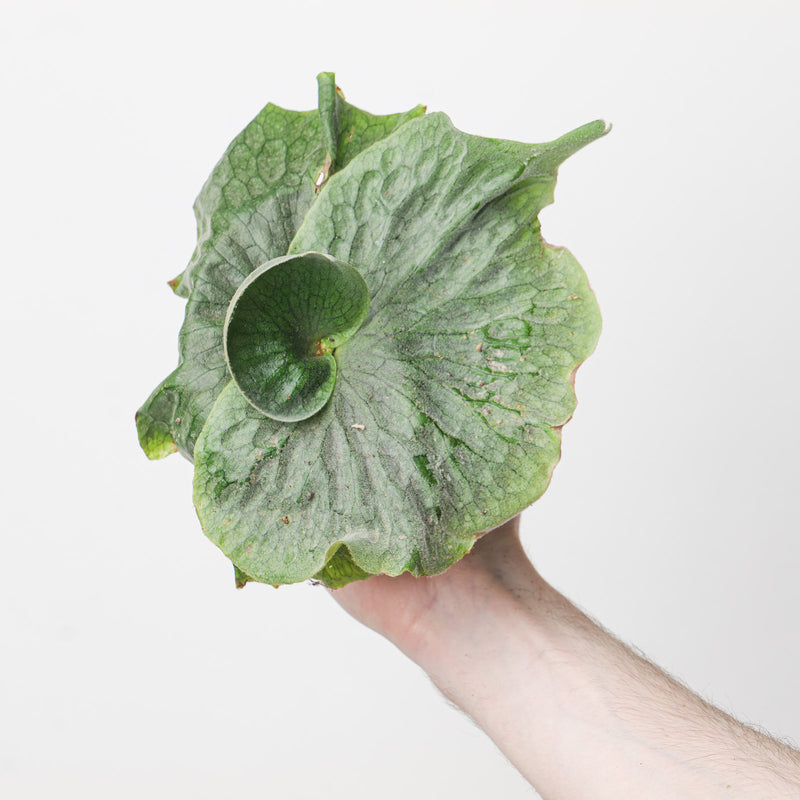
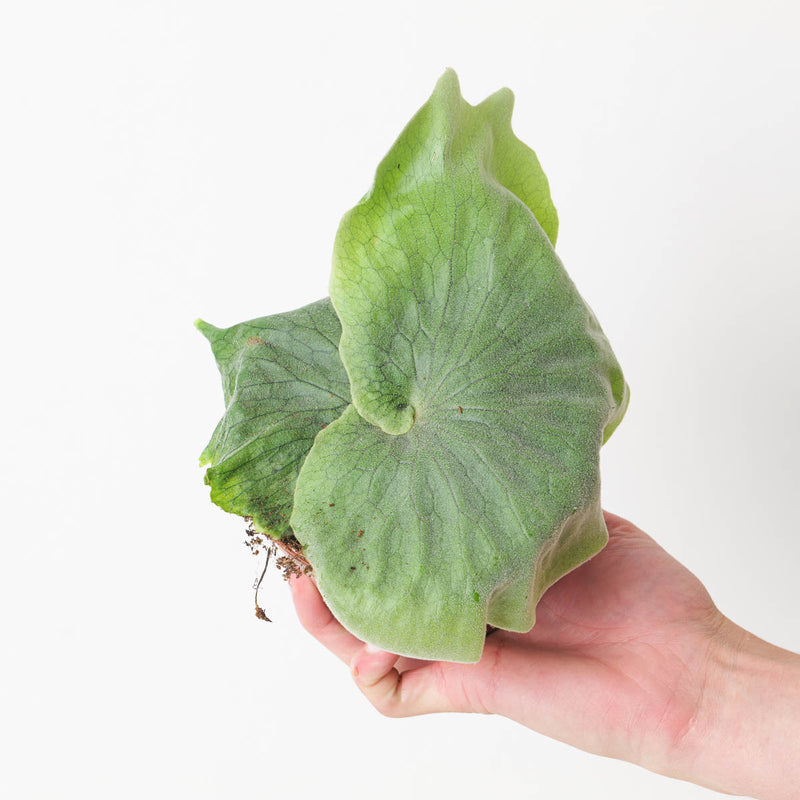
The staghorn fern that earns its name. Platycerium superbum, the Giant Staghorn Fern, is the largest and most dramatic species in its genus, producing enormous, forked fertile fronds that hang downward like a pair of antlers, and large, shield-shaped basal fronds that clasp whatever surface the plant is mounted on. It is an epiphyte, meaning it grows on other plants rather than in soil, and it looks its best mounted on a board or grown in a hanging basket rather than a traditional pot.
All plants are covered by our 7-day live arrival guarantee. We pack every order in protective, sustainable packaging designed to keep your plants safe in transit, and every plant is checked before it ships. On the rare occasion something is not right on arrival, we will make it good, provided the plant is still in its original nursery pot.
Based on your basket total, confirmed at checkout. Free delivery: Economy over £60 · Standard over £100 · Express over £150.
Order by 1pm Monday to Friday for same day dispatch. Every plant travels in protective, plant-safe packaging with tracked delivery.
Changed your mind? See our Return Policy.
Arrived just like the photos - maybe even fuller. Healthy, well-acclimated, and straight into my collection with no issues.
Flawless leaves, stunning variegation, and clearly cared for by experts. It’s already a talking point in my home office.
Hard to find rare plants that are pet-safe. Ours arrived in perfect condition and looks amazing without any worry.
Platycerium superbum is a houseplant that takes a little effort. It needs bright indirect light, watering once the top 2 to 3cm of compost has dried out, high humidity and a minimum temperature of 13°C. It is listed as non-toxic to cats and dogs.
A little effort
Bright, indirect light
This plant grows best in bright, indirect light or dappled shade. Keep it away from direct sun, which can scorch its delicate leaves. For healthy growth and vibrant foliage, place it near a north-facing or east-facing window where it will receive plenty of filtered light.
Learn more →Let the top few centimetres dry out
Keep the soil consistently moist but not waterlogged. Water your plant when the top layer of soil feels slightly dry, and always ensure the pot has good drainage. Avoid soggy soil or standing water, and do not let the plant dry out completely, as steady moisture is essential for healthy growth.
Needs high humidity
This plant thrives in high humidity and benefits from a consistently humid environment. Good humidity levels help support healthy growth and keep the foliage healthy. To increase humidity, use a humidifier or place the plant in a naturally humid room like a bathroom or kitchen. Plant cabinets, grow tents, and terrariums can also help create stable humidity for tropical houseplants, especially in drier homes. When using enclosed growing spaces, ensure there is adequate airflow to prevent excess moisture build-up. Adding sphagnum moss around the stem can also help hold moisture and improve growing conditions.
Learn more →Keep above 13°C · Happy at normal room temperature
This plant grows best in warm temperatures between 18°C and 26°C. Keep it away from cold draughts and avoid temperatures below 15°C, as cooler conditions can stress the plant and affect healthy growth.
Feed monthly with a balanced fertiliser from spring to autumn, and let it rest over winter.
Listed as non-toxic to cats and dogs. Plants still are not food, so a determined chewer may get an upset stomach.
Polypodiaceae
Platycerium superbum
We could not find a close match for that. Ask us directly and a real plant person will reply.
Contact usStaghorn ferns are easier than their architectural shape suggests. This guide covers mounting, watering, light, feeding, and the Platycerium cultivars worth growing indoors.
More about Platycerium care
Every order is hand-packed in eco-friendly, protective packaging - refined through thousands of deliveries to ensure your plant arrives healthy, hydrated, and looking its best.
Backed by our Live Arrival Guarantee.

From rare collector’s pieces to easy-care favourites, our plants arrive fully potted and ready to enjoy. Add a personalised note at checkout for a thoughtful finishing touch.
Delivered fresh, beautiful, and gift-ready.

All plants are ethically sourced from trusted growers, never wild-collected. Every order ships carbon-neutral in minimal-waste packaging.
Good for your home - and the planet.
Customers praised this staghorn fern for arriving "very healthy" with "excellent packaging." Most reported plants were "much bigger than expected" and became "showstoppers." One customer noted the plant didn't match the photo. Shoppers appreciate the "quality" and quick delivery, though one mentioned overly wet soil.
This little stag arrived in a perfect condition and quickly adapted to its new home. It proved to be really easy to look after and grew so much more than expected. Now it's a showstopper in its own right!
Wow is all I can say, when my Platycerium superbum arrived I couldn’t believe the size of it as it was much bigger than expected & quality is amazing .
My plants were well packaged. Both arrived without damage and are really nice sizes. Super pleased
Excellent young pup, very healthy and undamaged, packaging was excellent. This is the 3rd staghorn that i have bought and also 2 begonia rex's, always delighted with the quality.
Excellent young pup, very healthy and undamaged, packaging was excellent. This is the 3rd staghorn that i have bought and also 2 begonia rex's, always delighted with the quality.
Just recently I discovered these wonderful people and their quality plants. I am ashamed of myself for not discovering them before. I have now rectified the error with some healthy, vigorous and stunning plants.
If you are reading this its probably because you are prevaricating, well you can stop that now, and order something! I'm confident, from my experiences you will not be disappointed. :u1F973:
Got a normal stag horn fern that I recently attached to a lump of driftwood to hang on a wall. So when I saw these i had to grab me one. Great plant arrived in great condition.
Very unusual. Hopefully I’m not gonna kill it :-)
Love this baby! Really healthy. Can't wait for it to grow.
The only resemblance to the photo is the size of the plant, what you see in the photo is a very healthy looking plant with 3 developing large leaves, what I received is a sickly looking plant with a foliage more resembling a standard stagshorn fern fond, not what I signed up for
Very healthy and well packaged was also delivered quickly.
Very healthy and well packaged was also delivered quickly.
Thank you, Beautiful plant, very well packed, arrived in very good condition. The soil was too wet for the journey but it didn't affect the quality