


Packaged with Care
Every order is hand-packed in eco-friendly, protective packaging - refined through thousands of deliveries to ensure your plant arrives healthy, hydrated, and looking its best.
Backed by our Live Arrival Guarantee.


 9cm / 0.5L
Winter care: we are into the colder months. Protect newly planted or tender specimens from hard frosts, and hold off planting out until the frost risk has passed.
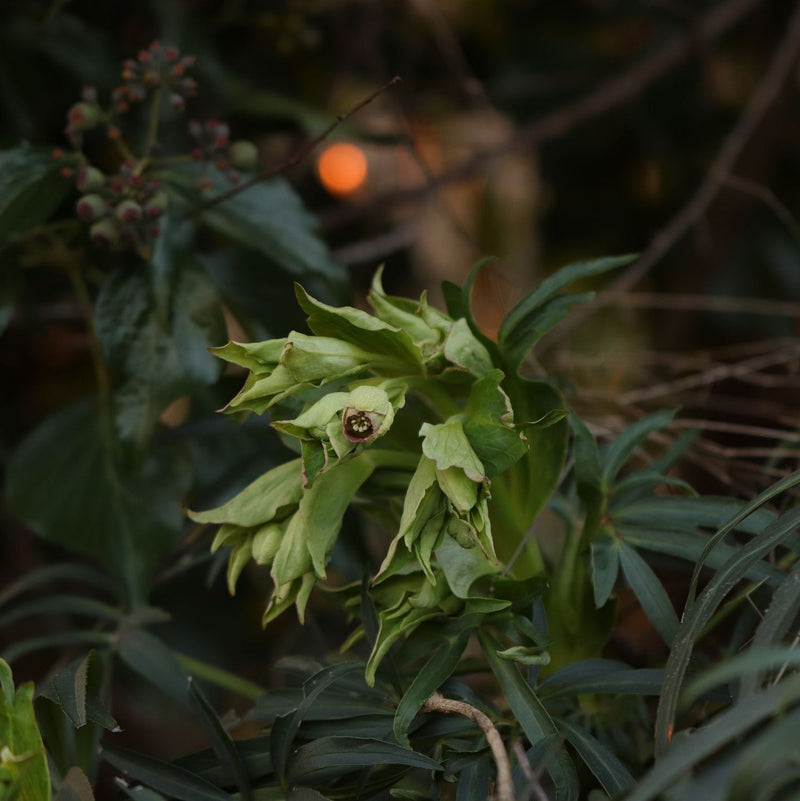
Helleborus foetidus, the stinking hellebore, is one of only two hellebores native to Britain, and in the depths of winter it behaves like nothing else in the flora: from January to April, airy heads of pale green bells, each rimmed purple-red, stand above deeply fingered, black-green evergreen foliage. It holds the RHS Award of Garden Merit, and queen bumblebees emerging on mild winter days depend on it.
Hardiness and seasons. Rated H7, the RHS's top rating, hardy below -20C: there is nowhere in the UK too cold for it. Individual plants live three to five years but self-sow gently, so a planting renews itself indefinitely.
In the garden. A chalkland native, superb in dry shade under deciduous trees, threading through an exotic border, or anywhere its architectural winter presence can be seen. One of the hardest-working plants for pollinators in the bleakest months. And the name is unfair: it smells only if you crush the leaves.
All plants are covered by our 7-day live arrival guarantee. We pack every order in protective, sustainable packaging designed to keep your plants safe in transit, and every plant is checked before it ships. On the rare occasion something is not right on arrival, we will make it good, provided the plant is still in its original nursery pot.
Ordering in autumn or winter? Many hardy exotics arrive dormant or cut back right now. This is normal, and the best time to plant.
Seasonal by nature: what to expect
Not sure what to expect from yours? Dormant, cut-back or weather-marked plants are all perfectly healthy and normal. Read what to expect through the seasons
Based on your basket total, confirmed at checkout. Free delivery: Economy over £60 · Standard over £100 · Express over £150.
Order by 1pm Monday to Friday for same day dispatch. Every plant travels in protective, plant-safe packaging with tracked delivery.
Changed your mind? See our Return Policy.

Arrived just like the photos - maybe even fuller. Healthy, well-acclimated, and straight into my collection with no issues.
Flawless leaves, stunning variegation, and clearly cared for by experts. It’s already a talking point in my home office.
Hard to find rare plants that are pet-safe. Ours arrived in perfect condition and looks amazing without any worry.
Helleborus foetidus needs full sun or partial shade and moist but well-drained soil. It is very hardy, standing the coldest UK winters outdoors.
RHS H7 · Hardy Exotic · below −20°C
Water through the first season and mulch annually in autumn; after that it looks after itself, needing water only in prolonged drought.
Bushy
January to April (large open clusters of nodding, pale green bells, each usually rimmed purple-red, from late winter into spring; buds often show from midwinter) · Green, Purple
Evergreen
No routine pruning. Remove faded or damaged foliage as the flowers appear (RHS). It is caulescent, flowering at the top of last year's leafy stems: cut the spent flowered stems to the base in late spring, leaving any new basal shoots, and let a few seedheads stand if you want it to self-sow.
RHS: potentially harmful; harmful if eaten and can irritate the skin, for people and pets. All hellebores are toxic; wear gloves when handling and keep away from children and pets.
Great Britain and Ireland; western and southern Europe
Ranunculaceae
Helleborus foetidus
We could not find a close match for that. Ask us directly and a real plant person will reply.
Contact usEvery order is hand-packed in eco-friendly, protective packaging - refined through thousands of deliveries to ensure your plant arrives healthy, hydrated, and looking its best.
Backed by our Live Arrival Guarantee.

From rare collector’s pieces to easy-care favourites, our plants arrive fully potted and ready to enjoy. Add a personalised note at checkout for a thoughtful finishing touch.
Delivered fresh, beautiful, and gift-ready.

All plants are ethically sourced from trusted growers, never wild-collected. Every order ships carbon-neutral in minimal-waste packaging.
Good for your home - and the planet.
