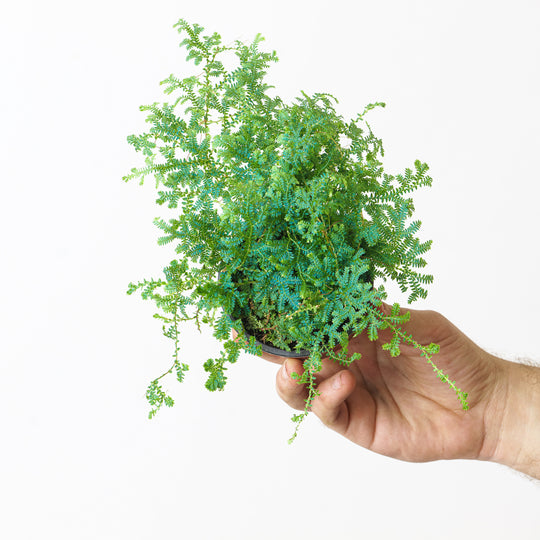
Selaginella - Spikemoss


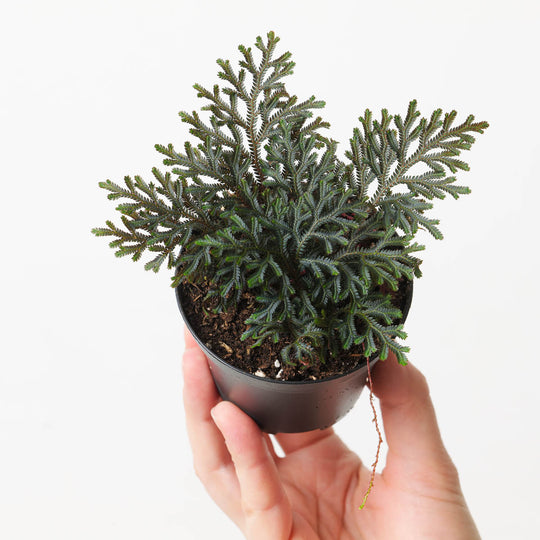
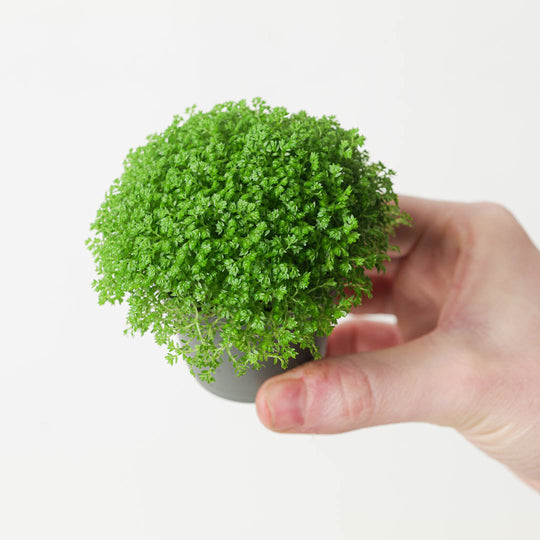
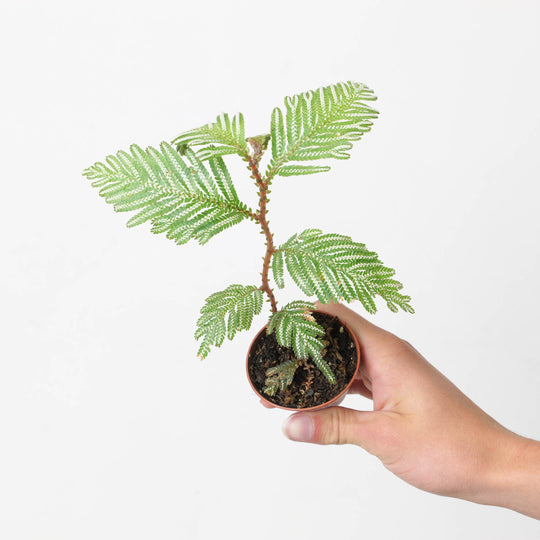
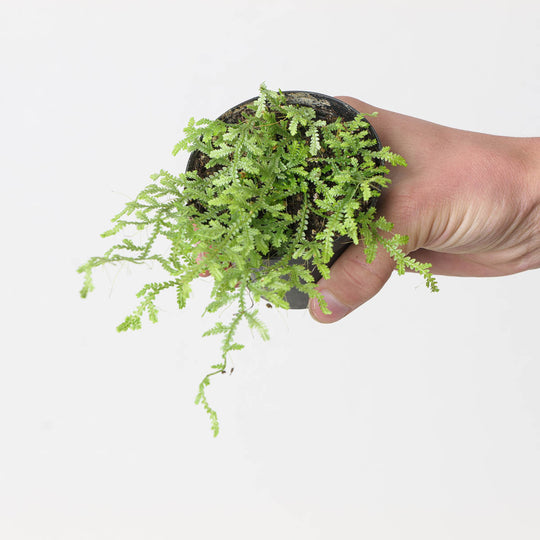
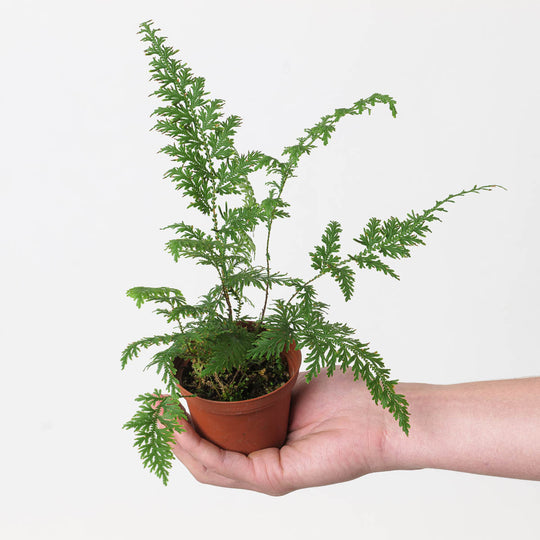
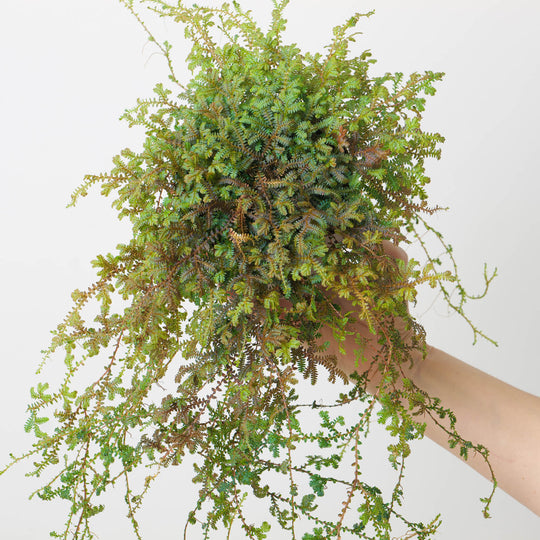
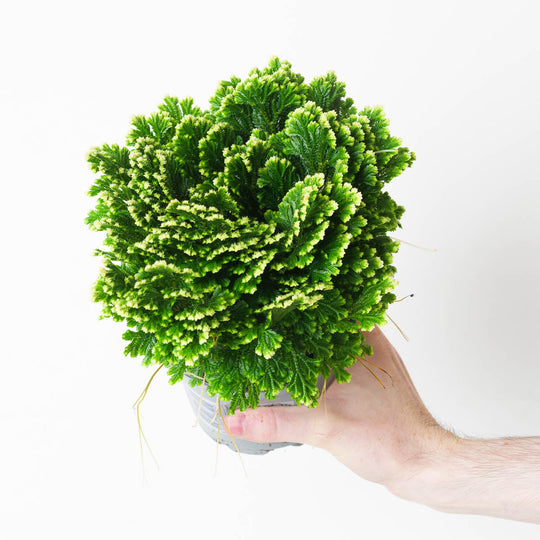
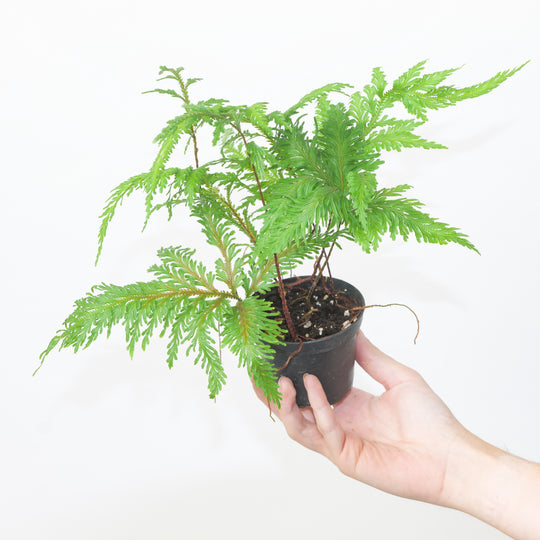
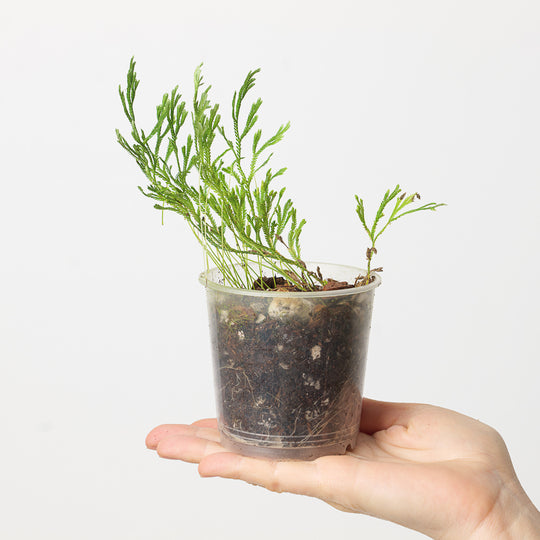
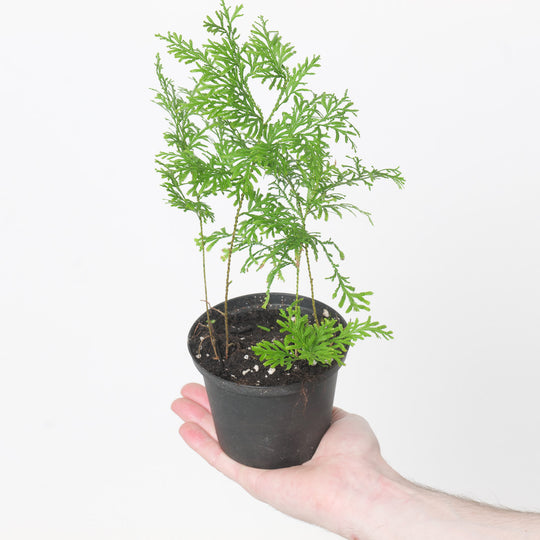
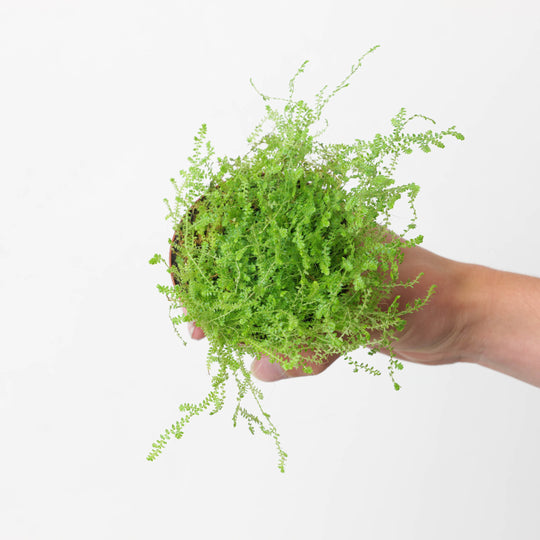
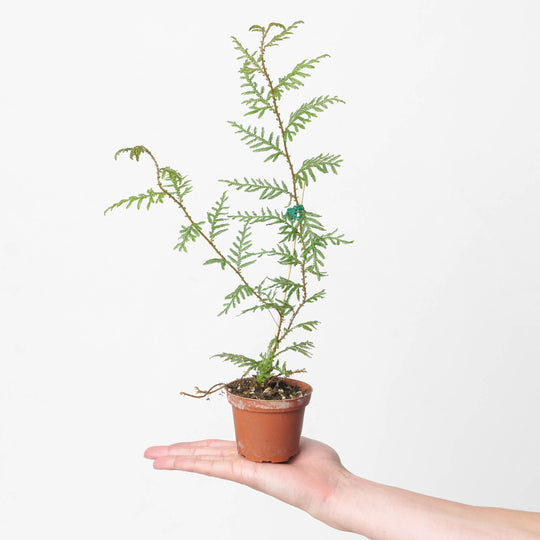
Selaginella, commonly known as spikemoss, are ancient, moss-like plants with delicate, feathery foliage that forms a low, spreading carpet of green. Despite the fern-like look they are neither true ferns nor mosses, but a distinct, primitive lineage dating back hundreds of millions of years. They love the warm, humid, shaded conditions of a terrarium or bottle garden, where their fine foliage really thrives. Our range spans the iridescent blue-green Selaginella uncinata, the rosette-forming S. erythropus and the delicate meadow spikemoss, alongside rarer collector forms. Every plant is grown on and inspected before dispatch, with next-day delivery available.

13 products

    13 products

    Selaginella (Spikemoss): Types, Care and Terrarium Growing

    What Is Selaginella (Spikemoss)?

    Selaginella is a genus of around 700 species of spikemoss, an ancient group of vascular plants more closely related to clubmosses than to true ferns. They grow as low, creeping mats of fine, scale-like foliage, and several species have a remarkable iridescent quality, with Selaginella uncinata shimmering blue-green in the right light. Others, such as Selaginella erythropus, form neat rosettes with red-flushed undersides. Their soft texture and spreading habit make them superb ground cover in planted displays.

    How to Care for Selaginella

    Humidity is the single most important factor. Spikemoss come from damp forest floors and will quickly turn brown and crisp if the air is too dry, so they are happiest in an enclosed or semi-enclosed setting. Keep the substrate consistently moist but never waterlogged, and use soft or rainwater where possible. A fine, moisture-retentive mix suits them well; see our houseplant substrates for suitable blends.

    Give Selaginella bright, indirect light or gentle shade. Direct sun scorches the delicate foliage and dries it out far too fast. Normal room warmth is ideal, and they dislike cold draughts. Trim back any browning growth to keep plants dense and tidy, and they will happily spread to fill their space.

    Growing Selaginella in Terrariums and Bottle Gardens

    Selaginella are among the best possible plants for a closed terrarium. The high humidity and stable warmth of an enclosed glass display mimic their natural habitat almost exactly, and their low, carpeting habit makes beautiful foreground ground cover. They pair well with jewel orchids and small ferns for a lush, layered planting. In an open room they need a humid microclimate to look their best.

    Frequently Asked Questions

    Selaginella, or spikemoss, is a genus of ancient, moss-like plants with fine, scale-covered stems that form a low, spreading carpet of foliage. Despite appearances they are not true ferns or mosses, but a separate, primitive plant lineage.

    Popular varieties include the iridescent Selaginella uncinata and the rosette-forming Selaginella erythropus.

    Selaginella are straightforward as long as their need for humidity is met. In a terrarium or humid spot they are largely trouble-free.

    In dry room air they struggle, so they are best treated as a plant for enclosed or naturally humid settings rather than an open shelf.

    Browning and crisping is almost always a sign of low humidity or the substrate drying out. Spikemoss have very little tolerance for dry air.

    Move the plant somewhere more humid, such as an enclosed terrarium or a covered container, keep the substrate evenly moist, and trim away the damaged growth.

    No. Selaginella prefer bright, indirect light or gentle shade, much like the forest floor they grow on in the wild.

    Keep them out of direct sun, which scorches the fine foliage and dries it out. A shaded spot in a bright room, or gentle grow lighting over a terrarium, works well.

    Yes, Selaginella are one of the finest terrarium plants available. The humidity and stable warmth of an enclosed display suit them perfectly, and their low, carpeting habit makes excellent ground cover.

    They combine beautifully with small ferns and jewel orchids for a lush, layered look.

    Selaginella are generally regarded as non-toxic to cats and dogs, which makes them a reassuring choice for pet-owning households.

    As with any plant, it is best to discourage pets from chewing the foliage, and you should always check the individual product page for specific details.