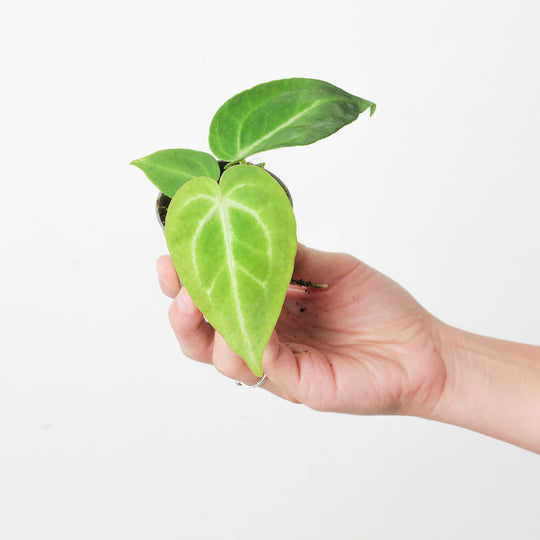
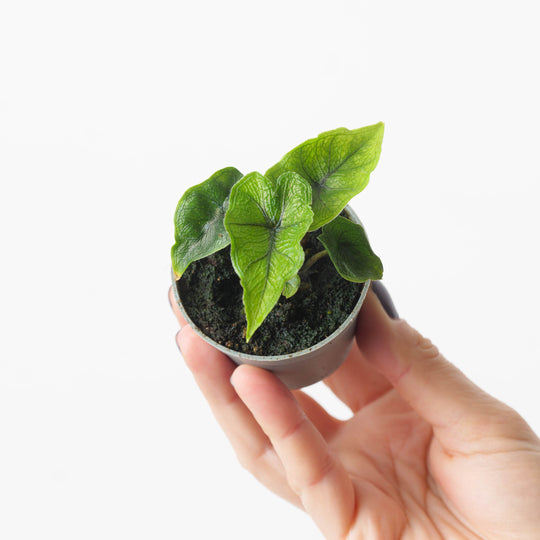
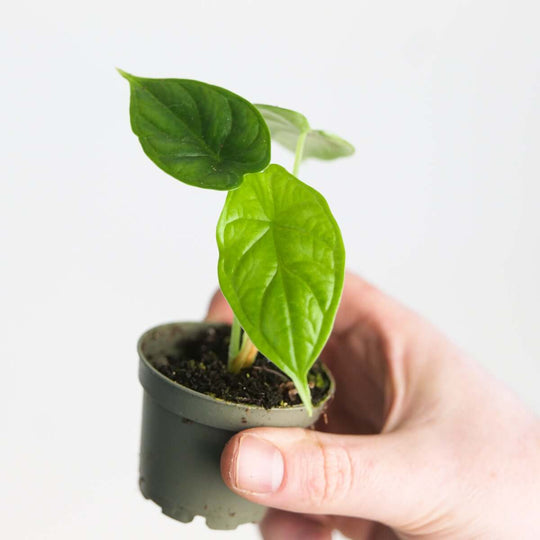
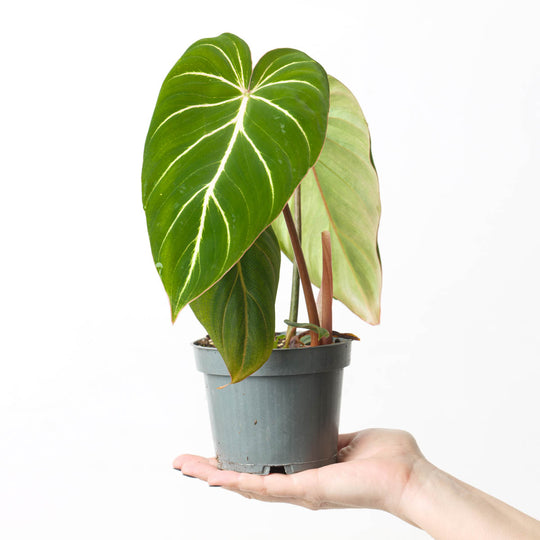
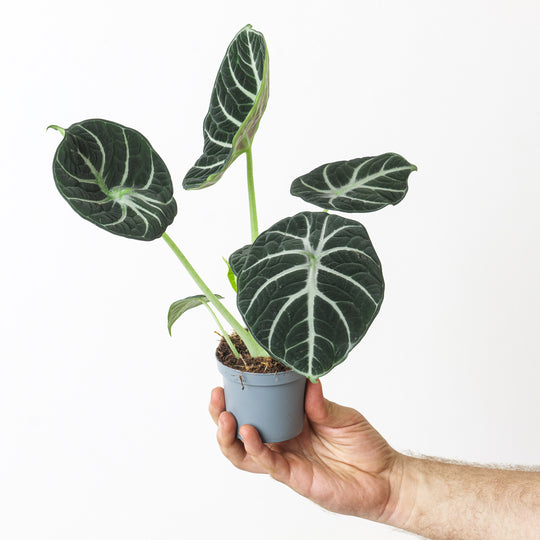
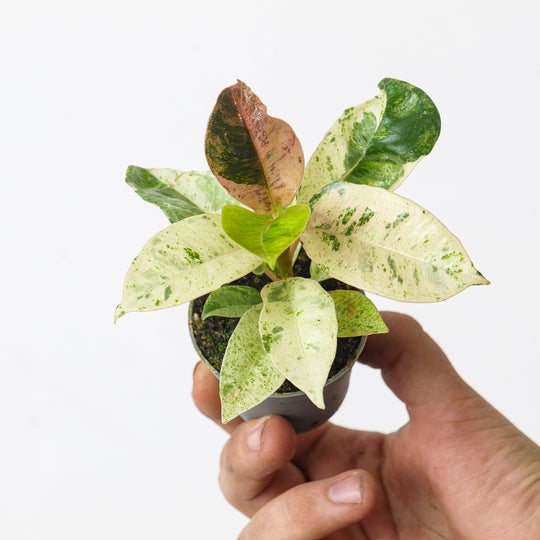
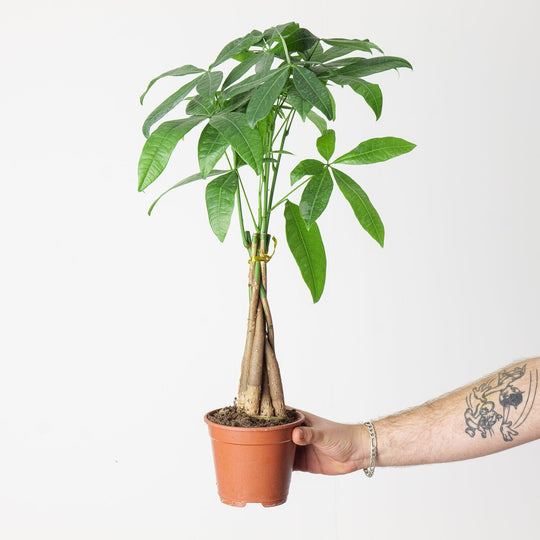
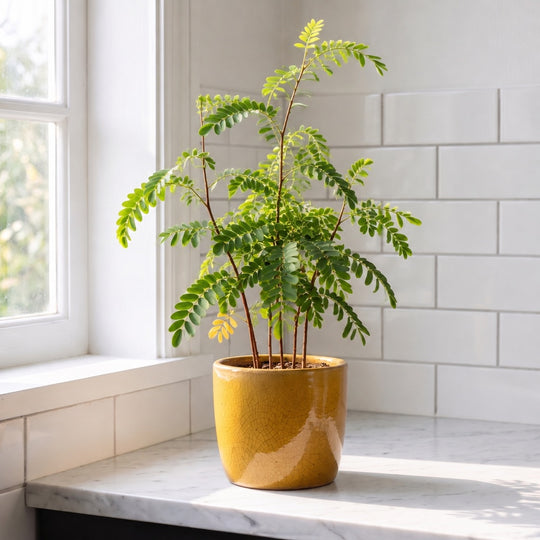
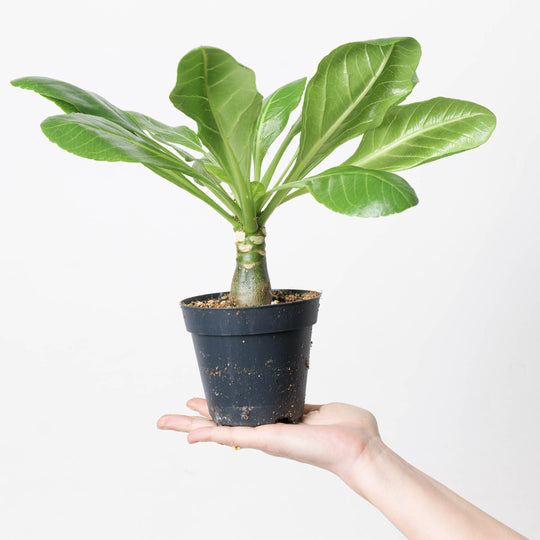
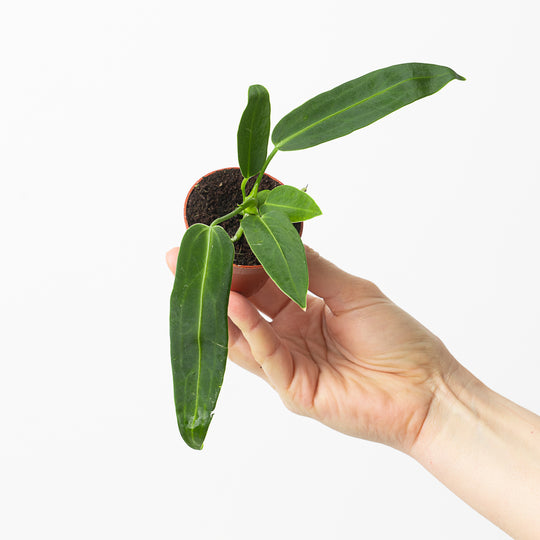
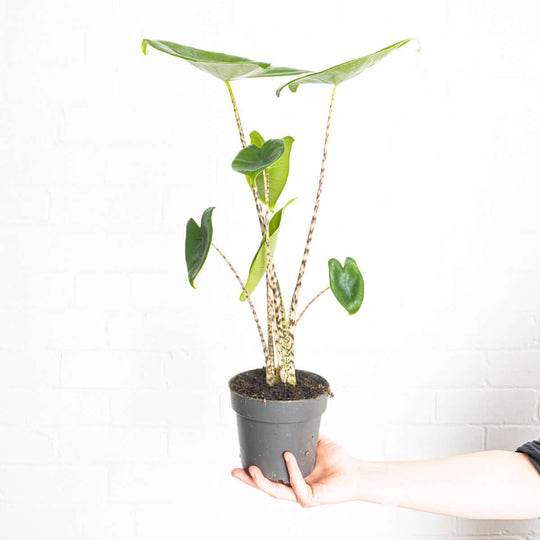
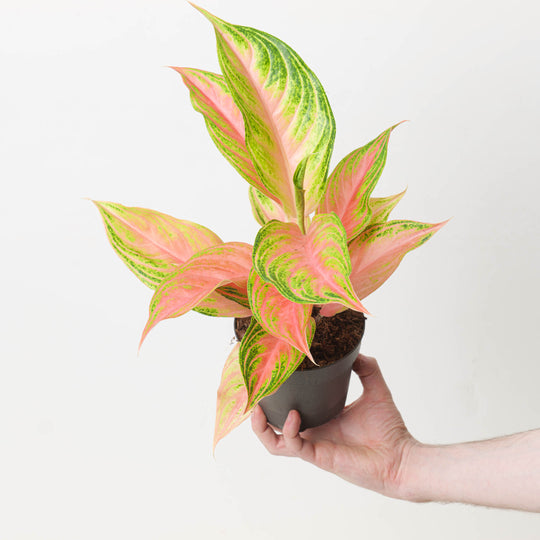
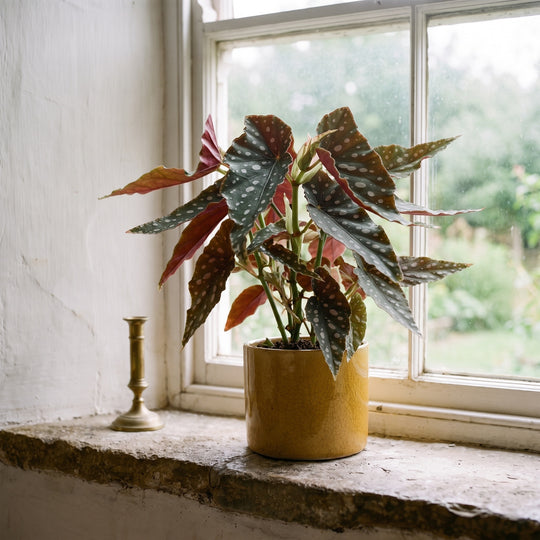
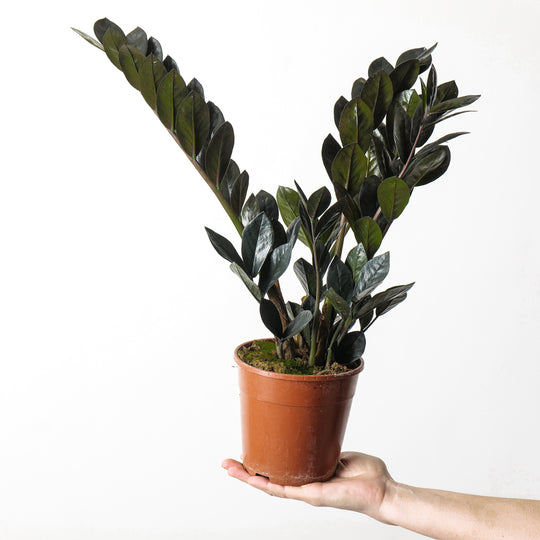
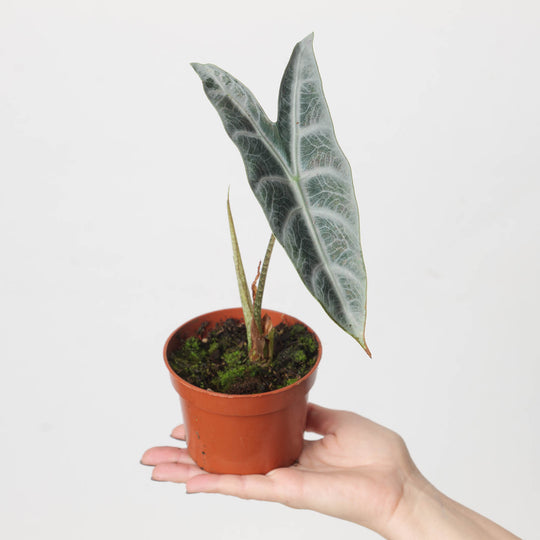
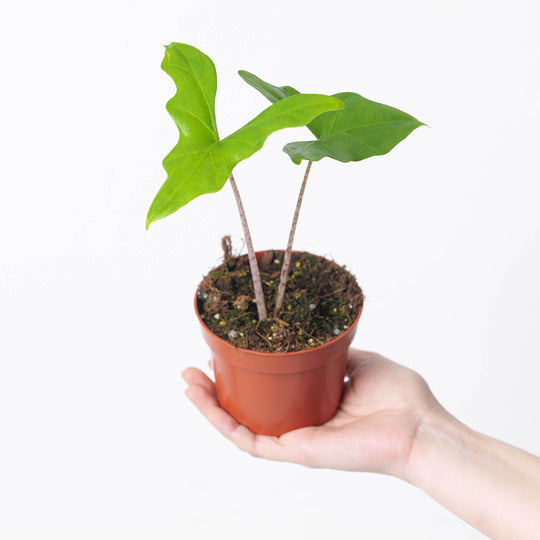
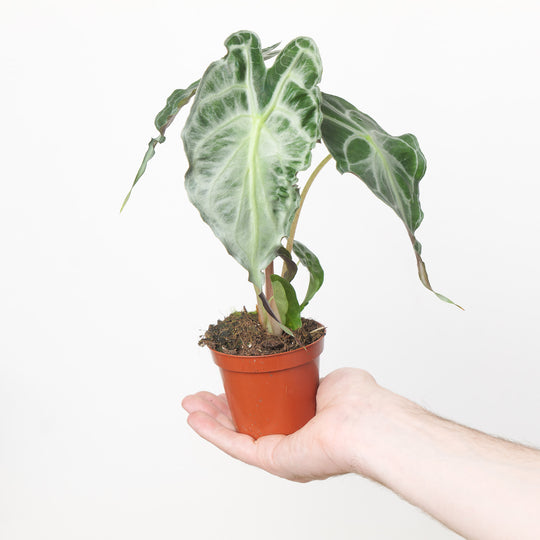
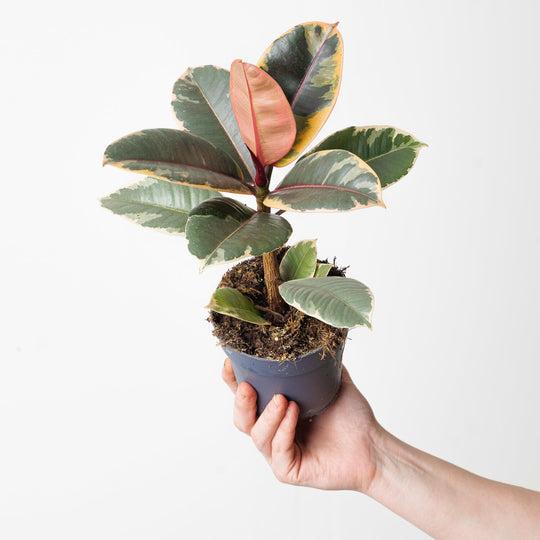
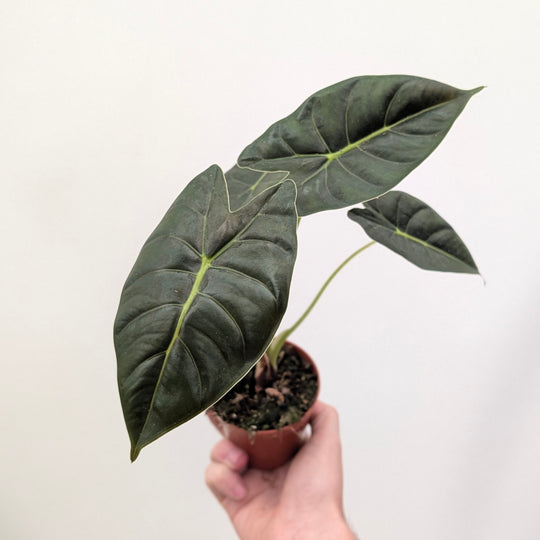
An upright growth habit means the plant invests its energy in vertical stems or leaves rather than sprawling outwards. That makes plants such as Alocasia 'Black Velvet' and Alocasia sp. 'Jacklyn' ideal for narrow spots: beside furniture, in corners, and along hallways where a bushy plant would crowd the walkway. Many upright species also tolerate a range of light conditions, which makes placement easier.
Height also changes how a room reads. A single tall plant draws the eye upwards and makes ceilings feel higher, especially when placed against a plain wall. For smaller budgets, a young upright plant will do the same job in time, and watching it climb is part of the pleasure.
Care and styling tips
Most upright houseplants prefer bright, indirect light and a pot only slightly wider than the root ball, which keeps growth vertical and stable. Rotate the pot a quarter turn each week so the plant grows evenly rather than leaning towards the window. Heavier ceramic pots help counterbalance taller specimens such as Alocasia 'Dragon Scale'.
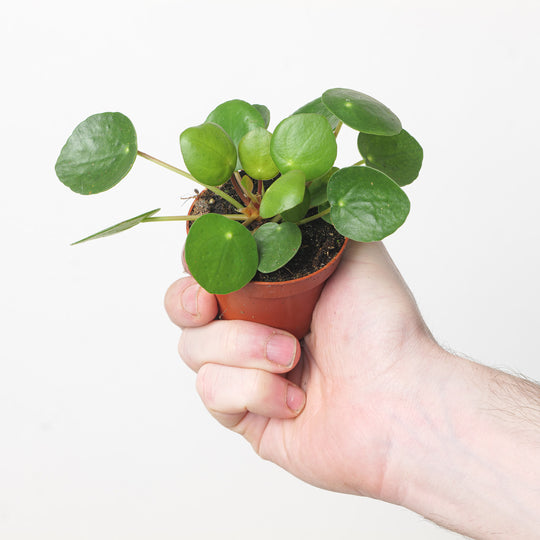
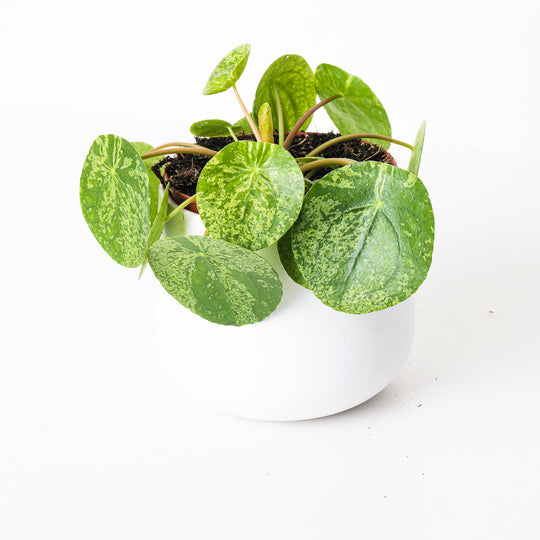
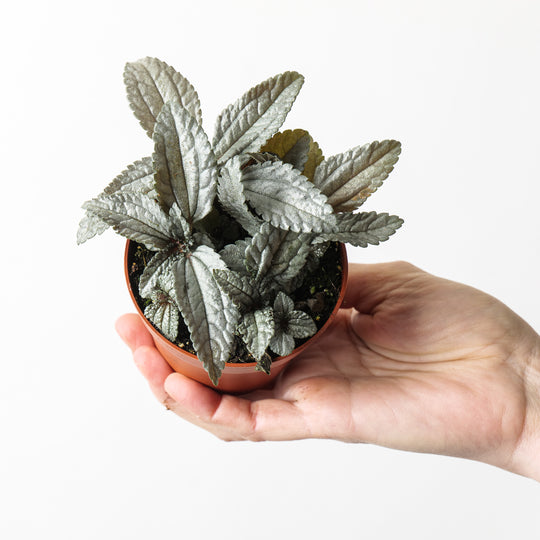
Style upright plants alongside lower, fuller companions from our bushy plants and clumping plants collections to build a layered display, or keep a single specimen as a clean focal point. For more options, see Pilea peperomioides or browse the full collection above.
Frequently Asked Questions
Upright houseplants grow vertically on strong stems or stiff leaves instead of trailing or spreading. Classic examples include Sansevieria, Dracaena, upright Ficus varieties and many aroids trained onto a pole.
They are popular because they add height without taking up floor space, which suits corners, hallways and spots beside furniture. Browse the full upright plants collection to compare heights and light needs.
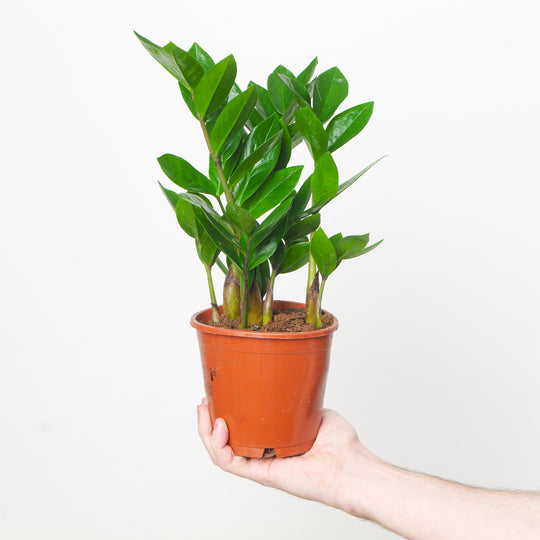
Sansevieria is the classic starter choice: it tolerates low light, irregular watering and general neglect while keeping its architectural shape. Dracaena and Zamioculcas are similarly forgiving.
If you are new to houseplants, start with one of these and check the care icons on each product page for light and watering guidance. Our houseplants collection also has filters to narrow by care level.
Self-supporting species such as Sansevieria and Dracaena never need help. Climbing aroids sold in upright form, including many Monstera and Philodendron, grow on a moss pole or coir pole and will need the pole extended as they climb.
When a plant starts to lean, refresh the ties, add a taller pole, or repot into a heavier container for balance. It is normal for fast growers to need this once a year.
Most prefer bright, indirect light: close to a window but out of harsh midday sun. Some, such as Sansevieria and Zamioculcas, will cope in shadier corners, though growth slows.
Rotate the pot regularly so the plant does not lean towards the light, and move plants a little closer to windows over winter when light levels drop.
It varies by species, so always check the pet safety note on the individual product page. Some upright favourites, including Sansevieria and Dracaena, can cause an upset stomach if chewed.
Every plant page in this collection lists its toxicity clearly, and placing plants on stands or shelves keeps curious pets at a safe distance.