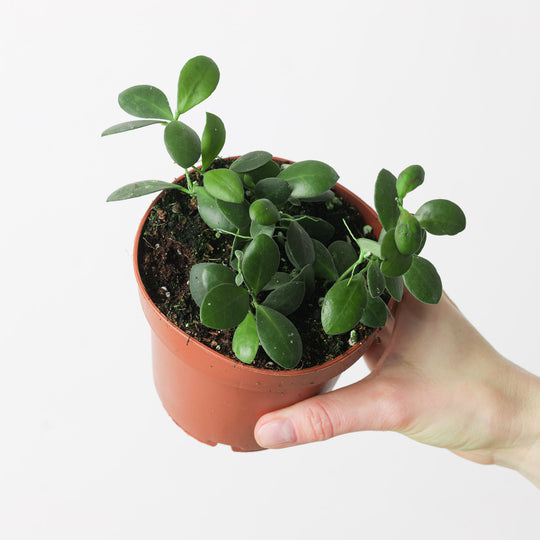
Why Trailing Plants Work So Well Indoors
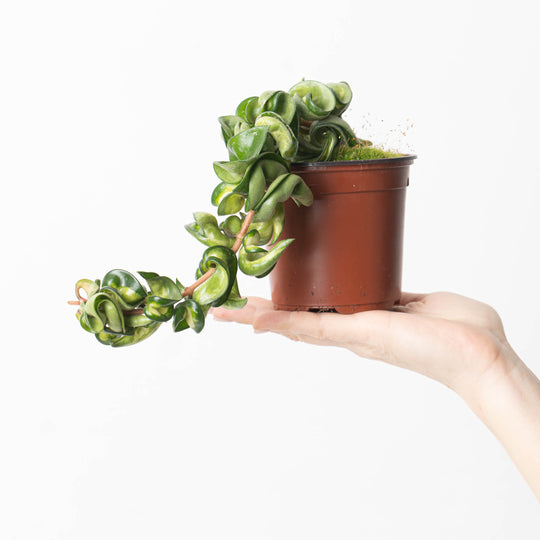
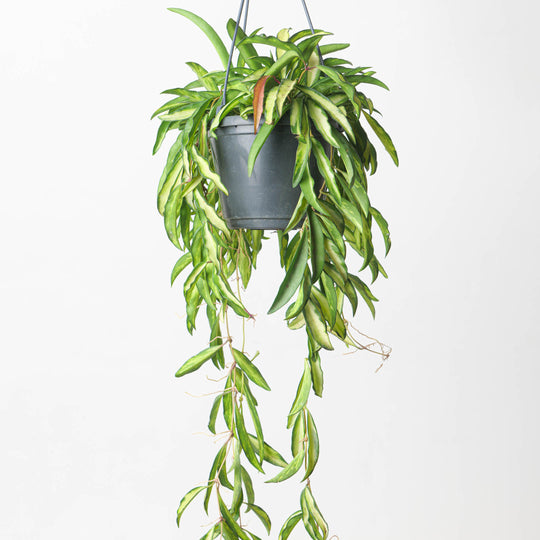
Trailing plants exploit vertical space that upright plants cannot use, filling rooms with greenery at multiple levels and creating a layered, lush effect. A single trailing Pothos on a high shelf can develop stems several metres long over a season, filling an entire wall with cascading foliage. Unlike large floor plants, trailing plants work in tight spaces and add drama to shelves, windowsills, and bare walls.
Easiest Trailing Plants to Grow
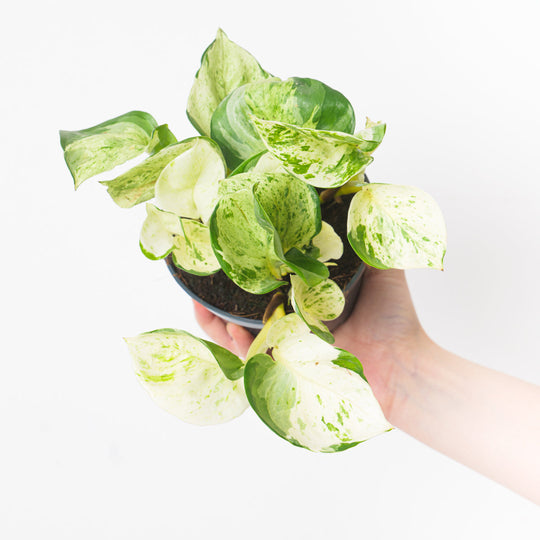
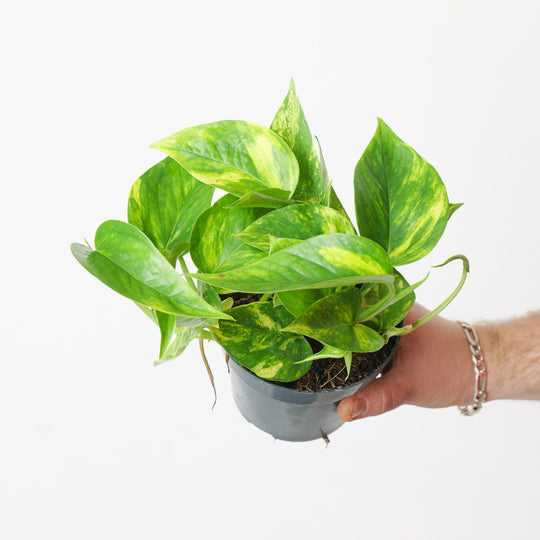
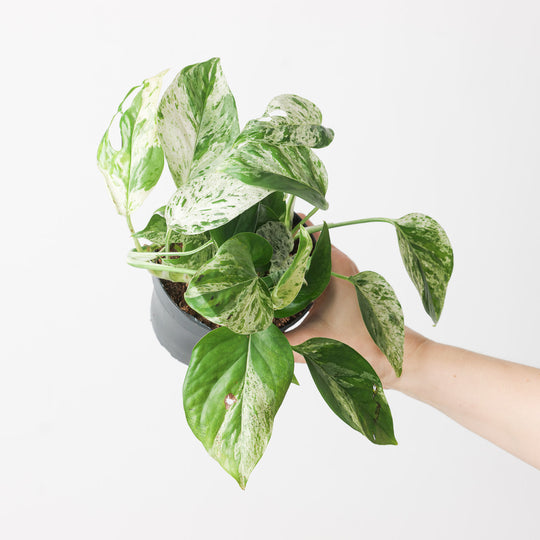
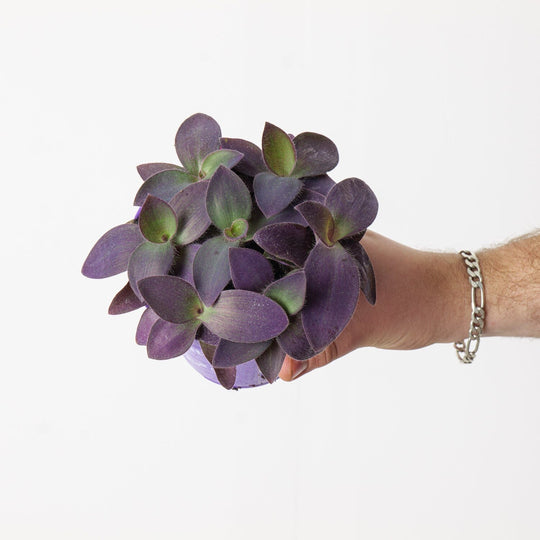
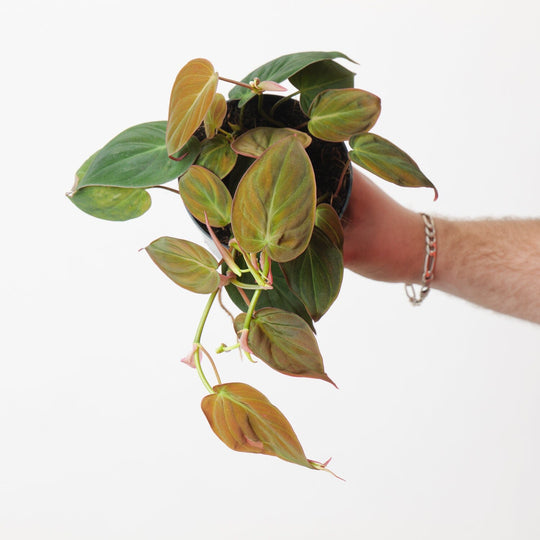
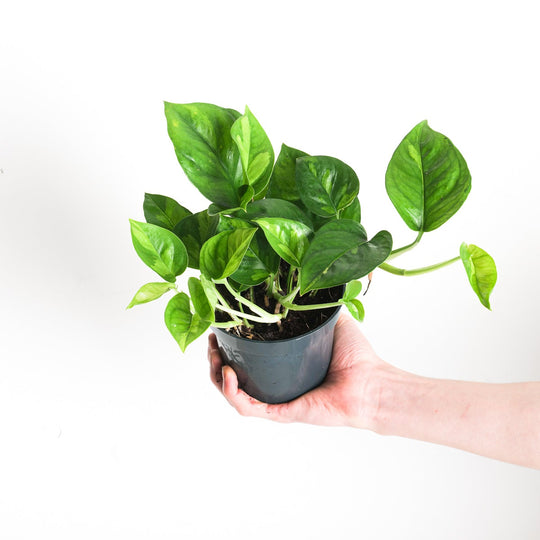
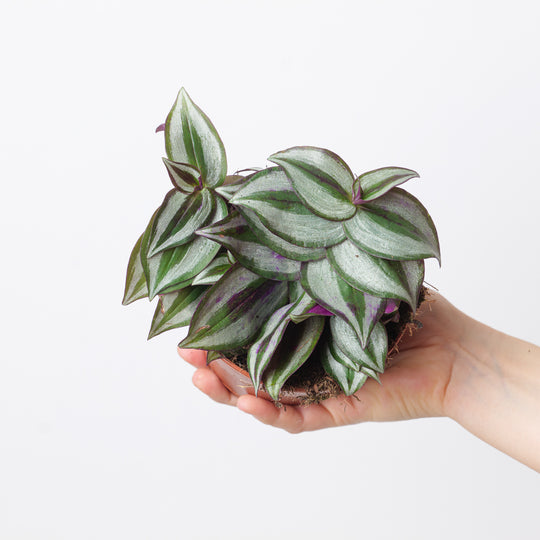
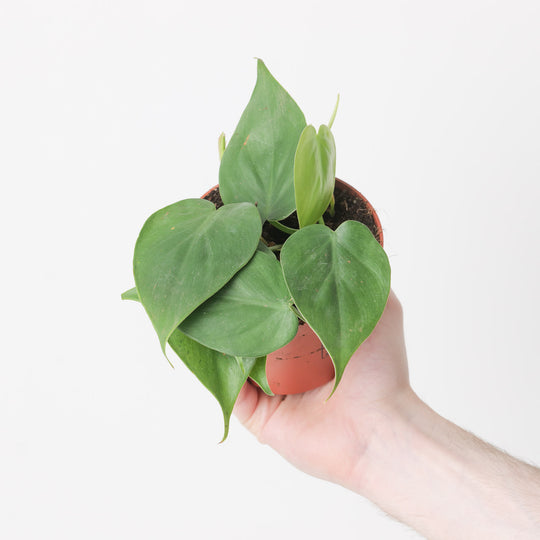
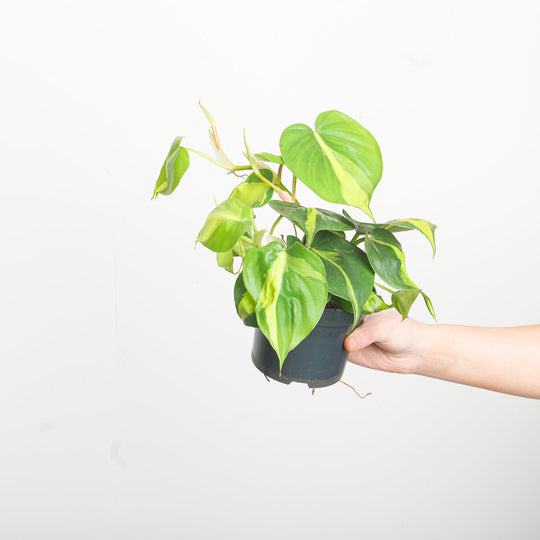
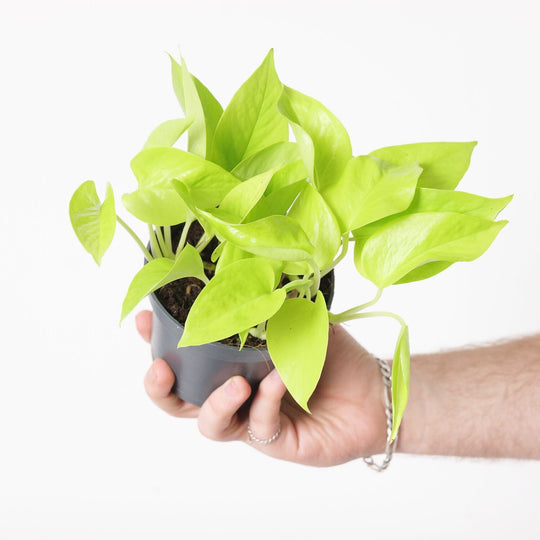
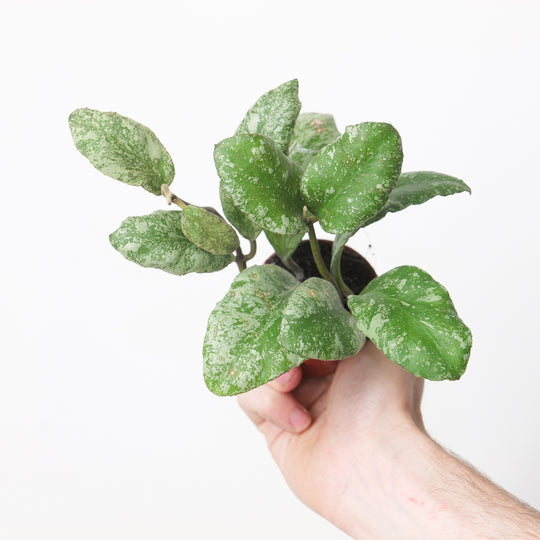
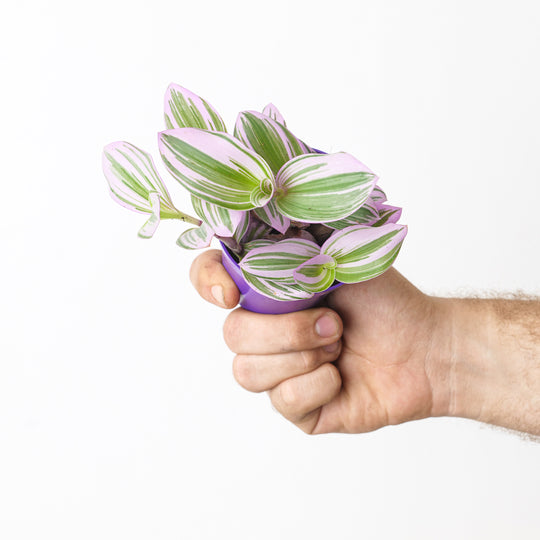
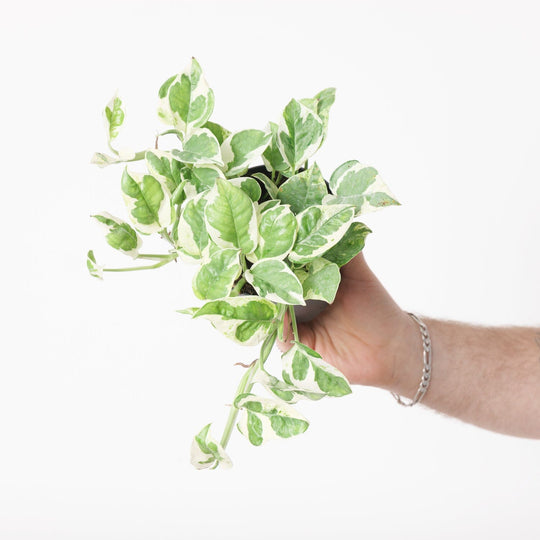
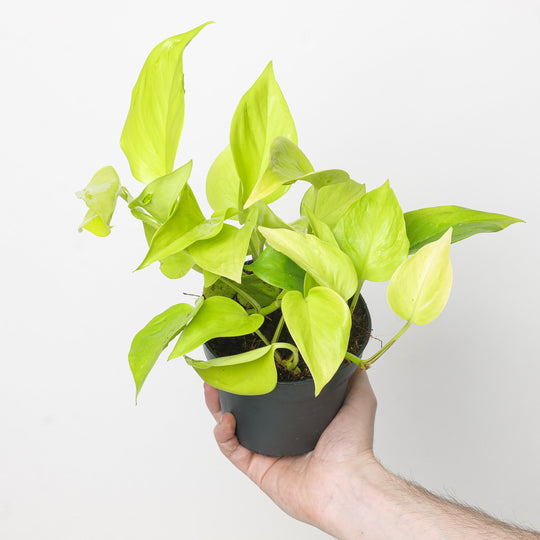
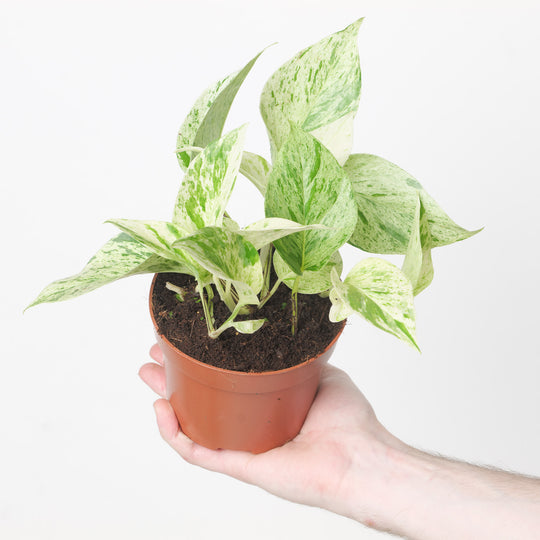
Pothos (Epipremnum aureum) is the most forgiving trailing houseplant and one of the most popular in the world. It tolerates low light, irregular watering, and a wide range of temperatures. Heartleaf Philodendron (Philodendron hederaceum) is equally easy and produces lush, heart-shaped leaves on fast-growing stems. Tradescantia is vigorous and colourful, with vivid purple and green foliage that grows quickly even in average conditions.
Dramatic Trailing Plants for Experienced Growers
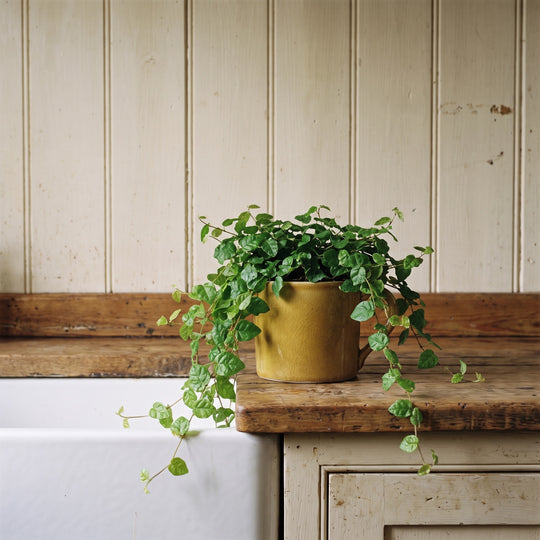
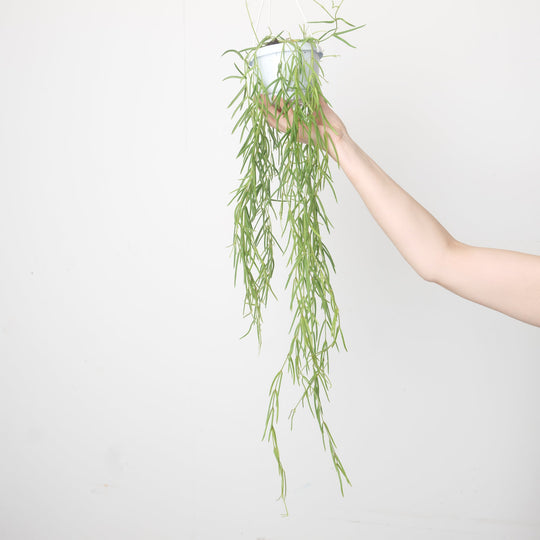
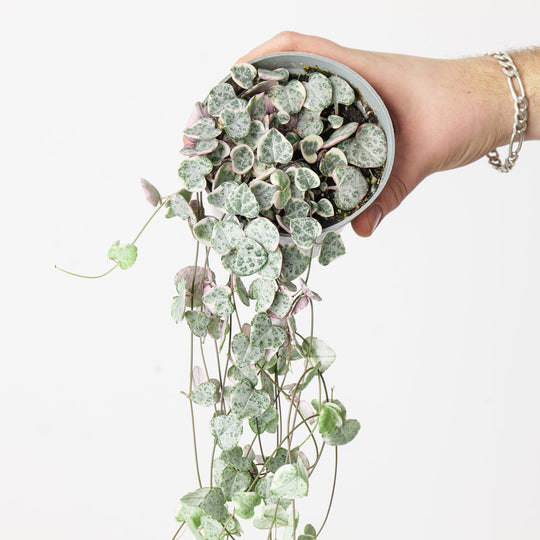
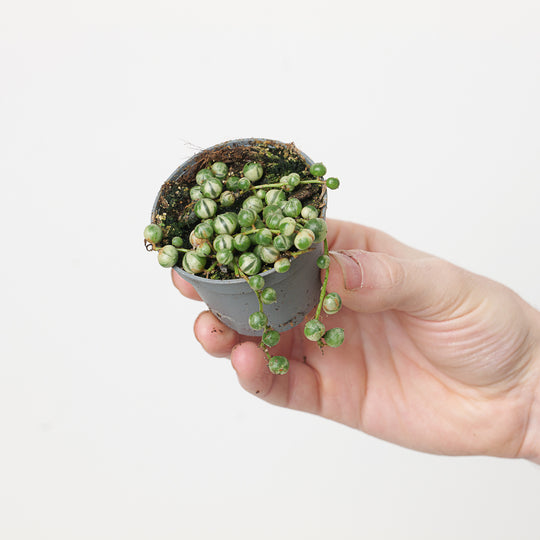
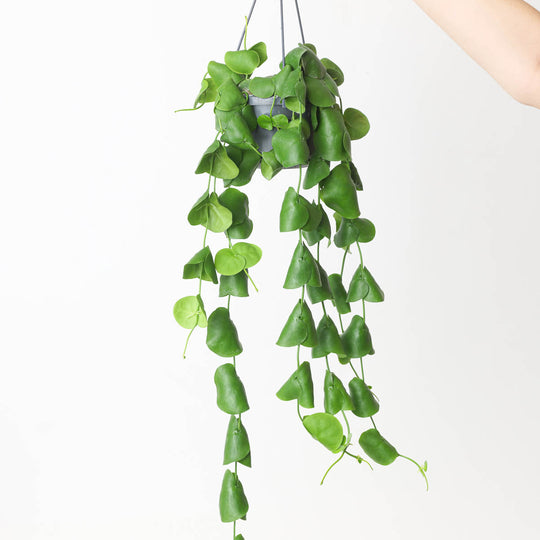
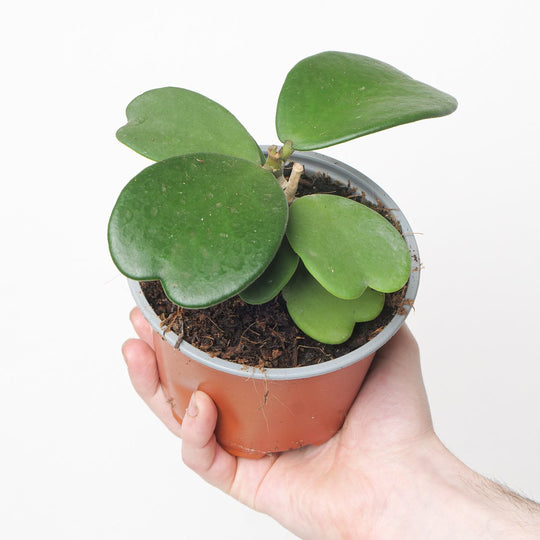
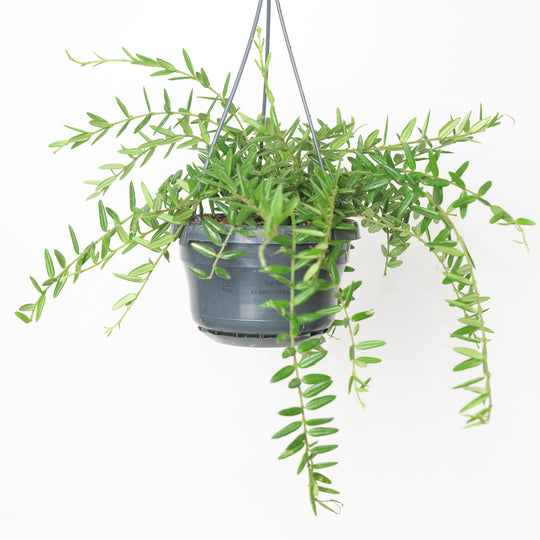
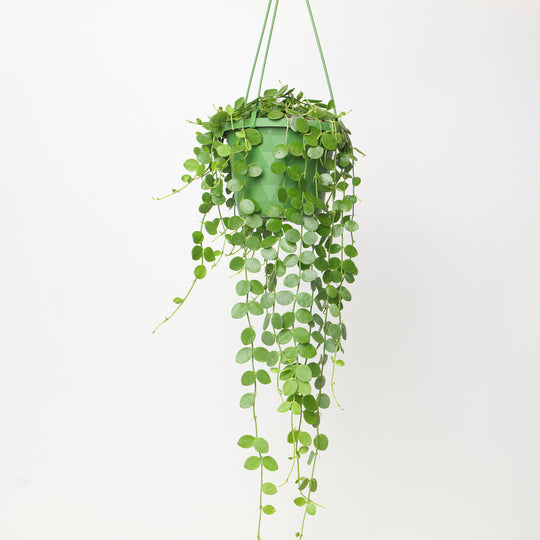
String of Hearts (Ceropegia woodii) produces delicate, heart-shaped leaves on thread-fine stems and is one of the most romantic-looking trailing plants available. String of Pearls (Senecio rowleyanus) has distinctive spherical leaves along thin, thread-like stems. Both are slower-growing and need careful watering, making them better suited to growers with some experience. Rhipsalis, the rainforest cactus, trails beautifully and is more forgiving than other trailing succulents.
How to Display Trailing Plants
Hanging planters suspended from ceiling hooks give trailing stems maximum length to develop. High shelves work well for plants with naturally cascading growth. Wall-mounted planters and plant shelving systems allow multiple trailing plants to be displayed at different heights. For bathrooms and kitchens, suction-cup shelves on tiles create an attractive display in spaces where floor space is limited.
Training Versus Trailing
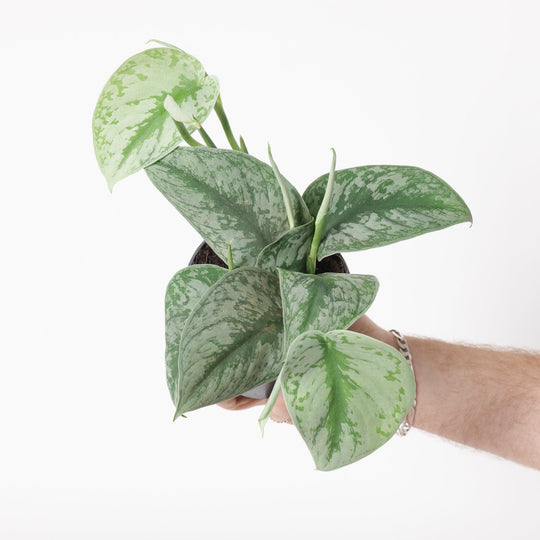
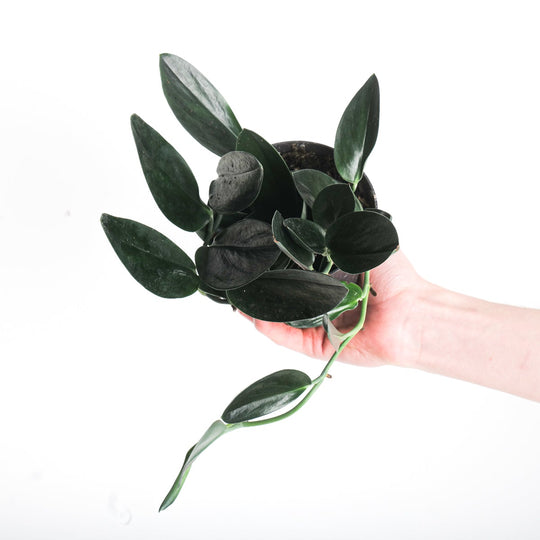
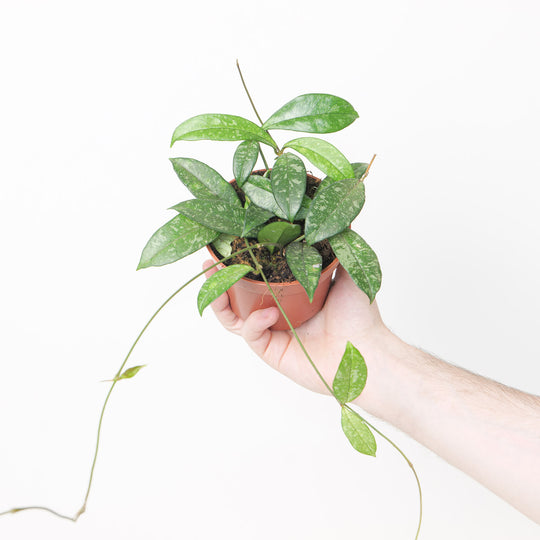
Many plants labelled as trailing can also be trained to climb upward on a moss pole or trellis, and vice versa. Pothos, Philodendron, and Scindapsus all produce larger, more mature leaves when given a climbing support compared to trailing freely. If you want impressive foliage, consider giving your trailing plant a moss pole and training it upward rather than downward.
Care for Trailing Plants
Most trailing houseplants prefer bright, indirect light for the fastest growth, though many tolerate lower light. Water when the compost has partially dried, and feed monthly during spring and summer. Pinch out the growing tips occasionally to encourage bushy, branching growth rather than a single long stem. Remove any yellowing or dead leaves to keep the display looking its best.