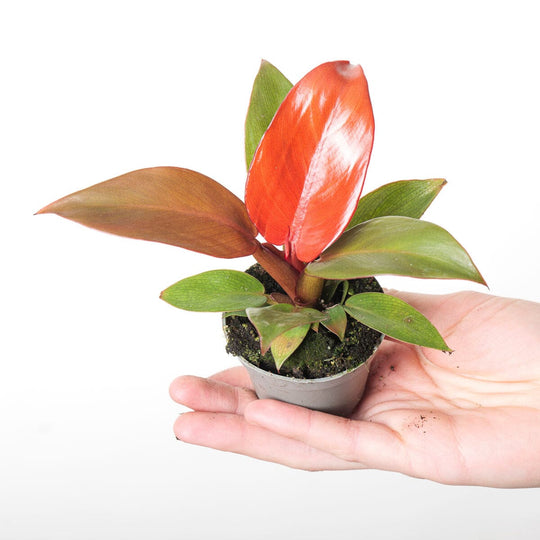
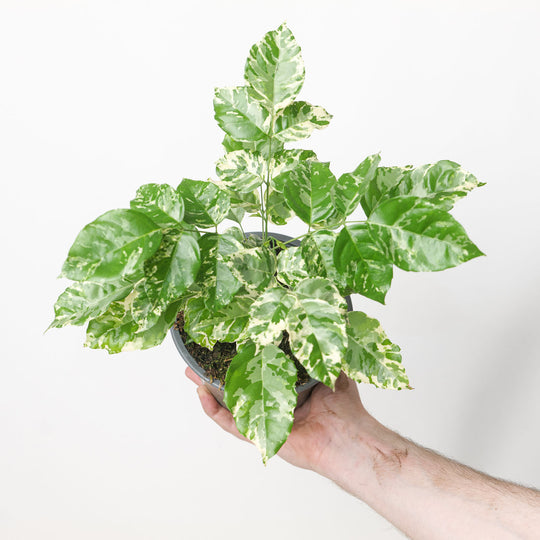
Bushy plants branch naturally, but light and pruning decide how dense they become. Regular pinching out of growing tips encourages a plant such as Monstera deliciosa 'Thai Constellation' to push two new shoots where there was one, doubling the density over a season. Bright, even light keeps growth compact rather than stretched.
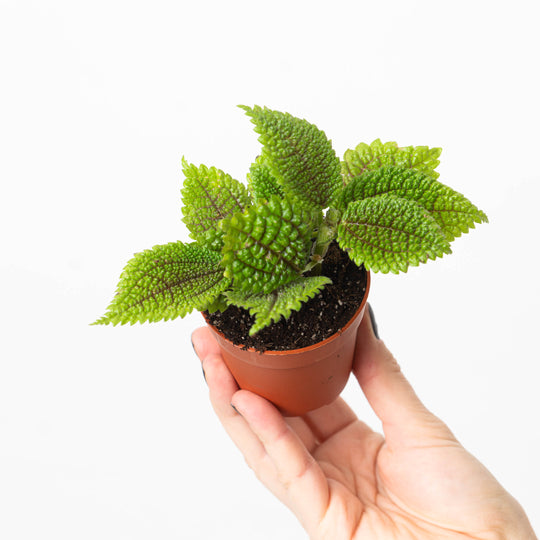
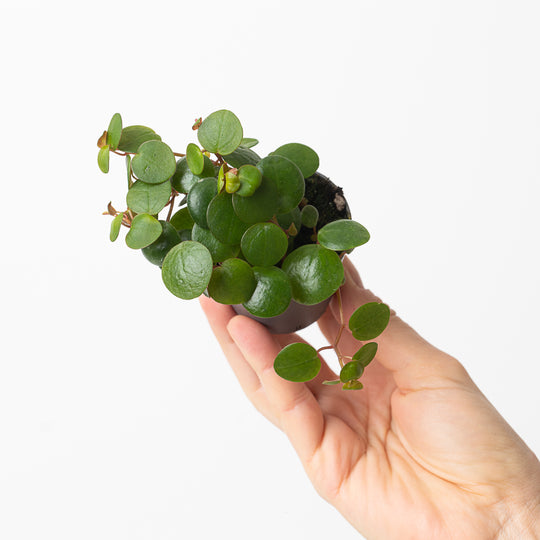
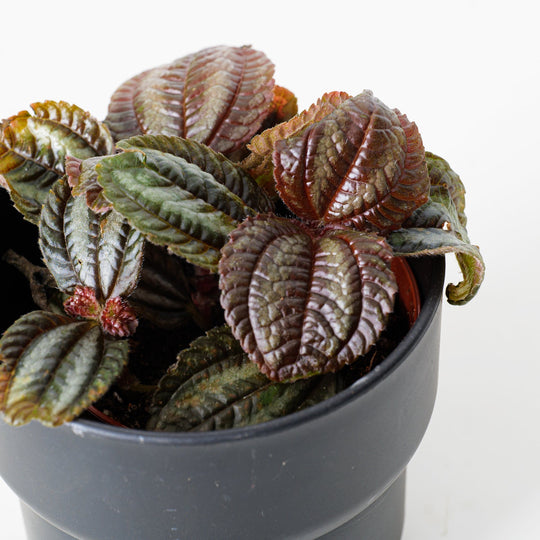
Rotate the pot a quarter turn each week. Plants grow towards the light, and rotation is the difference between a balanced dome and a lopsided lean. Pilea mollis 'Moon Valley' responds especially well to this simple habit.
Styling with bushy plants
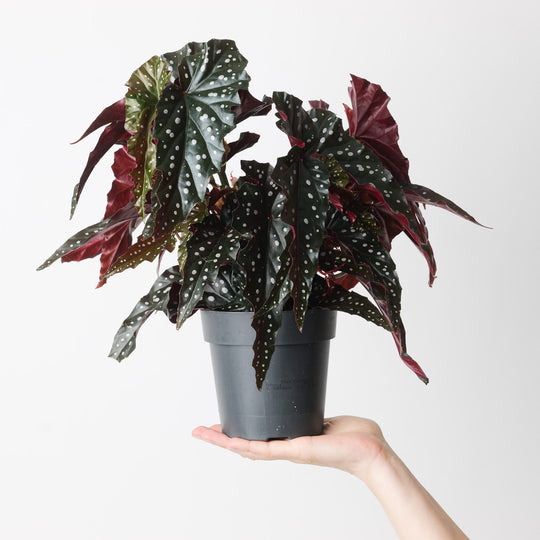
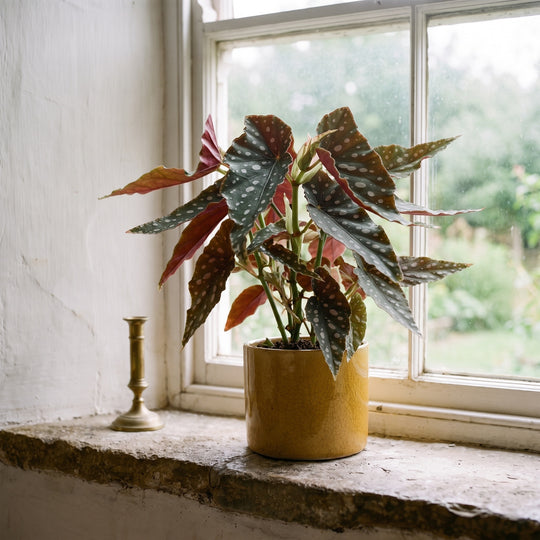
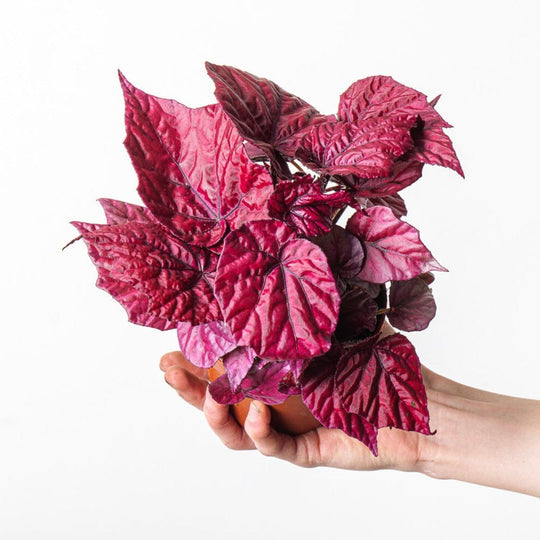
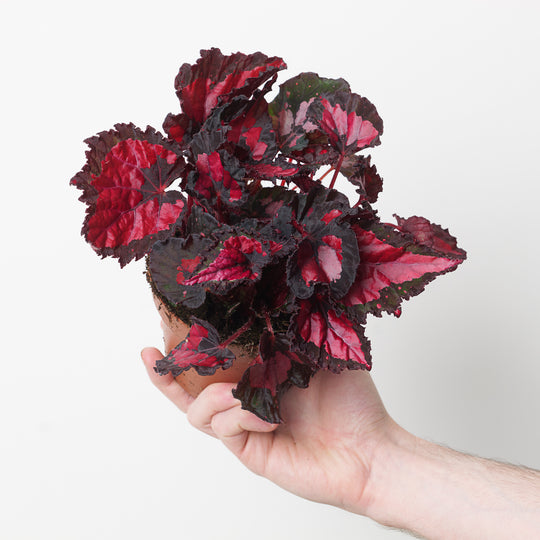
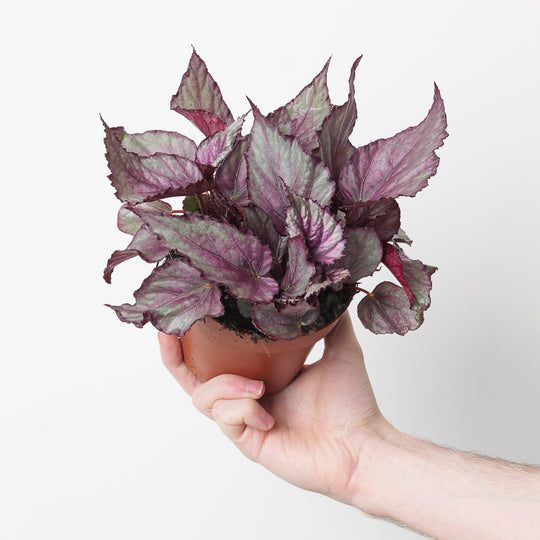
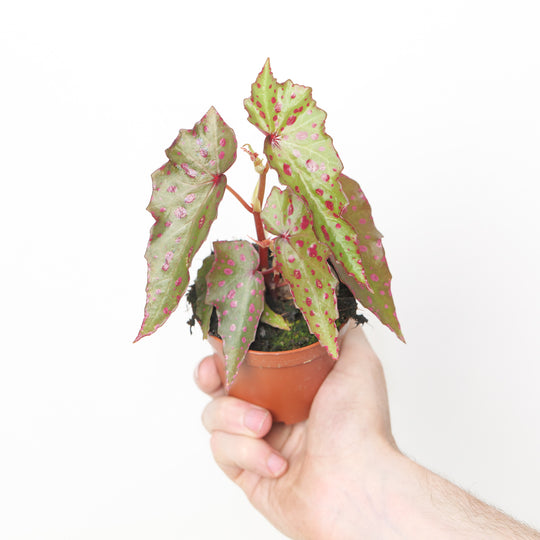
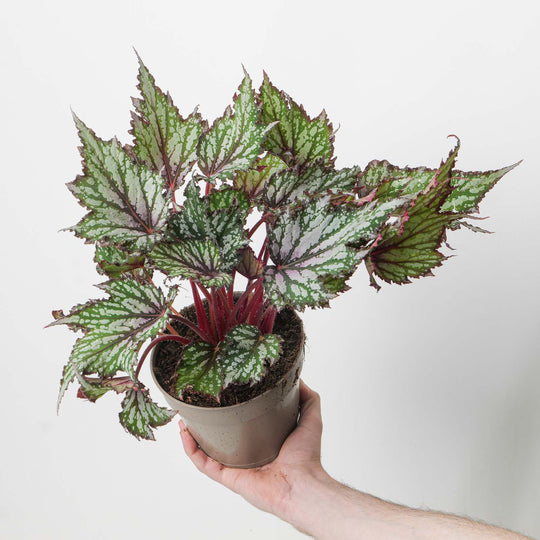
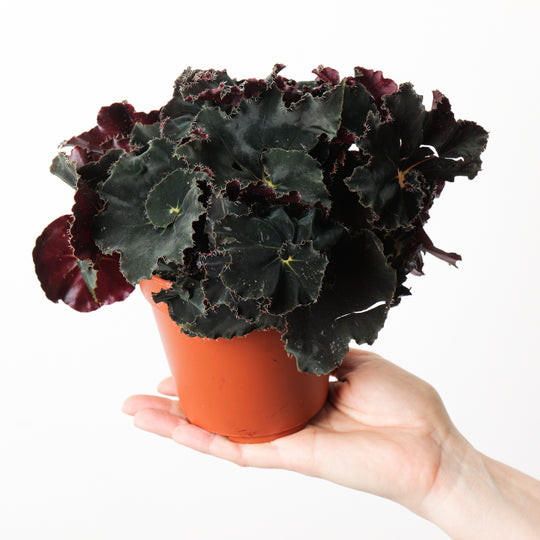
A bushy plant reads as a single soft mass, which makes it perfect for filling visual gaps: an empty hearth, a bare sideboard, the middle shelf of a bookcase. Mix leaf textures, pairing the fine foliage of Begonia 'Inca Flame' with broader leaves from our foliage houseplants collection.
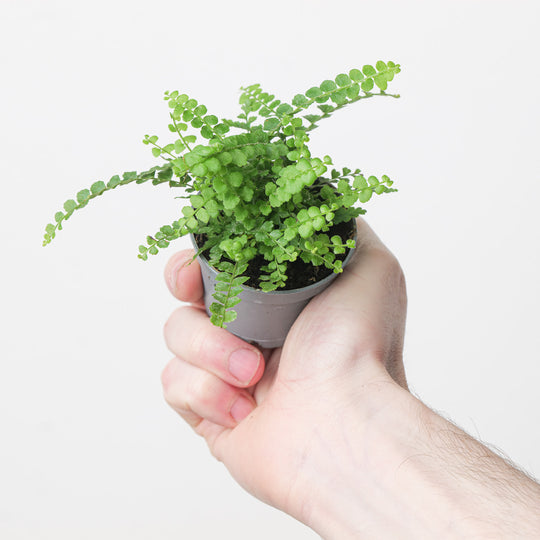
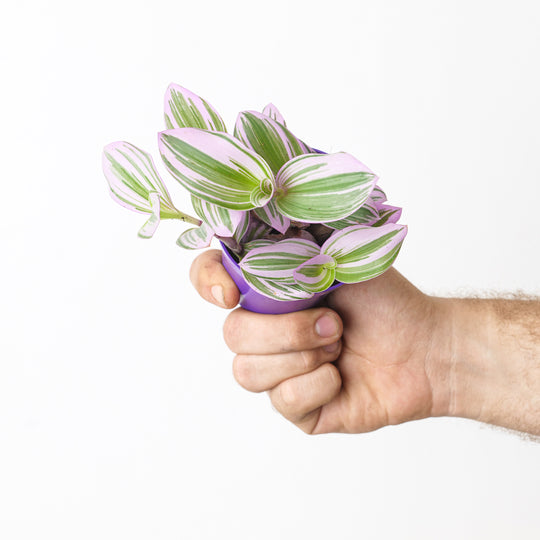
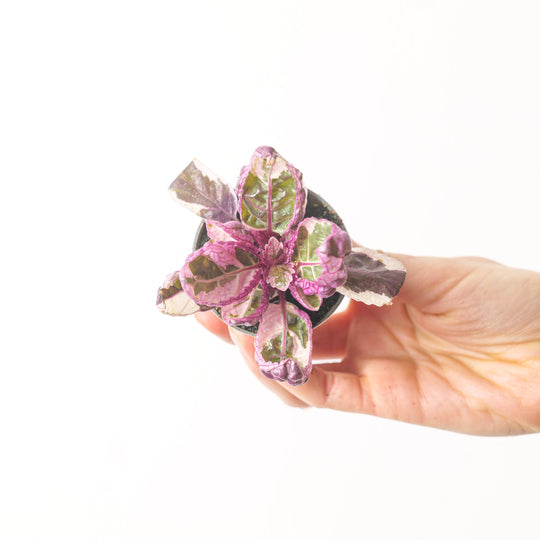
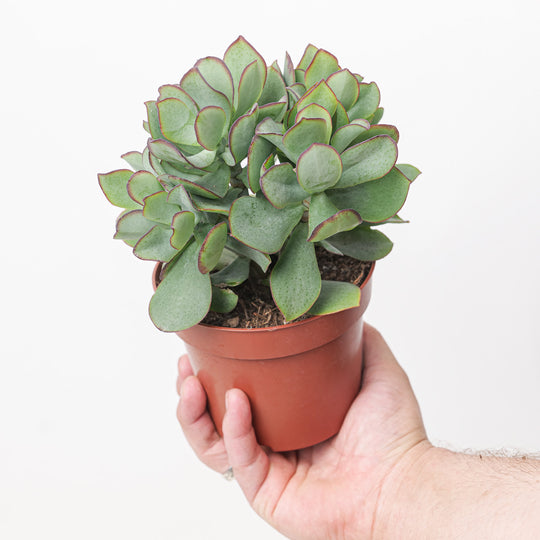
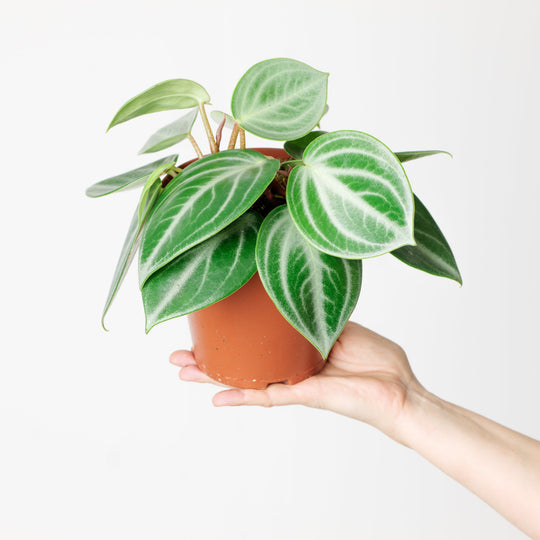
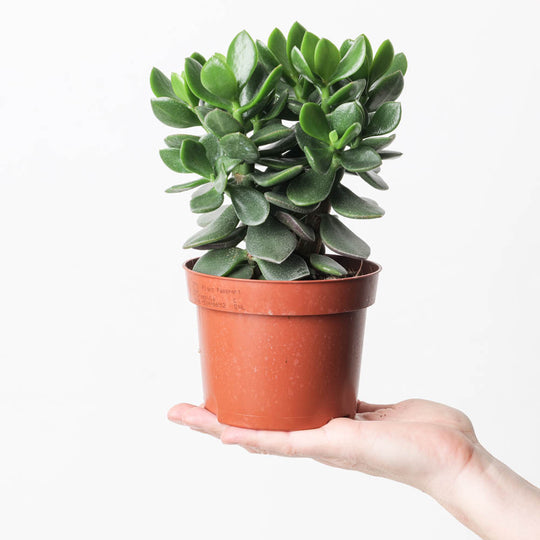
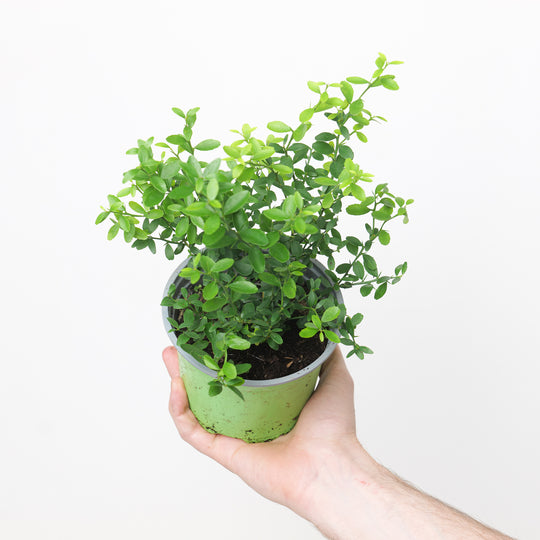
A bushy houseplant branches freely from multiple points, building a full, rounded outline rather than a single stem or a trailing vine. Peperomia, Pilea, Fittonia and many Hypoestes are classic examples.
Pinch out the growing tips. Removing the top pair of leaves on a stem prompts the plant to branch below the cut, so one stem becomes two. Repeat through spring and summer for a denser plant.
Good light matters just as much: a plant stretching for light will always look sparse, however often you pinch it.
Legginess is almost always a light problem. When light is too low, stems lengthen and leaves space out as the plant reaches for brightness.
Move it closer to a window, out of direct midday sun, and trim the leggy stems back. New growth in better light will come in compact.
Light, regular pruning keeps them at their best. Snip just above a leaf node with clean scissors and the plant branches from that point.
Many bushy species also root easily from the cuttings, so pruning day can double as propagation day.
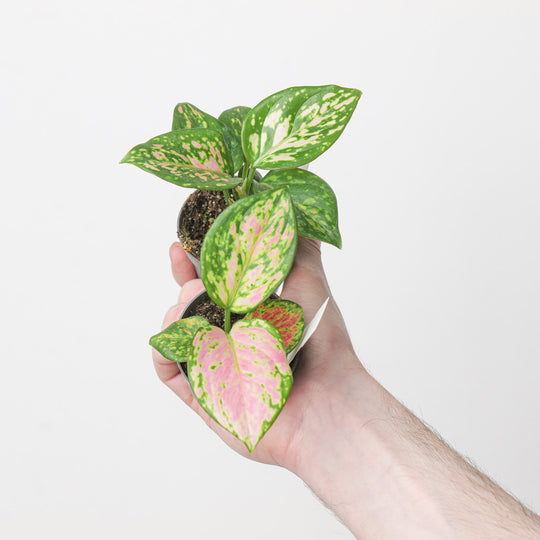
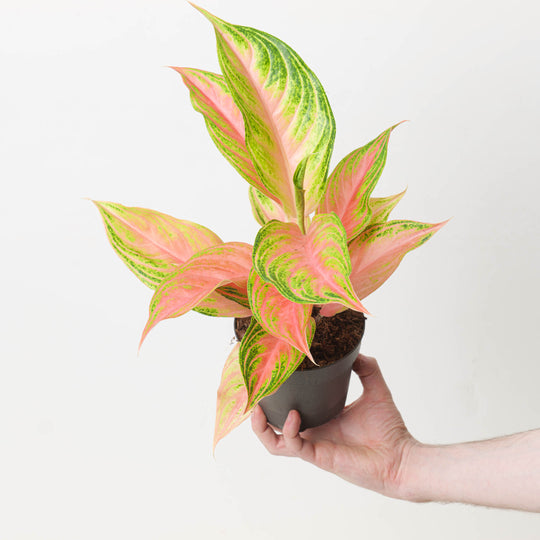
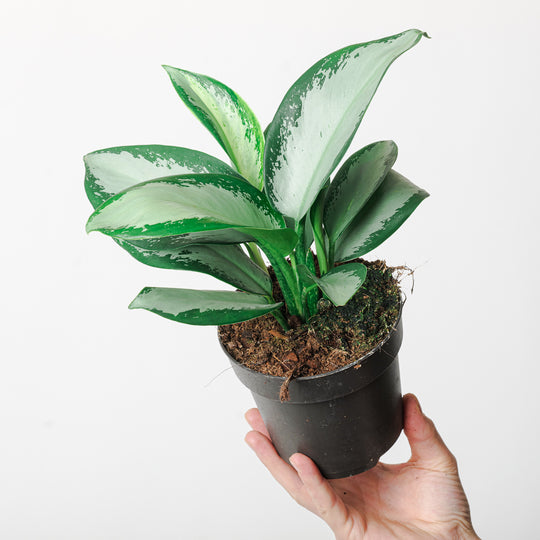
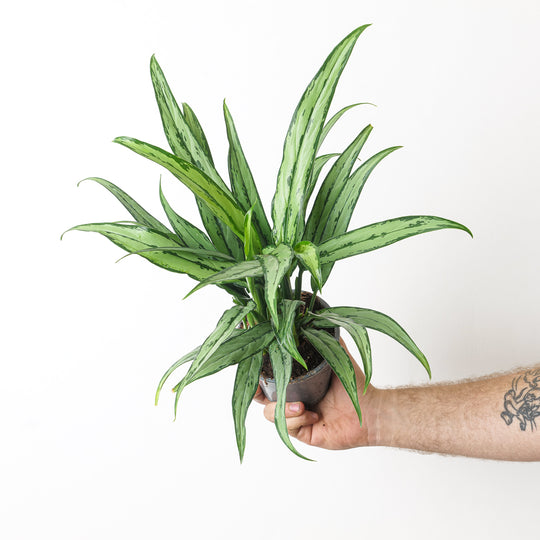
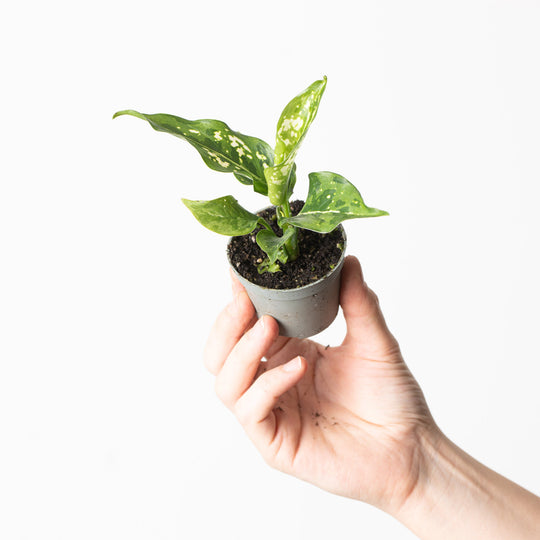
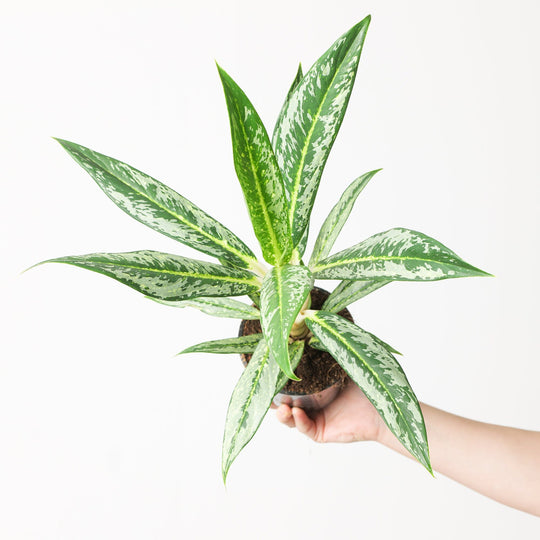
Aglaonema and some Peperomia hold their shape better than most in shadier rooms. Growth will be slower, but the plants stay presentable.
Check the light guidance on each product page, and remember that even shade-tolerant plants grow fuller with brighter, indirect light.