Plants for Clay Soil


Plants for clay soil turn a common garden headache into an advantage. The right plants root firmly in heavy ground and draw on the moisture and nutrients that clay holds so well.

126 products

    126 products
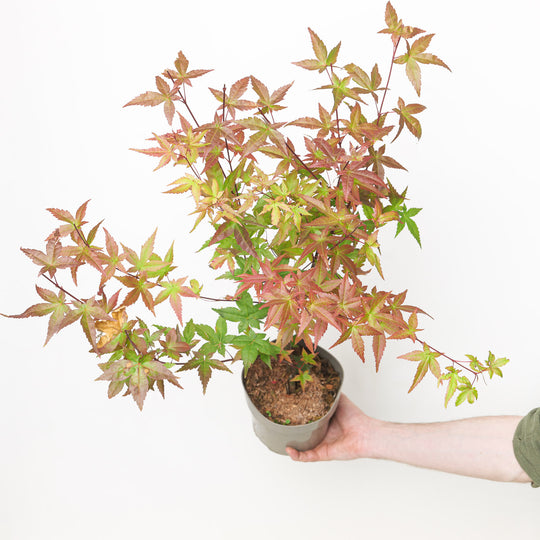
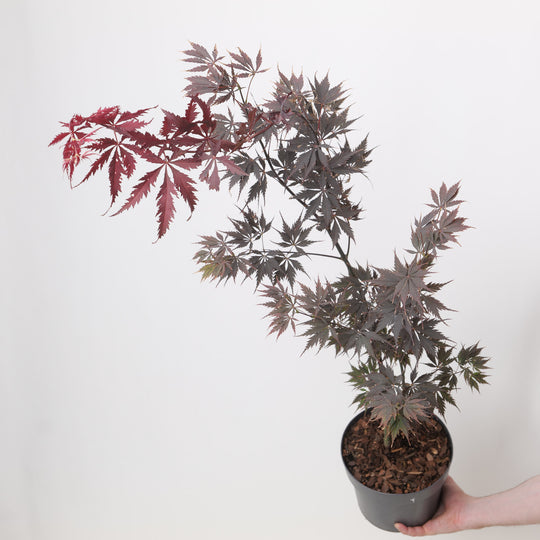
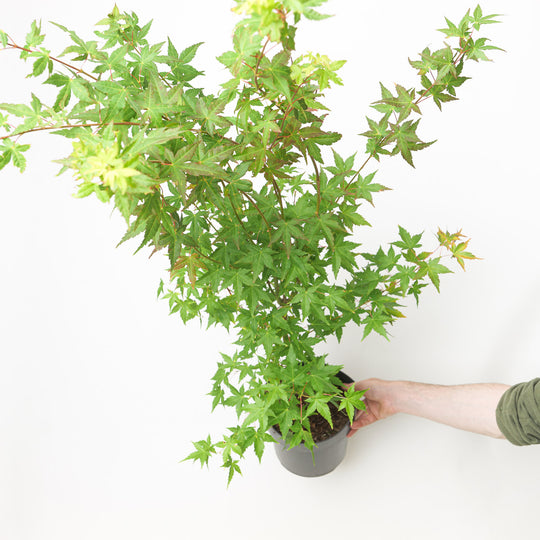
    Acer palmatum 'Anne Irene' 19cm / 3L Plants - Outdoor GROW TROPICALS
    Yellow Japanese Maple 'Anne Irene'

    Acer palmatum 'Anne Irene'

    £39.99
    1
    Acer shirasawanum 'Moonrise' Plants - Outdoor GROW TROPICALS
    Full Moon Maple (Shirasawa Maple)

    Acer shirasawanum 'Moonrise'

    £49.99
    1
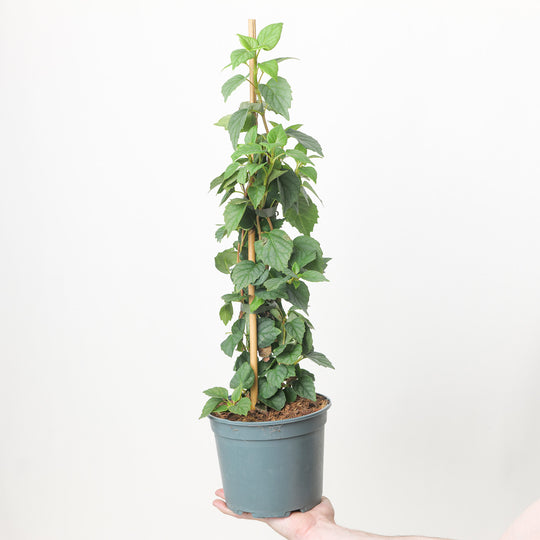
    Hibiscus syriacus 'Red Heart' Plants - Outdoor GROW TROPICALS
    Rose of Sharon 'Red Heart'

    Hibiscus syriacus 'Red Heart'

    £11.99
    1
    Hibiscus syriacus 'Admiral Dewey' 13cm / 1L Plants - Outdoor GROW TROPICALS
    Rose of Sharon 'Admiral Dewey'

    Hibiscus syriacus 'Admiral Dewey'

    £11.99
    1
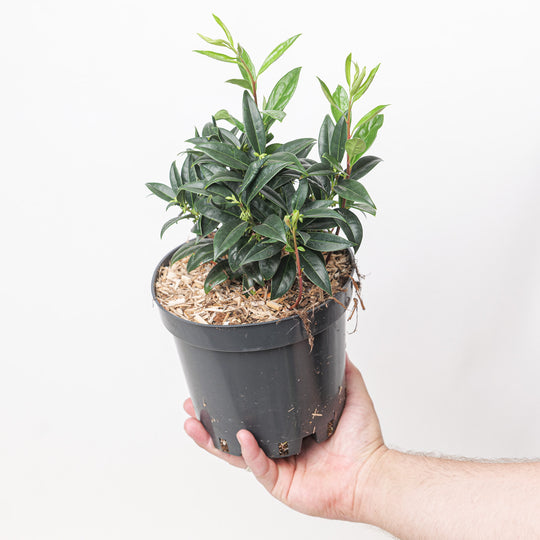
    Nandina domestica 'Gulfstream' Plants - Outdoor GROW TROPICALS
    Heavenly Bamboo 'Gulfstream'

    Nandina domestica 'Gulfstream'

    £34.99
    1
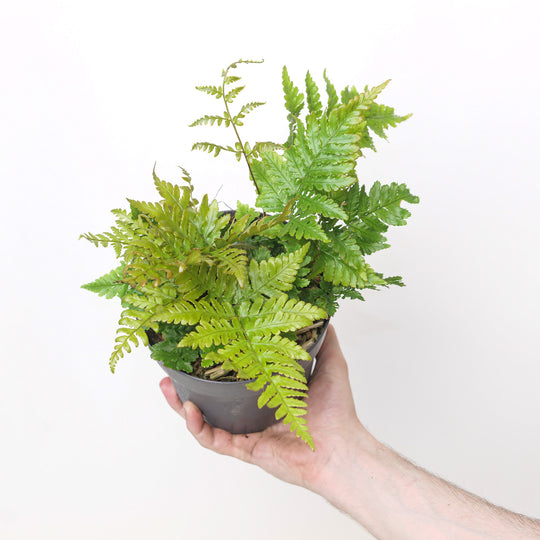
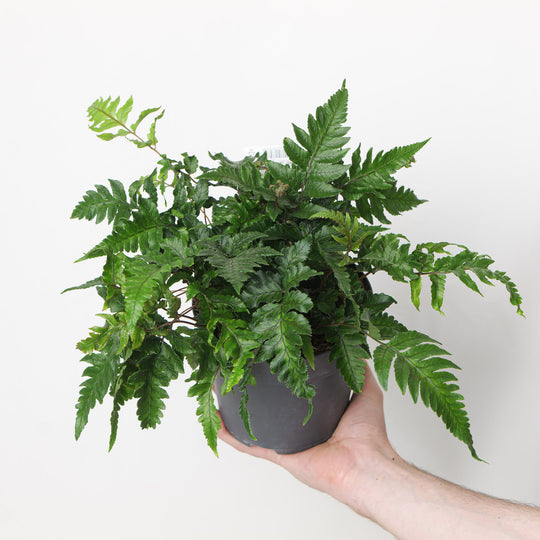
    Dryopteris affinis 'Crispa' Plants - Outdoor GROW TROPICALS

    Dryopteris affinis 'Crispa'

    £8.99
    1
    Blechnum spicant Plants - Outdoor GROW TROPICALS
    Deer Fern

    Blechnum spicant

    £16.99
    1

    Gardening on clay soil

    Clay gets a bad name, but it is one of the most fertile soils there is. It holds water and nutrients better than sand or chalk, so once a plant has settled in, it rarely goes short. The challenge is the extremes: heavy and waterlogged in winter, hard and cracked in a dry summer, which not every plant can handle.

    The plants here are chosen to cope with that. They tolerate the winter wet and the summer set without sulking, and many actively prefer the steady moisture clay provides. Digging in plenty of organic matter and planting in spring or autumn, rather than the depths of winter, gives them the best start. Avoid working clay when it is sodden, since that compacts it further.

    All grown for UK gardens and sent out well rooted.

    Frequently Asked Questions

    Plenty do. The plants here are picked to handle heavy ground that sits wet in winter and bakes hard in summer. Many actually prefer the steady moisture and fertility that clay holds so well.

    Dig in plenty of organic matter like compost or well-rotted manure to open up the structure and help drainage. Avoid working clay when it is wet, since that compacts it, and mulch each year to keep improving it.

    Spring and autumn are best, when the soil is moist but workable. Avoid planting in winter when clay is cold and waterlogged, or in the height of summer when it can set rock hard.

    Less than lighter soils, since clay holds moisture well. New plants still need regular water while they root in, but established plants on clay usually cope with dry spells better than those on sand or chalk.