Ornamental Grasses


Ornamental grasses for movement, texture and year-round interest. Compact fescues for gravel gardens, feathery Stipa for exotic borders and low mounding forms for pot edges. All fully hardy across the UK, all low-fuss.

5 products

    5 products
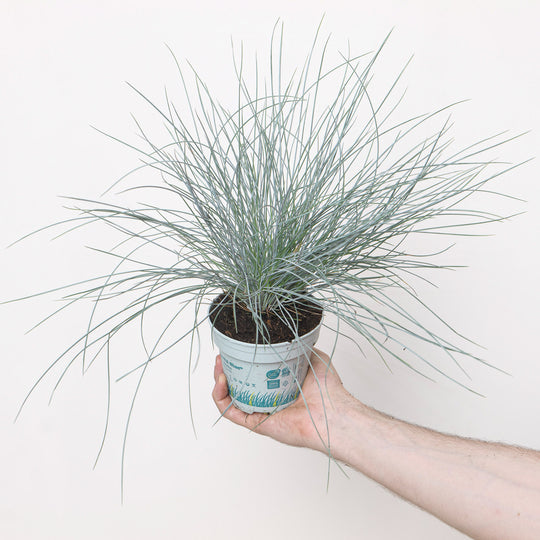
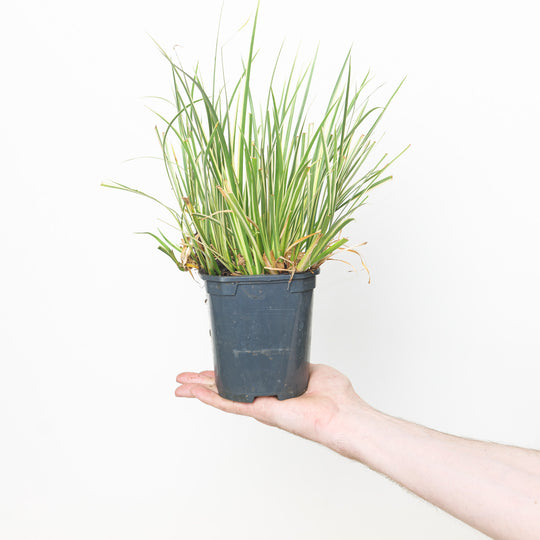
    Festuca glauca 'Compact Blue' Plants - Outdoor GROW TROPICALS
    Blue Fescue

    Festuca glauca 'Compact Blue'

    £5.49
    1
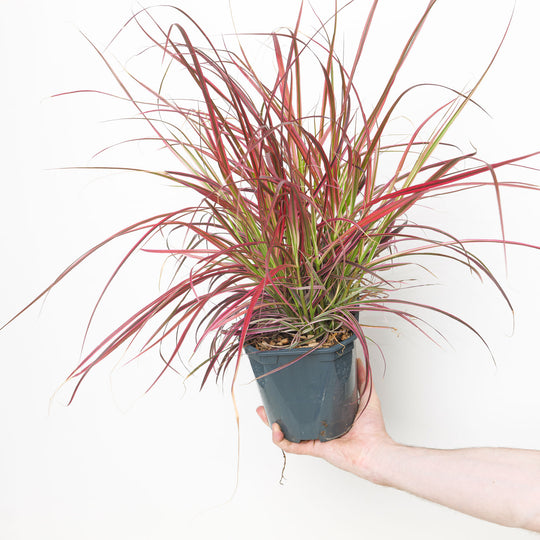
    Festuca 'Intense Blue' Plants - Outdoor GROW TROPICALS
    Blue Fescue

    Festuca 'Intense Blue'

    £14.99
    1
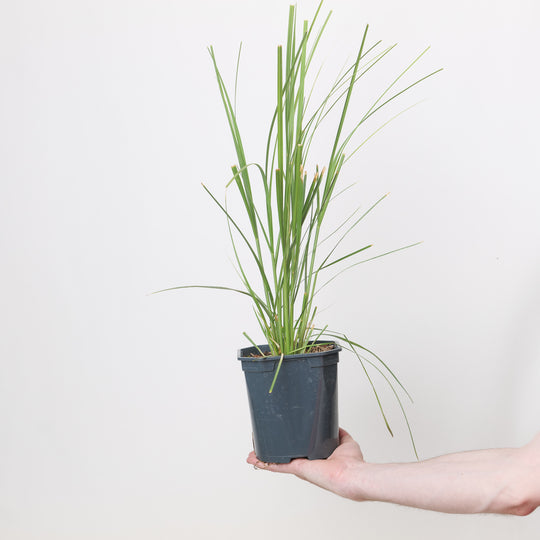
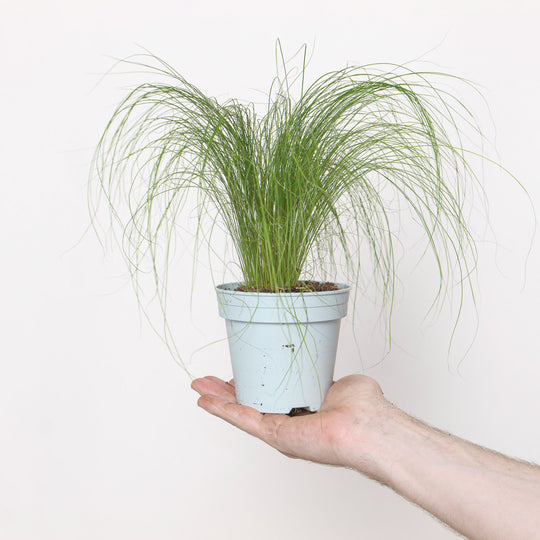
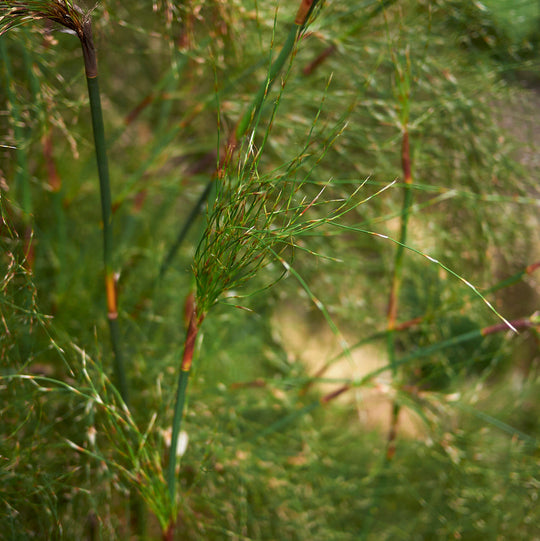
    Stipa tenuissima 'Ponytails' Plants - Outdoor GROW TROPICALS
    Mexican Feather Grass

    Stipa tenuissima 'Ponytails'

    £5.99
    1
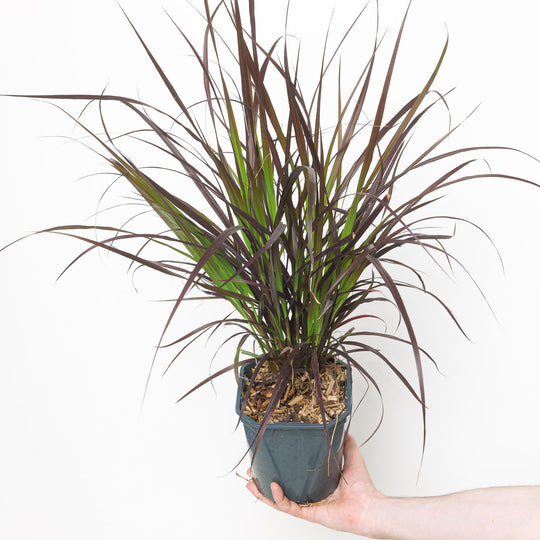
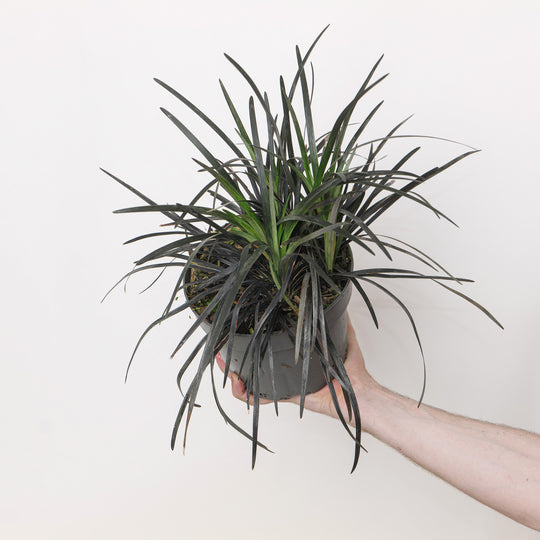
    Ophiopogon planiscapus 'Nigrescens' Plants - Outdoor GROW TROPICALS
    Black Mondo Grass

    Ophiopogon planiscapus 'Nigrescens'

    £15.99
    1
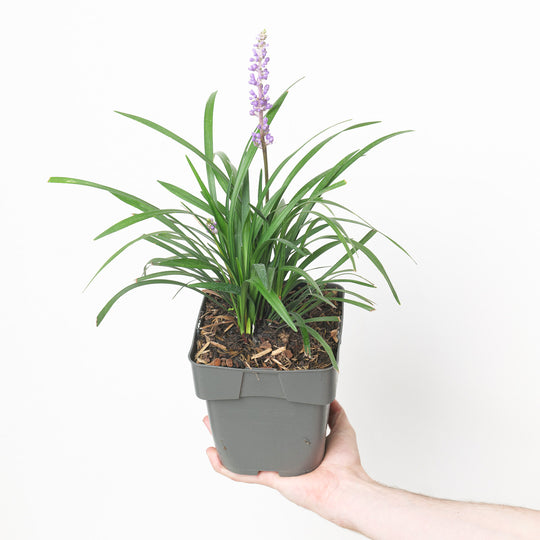
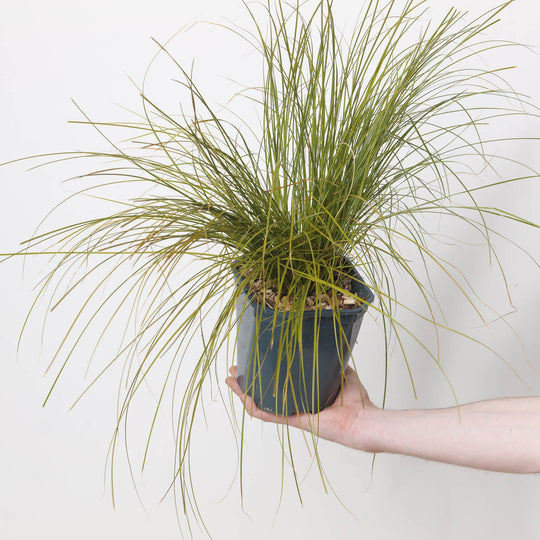
    Liriope muscari 'Moneymaker' Plants - Outdoor GROW TROPICALS
    Lilyturf

    Liriope muscari 'Moneymaker'

    £14.99
    1

    The GrowTropicals Guide to Ornamental Grasses

    What are ornamental grasses?

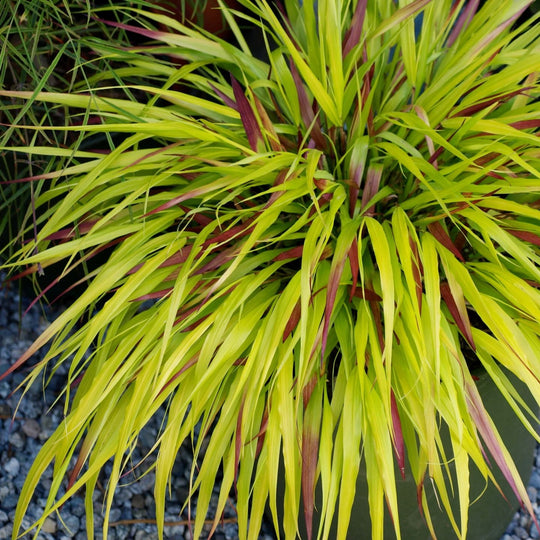
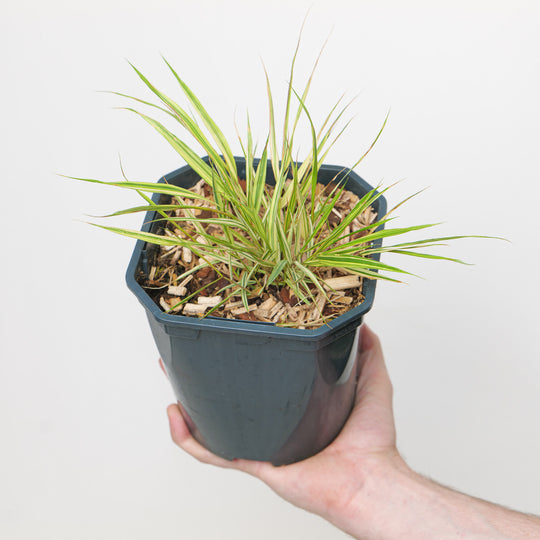
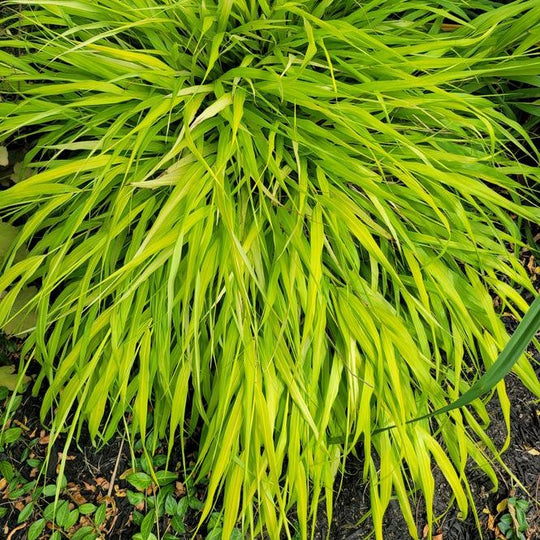
    Ornamental grasses are the movement makers of the garden. Compact blue fescues (Festuca glauca) sit tight in a gravel garden, feathery Stipa tenuissima catches every breeze, and low mounding forms such as Liriope and Ophiopogon add fine texture at the front of a border or a pot edge. Most are fully hardy, evergreen or semi-evergreen, and ask almost nothing once established. They also read as tropical when paired with big-leaved neighbours, which makes them essential for an exotic border. Read our honest guide to what to expect from hardy exotics through the seasons before ordering.

    Care essentials for ornamental grasses

    • Position: Most prefer full sun with free-draining soil. Liriope and Ophiopogon tolerate partial shade and are useful under trees.
    • Soil: Free-draining is critical, especially for silver-leaved fescues. Add grit or sand to heavy clay. Grasses hate wet feet in winter.
    • Hardiness: Most ornamental grasses stocked here are RHS H5 to H7 (fully hardy across the UK).
    • Spring tidy: Comb out evergreen grasses with gloved fingers in early spring. Cut back deciduous grasses (miscanthus, calamagrostis) to 10 cm before new growth appears.
    • Feeding: Rarely needed. Overfeeding causes floppy growth. A light spring mulch is enough.

    Explore the ornamental grass range

    Grasses combine well with drought-tolerant plants in a gravel garden, with exotic border plants for movement between big-leaved anchors, and in pots and containers. See the full Hardy Exotics range for pairings.

    Frequently Asked Questions

    Yes, ornamental grasses are among the easiest garden plants. Most want a sunny, free-draining spot and little else, with no staking, deadheading or feeding needed. They are ideal if you want a big effect for very little work.

    Most are hardy perennials that return year after year. Deciduous grasses die back over winter and reshoot in spring, while evergreen types keep their foliage all year. Either way they are a long-lived, reliable choice.

    Grasses make excellent container plants for patios and balconies, coping well with sun, wind and a little neglect. Use a free-draining compost, water in dry spells, and divide the clump every few years if it outgrows its pot.

    Leave deciduous grasses standing over winter for structure, then cut them back to the base in late winter before new growth starts. Evergreen grasses just need a gentle comb-through to remove dead leaves.

    Most prefer full sun and free-draining soil, which brings out the best colour and movement. A few tolerate light shade, and all of them dislike sitting wet over winter, so good drainage is key.

    Ornamental grasses for movement and texture

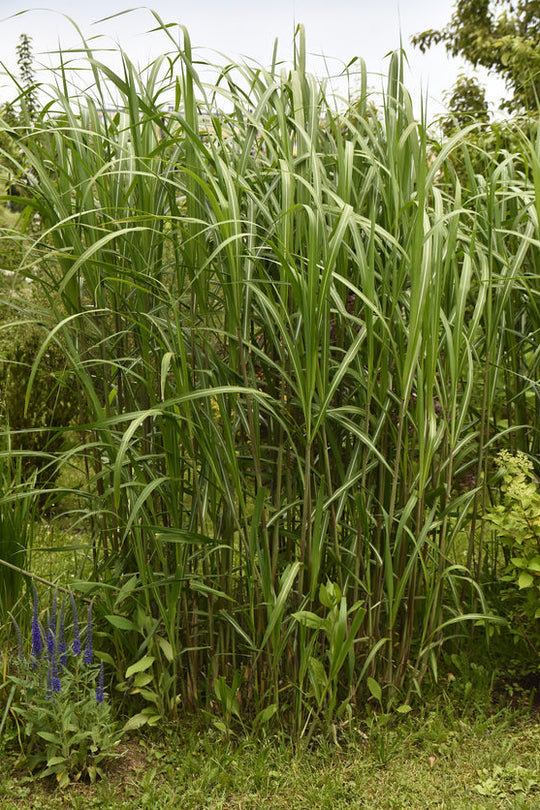
    Ornamental grasses bring something no other plant quite matches: gentle movement, soft texture and light that catches in the seedheads. They are the easy, modern way to fill a border, soften hard landscaping and add a naturalistic, prairie feel that looks good from spring right through winter. The grasses in this collection are hardy, low maintenance and chosen to earn their place all year.

    Grasses in pots for patios and balconies

    A grass in a pot is one of the most effective things you can put on a patio or balcony. It sways in the slightest breeze, copes with sun and wind better than most plants, and asks for very little. A row of grasses in containers makes a soft, contemporary screen, and many look wonderful with low evening light shining through them.
    Designing with grasses

    Grasses are team players. Plant them in drifts for a meadow effect, weave them through flowering perennials to knit a border together, or use a single bold grass as a fountain-like focal point. Mixing heights and textures gives a planting depth and a relaxed, generous feel.

    Care and cutting back

    Most grasses are wonderfully easy: a sunny or lightly shaded spot, free-draining soil and very little feeding. Leave the foliage and seedheads standing through winter for structure and frost interest, then cut deciduous grasses back in late winter before the new growth appears. Simply comb through evergreen types to tidy them.