


Packaged with Care
Every order is hand-packed in eco-friendly, protective packaging - refined through thousands of deliveries to ensure your plant arrives healthy, hydrated, and looking its best.
Backed by our Live Arrival Guarantee.


FREE tracked delivery on orders over £60

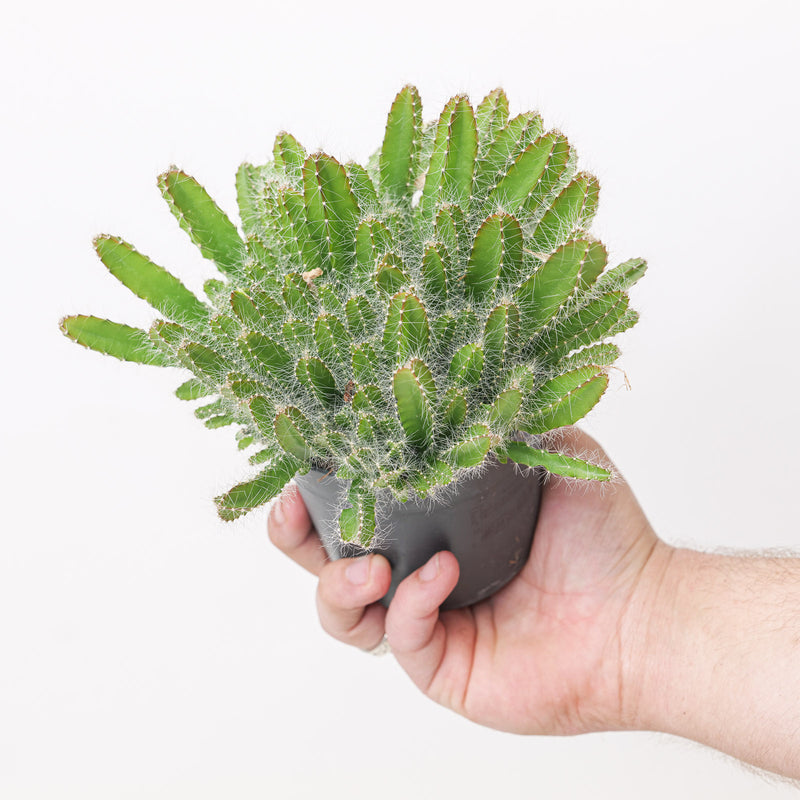
Hylocereus undatus, the Dragon Fruit Cactus, is the climbing jungle cactus behind the famous pink dragon fruit, or pitaya. Its bold, three sided green stems scramble and trail as they grow, and given time, warmth and light a mature plant produces huge, fragrant flowers that open for a single night.
Origins
Unlike the spiny desert cacti, Hylocereus is an epiphytic jungle cactus from the tropical Americas, where it climbs tree trunks with clinging aerial roots. That makes it an easy, fast growing choice that sits comfortably among our cacti and succulents and, more specifically, our jungle cacti.
Light and water
Give it the brightest spot you have, with a few hours of direct sun to build strong stems and, eventually, flowers. Water thoroughly, then let the compost dry out almost fully before watering again. It is a forgiving, beginner friendly plant that would rather be too dry than too wet.
Flowers, fruit and pets
With age, warmth and good light a happy plant can flower and even set dragon fruit indoors, though it needs room to climb to reach that stage. It is also non toxic, so it earns a place among our pet safe houseplants, though the stems can carry small spines, so a careful spot is still wise.
All plants are covered by our 7-day live arrival guarantee. We pack every order in protective, sustainable packaging designed to keep your plants safe in transit, and every plant is checked before it ships. On the rare occasion something is not right on arrival, we will make it good, provided the plant is still in its original nursery pot.
Based on your basket total, confirmed at checkout. Free delivery: Economy over £60 · Standard over £100 · Express over £150.
Order by 1pm Monday to Friday for same day dispatch. Every plant travels in protective, plant-safe packaging with tracked delivery.
Changed your mind? See our Return Policy.
Arrived just like the photos - maybe even fuller. Healthy, well-acclimated, and straight into my collection with no issues.
Flawless leaves, stunning variegation, and clearly cared for by experts. It’s already a talking point in my home office.
Hard to find rare plants that are pet-safe. Ours arrived in perfect condition and looks amazing without any worry.
Hylocereus undatus (Dragon Fruit Cactus) is an easy-care houseplant. It needs bright direct light, watering only once the compost has dried right through, average household humidity and a minimum temperature of 10°C. It is listed as non-toxic to cats and dogs.
Easy care
Bright, direct sun
Bright light, including some direct sun. A few hours of gentle direct sun encourages strong, healthy stems and, in time, flowering. In deep shade the stems grow thin and weak.
Let it dry out fully between waterings
Water like a jungle cactus rather than a desert one, but still let it dry. Soak thoroughly, then let the compost dry out almost completely before watering again. Water sparingly in winter. It is far happier slightly dry than sitting wet.
Happy at normal household humidity
Average room humidity is fine. As a tropical cactus it tolerates normal indoor air without fuss.
Keep above 10°C · Happy at normal room temperature
Warm rooms suit it best. Keep it above 10C in a bright, frost free spot. Consistent warmth through summer helps it build toward flowering.
Feed monthly with a balanced fertiliser from spring to autumn, and let it rest over winter.
Listed as non-toxic to cats and dogs. Plants still are not food, so a determined chewer may get an upset stomach.
Cactaceae
Hylocereus undatus (Dragon Fruit Cactus)
We could not find a close match for that. Ask us directly and a real plant person will reply.
Contact usEvery order is hand-packed in eco-friendly, protective packaging - refined through thousands of deliveries to ensure your plant arrives healthy, hydrated, and looking its best.
Backed by our Live Arrival Guarantee.

From rare collector’s pieces to easy-care favourites, our plants arrive fully potted and ready to enjoy. Add a personalised note at checkout for a thoughtful finishing touch.
Delivered fresh, beautiful, and gift-ready.

All plants are ethically sourced from trusted growers, never wild-collected. Every order ships carbon-neutral in minimal-waste packaging.
Good for your home - and the planet.
