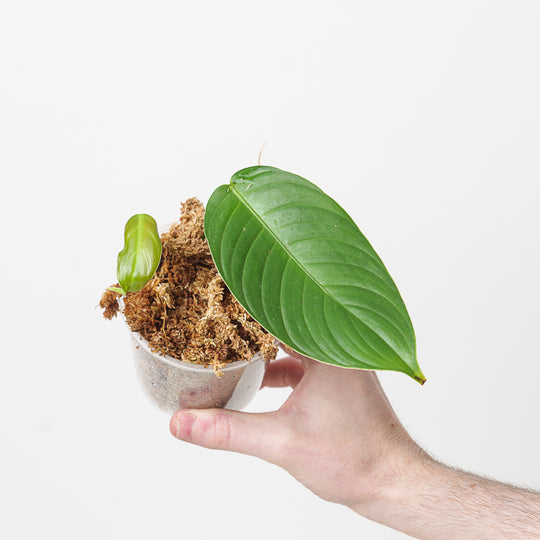
Foliage houseplants


Foliage houseplants earn their place through their leaves: bold shapes, painterly patterns and textures that carry a room all year round, no flowers required. Standouts include Peperomia Prostrata, Philodendron Pink Princess and Gynura aurantiaca 'Purple Passion'. Narrow the field with our aroids and Calathea and prayer plants, or browse all houseplants.

1425 products
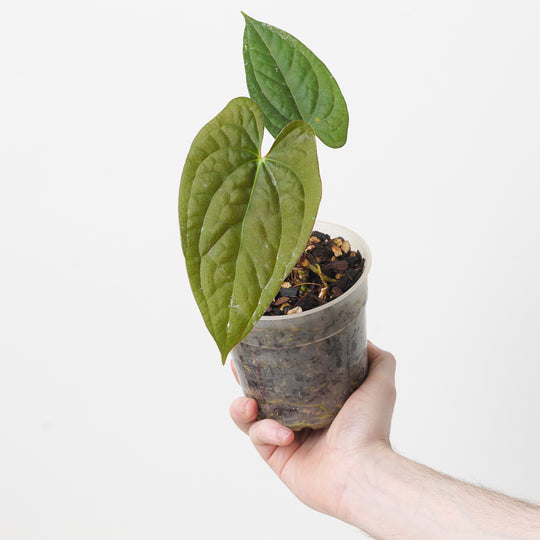
    1425 products

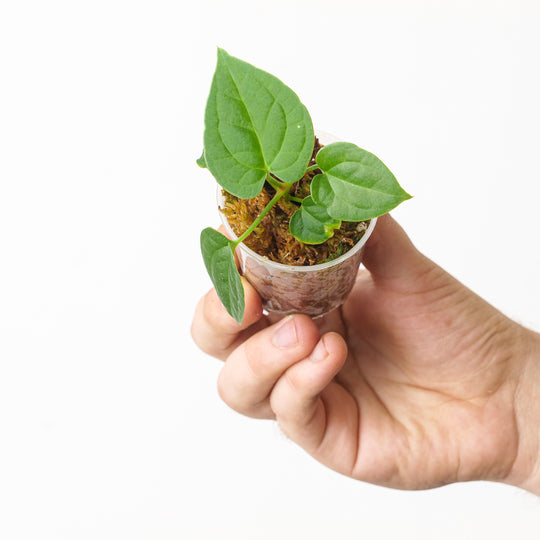
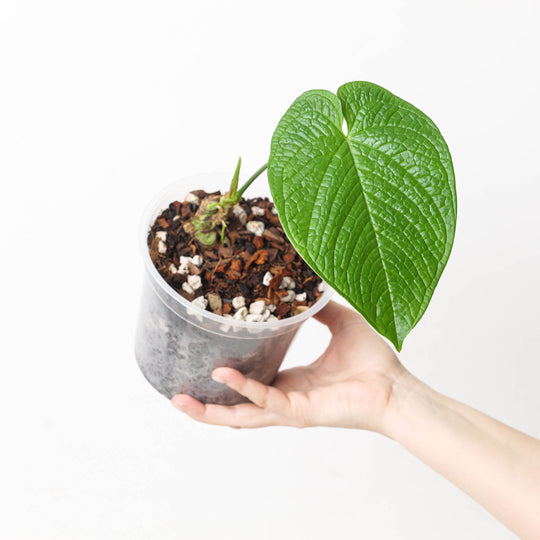
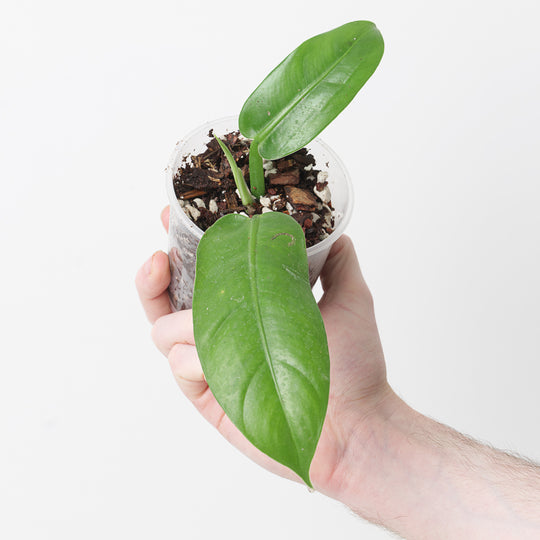
    Anthurium brownii '5' Plants GrowTropicals

    Anthurium

    Anthurium brownii '5'

    £70.00£85.00Save 17%
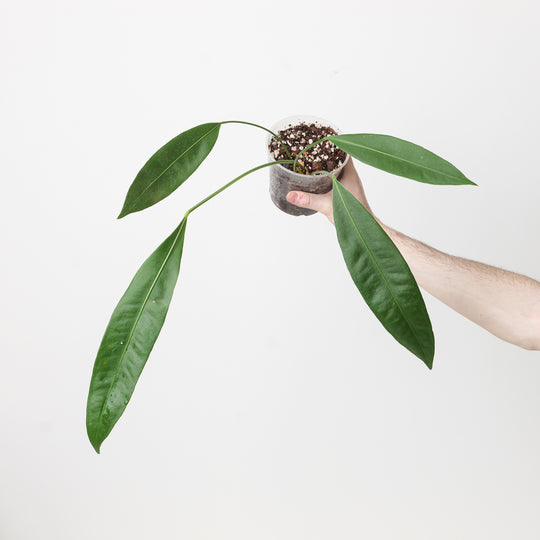
    Anthurium coriaceum 12cm Plants GrowTropicals

    Anthurium

    Anthurium coriaceum

    £60.00£80.00Save 25%
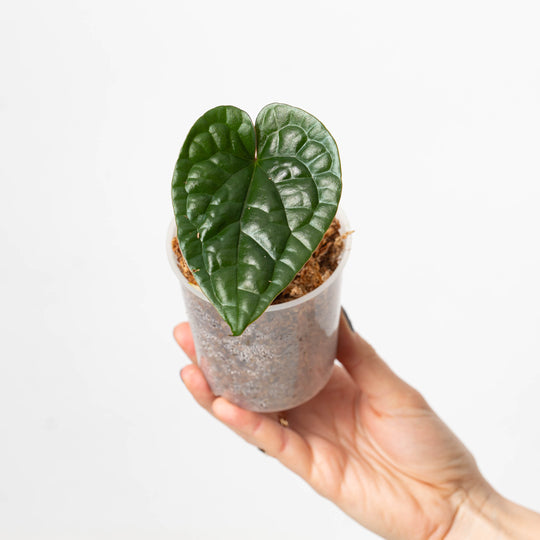
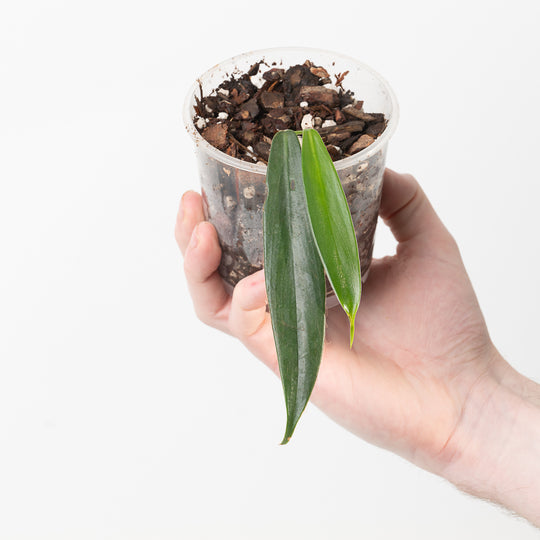
    Scindapsus sp. Borneo Plants GrowTropicals

    Trailing Scindapsus

    Scindapsus sp. Borneo

    £35.00£40.00Save 12%
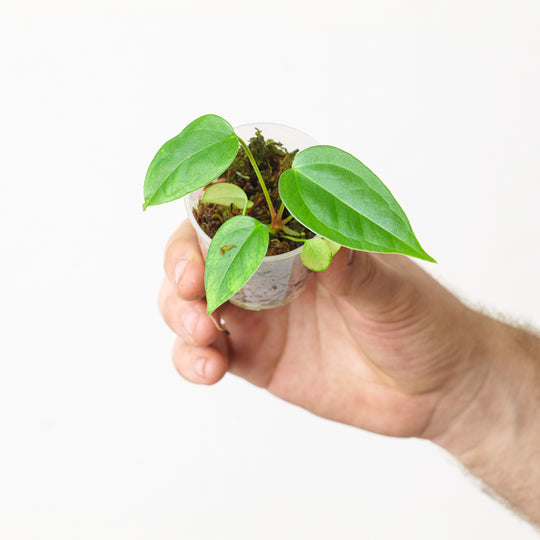
    Philodendron parvilobum 9cm Plants GrowTropicals

    Rare Philodendron

    Philodendron parvilobum

    £35.00£50.00Save 30%
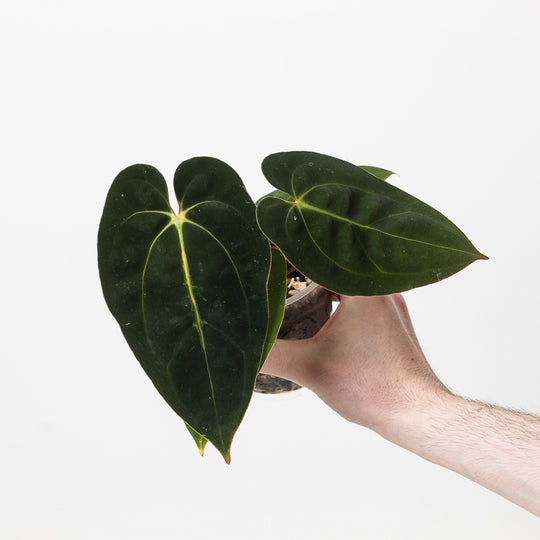
    Anthurium splendidum Plants GrowTropicals

    Anthurium

    Anthurium splendidum

    £80.00£110.00Save 27%
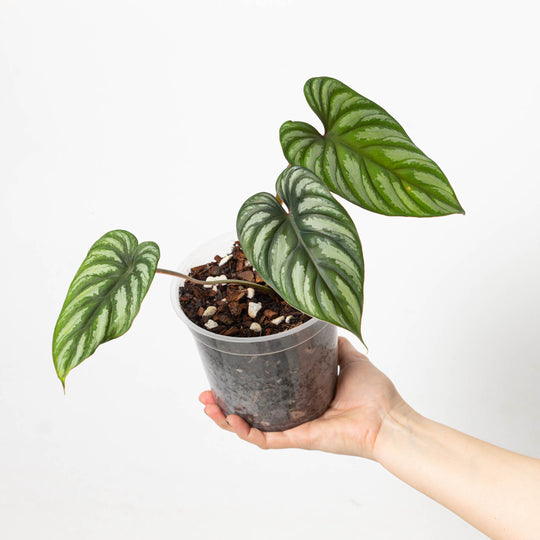
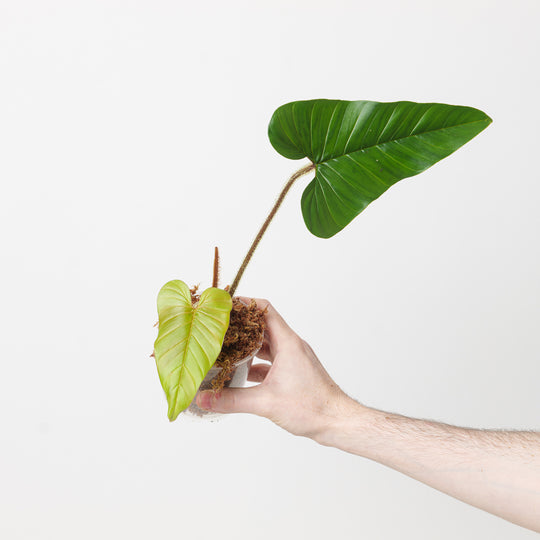
    Philodendron cf. pseudoverrucosum Plants GrowTropicals

    Philodendron

    Philodendron cf. pseudoverrucosum

    £70.00£110.00Save 36%
    Anthurium giganteum 'Verde' Plants GrowTropicals

    Anthurium

    Anthurium giganteum 'Verde'

    £55.00£75.00Save 26%
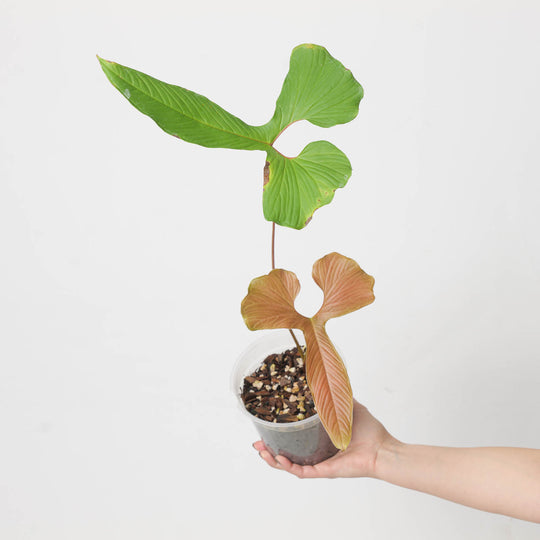
    Philodendron asplundii Plants GrowTropicals

    Philodendron

    Philodendron asplundii

    £35.00£90.00Save 61%
    Monstera cf. obliqua Plants GrowTropicals

    Monstera

    Monstera cf. obliqua

    £85.00£100.00Save 15%

    The World of Foliage Plants

    Why leaves are enough

    Flowers come and go, but foliage is permanent. A well-chosen leafy plant such as Peperomia Prostrata offers colour, pattern and sculptural presence twelve months a year, and collections built purely on leaf interest never have an off season. Variegated varieties like Philodendron Pink Princess bring as much colour as any bloom.

    Texture is the other half of the story: glossy, velvet, corrugated, ribbed. Mixing leaf textures is the simplest way to make a group of green plants read as rich rather than flat.

    Foliage care fundamentals

    Bright, indirect light suits most foliage species; strong variegation generally needs more light to hold its contrast. Wipe dust from broad leaves monthly so they photosynthesise well, and raise humidity for thin-leaved species. Gynura aurantiaca 'Purple Passion' is a good example of a plant that visibly rewards good humidity.

    Feed lightly but regularly through the growing season. For specific groups, explore aroids, ferns and succulents, or begin with Pilea peperomioides.

    Frequently Asked Questions

    Foliage houseplants are chosen for their leaves rather than flowers: think Monstera, Philodendron, Calathea, Ficus and countless others with striking shapes, colours and patterns.

    They form the backbone of most indoor plant collections. See the full foliage houseplants collection for the range.

    Epipremnum (Pothos), Philodendron scandens, Aglaonema and Sansevieria are all famously forgiving: they tolerate average light, imperfect watering and normal household humidity.

    Each product page carries a care level indicator, so you can match a plant to the attention you can realistically give it.

    Fading variegation or pattern almost always means insufficient light. The plant compensates by producing plainer, greener leaves that photosynthesise more efficiently.

    Move the plant somewhere brighter, out of direct midday sun, and new leaves should regain their contrast. Existing leaves do not change back.

    Yes, lightly. Leafy growth uses nitrogen, so a balanced liquid feed once a month from spring to early autumn keeps leaves large and well-coloured.

    Skip feeding through winter when growth naturally pauses, and never feed a bone-dry plant; water first, feed after.

    Dust them. A layer of dust blocks light and dulls the finish, so wipe broad leaves with a damp cloth every few weeks, supporting the leaf with your other hand.

    Good humidity prevents crispy edges on thin leaves, and removing a tired leaf promptly directs energy into new growth.