Exotic Edibles


Grow food with a story. Our exotic edibles range spans fruiting plants such as Passion Fruit, Variegated Meyer Lemon and hardy Musa basjoo, alongside crop plants you rarely see in the UK: Coffea arabica, Cacao, Turmeric and Wild Betel. Every plant is edible in some form, from fruit and leaves to spice and tea.

40 products

    40 products
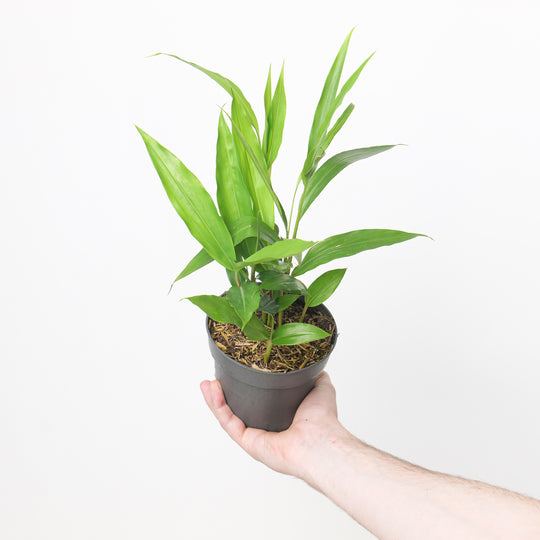
    Alpinia 'Galanga' Plants GrowTropicals

    Galangal (Thai Ginger)

    Alpinia 'Galanga'

    £18.99
    1

    Exotic Edible Plants: Grow Fruit, Spice and Tea at Home

    What Are Exotic Edible Plants?

    Exotic edibles are plants from the tropics and subtropics that produce something you can eat or drink: fruit, leaves, spice, or tea. Many of the crops behind everyday staples, from coffee and chocolate to black pepper and turmeric, make fascinating houseplants in their own right. Growing them at home connects you to the origin of your food and rewards you with foliage you will not find in a supermarket aisle.

    Fruit You Can Grow at Home

    Start with the classics. Passion Fruit fruits reliably in a UK conservatory or sheltered garden, while Dragon Fruit Cactus is a low fuss climbing cactus that produces spectacular night blooms before setting fruit. For something hardier, Golden Kiwi and Pomegranate both cope with British winters given a sunny, sheltered spot.

    Grow Your Own Spice Rack

    Some of the most rewarding exotic edibles are spices. Turmeric and Galangal grow from rhizomes you can harvest and replant each year. Variegated Black Pepper is the true peppercorn vine in a striking variegated form, and Wild Betel produces the aromatic leaves used to wrap Thai and Vietnamese street food.

    Tea, Coffee and Chocolate from Your Windowsill

    Coffea arabica is a glossy, easy going houseplant that can genuinely produce coffee cherries with enough light and patience. Cacao is the chocolate tree itself, a true collector piece. For the kettle, Hibiscus sabdariffa gives you the deep red roselle calyces used in hibiscus tea, and Gynostemma pentaphyllum, known as jiaogulan or the herb of immortality, brews into a sweet herbal tea.

    Hardy Exotic Edibles for the Garden

    You do not need a greenhouse for everything. Musa basjoo is the famously hardy banana that survives UK winters outdoors. Feijoa produces aromatic pineapple guava fruit on an evergreen shrub, White Mulberry gives sweet berries on a handsome large leaved tree, and Fig 'Del Portogallo' ripens reliably against a warm wall.

    Frequently Asked Questions

    Exotic edible plants are species from the tropics and subtropics that produce something you can eat or drink. That includes fruiting plants such as Passion Fruit and Dragon Fruit, spice crops such as turmeric and black pepper, and plants grown for tea, coffee or chocolate.

    Many of them double as striking houseplants or architectural garden plants, so you do not have to choose between an ornamental collection and a productive one.

    Coffea arabica is one of the easiest, thriving as a glossy houseplant in bright, indirect light. Aloe vera is close to unkillable, and Dragon Fruit Cactus is a low fuss cactus that tolerates the odd missed watering.

    In the garden, Musa basjoo and Feijoa are both forgiving choices that establish quickly in a sunny, sheltered spot.

    Yes, with the right light. A bright, south facing windowsill or conservatory suits Meyer Lemon, Finger Lime and Passion Fruit. Citrus in particular will flower and fruit indoors if it gets several hours of direct sun and a cooler winter rest.

    Plants grown for leaves, spice or tea, such as turmeric, wild betel and jiaogulan, are even easier because you harvest the foliage or rhizome rather than waiting for fruit to ripen.

    Quite a few. Musa basjoo survives UK winters outdoors with a mulch, and Feijoa, White Mulberry, Golden Kiwi, Pomegranate and Chinese Quince all cope with British conditions in a sunny, sheltered position.

    Half hardy choices such as fig, guava and passion fruit do best against a warm wall or in pots you can move under cover for winter.

    Most want the brightest spot you can give them, free draining compost and regular feeding through the growing season. Tropical species such as Cacao and Wild Betel also appreciate warmth and humidity, so keep them away from cold draughts.

    Hardy types are much less demanding: plant them in sun, water in their first season and mulch generously before winter. Every product page includes our full care notes.

    Edible for people does not always mean safe for pets. Many plants in this collection, including bananas and Tamarind, carry our Pet Friendly tag, but others, such as Aloe vera, can upset cats and dogs if chewed.

    Check the individual product page before buying: we flag pet friendly plants clearly, and if in doubt keep new plants out of reach of curious mouths.