Plants for Wildlife & Pollinators


Plants for pollinators and garden wildlife in UK gardens. Nectar-rich hardy perennials, wildlife-friendly climbers and pollen-heavy exotic bulbs that feed bees, butterflies and hoverflies through spring, summer and autumn.

79 products

    79 products
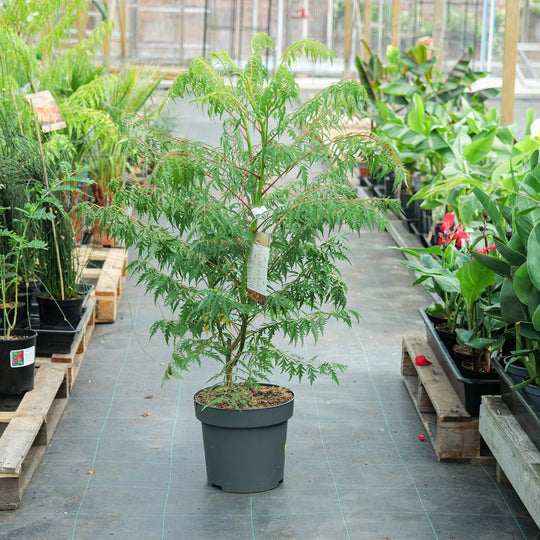
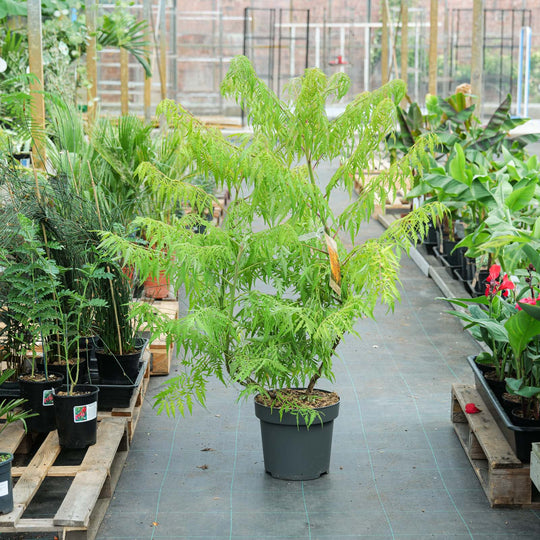
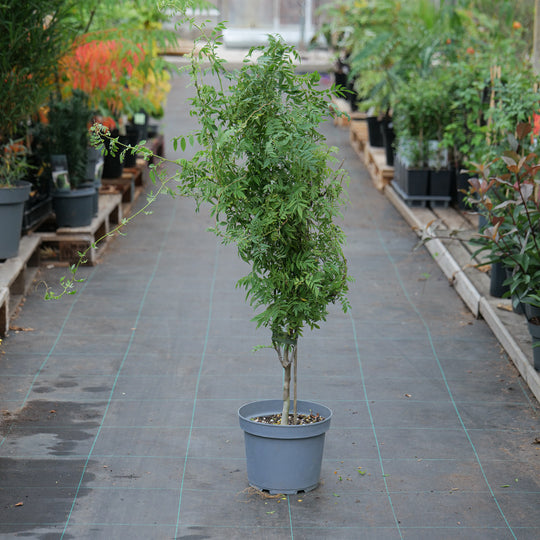
    Rhus typhina 'Tiger Eyes' 31cm / 15L - Collection Only Plants - Outdoor GROW TROPICALS
    Tiger Eyes Staghorn Sumac (Stag's Horn Sumach)

    Rhus typhina 'Tiger Eyes'

    £113.99
    1

    The GrowTropicals Guide to Plants for Pollinators

    What are the best plants for pollinators?

    The best pollinator gardens have three things: long flowering season, single (rather than double) flowers, and diversity of shape. Bees, butterflies, hoverflies and moths each favour different flower forms, so the more variety, the more wildlife. Even a small UK garden can support a serious pollinator population if it flowers from March through October. Exotic-looking pollinator plants (Passiflora, Actinidia, hardy Salvia relatives) do double duty: bold visual impact and heavy nectar. Read our honest guide to what to expect from hardy exotics through the seasons before ordering.
    Care essentials for pollinator plants

    • Position: Most pollinator plants prefer full sun for maximum flowering. A sunny sheltered border also warms up faster in spring, extending the season for early bees.
    • Diversity: Aim for at least six different flowering species, staggered so something is in flower every month from March to October.
    • No pesticides: Avoid systemic insecticides on and around any plant flowering while pollinators are active. Neonicotinoids in particular are lethal to bees.
    • Flower form: Choose single flowers over double or ruffled cultivars. Doubles look full but usually give pollinators nowhere to land and little nectar reward.
    • Leave stems: Delay cutting back hollow-stemmed perennials until spring to give overwintering insects shelter.

    Explore the pollinator range

    Combine pollinator plants with hardy perennials, hardy climbers and exotic bulbs for a year-round nectar calendar. See the full Hardy Exotics range for more.

    Frequently Asked Questions

    Nectar-rich, single-flowered plants that bloom over a long season are best for bees and butterflies. The plants in this collection are chosen to feed pollinators while bringing a bold, exotic look, so the garden works for wildlife and for you.

    Absolutely. A few nectar-rich plants in pots on a balcony or patio provide a valuable feeding stop for bees and butterflies, especially in towns where flowers are scarce. Even a small container display makes a difference.

    Plant pollinator favourites in groups, aim for flowers from spring to autumn, avoid pesticides, and provide a range of flower shapes. Leaving some seedheads and stems over winter also shelters insects through the colder months.

    No single plant does, but planting a mix gives a long succession of flower from spring to autumn, which is what pollinators need. Choosing early and late bloomers as well as summer flowers extends the feeding season.

    Yes, the pollinator plants in this collection are hardy and chosen to be easy to grow in UK gardens, in borders or pots. Each is labelled with its needs so you can place it where it will flower and feed best.

    Plants that feed bees and butterflies

    A garden full of pollinators is a garden full of life. The plants in this collection are chosen to feed bees, butterflies, hoverflies and other beneficial insects with nectar and pollen, while still bringing the bold, exotic look you are after. Helping wildlife and having a beautiful garden are the same job.
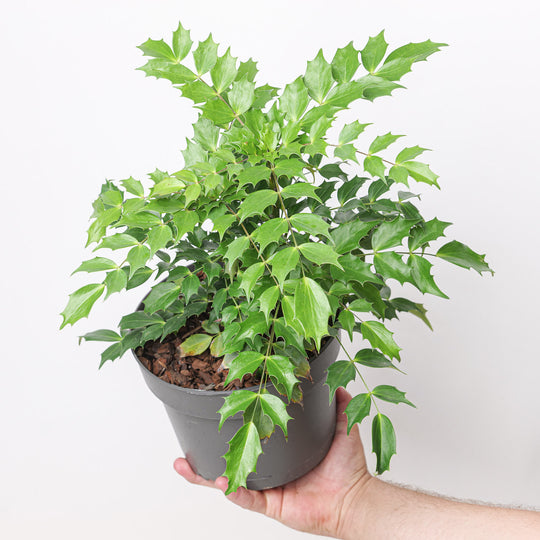
    Pollinator pots for balconies and patios

    You do not need a meadow to help pollinators. A few nectar-rich plants in pots on a balcony, patio or doorstep become a vital pit stop for passing bees and butterflies, especially in towns and cities where flowers can be scarce. Even a small container display makes a real difference.
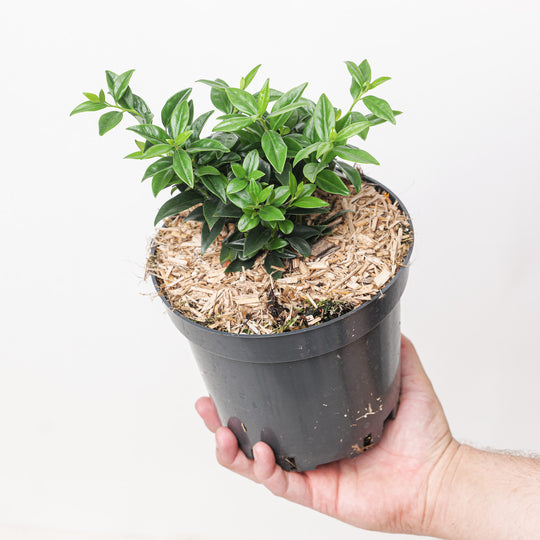
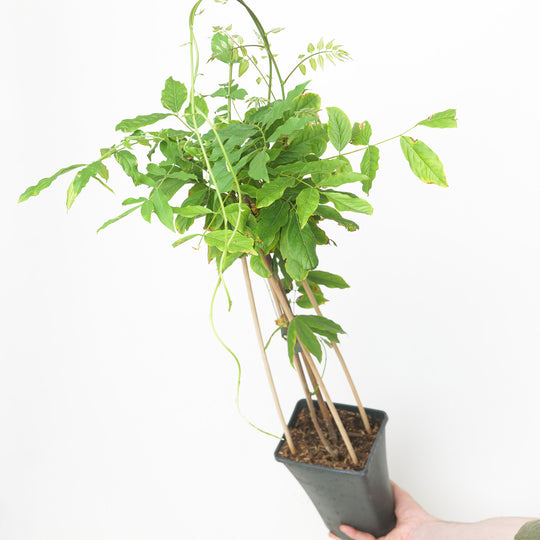
    A border buzzing with life

    In a border, plant pollinator favourites in generous groups so insects can feed efficiently, and aim for a long season of flower from spring to autumn. Combining different flower shapes suits different insects, and leaving some seedheads and stems standing over winter shelters wildlife through the cold months.

    Care

    Grow pollinator plants in the position they prefer, avoid pesticides that harm beneficial insects, and let the garden be a little wild in places. Healthy, well-grown plants flower better and feed more, so the basics of good planting are the best thing you can do for wildlife.