Why Pet Safety Matters with Houseplants
Many popular houseplants contain compounds that are toxic to cats, dogs, or both. These range from mild irritants that cause drooling or upset stomachs to more serious compounds that can cause kidney failure or neurological symptoms in pets. Common toxic plants include Lily species (highly toxic to cats), Pothos (Epipremnum), Philodendron, Aloe vera, Sago Palm, and Dieffenbachia. If you share your home with curious pets or young children, knowing which plants are safe is essential.
How We Verify Pet Safety
All plants in this collection are verified against the ASPCA Animal Poison Control Center database, widely regarded as the most authoritative source for plant toxicity information. We cross-reference this with our own horticultural expertise and update the collection as new information becomes available. If you are ever unsure about a specific plant, our team is happy to advise.
Best Pet-Safe Plants for Cats
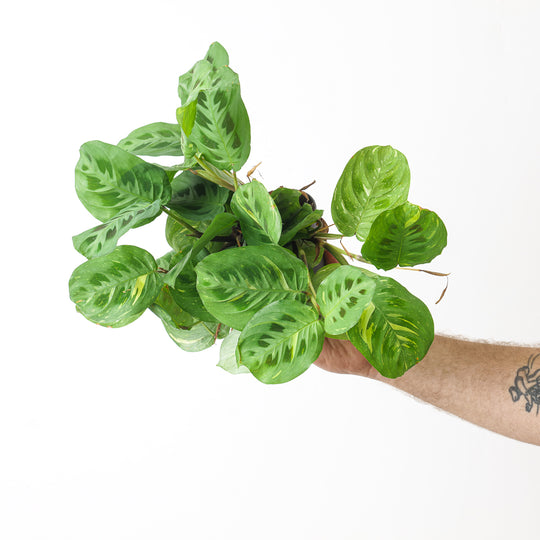
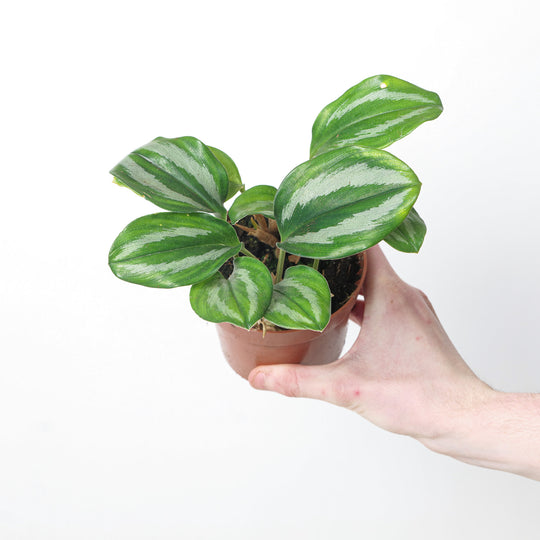
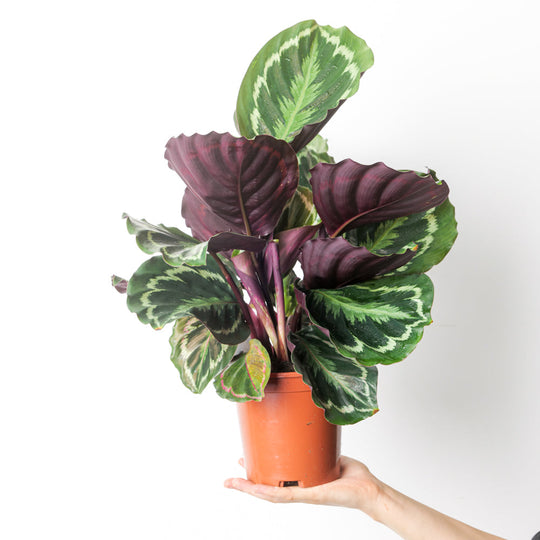
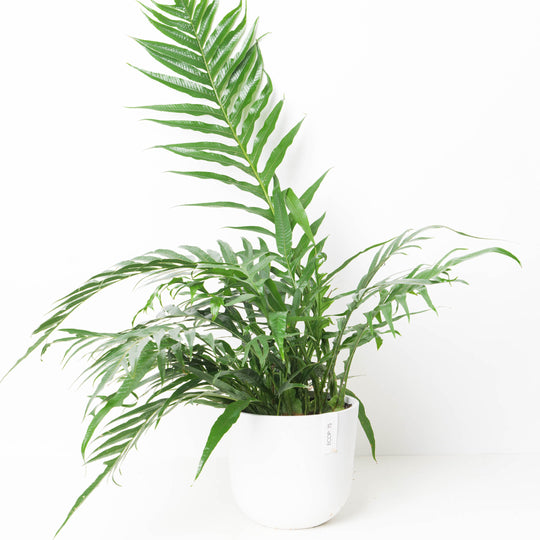
Spider Plants (Chlorophytum comosum) are among the most popular pet-safe plants and are completely non-toxic to cats. Calatheas and Marantas are striking tropical foliage plants safe for cats. Parlour Palm (Chamaedorea elegans) is an elegant palm that is non-toxic to both cats and dogs. Boston Fern (Nephrolepis exaltata) is another excellent choice, safe and well suited to bathroom or kitchen environments.
Best Pet-Safe Plants for Dogs
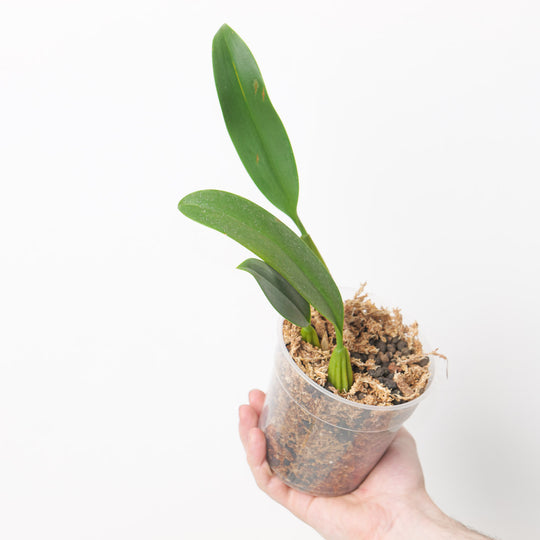
Many of the same species that are safe for cats are also safe for dogs: Spider Plants, Calatheas, Parlour Palm, and Boston Fern are all good choices. Orchids (Phalaenopsis) are non-toxic to dogs. Echeveria succulents are safe, as are most ferns. African Violets (Saintpaulia) are another dog-safe flowering option.
Plants to Avoid if You Have Pets
Several popular houseplants should be avoided entirely in pet-friendly homes. These include Pothos (Epipremnum), all Philodendron species, Peace Lily (Spathiphyllum), Aloe vera, ZZ Plant (Zamioculcas), Dieffenbachia, and all Lily species. Even if your pets do not typically chew plants, it is safer to avoid these species if you have cats or dogs at home.
Displaying Pet-Safe Plants
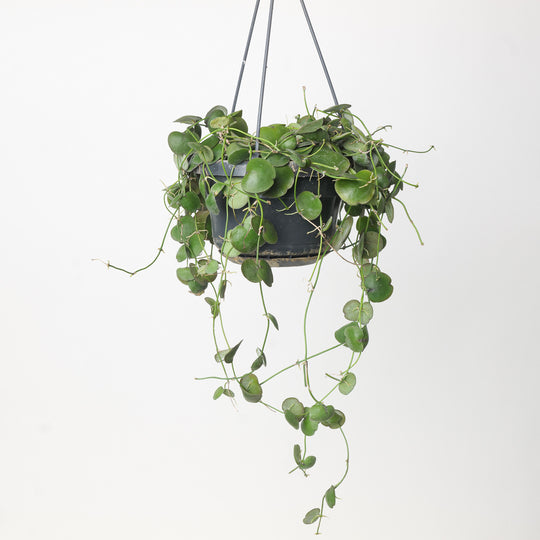
Even non-toxic plants can cause mild digestive upset if consumed in large quantities, so it is still sensible to display plants in positions that are less accessible to pets where possible. Hanging planters, high shelves, and dedicated plant stands are useful for keeping plants out of reach while still creating a beautiful display.