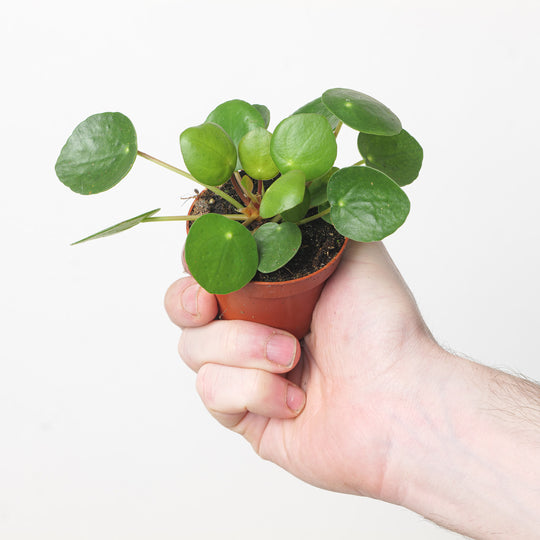
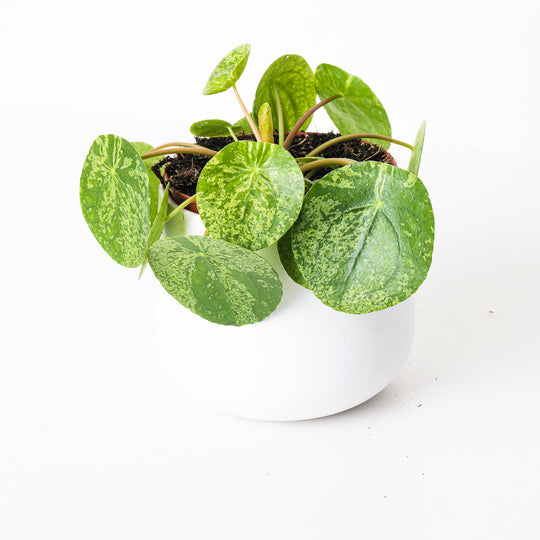
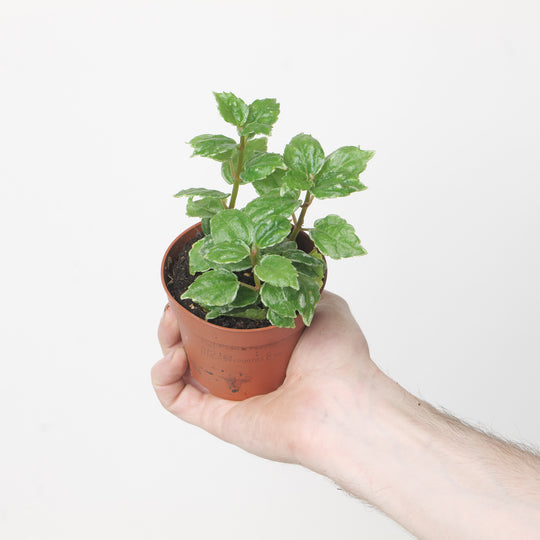
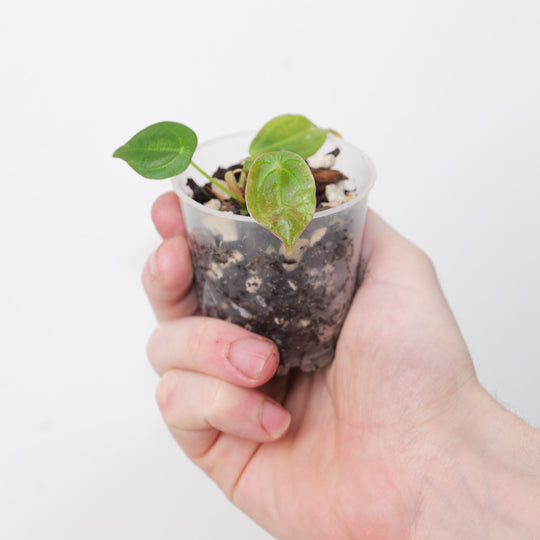
Few plants have captured the collective imagination of the houseplant world quite like Pilea peperomioides. Nicknamed the Chinese Money Plant, Pass-it-on Plant, or UFO Plant, it became one of the defining houseplants of the 2010s thanks to its photogenic round leaves and the ease with which it produces offsets that can be potted up and passed on to friends. It remains one of the most popular small houseplants in the UK.
Chinese Money Plant care
Pilea peperomioides is straightforward to grow in the right conditions. It thrives in bright indirect light and should be rotated regularly to prevent it leaning towards the light source. Water when the top inch of compost has dried out, typically every 7 to 10 days in summer and less in winter. Feed monthly in spring and summer with a balanced liquid fertiliser. The main reason Pileas struggle is overwatering, so when in doubt, hold off.
Pilea pups and propagation
One of the most appealing things about Pilea peperomioides is its generosity. Mature plants regularly produce small offshoots (known as pups or babies) around the base. These can be carefully separated once they have a few leaves and their own small root system, potted into fresh compost, and given away or grown on. This sharing tradition is part of what gave the plant its other common name, the Pass-it-on Plant.
Other Pilea species
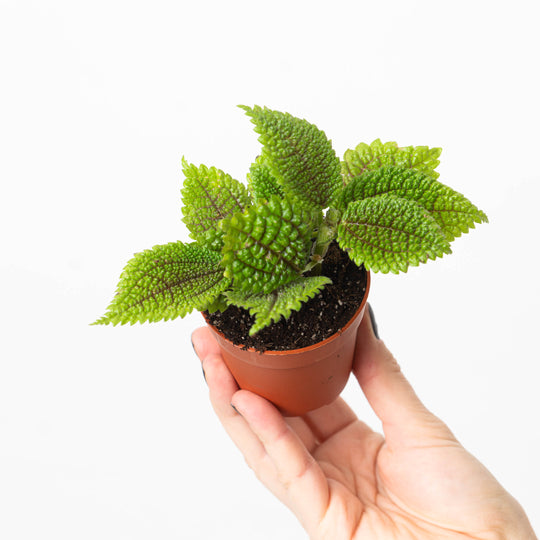
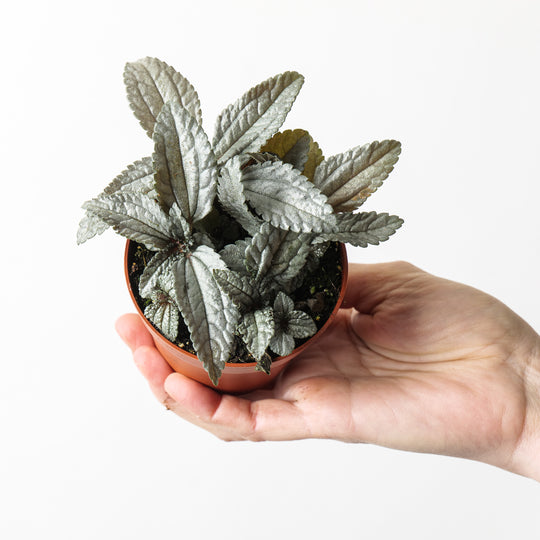
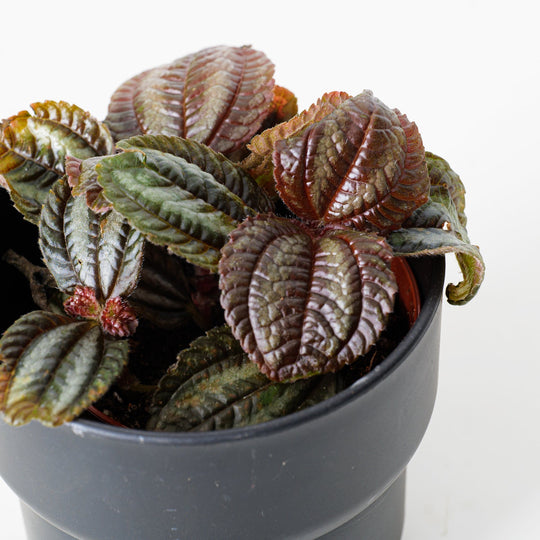
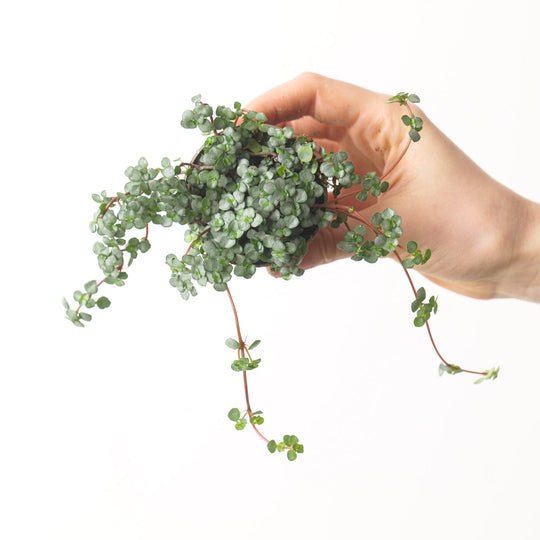
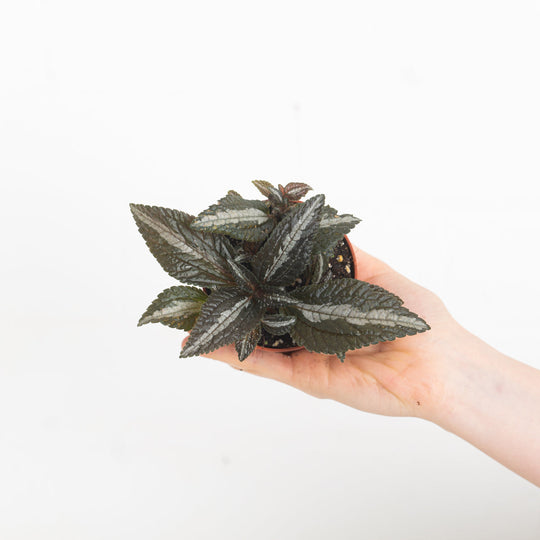
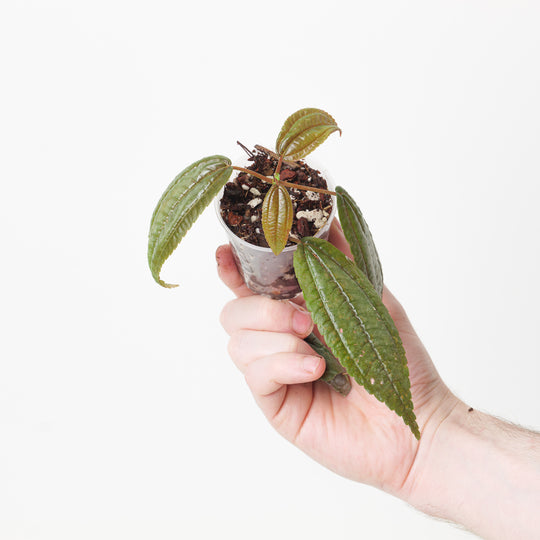
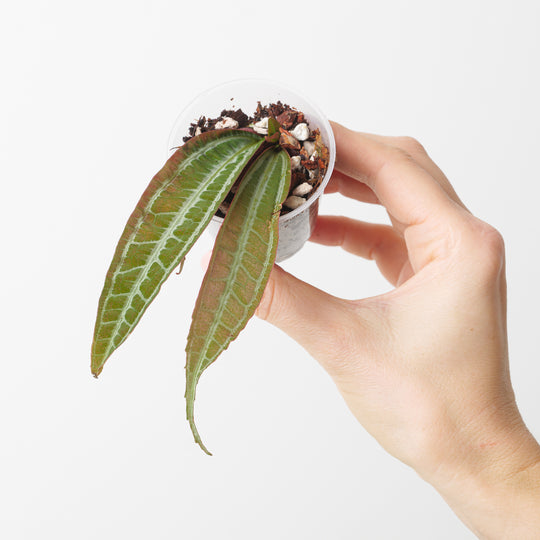
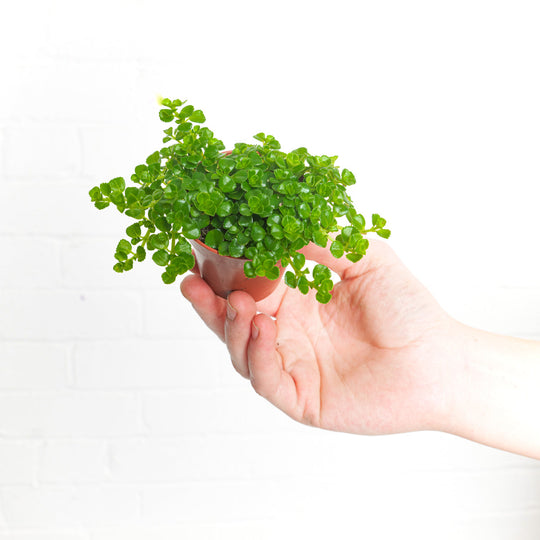
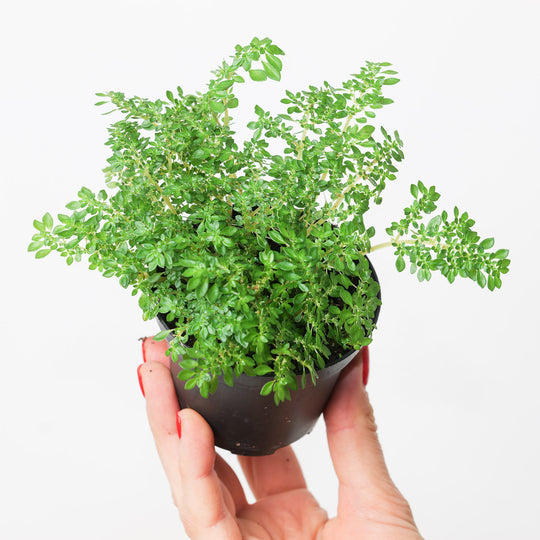
Beyond the Chinese Money Plant, the Pilea genus includes many other worthwhile houseplant species. Pilea glauca is a delicate creeping plant with tiny silver-green leaves that works beautifully as a terrarium plant. Pilea mollis (Moon Valley) has deeply textured, quilted leaves with a distinctive pattern. Pilea involucrata offers bronze and silver patterning. Our collection grows regularly as we source new Pilea varieties year-round.