Pothos | Scindapsus and Epipremnum


Pothos are some of the most versatile and forgiving houseplants you can grow. This collection brings together Epipremnum and Scindapsus, two closely related genera often grouped under the common name "Pothos". From the classic Golden Pothos to silvery Scindapsus pictus and the blue-toned Cebu Blue, there is a Pothos for every room and light level.

We work with trusted partner nurseries to source and curate the best quality plants, and for our rarest collector varieties we propagate in our own UK nursery. Looking for trailing varieties? Browse our wider trailing plants and hanging plants collections, or explore more aroids across the family.

55 products

    55 products
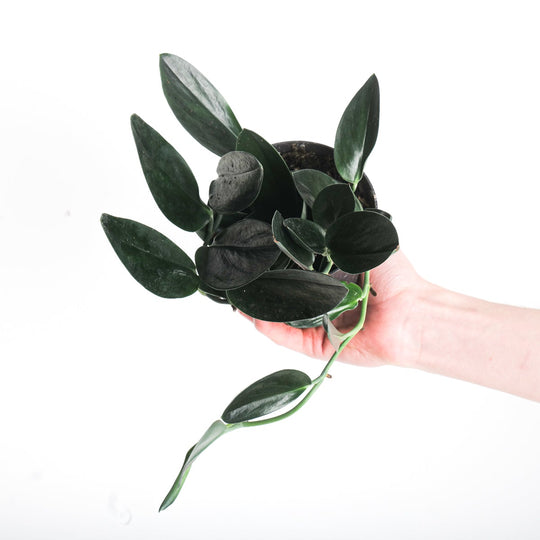
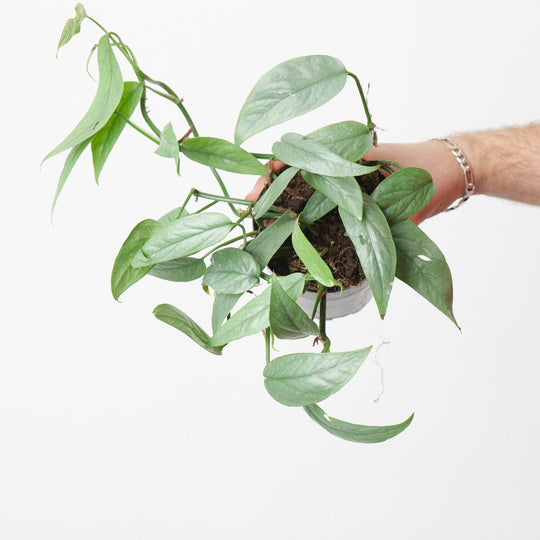
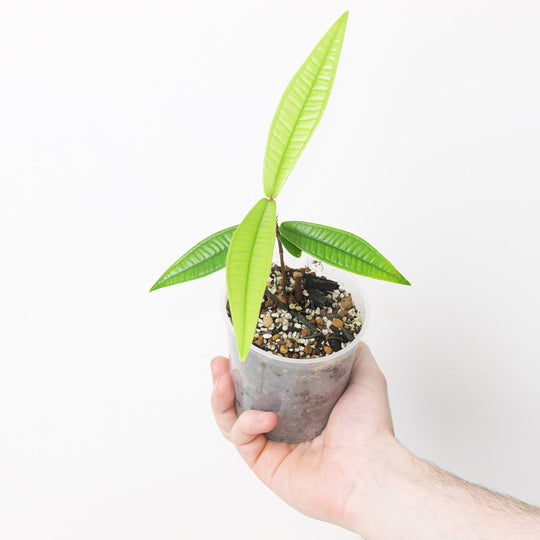
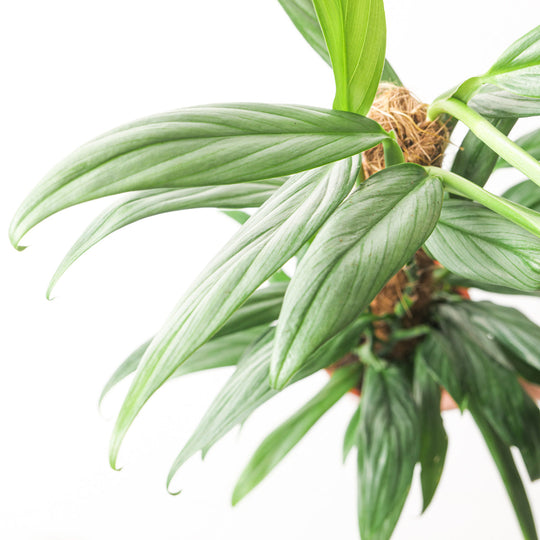
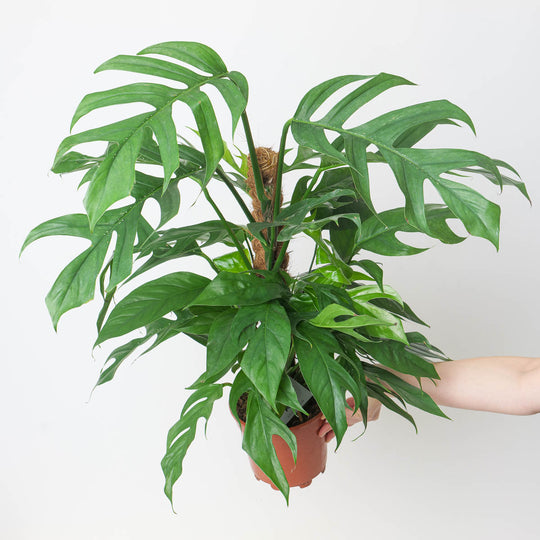
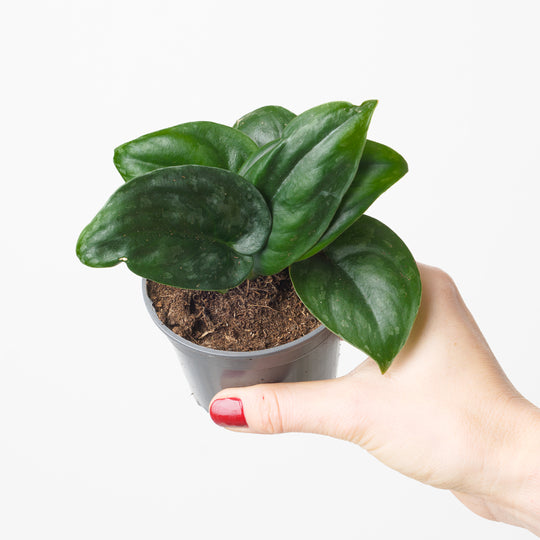
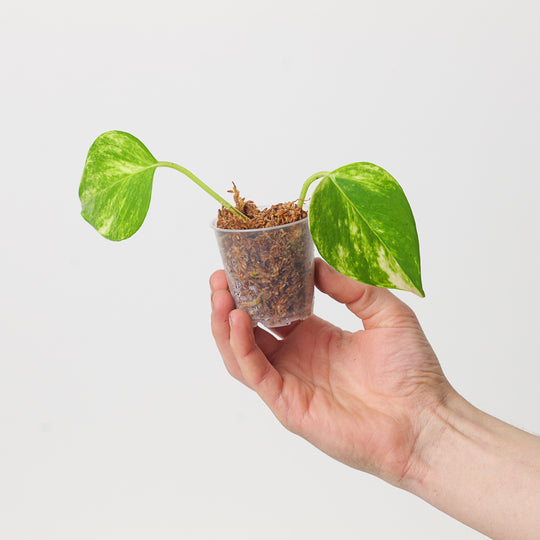
    Epipremnum pinnatum 'Cebu Blue' 12cm Plants GrowTropicals
    1
    Epipremnum 'Happy Leaf' 12cm Plants GrowTropicalsSale
    Happy Leaf Pothos

    Epipremnum 'Happy Leaf'

    £8.99 £9.99
    1
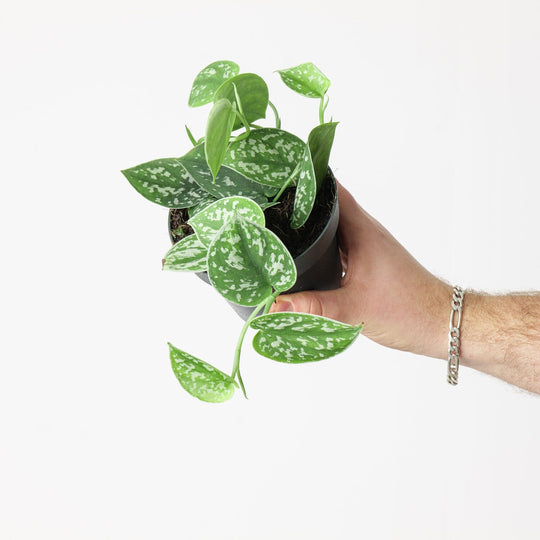
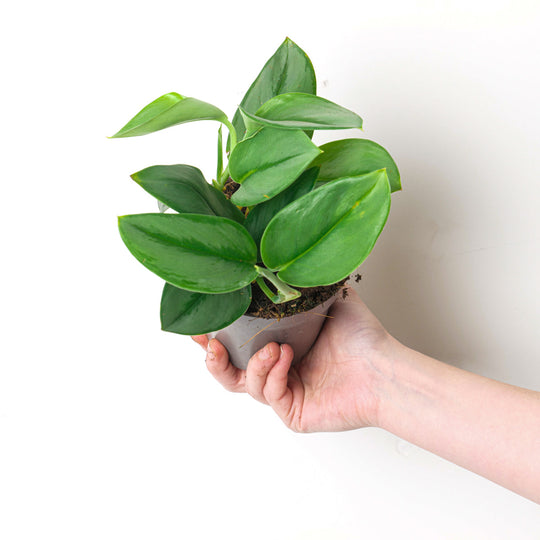
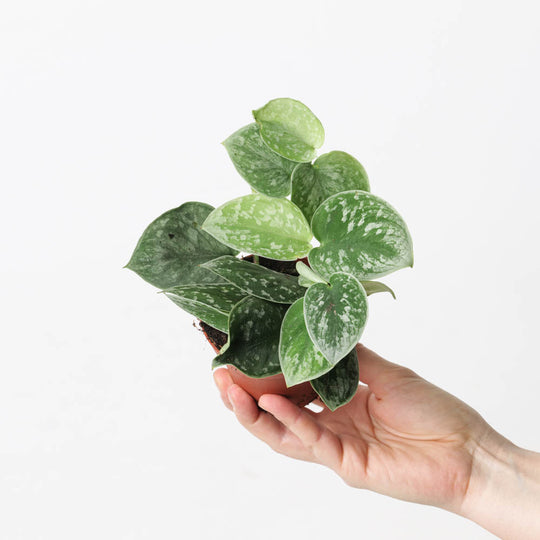
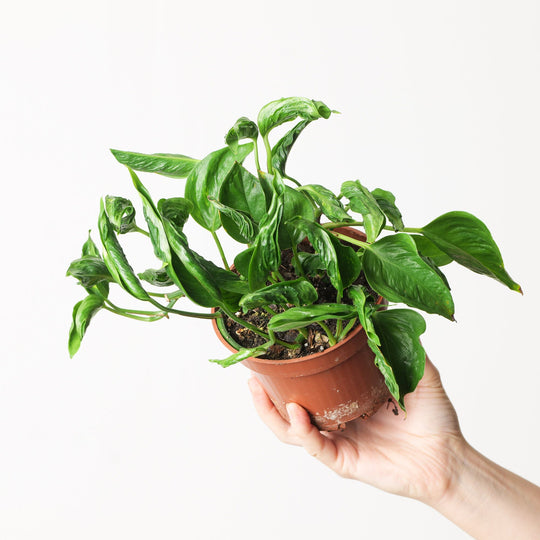
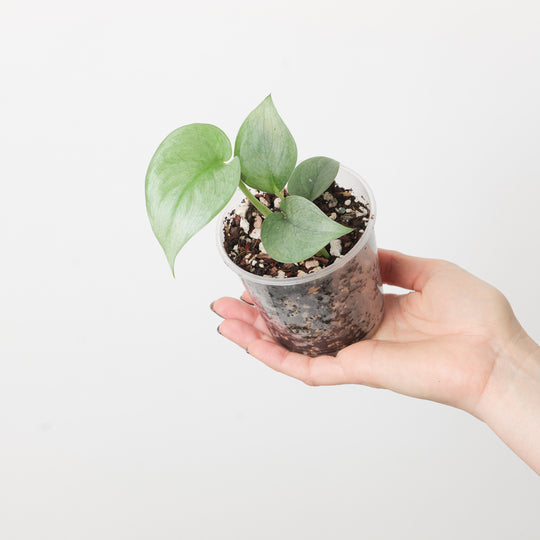
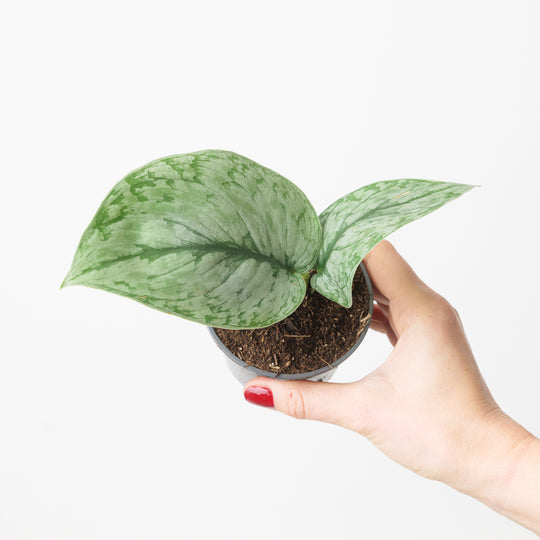
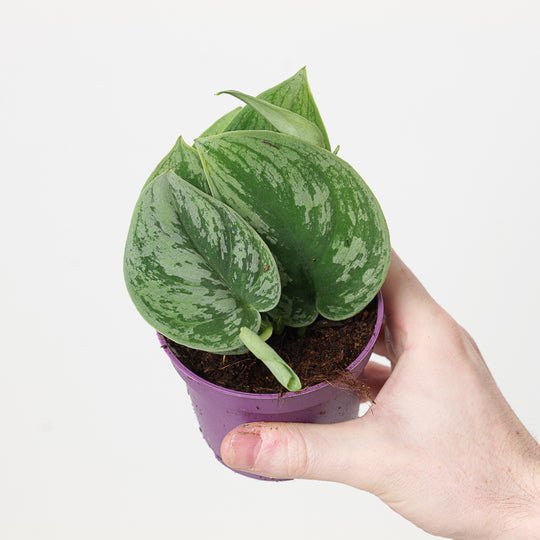
    Scindapsus pictus 'Argyraeus' 12cm Plants GrowTropicals
    1
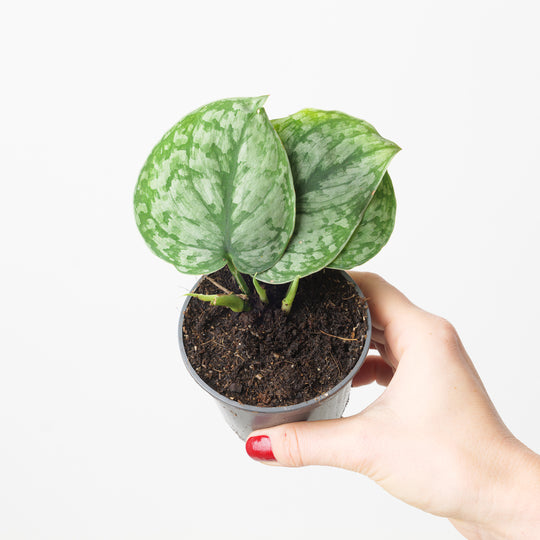
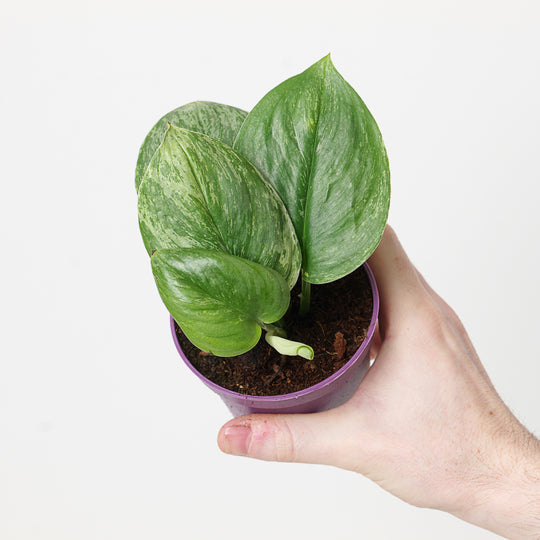
    Epipremnum 'Global Green' Plants GrowTropicals
    Global Green Pothos

    Epipremnum 'Global Green'

    £9.99
    1
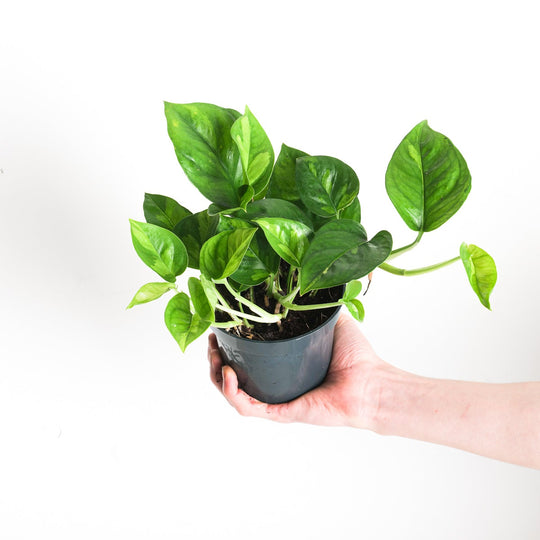
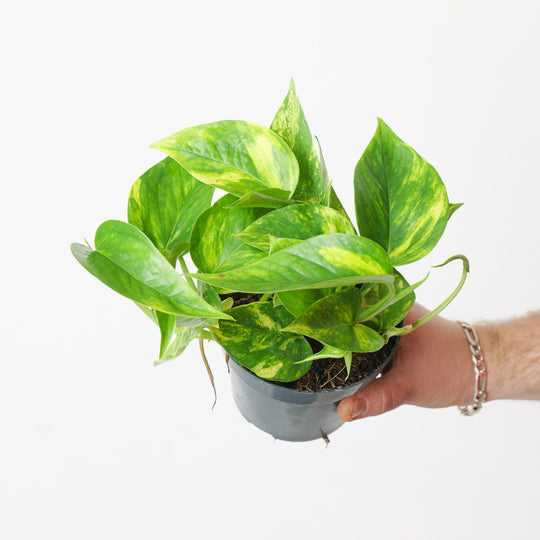
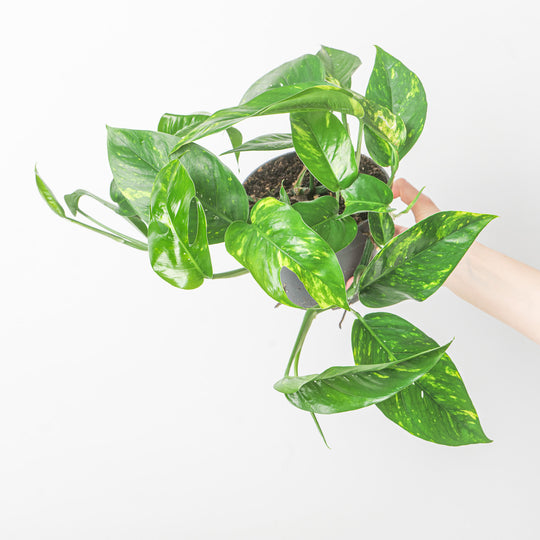
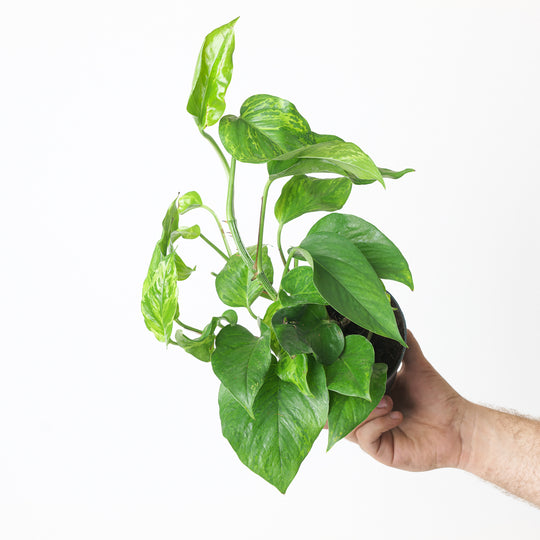
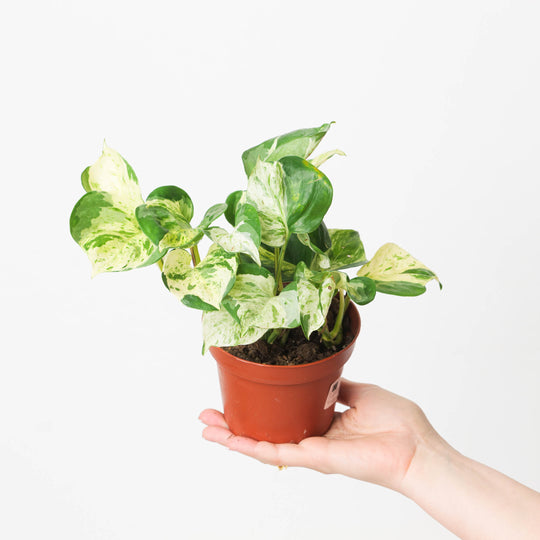
    Epipremnum 'Aureum' 12cm Plants GrowTropicals
    Golden Pothos

    Epipremnum 'Aureum'

    £8.99
    1
    Imperfect Scindapsus treubii 'moonlight' 12cm Plants GrowTropicalsSale
    1
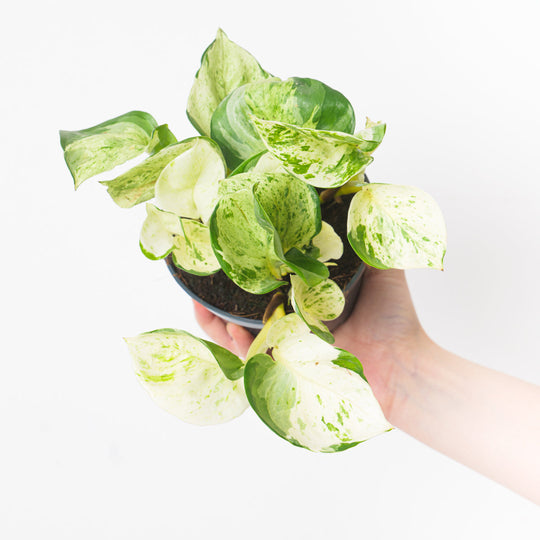
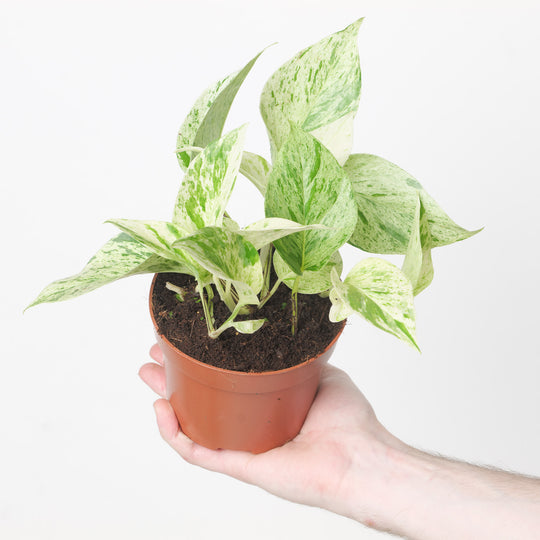
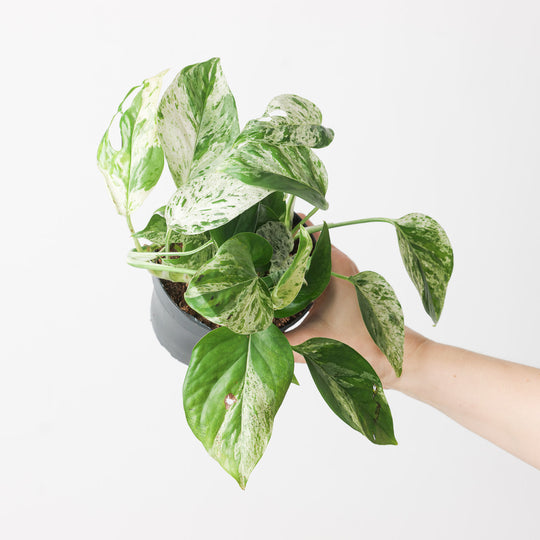
    Epipremnum pinnatum 'Marble' 12cm Plants GrowTropicalsSale
    1
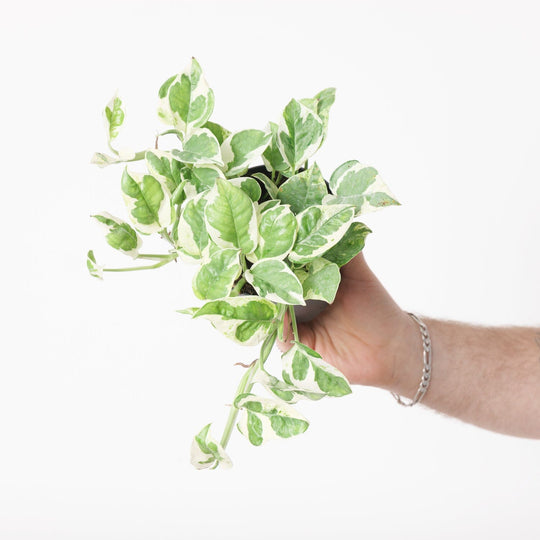
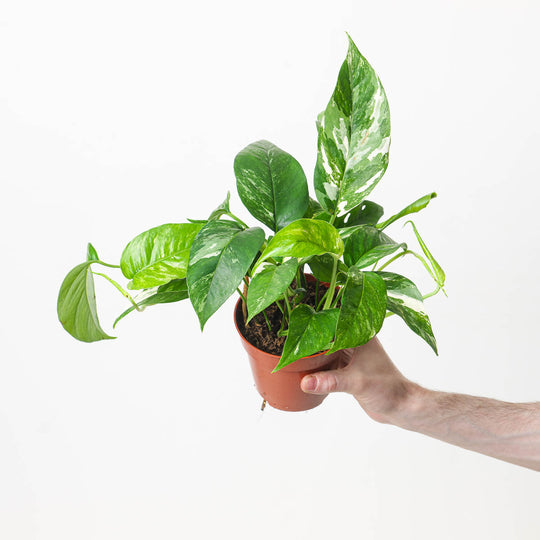
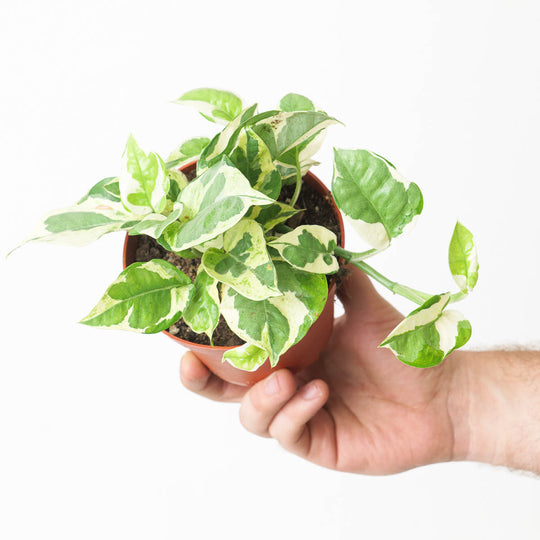
    Epipremnum 'N'Joy' Plants GrowTropicalsSale
    NJoy Pothos

    Epipremnum 'N'Joy'

    £8.99 £10.99
    1
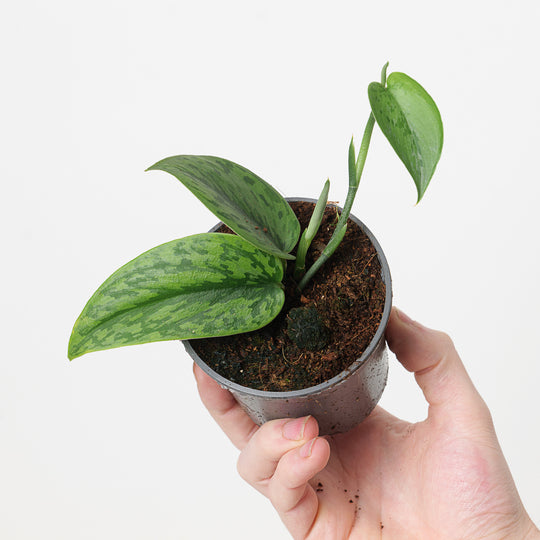
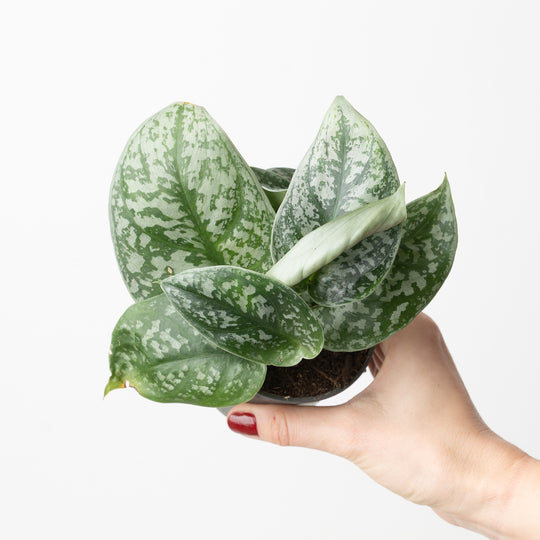
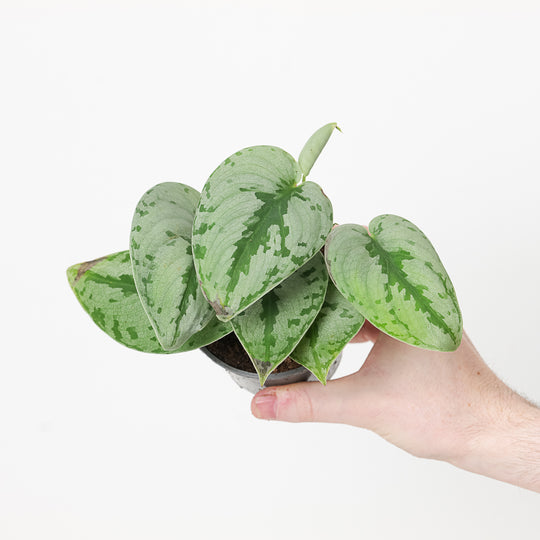
    Scindapsus pictus 'Trebie' 12cm Plants GrowTropicals
    Silver Pothos

    Scindapsus pictus 'Trebie'

    £8.99
    1
    Epipremnum Champs Élysées Plants GrowTropicalsSale
    1
    Epipremnum Snow Leopard Plants GrowTropicals
    1
    Epipremnum Rubicon Variegated Plants GrowTropicalsSale
    1
    Scindapsus 'Silver Hero' Plants GrowTropicals
    1
    Epipremnum Poonsin Plants GrowTropicals
    1

    Your Guide to Pothos, Scindapsus and Epipremnum

    What Makes Pothos So Popular?

    Few houseplants combine low-maintenance care with such visual variety. Pothos, the common name for plants in the genera Epipremnum and Scindapsus, thrive in conditions that would test most tropical plants: low light, inconsistent watering, and average household humidity. That resilience makes them a natural starting point for new plant owners, and the sheer number of cultivars keeps experienced collectors interested.

    The Golden Pothos is probably the single most recognised houseplant in the world. But the genus runs deep: from the compact, white-splashed N'Joy to the metallic blue-green leaves of Cebu Blue, each cultivar has a distinct personality.

    Epipremnum vs Scindapsus: What is the Difference?

    Both genera belong to the aroid family (Araceae) and share a similar trailing or climbing habit. The practical difference comes down to leaf texture and colour. Epipremnum cultivars tend to have smoother, glossier leaves with yellow, white, or green variegation. Scindapsus leaves are typically thicker, with a matte or velvety surface and silver patterning.

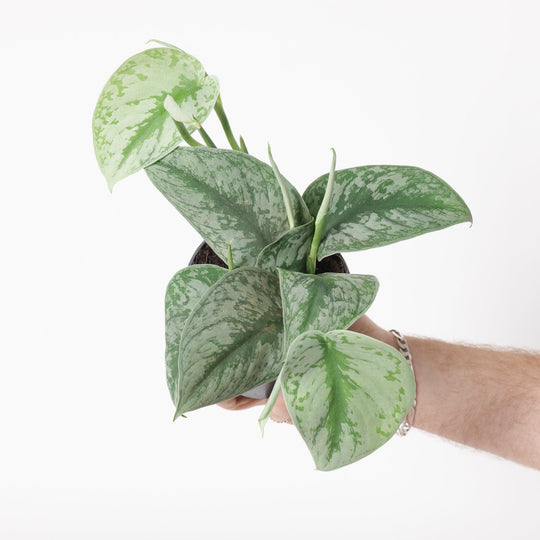
    Compare the satin sheen of Scindapsus pictus 'Argyraeus' with the bold marbling of Epipremnum 'Global Green' and the distinction is clear. Both genera are equally easy to care for, so choose whichever leaf pattern appeals to you.

    Best Pothos for Beginners

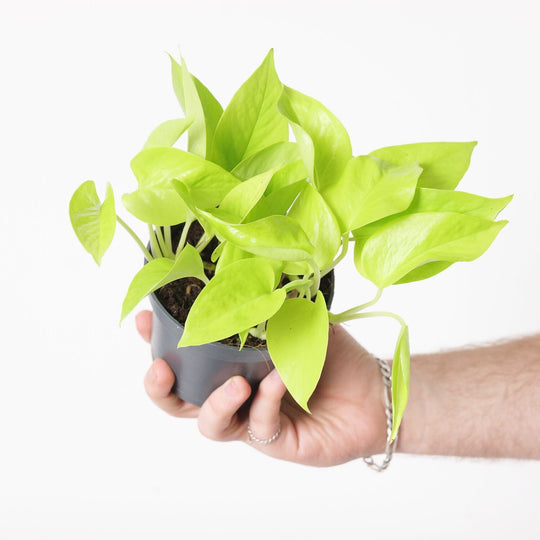
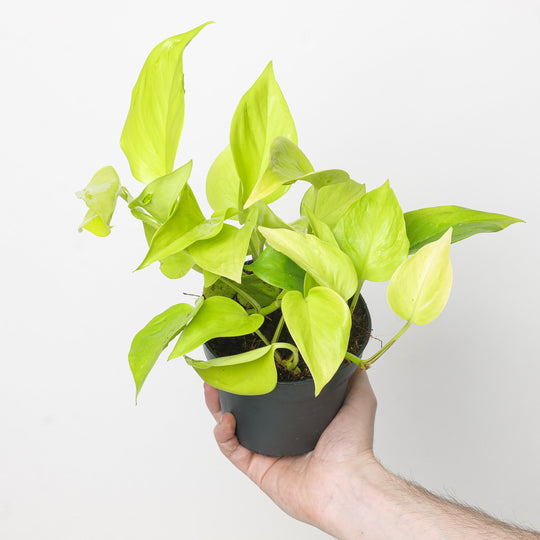
    If you are new to houseplants, three varieties stand out. Golden Pothos tolerates low light, missed waterings, and just about every common mistake. Neon Pothos brings a vivid chartreuse colour to darker corners. And Scindapsus pictus 'Trebie' adds silver variegation without demanding bright conditions.

    All three are part of our easy care houseplants collection and make excellent gifts for anyone starting their indoor jungle.

    Rare and Unusual Pothos Varieties

    Beyond the classics, we grow a rotating selection of harder-to-find cultivars. Epipremnum Snow Leopard features fine white speckles across dark green leaves. Scindapsus treubii 'Moonlight' has elongated, silvery leaves with an almost metallic finish. Stock on these varieties changes regularly, so check back often or sign up for restock notifications on any product page.
    How to Care for Pothos Plants

    Pothos are not fussy, but getting the basics right makes a real difference to growth rate and leaf size. Place them in bright, indirect light for the best variegation; they will survive in low light but may lose colour contrast. Water when the top 3 to 5 cm of compost feels dry. In winter, that might mean watering every two to three weeks rather than weekly.

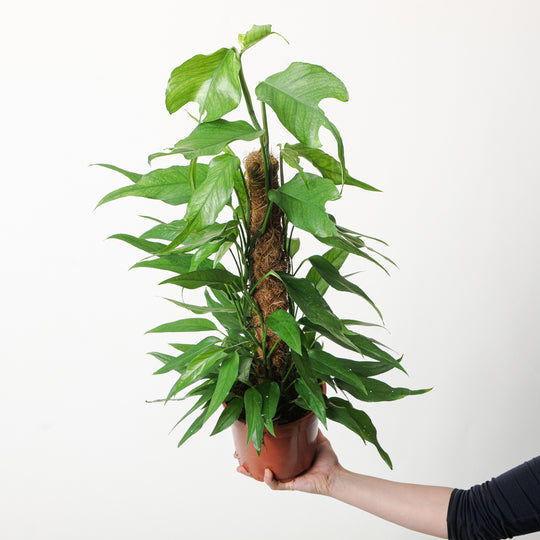
    Feed every two to four weeks during spring and summer with a balanced liquid fertiliser. These plants are natural climbers in the wild, so giving them a moss pole or trellis encourages larger, more mature leaves. Left to trail from a shelf or hanging planter, they will produce long, elegant vines instead.

    Are Pothos Plants Safe for Pets?

    Both Epipremnum and Scindapsus contain calcium oxalate crystals, which are toxic to cats and dogs if chewed. Symptoms are usually mild (drooling, mouth irritation) but it is worth keeping these plants out of reach of curious pets. If you need trailing plants that are non-toxic, consider Hoya as an alternative; many Hoya species are considered pet-safe.

    Why Buy Pothos from Grow Tropicals?

    We propagate and grow the majority of our Pothos collection in-house at our UK nursery. That means healthier, better-established plants that are already acclimatised to UK indoor conditions. Every plant is checked by our horticultural team before dispatch, and we pack using recyclable, plastic-free materials designed to keep your plant safe in transit.

    Frequently Asked Questions

    Pothos is the common name for trailing and climbing houseplants in two closely related genera: Epipremnum and Scindapsus. Both belong to the aroid family and are native to tropical forests in Southeast Asia, where they climb tree trunks using aerial roots. Popular varieties include the Golden Pothos, Cebu Blue, and Scindapsus pictus.

    In the home, Pothos are typically grown as trailing plants on shelves or in hanging planters, though they will also climb a moss pole or trellis if given the opportunity. They are widely regarded as some of the easiest houseplants to keep alive.

    The Golden Pothos is the most forgiving variety. It tolerates low light, irregular watering, and a wide range of temperatures. Neon Pothos is equally tough, with bright chartreuse leaves that hold their colour even in moderate light.

    On the Scindapsus side, Scindapsus pictus 'Trebie' is a reliable choice. It grows steadily, handles average humidity, and its silver-splashed leaves look striking with very little effort. All three feature in our easy care collection.

    Place your Pothos in bright, indirect light for the strongest growth and most vivid variegation. They will cope in lower light, but growth slows and variegated leaves may revert to solid green. Water when the top 3 to 5 cm of compost feels dry; overwatering is the most common mistake and causes yellowing leaves and root rot.

    Feed every two to four weeks during spring and summer with a balanced liquid fertiliser. Pothos benefit from occasional pruning, which encourages bushier growth. You can root the cuttings in water or moist compost to create new plants.

    No. Pothos are one of the few houseplant groups that genuinely cope in low light. Varieties like the Golden Pothos and Global Green will grow in a north-facing room or a few metres back from a window. They will not thrive in a dark cupboard, but they tolerate shade far better than most tropical plants.

    Highly variegated cultivars such as N'Joy and Scindapsus treubii 'Moonlight' do benefit from brighter conditions. Without enough light, the white or silver portions may reduce. Avoid direct midday sun through a south-facing window, which can scorch the leaves.

    Both Epipremnum and Scindapsus contain calcium oxalate crystals, which cause mouth irritation, drooling, and occasionally vomiting if chewed by cats or dogs. While rarely life-threatening, it is best to keep Pothos out of reach of pets that like to nibble foliage.
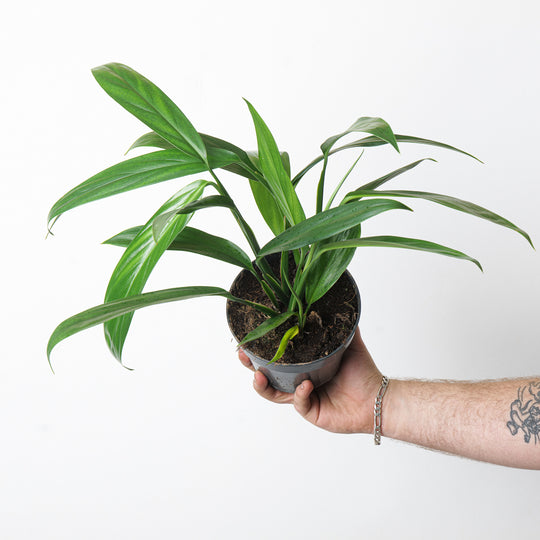
    If pet safety is a priority, consider Hoya as a trailing alternative; many species are considered non-toxic. Always check individual product pages for specific pet safety information, and consult your vet if you suspect your pet has ingested any plant material.

    Consistent, bright indirect light is the biggest factor in trailing speed. A Pothos in a well-lit room will produce noticeably longer vines than the same plant in a dim corner. Feeding fortnightly through the growing season supports sustained new growth. Keep the plant slightly root-bound rather than overpotting; Pothos put more energy into vine growth when roots fill the pot.

    Pruning also helps. Cutting just above a leaf node prompts the plant to branch, which gives a fuller trailing effect over time. The removed cuttings root easily in water or moist compost, so pruning doubles as propagation.