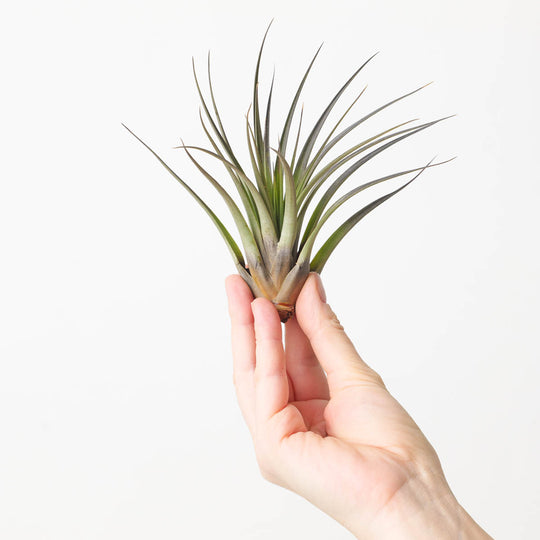
Air Plants | Tillandsia


Air plants (Tillandsia) are epiphytes that grow without soil, absorbing water and nutrients through their leaves. Native to the Americas, from deserts to tropical rainforests, they are incredibly versatile and make fascinating additions to any home. Simply mist or soak them regularly and enjoy their sculptural forms.

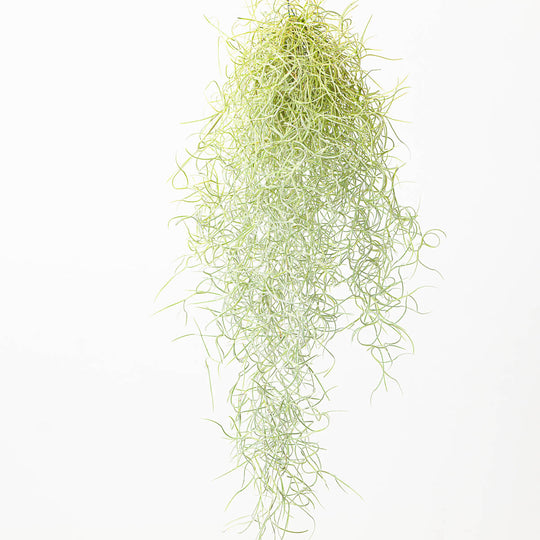
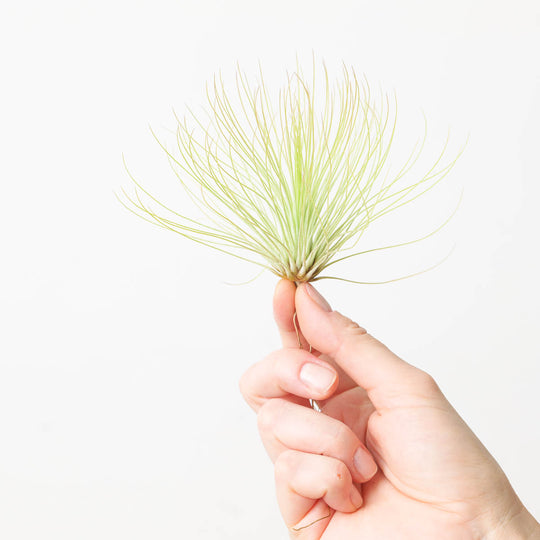
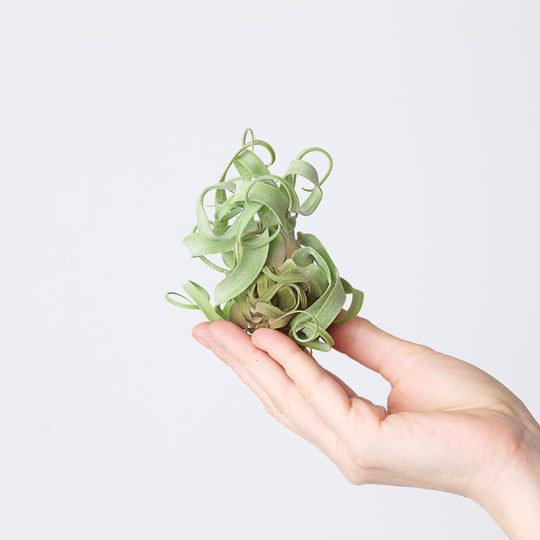
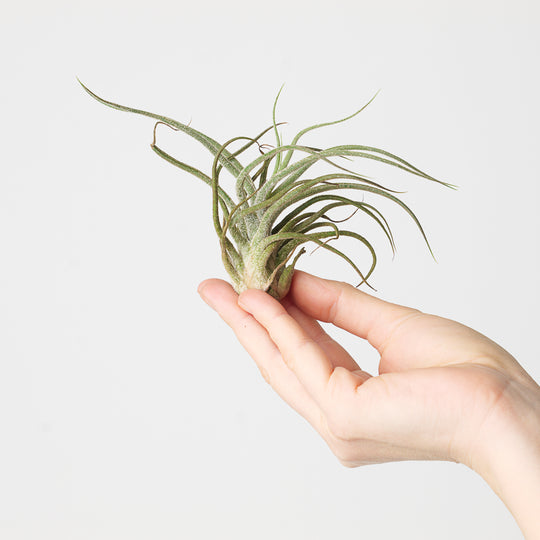
Our collection includes a wide range of species, from the silvery curls of Tillandsia streptophylla to the delicate Tillandsia andreana and the trailing strands of Spanish Moss. All are sourced from trusted partner nurseries.

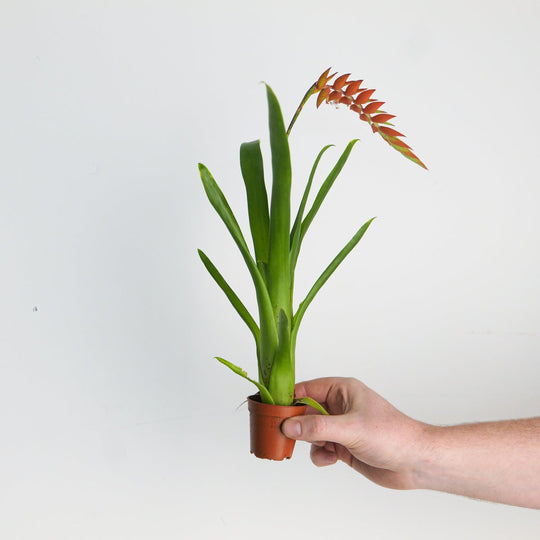
Air plants are part of the wider bromeliad family. Explore our full bromeliad collection for potted relatives, or browse terrarium plants and easy care plants for more low-maintenance options. They also make perfect companions for succulents in dry-style arrangements.

20 products

    20 products

    Your Complete Guide to Air Plants (Tillandsia)

    About Air Plants

    Tillandsia is a genus of around 650 species within the bromeliad family. Unlike most houseplants, they are epiphytes, meaning they grow attached to trees, rocks, and other surfaces rather than in soil. Their leaves are covered in tiny scales called trichomes that absorb moisture and nutrients directly from the air. This unique adaptation makes them some of the most versatile and low-maintenance plants you can keep.

    Popular Species

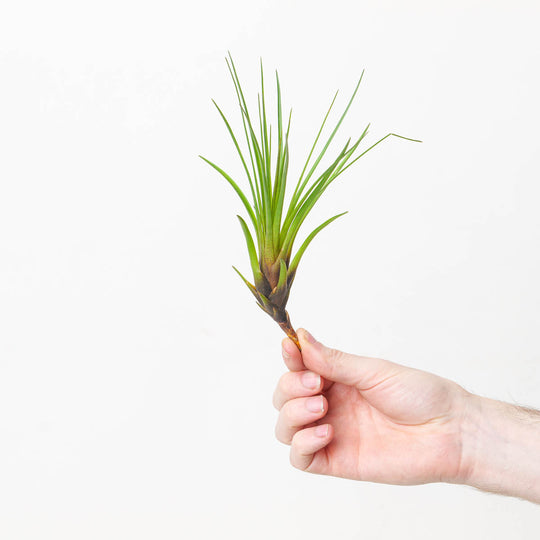
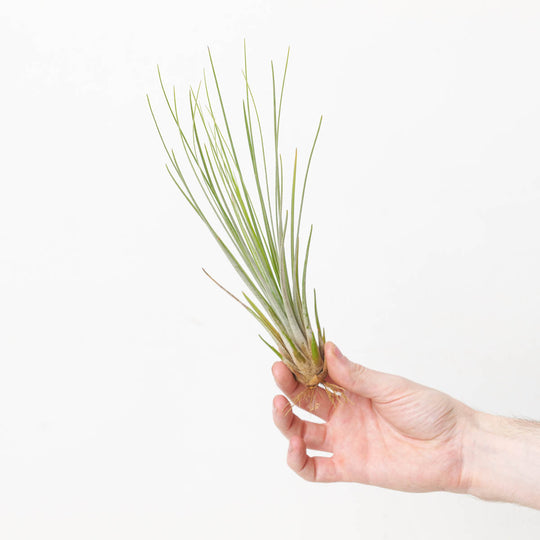
    Tillandsia streptophylla is prized for its curling silvery leaves that tighten when dry and relax when hydrated. Tillandsia andreana forms a neat, grassy rosette and produces vivid red flowers. Spanish Moss (Tillandsia usneoides) trails in dramatic silver-green strands. For larger specimens, streptophylla and Tillandsia capitata make bold display pieces.

    How to Water Air Plants

    Despite the name, air plants do need water. The most effective method is to soak them in room-temperature water for 20 to 30 minutes once a week, then shake off the excess and allow them to dry upside down. Misting two to three times a week works as a supplement but is rarely enough on its own. In winter or in centrally heated homes, you may need to water a little more often. For more humidity-loving plants, explore our bathroom plants collection.

    Display Ideas

    Air plants open up creative display possibilities that soil-based plants cannot match. Mount them on driftwood, place them in glass terrariums, hang them in ceramic holders, or simply arrange them on a shelf. They work beautifully alongside the plants in our terrarium plants collection and complement the dry aesthetic of succulents. For a living wall effect, attach them to a piece of bark or wire mesh.

    Air Plants and the Bromeliad Family

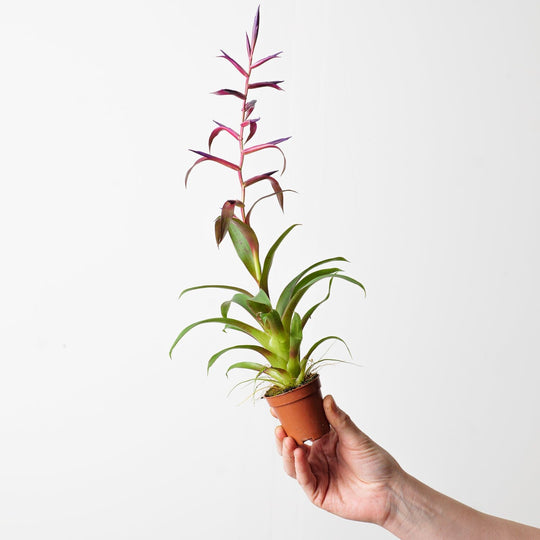
    Tillandsia are bromeliads, which means they share characteristics with more familiar potted varieties like Aechmea and Vriesea. Like all bromeliads, each Tillandsia rosette flowers once before producing offsets (pups). Browse our wider bromeliad collection to discover their soil-growing relatives, or explore easy care plants for more fuss-free options.

    Frequently Asked Questions

    Soak your air plant in room-temperature water for 20 to 30 minutes once a week. After soaking, shake off the excess water and place the plant upside down on a towel to dry thoroughly. Ensure it dries within four hours to prevent rot. Supplement with misting two to three times a week in dry or centrally heated homes.

    Air plants prefer bright, indirect light. A spot near a window where they receive plenty of ambient light without direct afternoon sun is ideal. Silver-leaved species like Tillandsia streptophylla can handle more light, while greener species prefer slightly shadier conditions. Avoid placing them in windowless rooms.

    Individual air plants can live for several years. Each rosette flowers once during its lifetime and then gradually produces offsets (pups) before declining. The pups grow into new plants, so a well-cared-for air plant will effectively live on through its offspring for many years.

    Open terrariums work brilliantly for air plants, providing a decorative display while allowing air circulation. Avoid sealed terrariums, as trapped moisture can cause rot. Air plants pair wonderfully with moss, pebbles, and miniature plants from our terrarium plants collection for a complete display.

    Air plants are among the easiest houseplants to maintain. They need no soil, no repotting, and just a weekly soak. Their main requirement is adequate light and regular watering. They are an excellent choice for beginners and anyone who wants greenery without the mess of soil. Browse our easy care collection for more low-fuss options.
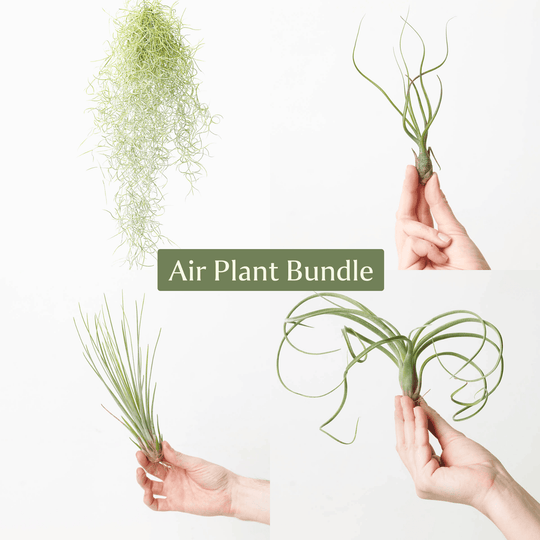
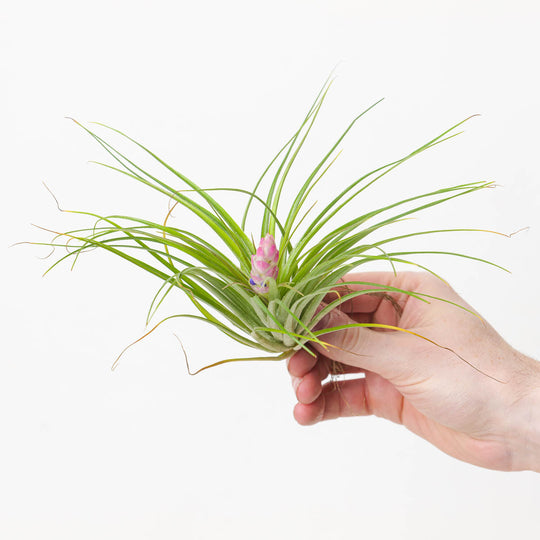
    Tillandsia stricta and Tillandsia capitata are both hardy, forgiving species that are ideal for beginners. They tolerate a range of conditions and produce attractive flowers. Our Air Plant Bundles are also a great way to start a collection with a curated selection of easy species.