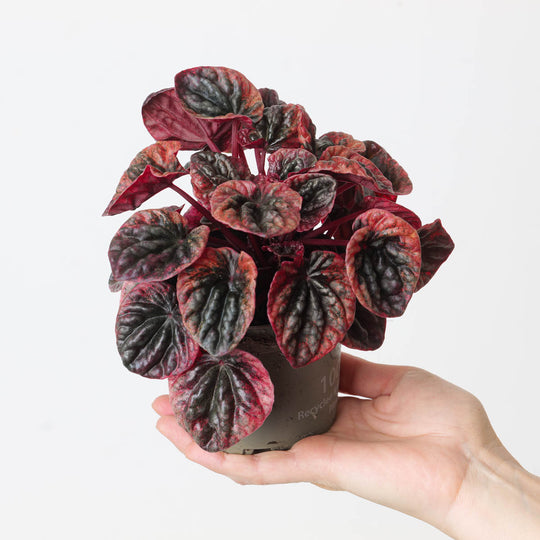
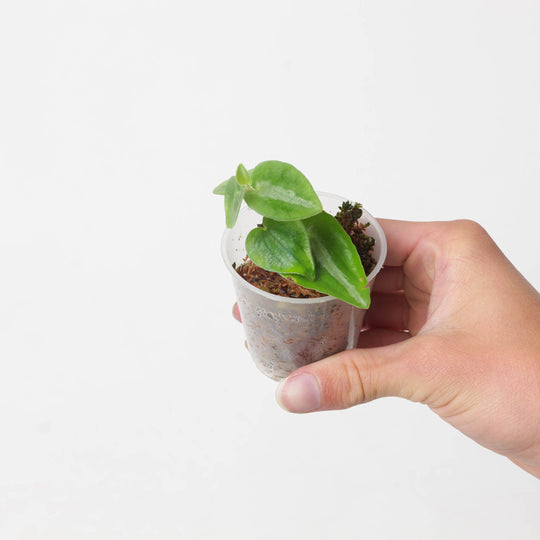
Peperomia


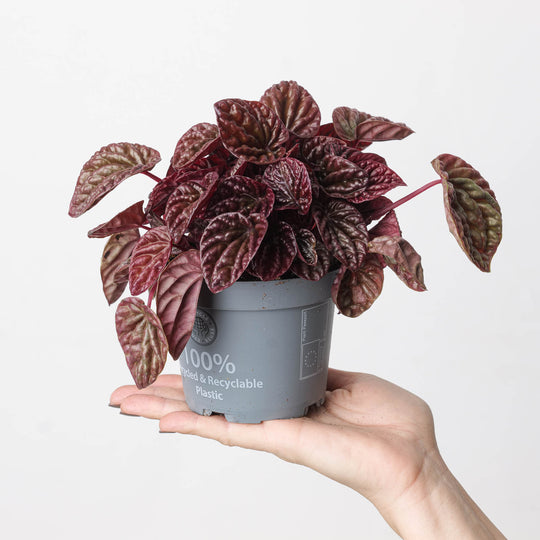
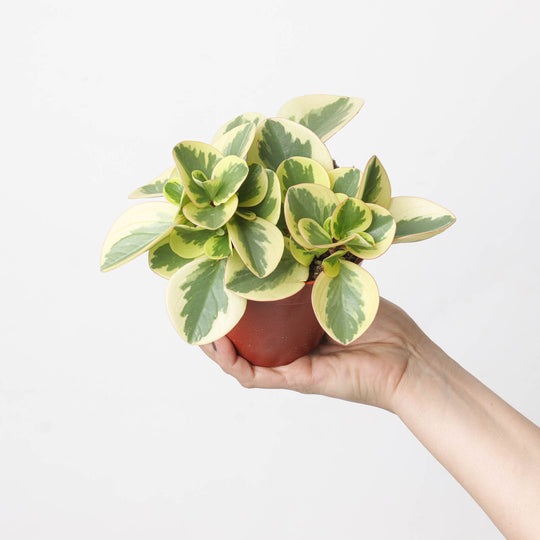
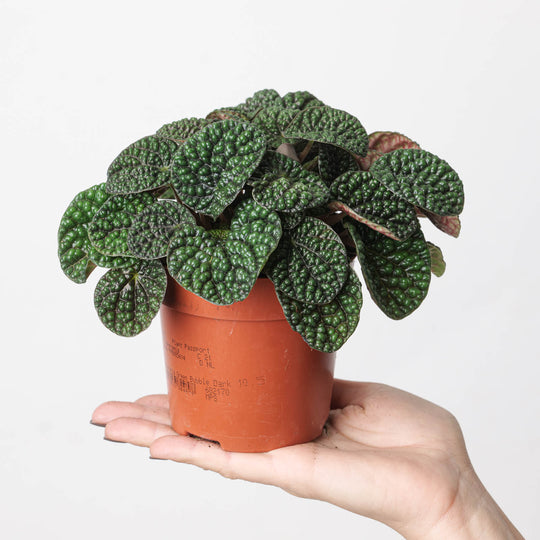
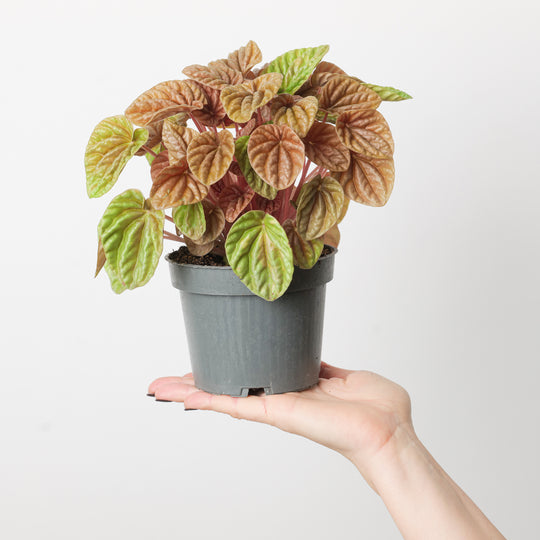
Peperomia is one of the largest and most diverse houseplant genera, with over 1,000 species ranging from compact rosettes to long trailing plants. Native to tropical and subtropical regions worldwide, they are prized for their extraordinary variety of leaf shapes, textures, and markings, from glossy deep green to silvery, striped, and textured forms.

Easy to care for and tolerant of imperfect conditions, Peperomia suit both beginners and collectors. Our range covers popular classics alongside rarer species for dedicated plant enthusiasts. Each plant is selected for health and character, ready to add interest to any shelf or tabletop.

29 products

    29 products
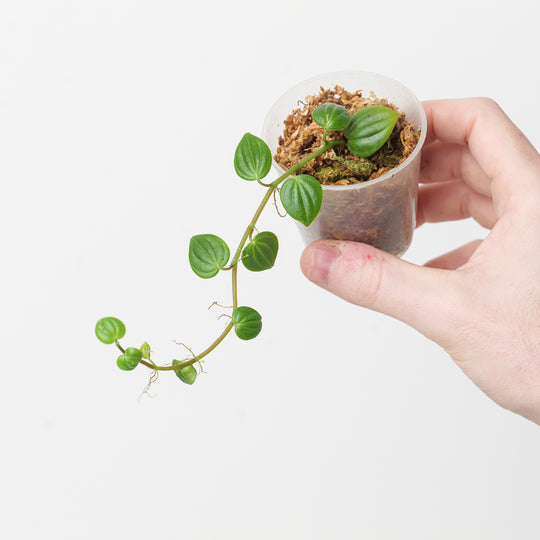
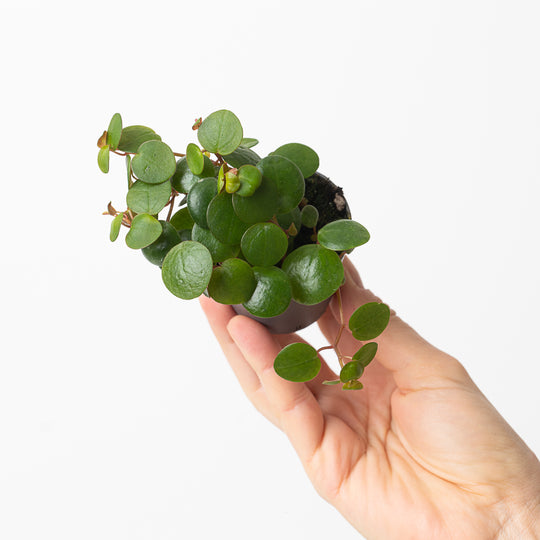
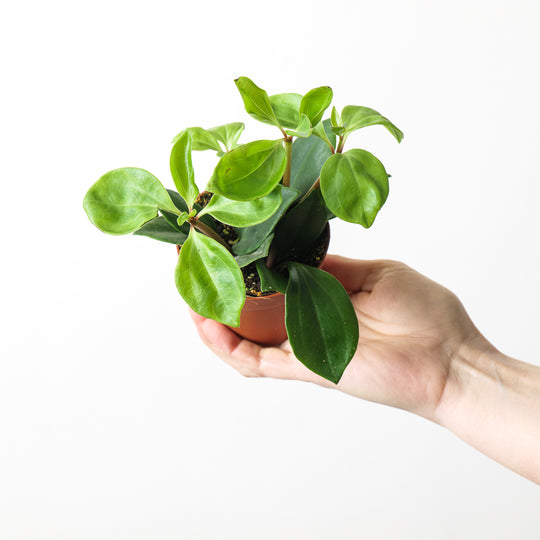
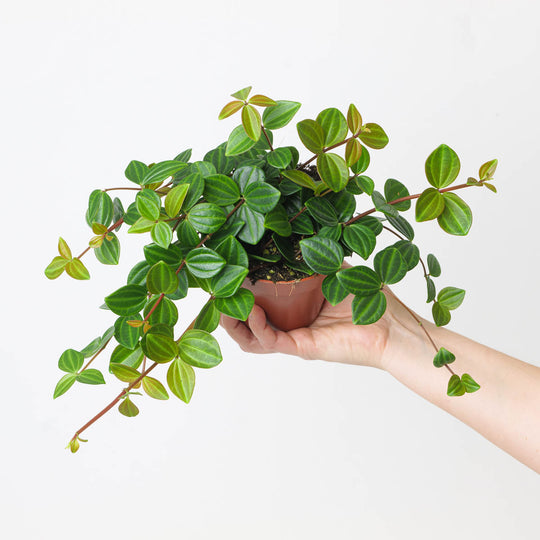
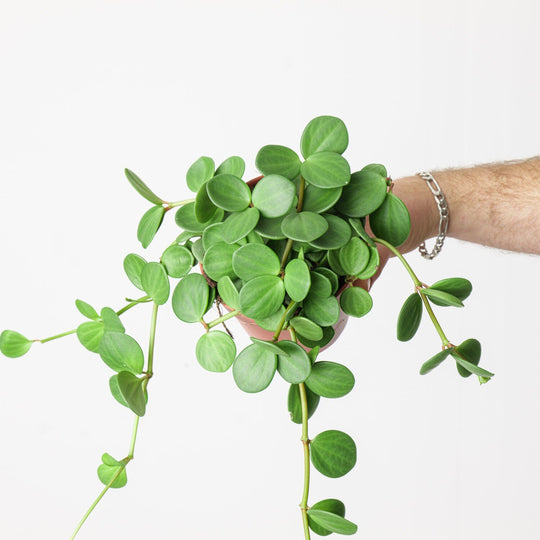
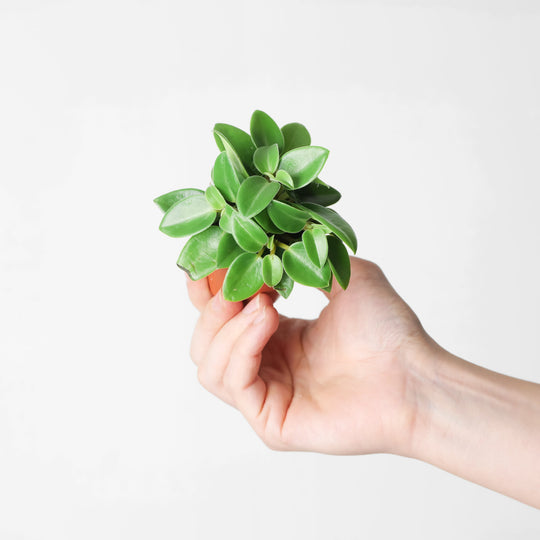
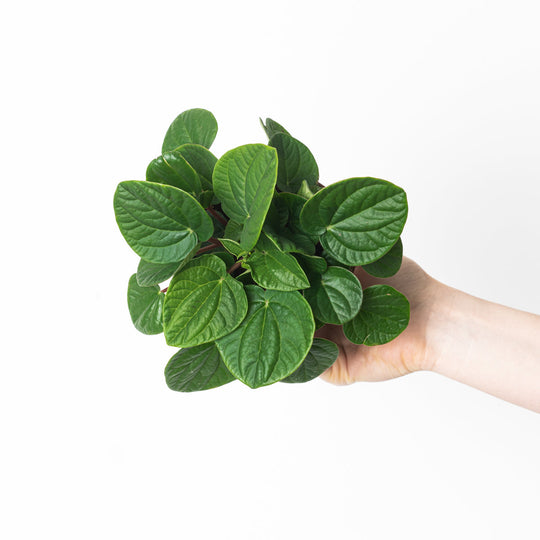
    Peperomia rotundifolia 5.5cm Plants GrowTropicals
    Trailing Jade Peperomia

    Peperomia rotundifolia

    £4.99
    1
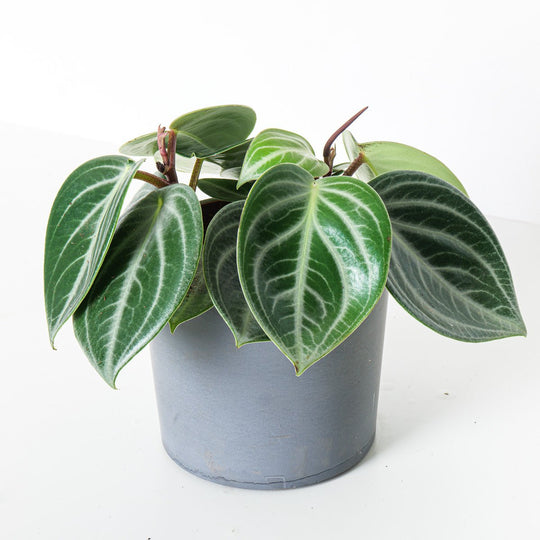
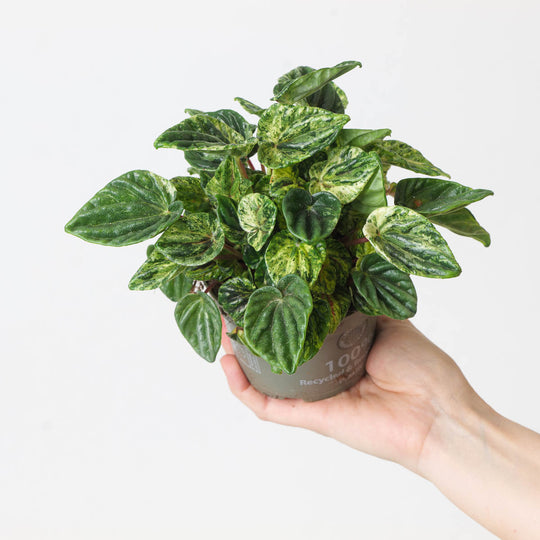
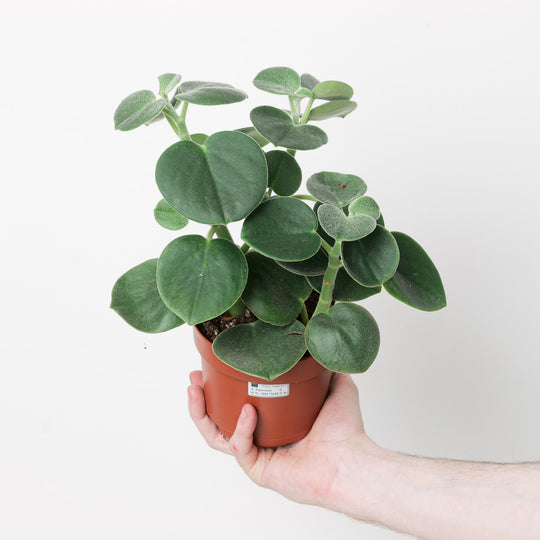
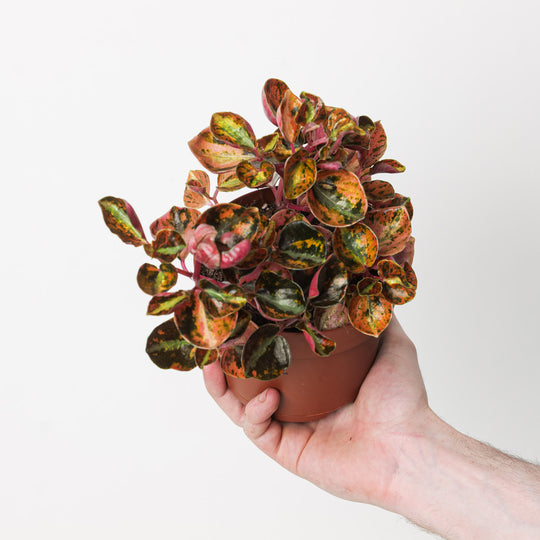
    Peperomia Pepperspot 6cm Plants GrowTropicals
    Trailing Peperomia

    Peperomia Pepperspot

    £4.99
    1
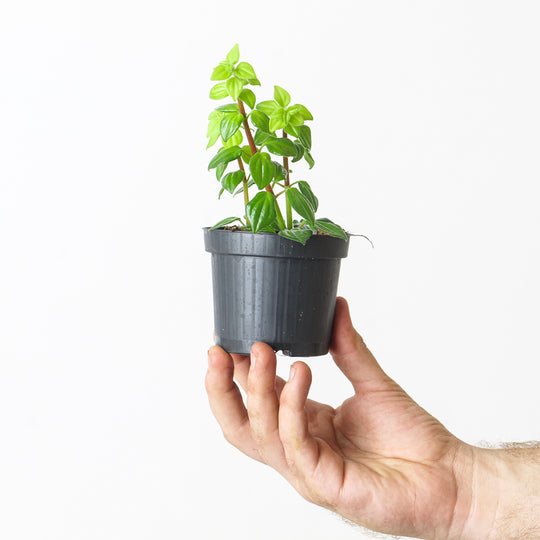
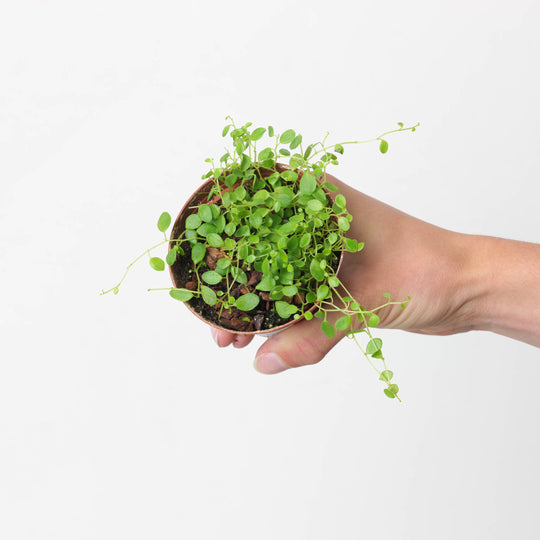
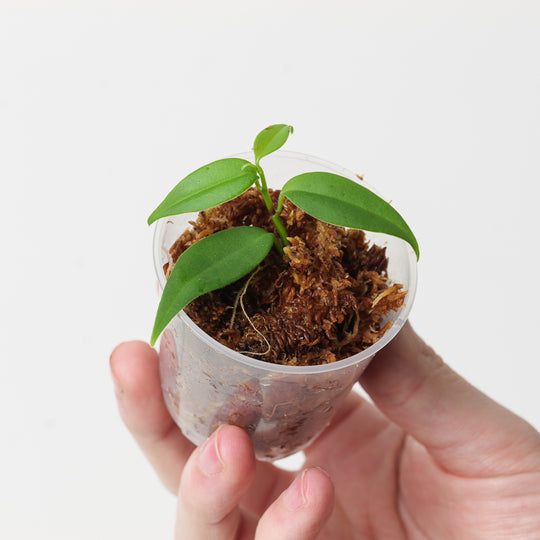
    Peperomia Prostrata 6cm Plants GrowTropicalsSale
    String of Turtles

    Peperomia Prostrata

    £4.99 £5.99
    1
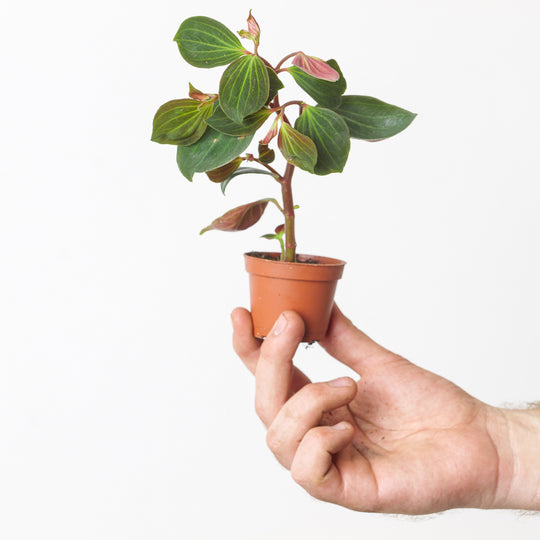
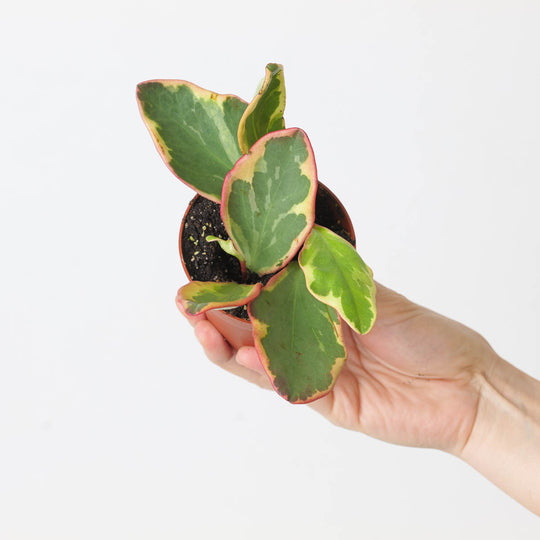
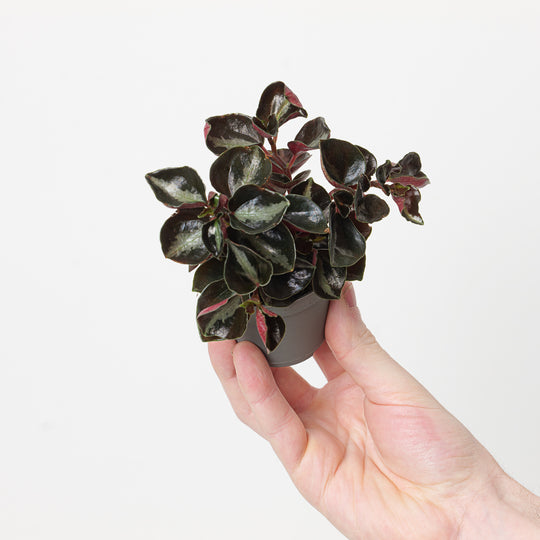
    Peperomia pseudovariegata var. sarcophylla Plants GrowTropicalsSale
    1

    Explore our Peperomia collection

    Peperomia plants are endlessly surprising. Despite belonging to a single genus, they exhibit a remarkable diversity of form: some have thick, succulent-like leaves that store water; others are delicate and trailing; some are tiny enough to live in a terrarium while others make bold desk or shelf plants. What unites them all is their ease of care and their ability to thrive in typical indoor conditions without demanding constant attention.

    Peperomia care

    Peperomia are easy-care plants that suit a wide range of home environments. Most prefer bright to moderate indirect light and should be watered when the top inch or two of compost has dried out. Varieties with thicker, fleshy leaves are more drought-tolerant and closer to a succulent in their watering needs. Overwatering is the most common mistake: when in doubt, wait another week. They appreciate warmth and dislike cold draughts, but are not fussy about humidity. Feed lightly in spring and summer.

    Popular Peperomia varieties

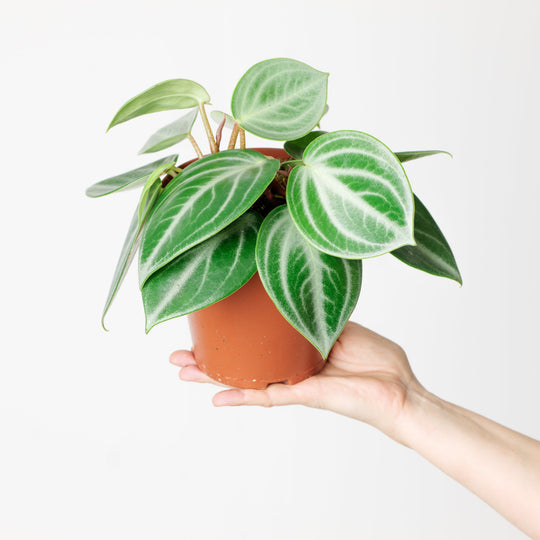
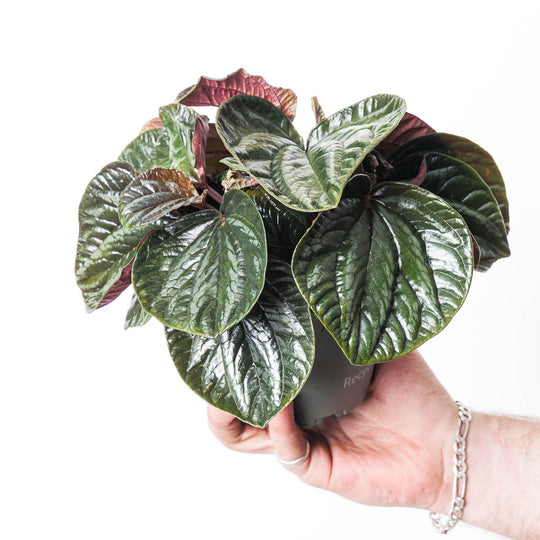
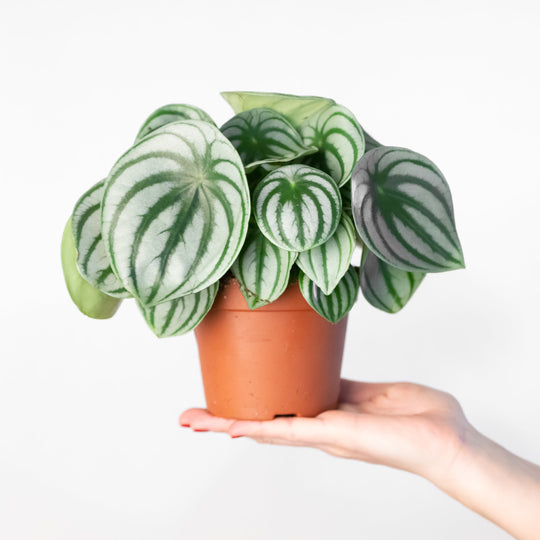
    The range of Peperomia available is extraordinary. Peperomia argyreia (the Watermelon Peperomia) is one of the most popular, with its striped leaves mimicking a watermelon rind. Peperomia caperata varieties offer richly textured, deeply ridged leaves. The Ripple Peperomia and Baby Rubber Plant are classics. For trailing plants, Peperomia scandens and Peperomia rotundifolia spill beautifully from shelves and hanging baskets. Collectors will find increasingly unusual species in our range throughout the year.

    Peperomia for terrariums

    Many compact Peperomia species make excellent terrarium plants, thriving in the humid, enclosed environment. Small varieties with delicate foliage are particularly well suited. If you are building a planted terrarium, browse our terrarium plants collection for a curated selection of species that work well in enclosed plantings.

    Frequently Asked Questions

    Water your Peperomia when the top inch or two of compost has dried out. For most varieties this is every 7 to 14 days in summer, reducing to every 2 to 3 weeks in winter. Thick-leaved varieties are more drought-tolerant and should dry out more between waterings. Overwatering is the most common problem. Always ensure the pot drains freely.

    Most Peperomia thrive in bright to moderate indirect light and tolerate lower light better than many houseplants, making them suitable for rooms without a bright windowsill. Variegated varieties need brighter light to maintain their markings. Avoid harsh direct sunlight which can bleach the leaves.

    Peperomia are considered non-toxic to cats and dogs, making them one of the better choices for pet owners. As with any plant, ingestion may cause mild stomach upset in some animals. For more pet-friendly options, browse our pet-safe plant collection.

    Leaf drop is most commonly caused by overwatering or sudden temperature change. Check that the soil is not staying wet and that the pot drains freely. Peperomia are sensitive to cold draughts in winter. Some lower leaf drop as the plant matures is normal. If multiple leaves drop suddenly, check the roots for signs of rot.

    Yes, many compact Peperomia species are excellent terrarium plants, enjoying the consistently warm and humid environment. Small-leaved varieties such as Peperomia rotundifolia and Peperomia prostrata (String of Turtles) are particularly well suited. Avoid thick-leaved, succulent-like varieties in high-humidity terrariums. Browse our terrarium plants for more options.

    Most Peperomia remain compact, typically 15 to 30 cm in height or spread. This makes them ideal for desks, shelves, and tabletops. Trailing varieties produce longer stems but are still generally small plants. Peperomia grow slowly and rarely need repotting more than every 2 to 3 years, and many prefer to be slightly root-bound.