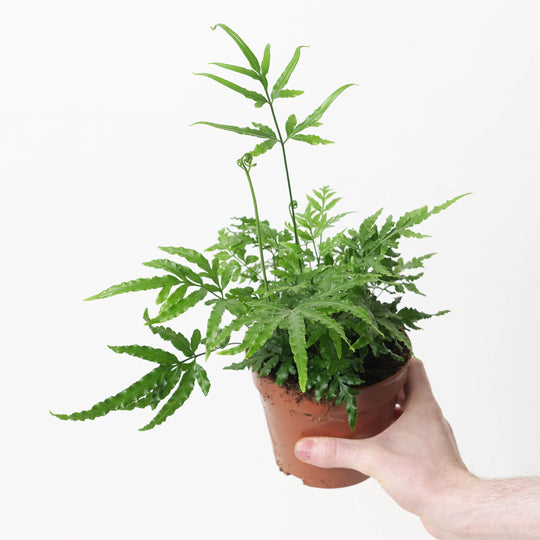
Fern


Ferns are among the oldest plant families on earth, and their lush, textured fronds bring a timeless elegance to any indoor space. Our collection includes over 40 varieties, from popular species like Asplenium nidus (Bird's Nest Fern) and Nephrolepis 'Green Lady' (Boston Fern) to rare collector favourites such as Platycerium bifurcatum (Staghorn Fern) and Dicksonia antarctica (Tree Fern).

Ferns thrive in humidity and indirect light, making them ideal for bathrooms, kitchens, and shaded corners. Many species also work beautifully in terrariums. Whether you want a classic hanging fern or a statement tree fern, you will find it in our range.

42 products

    42 products

    Your Guide to Indoor Ferns

    Why Choose Indoor Ferns?

    Ferns have been growing on earth for over 350 million years, long before flowering plants evolved. Their delicate, arching fronds add texture and movement to a room in a way that few other houseplants can. They thrive in the humid, shaded conditions that many homes naturally provide, especially bathrooms and kitchens.

    Popular Indoor Fern Varieties

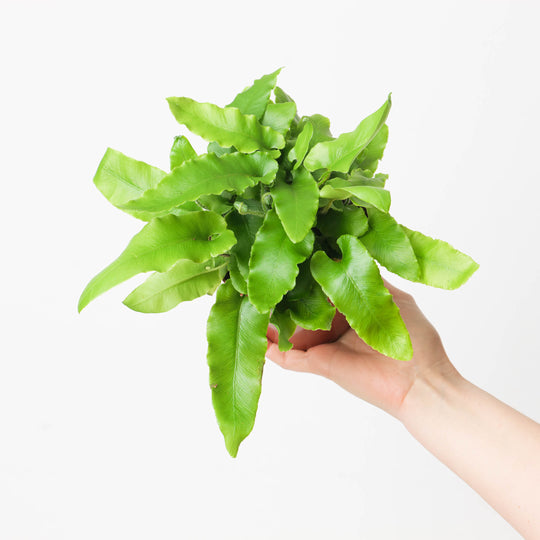
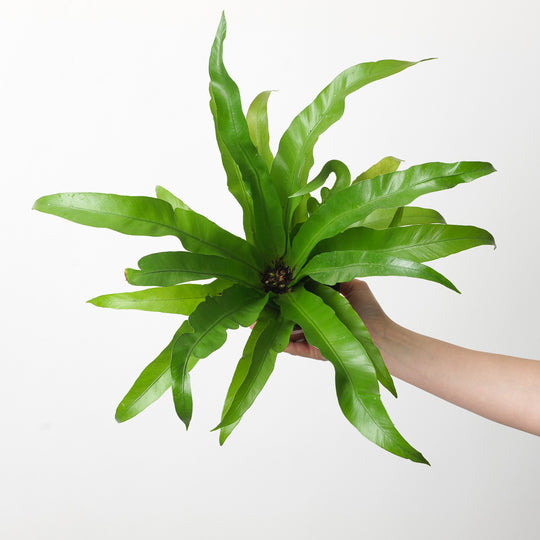
    Asplenium nidus (Bird's Nest Fern) is one of the easiest ferns to grow indoors. Its broad, undivided fronds unfurl from a central rosette and tolerate lower humidity than most ferns. Nephrolepis 'Green Lady' is a classic Boston fern with cascading fronds, perfect for hanging baskets or high shelves.

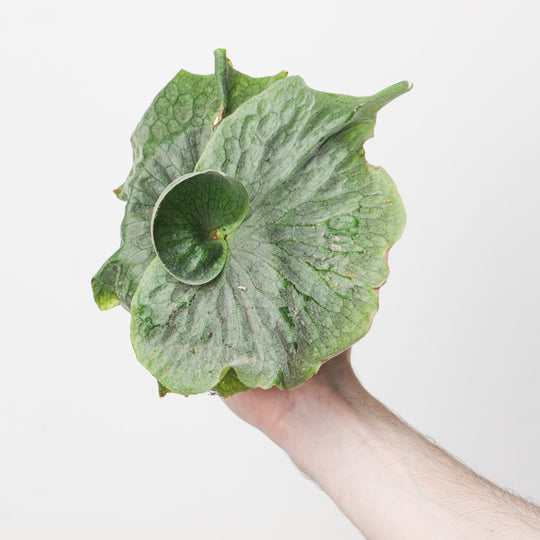
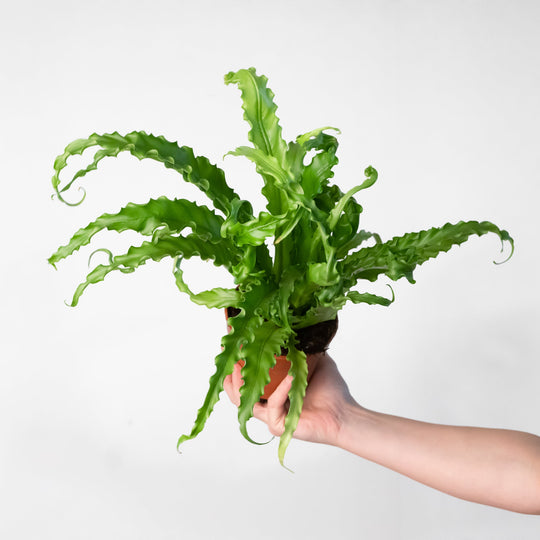
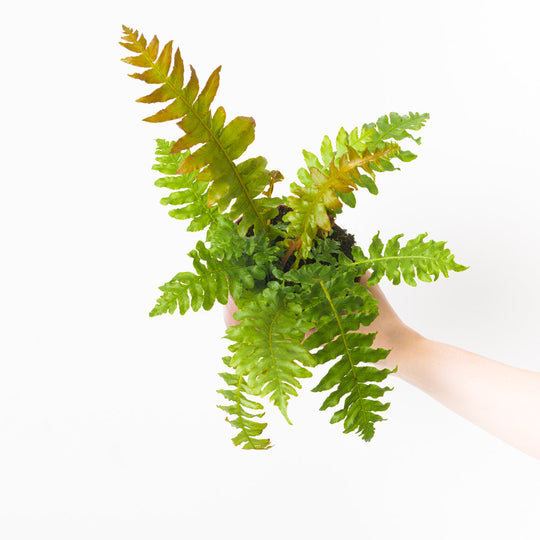
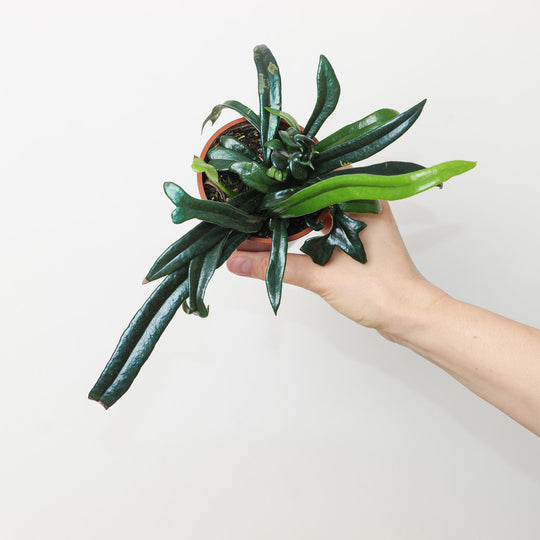
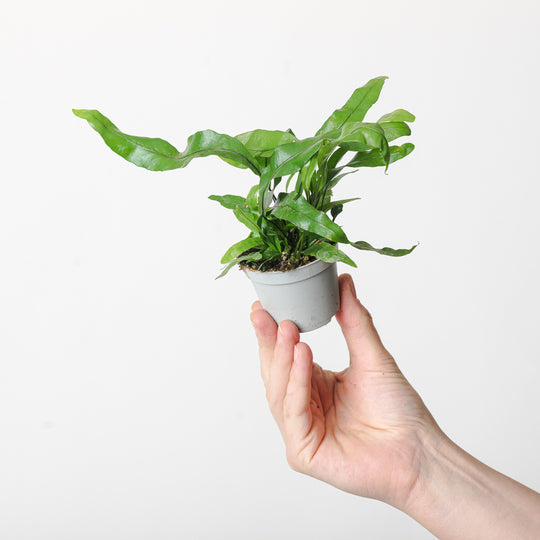
    For something more unusual, Microsorum Crocodyllus features textured leaves that resemble crocodile skin. Asplenium 'Crispy Wave' offers ruffled, sword-shaped fronds that add a modern twist to the traditional Bird's Nest shape.

    Rare and Collector Ferns

    Platycerium (Staghorn Ferns) are among the most spectacular ferns you can grow. They produce antler-shaped fronds and can be mounted on boards or grown in hanging baskets. We carry several species including Platycerium superbum and Platycerium Grande. Dicksonia antarctica is a stunning tree fern for sheltered outdoor spaces or large conservatories.

    Caring for Indoor Ferns

    Most ferns prefer bright indirect light and high humidity. Keep the compost consistently moist but not waterlogged. Misting, grouping plants together, or placing pots on pebble trays all help raise humidity. Avoid placing ferns near radiators or in draughty spots, as dry air causes fronds to brown and crisp.

    Feed every two to four weeks with a balanced liquid fertiliser during spring and summer. Most ferns are not heavy feeders, so a half-strength solution works well. Remove any brown or dead fronds at the base to keep the plant looking tidy and encourage new growth.

    Ferns for Terrariums

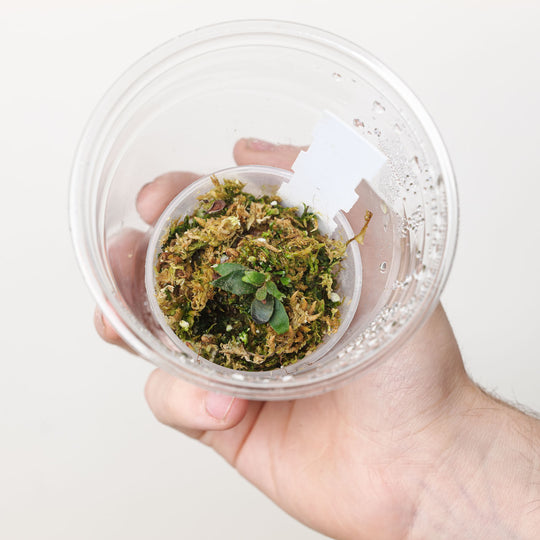
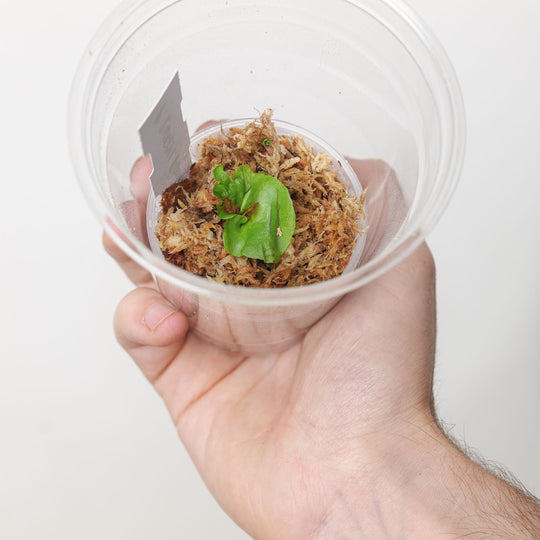
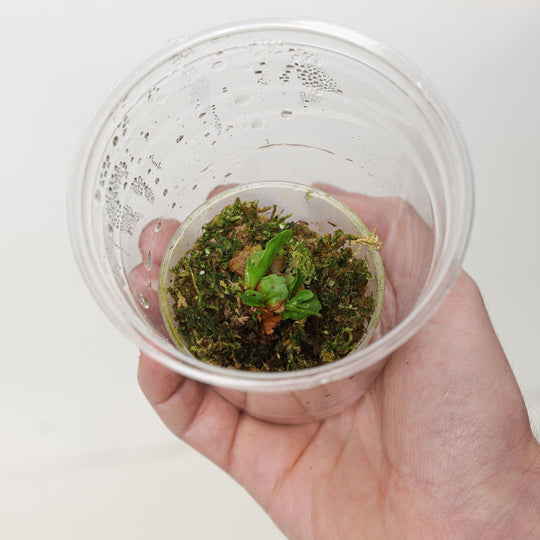
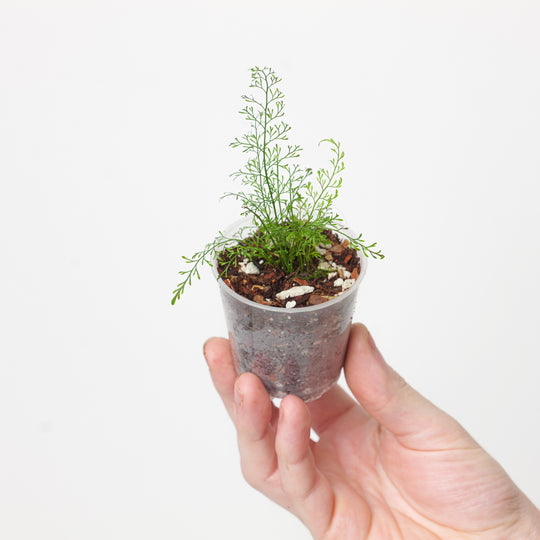
    Many smaller fern species are perfect for terrariums and glass displays. Species like Humata tyermanii (Rabbit's Foot Fern) and Elaphoglossum peltatum thrive in the enclosed, humid environment of a terrarium. Their compact growth makes them ideal for smaller glass vessels.

    Frequently Asked Questions

    Asplenium nidus (Bird's Nest Fern) is one of the most reliable indoor ferns. It tolerates lower humidity than most and produces broad, attractive fronds. Nephrolepis 'Green Lady' is a classic choice for hanging baskets with its cascading, feathery fronds.

    For collectors, Platycerium bifurcatum (Staghorn Fern) is a stunning mounted fern with antler-shaped fronds. Microsorum Crocodyllus offers unusual textured foliage that stands out in any collection.

    Asplenium nidus is the most forgiving indoor fern. Its broad fronds tolerate average room humidity better than most fern species, and it grows slowly enough to stay manageable. Asplenium 'Crispy Wave' is equally resilient with a more modern look.

    Boston ferns like 'Green Lady' are also relatively easy, provided you keep humidity up. A bathroom or kitchen is ideal for these species.

    Keep ferns in bright indirect light and away from direct sun. Maintain consistently moist compost without waterlogging. Ferns prefer higher humidity, so mist regularly, use a pebble tray, or position in a naturally humid room like a bathroom.

    Feed every two to four weeks during spring and summer with a half-strength balanced liquid fertiliser. Remove brown or dead fronds at the base to encourage fresh growth. Avoid placing ferns near radiators or draughts.

    No. Most ferns naturally grow in shaded woodland conditions and prefer bright indirect light or moderate shade. Direct sunlight will scorch their delicate fronds. A north-facing room or a spot a few metres from a brighter window works well for most species.

    Some ferns, like Staghorn Ferns, tolerate slightly brighter conditions, but even these should be kept out of harsh direct sun. Ferns are among the best houseplants for rooms that do not get strong light.

    Most true ferns are considered non-toxic to cats and dogs, including Boston ferns, Bird's Nest ferns, and Staghorn ferns. They are a popular choice for pet-friendly households looking for lush foliage.

    Note that some plants with 'fern' in the common name are not true ferns and may be toxic (for example, Asparagus fern is a lily family member, not a true fern). Always check individual product pages for specific pet safety details.

    Brown, crispy fronds on ferns are almost always caused by low humidity or inconsistent watering. Ferns evolved in moist, shaded environments and struggle in the dry air created by central heating and air conditioning.

    Increase humidity by misting, grouping plants together, or using a pebble tray. Ensure the compost stays evenly moist without becoming waterlogged. Move the plant away from radiators and draughty windows. Trim brown fronds to keep the plant looking tidy; new growth should emerge from the centre.