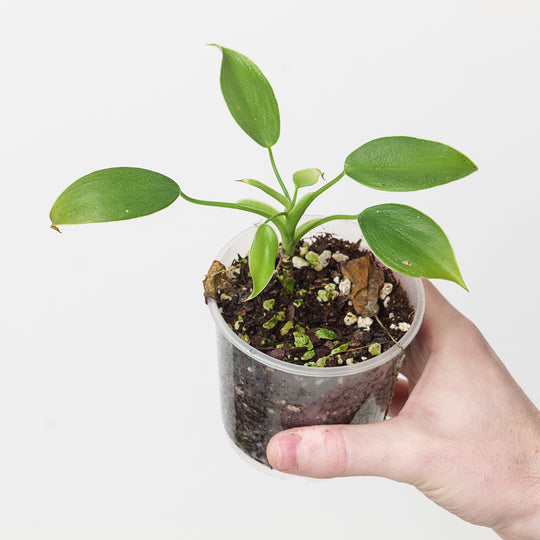
Climbing Houseplants


Climbing houseplants use aerial roots, tendrils or twining stems to grow upward in the wild, and they do the same indoors when given a moss pole, trellis or wall support. This collection includes nearly 200 species, from classic Monstera and Philodendron to fast-growing Syngonium and rare collectors' favourites like Philodendron verrucosum. Give them something to climb and they reward you with larger leaves and stronger growth.

196 products

    196 products
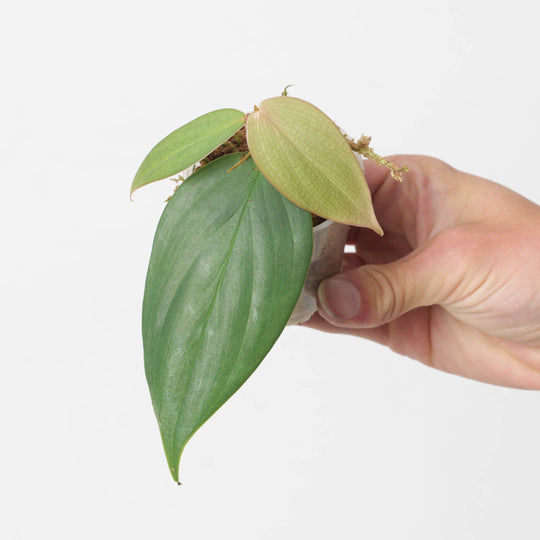
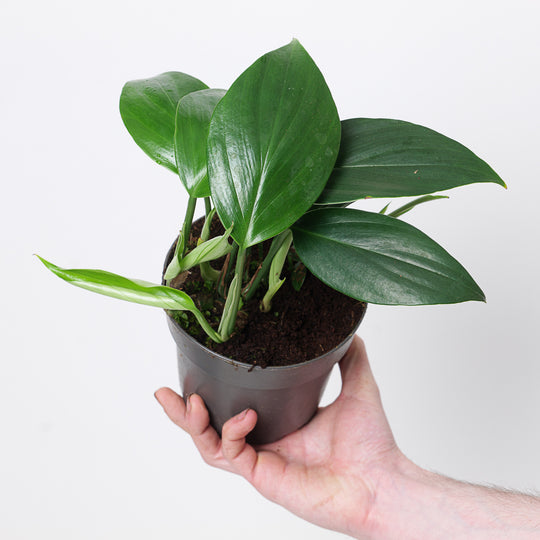
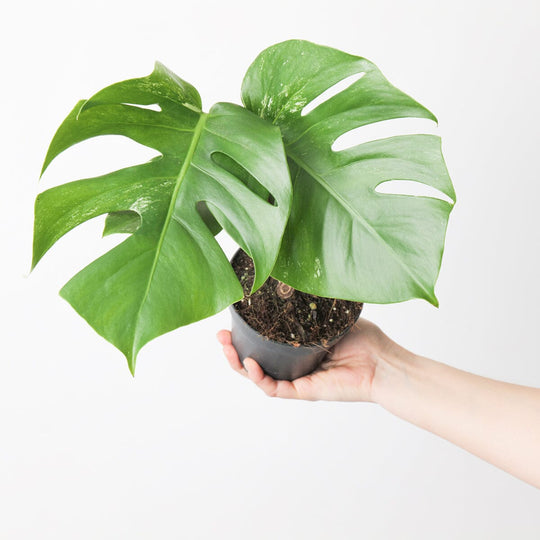
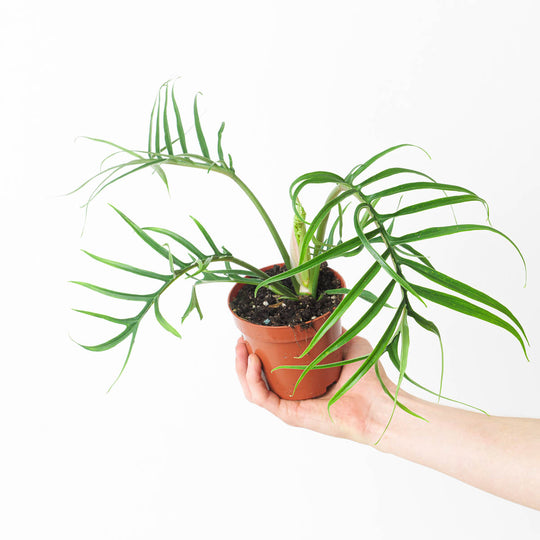
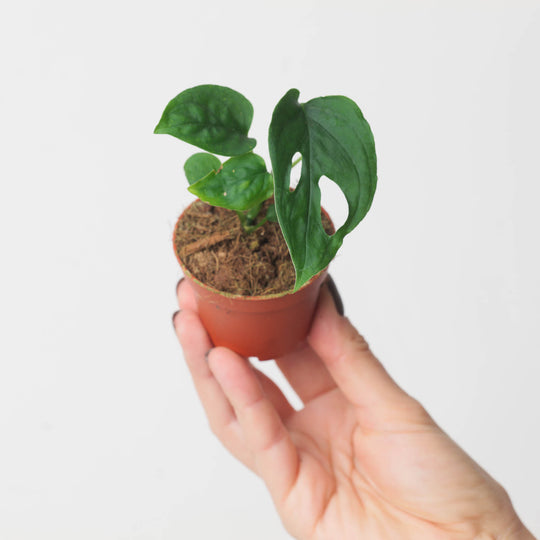
    Monstera dissecta 9cm Plants GrowTropicals
    1
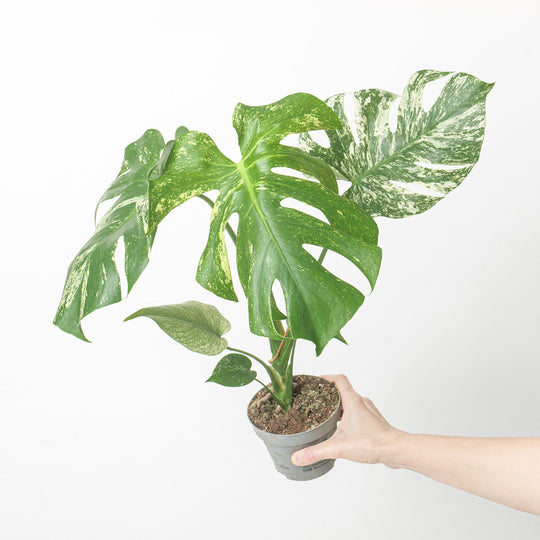
    Imperfect Monstera deliciosa Albo Variegata Plants GrowTropicalsSale
    Monstera Albo

    Monstera deliciosa Albo Variegata

    £37.99 £39.99
    1
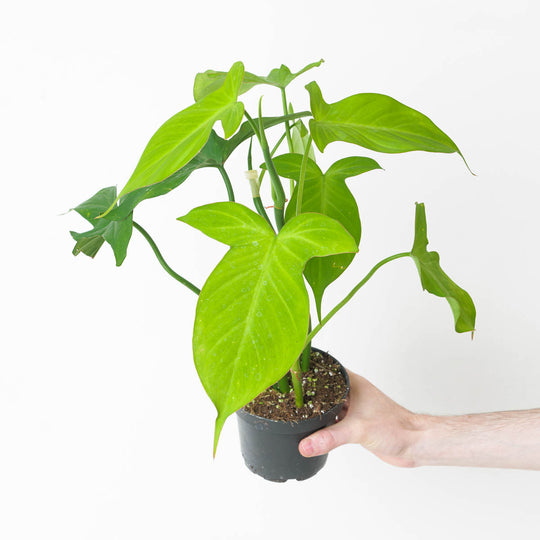
    Syngonium erythrophyllum 'Red Arrow' Plants GrowTropicals
    1
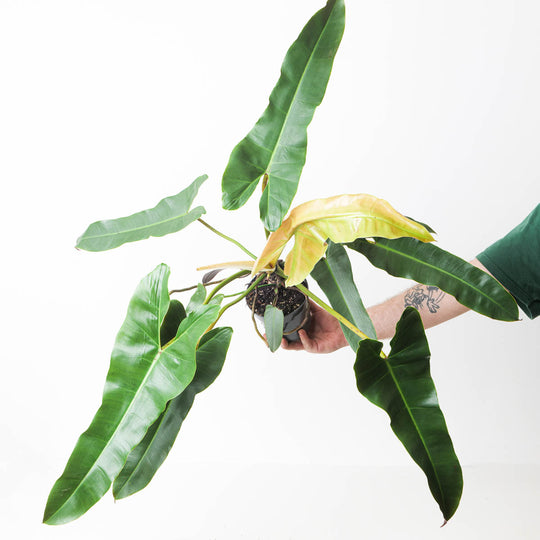
    Philodendron Bipennifolium Aurea Golden Violin Plants GrowTropicalsSale
    1
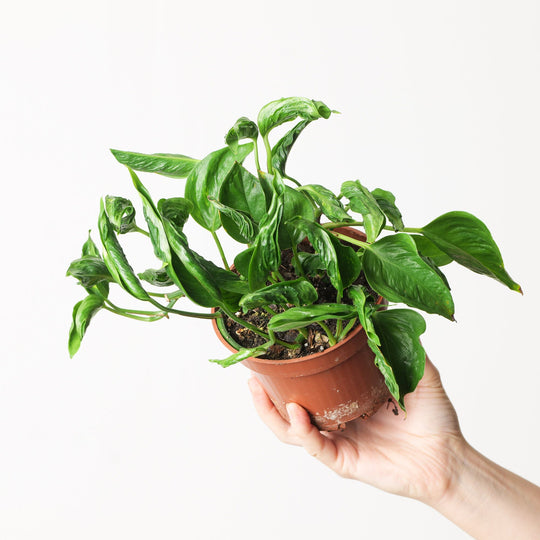
    Monstera obliqua 'Panama' Plants GrowTropicals
    1
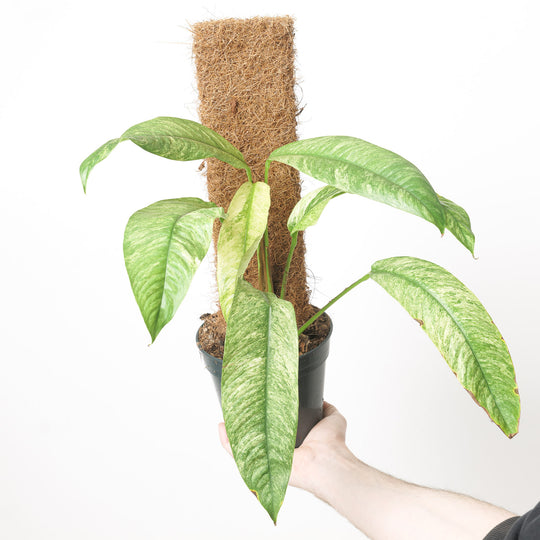
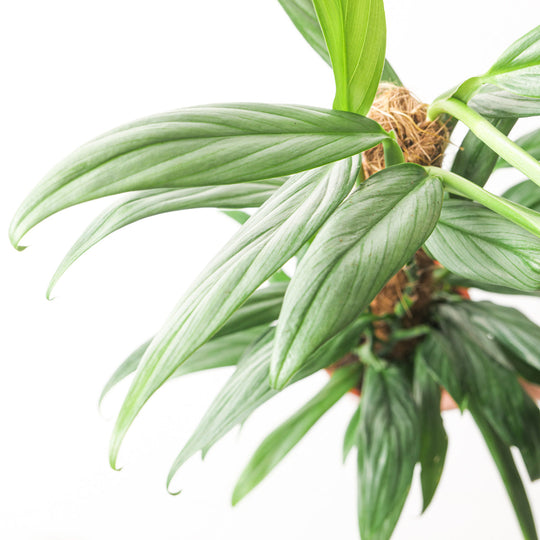
    Rhaphidophora sp. 'KT' 9cm Plants GrowTropicals
    1
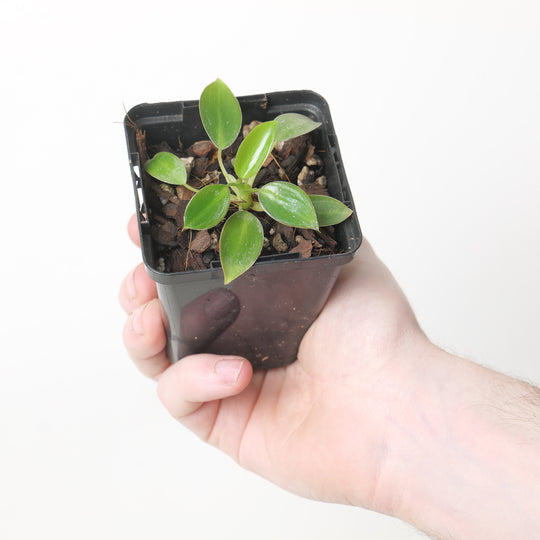
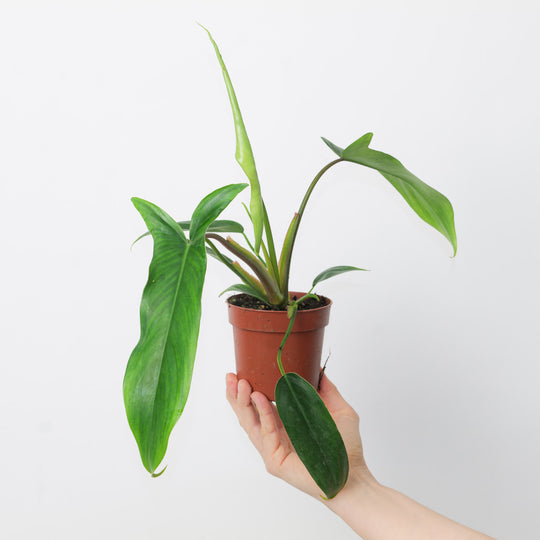
    Philodendron bakeri 6cm Plants GrowTropicalsSale
    1
    Philodendron campii 'Lynette' 14cm XL Plants GrowTropicalsSale
    1

    Climbing Houseplants at Grow Tropicals

    Why Climbing Houseplants Grow Bigger on a Support

    In the wild, climbing aroids like Monstera deliciosa and Philodendron melanochrysum scale tree trunks to reach the canopy. When their aerial roots grip a surface, it triggers a growth response: bigger leaves, shorter internodes and stronger colouring. A moss pole or coir totem replicates this indoors. Without a support, many climbers revert to trailing with smaller, juvenile foliage.

    Best Climbing Plants for Beginners

    Golden Pothos is one of the easiest climbers to start with. It attaches readily to a moss pole and tolerates a wide range of light levels. Monstera adansonii is another fast grower that produces its characteristic fenestrated leaves more reliably when climbing. Syngonium species are compact climbers that work well in smaller spaces.

    How to Train a Climbing Houseplant

    Start by inserting a moss pole, coir totem or bamboo trellis into the pot at repotting time. Gently tie the main stem to the support using soft plant ties or strips of old tights. As the plant grows, its aerial roots will begin gripping the support on their own. Keep the moss pole lightly moist to encourage root attachment.

    For wall-trained plants, use small adhesive hooks or a wire grid. Rhaphidophora tetrasperma and Epipremnum pinnatum 'Cebu Blue' both climb walls effectively with this approach.

    Caring for Climbing Houseplants

    Most climbing species are tropical aroids that prefer bright indirect light, consistent moisture and good humidity. Water when the top 2 to 3 cm of compost feels dry. Feed every two to four weeks during spring and summer with a balanced liquid fertiliser. Higher humidity (above 50%) encourages larger leaves on species like Philodendron gloriosum and Philodendron verrucosum.

    Browse Related Collections

    For trailing varieties that also climb when supported, browse Trailing Plants or Hanging Plants. Explore specific genera like Monstera, Philodendron and Epipremnum for deeper selection within those families.

    Frequently Asked Questions

    Climbing houseplants are species that use aerial roots, tendrils or twining stems to grow upward in the wild. Indoors, they climb moss poles, trellises, wall grids or any textured surface their roots can grip. Most belong to the Araceae family, including Monstera, Philodendron, Epipremnum and Syngonium.

    When given a support, many climbing species produce larger, more mature foliage than when left to trail. This is why a small Monstera on a moss pole often develops its iconic split leaves sooner than one left unsupported.

    Golden Pothos is the most forgiving climber we sell. It attaches readily to a moss pole, grows quickly, and tolerates a wide range of conditions. Monstera adansonii is another fast grower that produces fenestrated leaves more reliably when climbing.

    Syngonium species are compact, colourful and easy to manage on a small support. Philodendron scandens is equally forgiving and works well either climbing a pole or trailing from a shelf.

    Insert a moss pole, coir totem or bamboo trellis into the pot at repotting time. Gently tie the main stem to the support using soft plant ties, spacing ties every 10 to 15 cm. As the plant grows, its aerial roots will begin gripping the support. Keeping a moss pole lightly moist encourages root attachment.

    For wall training, use small adhesive hooks or a wire grid. Guide new growth toward the support and secure it loosely until the aerial roots take hold. Avoid wrapping stems too tightly; the plant needs room to thicken as it matures.
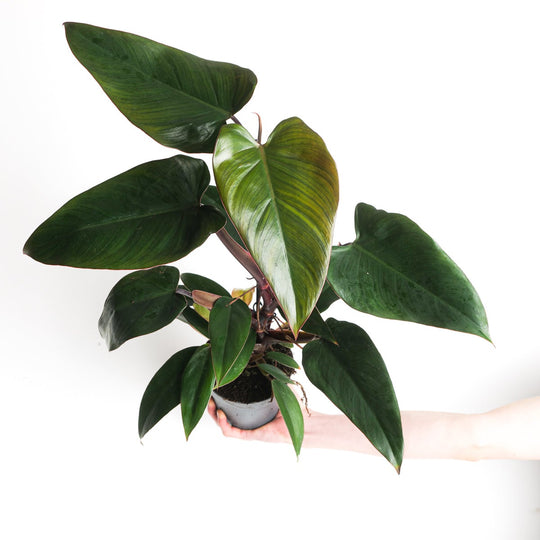
    Most climbing houseplants prefer bright indirect light but tolerate moderate conditions. Monstera deliciosa and Golden Pothos cope well in rooms that are not directly sunlit. Avoid harsh direct midday sun, which can scorch thinner leaves.
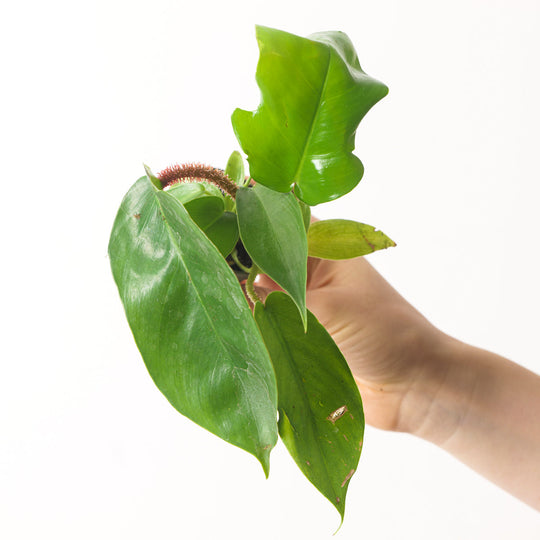
    Species with variegation or velvety texture, such as Philodendron melanochrysum and Marble Queen Pothos, benefit from slightly brighter conditions. Check individual product pages for specific light recommendations.

    Most climbing aroids are mildly toxic to cats and dogs. Monstera, Philodendron and Epipremnum species all contain calcium oxalate crystals that cause mouth irritation and nausea if chewed.

    Placing climbing plants on tall supports can reduce access, but does not eliminate risk entirely. For pet-safe alternatives, browse our Pet-Safe Houseplants collection. Always check the individual product page for pet safety details before purchasing.

    Small leaves are usually a sign that the plant is growing in juvenile form. Without a support to climb, many aroids produce smaller, simpler foliage because their growth pattern defaults to trailing along the forest floor. Adding a moss pole or trellis often triggers larger, more mature leaves within a few months.

    Low light and insufficient feeding can also limit leaf size. Move the plant to a brighter spot (avoiding direct sun) and feed every two to four weeks during spring and summer. Higher humidity, above 50%, also helps species like Philodendron verrucosum and Monstera siltepecana produce larger foliage.