Indoor plant pots from 9cm clear nursery pots to 30cm pots for a mature floor plant, in glazed ceramic, recycled plastic and self-watering designs. Every pot here is chosen on drainage and root health first, looks second. Dispatched from our UK nursery.
Choosing Indoor Plant Pots: Material, Size and Drainage
Which pot material suits your plant?
Material changes how fast the compost dries, and that is the single biggest factor in whether a houseplant thrives or rots. Match the material to how the plant likes to be watered, then choose on looks.
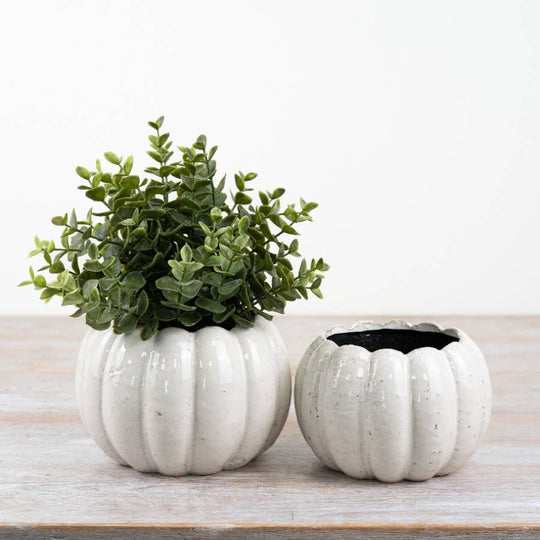
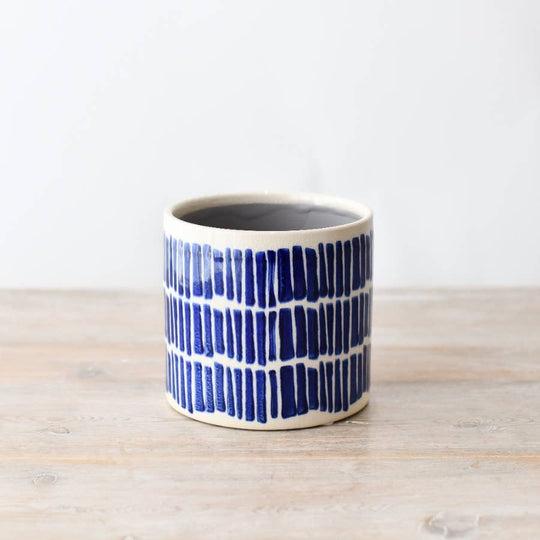
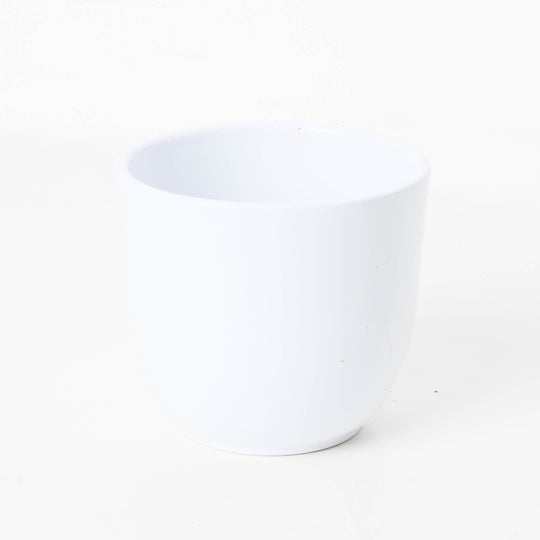
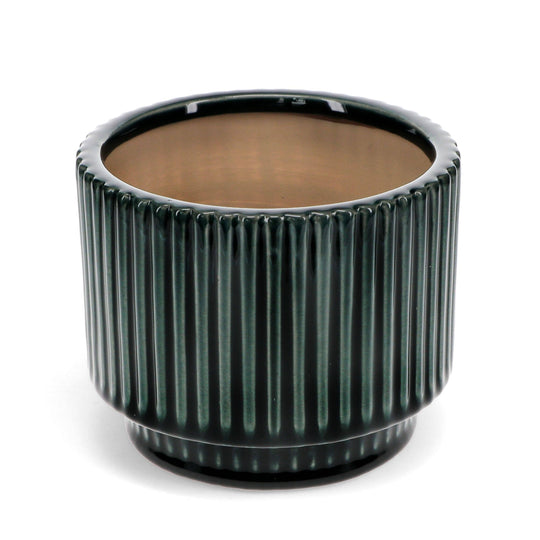
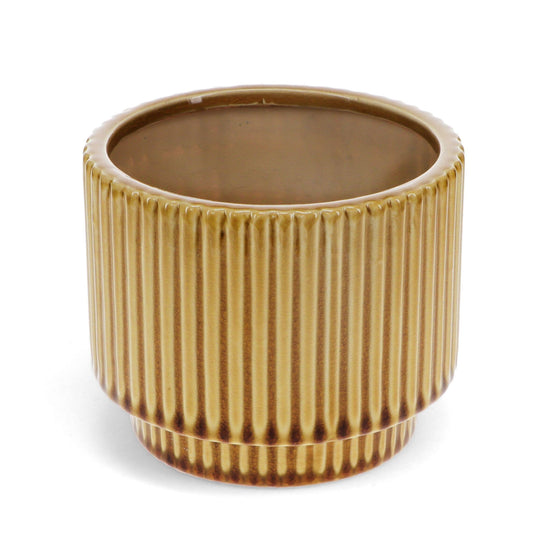
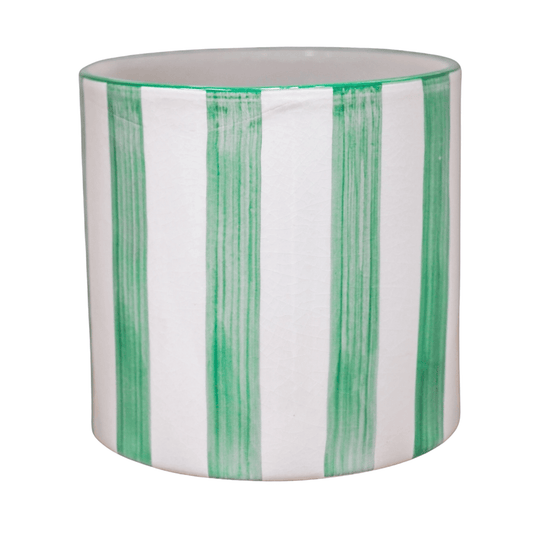
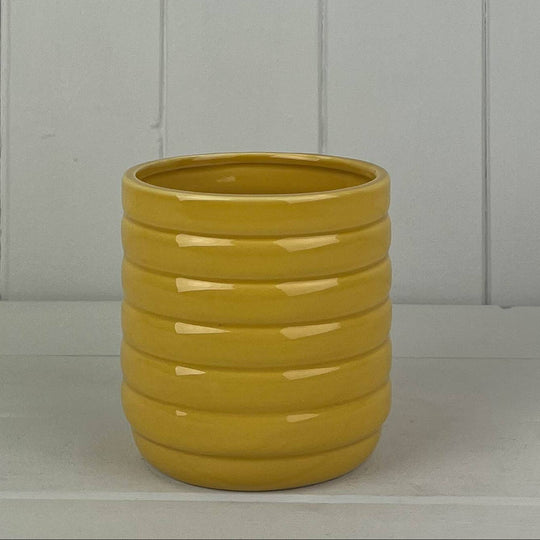
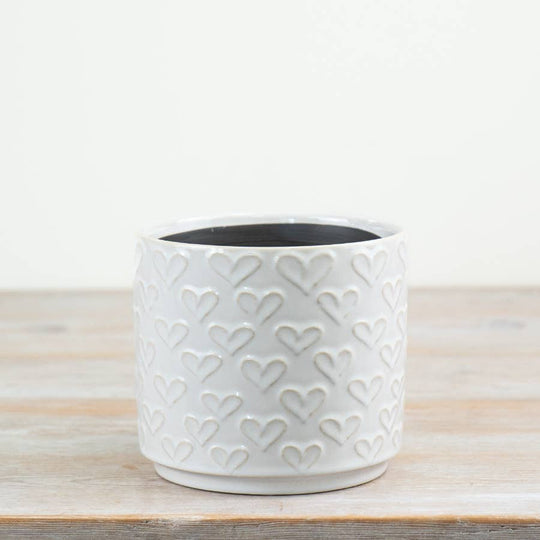
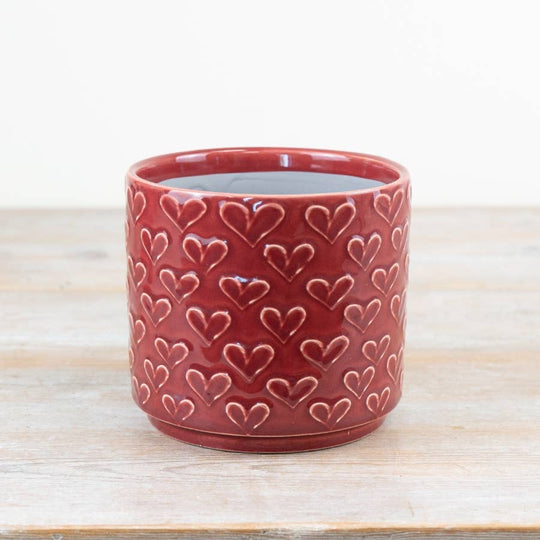
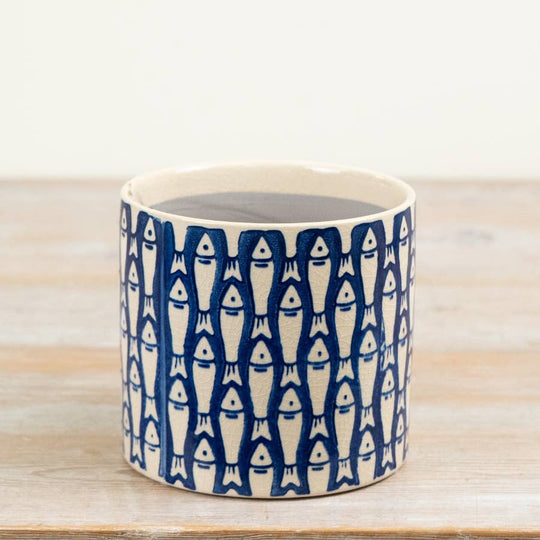
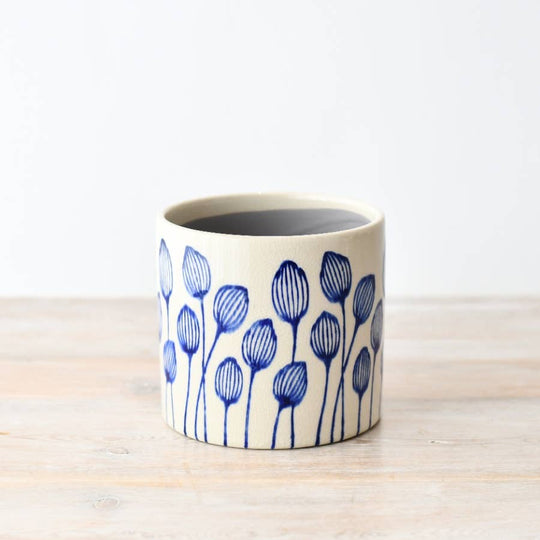
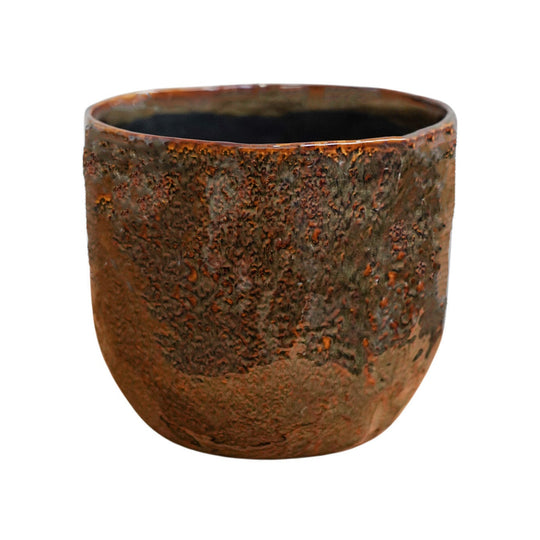
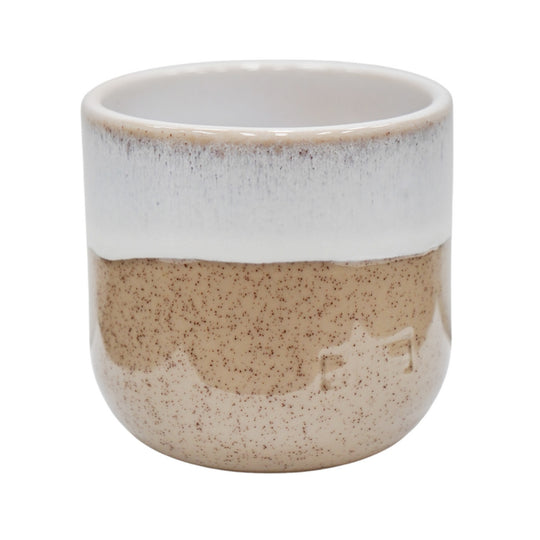
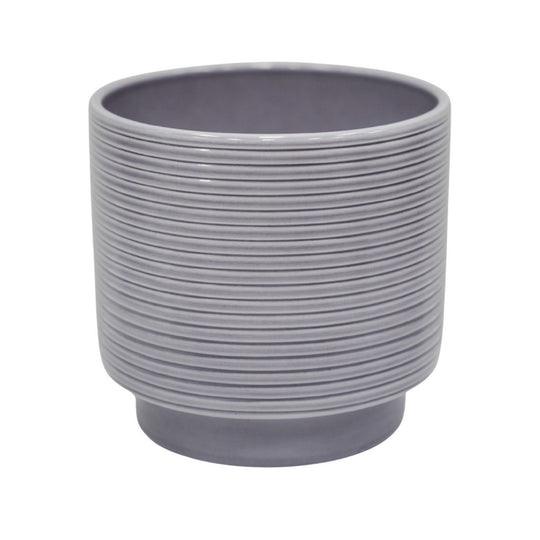
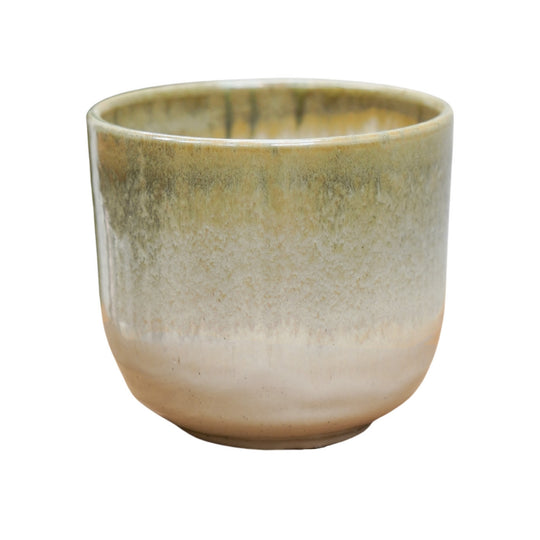
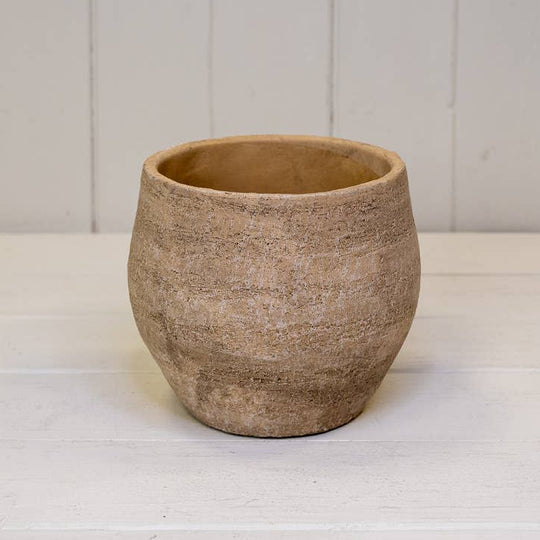
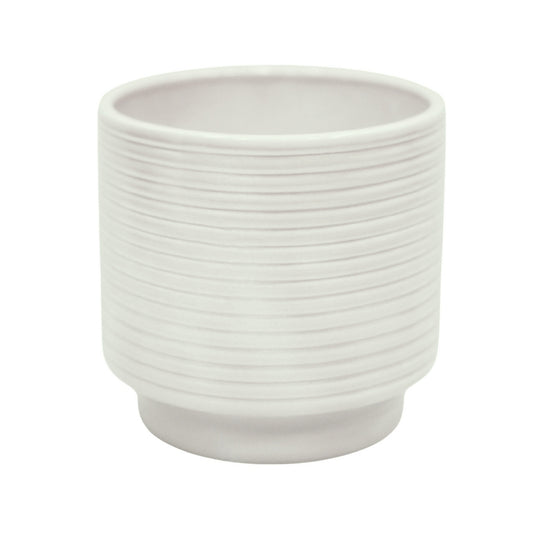
Glazed ceramic: holds moisture well and is heavy enough to steady a tall, top-weighted plant. Our ceramic and glazed pots suit most tropical foliage.
Unglazed terracotta: porous, so it wicks moisture out of the compost and dries faster. Good for succulents, snake plants and ZZ plants. We go into the trade-offs in are terracotta pots good for houseplants.
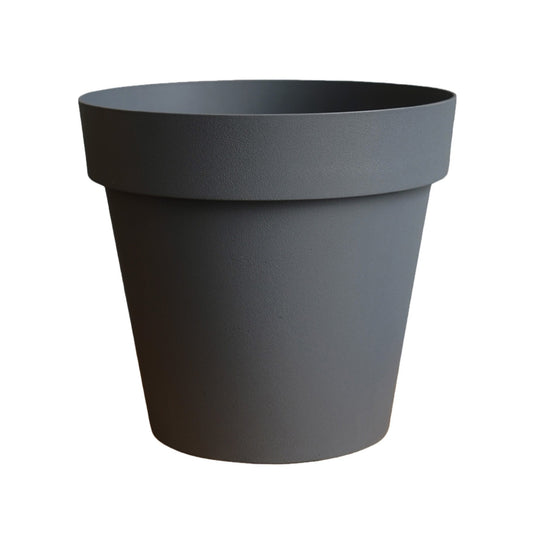
Recycled plastic: light, cheap and holds water longer, which suits ferns and Calathea. Ivyline's Mondo range starts at £1.99 in our plastic plant pots.
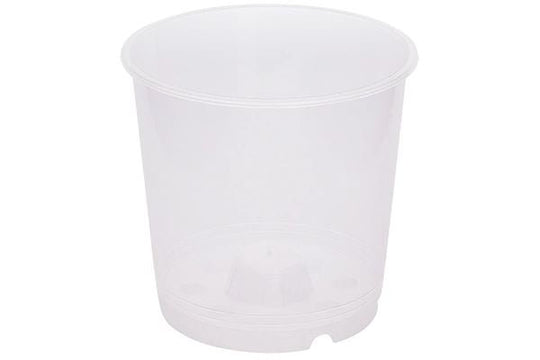
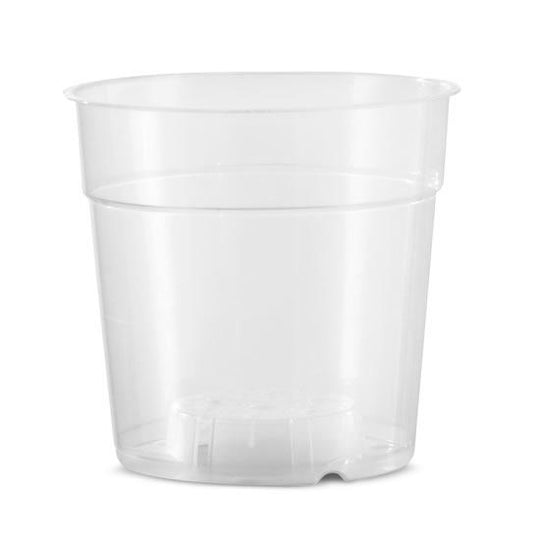
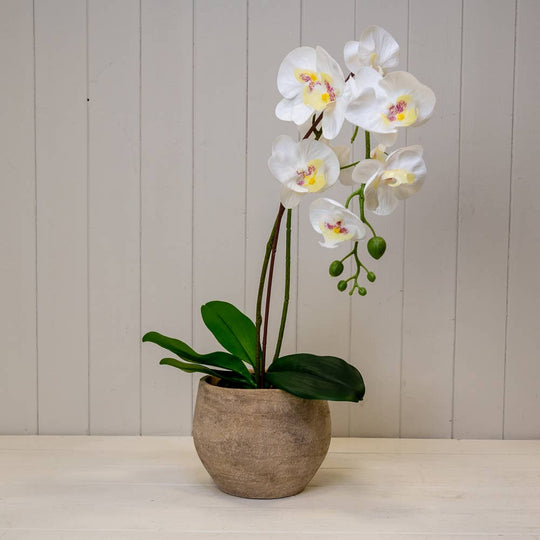
Clear plastic: lets you see root health and moisture without digging. Standard for orchids and useful for aroids you are rooting on. See clear pots.
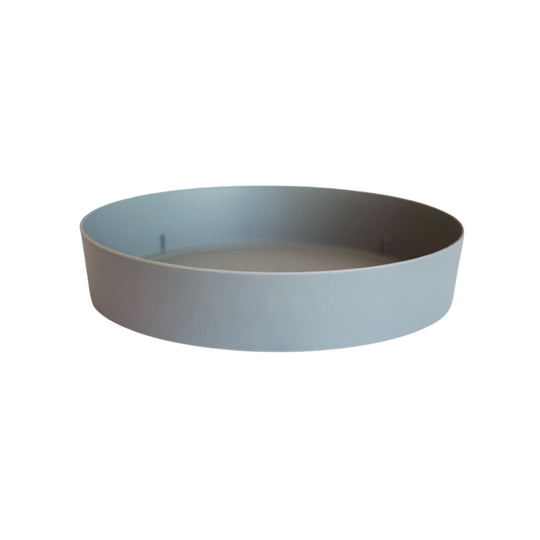
Self-watering: a reservoir and wick feed the compost from below, which evens out erratic watering. Whether they actually work is covered in do self-watering pots work for houseplants.
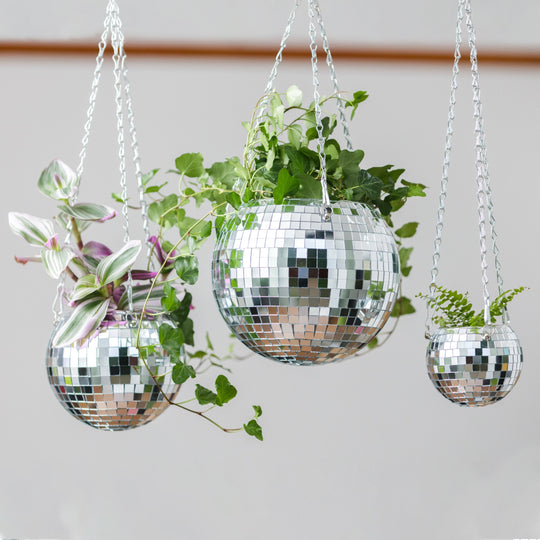
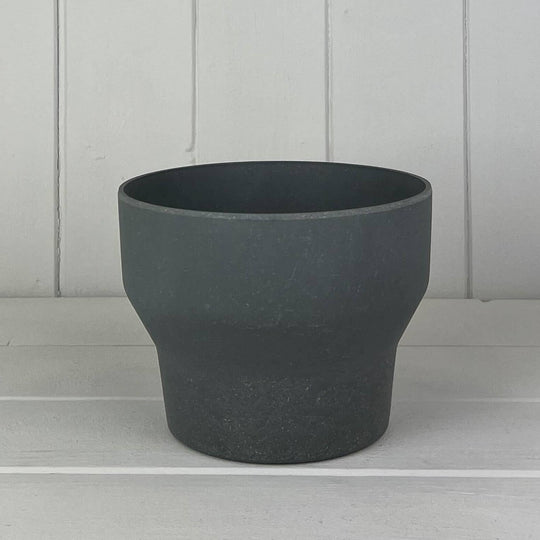
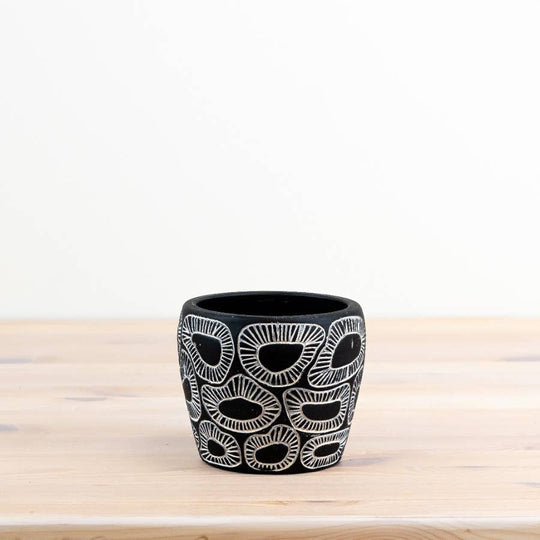
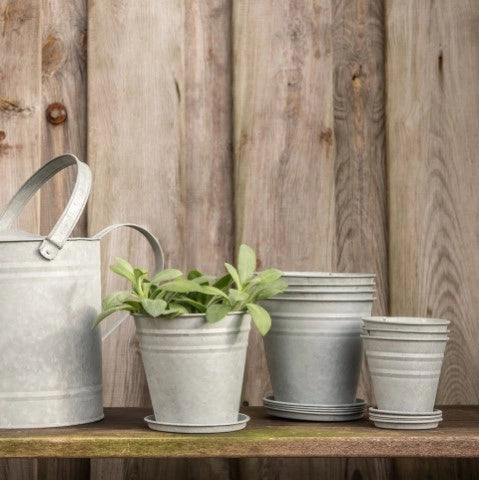
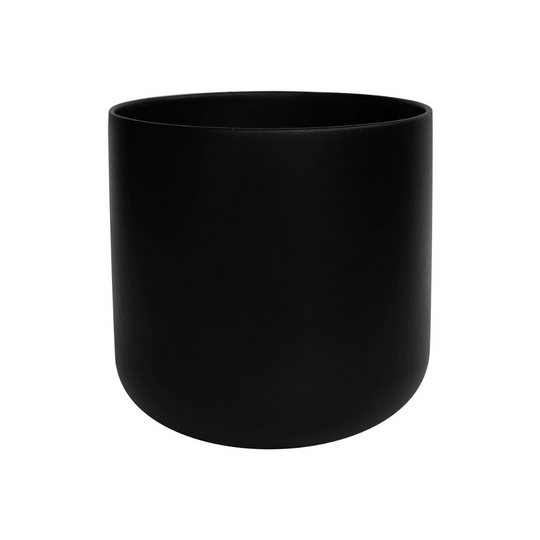
Metal and decorative: most have no drainage hole, so treat them as cover pots rather than growing pots. Browse metal pots and decorative pots.
Getting the size right
Match the pot to the root ball, not the foliage. When repotting, go up 2 to 3cm in internal diameter: a 12cm pot becomes a 14 or 15cm one. Fast growers like Epipremnum and Monstera can take 4 to 5cm more; slow growers like Sansevieria and Zamioculcas are better at 2cm. Some plants flower or pup more freely when slightly snug, so a healthy plant does not need repotting just because a year has passed. Full method in how to choose the right pot size.
Nursery pot or decorative pot?
The simplest setup is to leave the plant in its nursery pot, then drop that inside a decorative cover pot. You lift the whole thing out to water, let it drain, and put it back, so the roots never sit in standing water. If you would rather pot directly into a decorative pot, it needs a drainage hole. Both points are covered in nursery pot versus decorative pot and do houseplant pots really need drainage holes.
Where to start
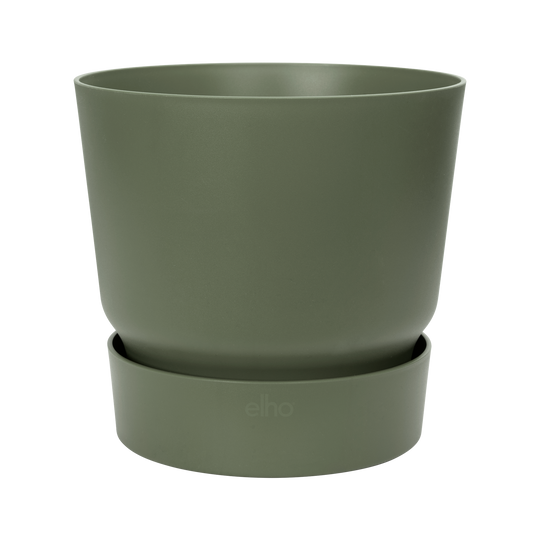
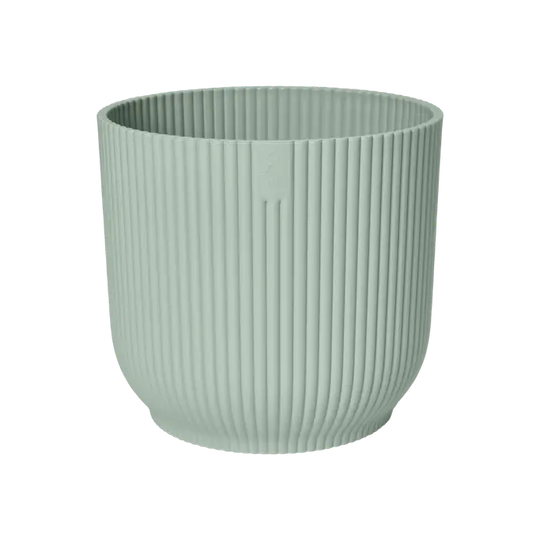
For a new plant that has just arrived, a clear or plastic nursery pot plus a cover pot is the safest combination: our 9cm clear nursery pots start at £1.00. For a mature floor plant, the Elho Greenville Round runs up to 30cm and has a built-in water reservoir. For a plant you are settling in for good, pick a glazed ceramic pot 2 to 3cm wider than the current one and pair it with the right potting mix. Brand ranges worth a look: Elho, Ivyline, Bergs Potter and POTR.
Frequently Asked Questions
There is no single best pot, but there is a best match. Plants that like to dry out between waterings, such as snake plants, ZZ plants and succulents, do best in unglazed terracotta or a well-drained plastic pot. Moisture lovers such as ferns and Calathea hold up better in glazed ceramic or plastic. Whatever the material, the growing pot needs a drainage hole. Decorative pots without one work as cover pots.
Our own clear nursery pots start at £1.00 for the 9cm size, and Ivyline's Mondo recycled plastic pots start at £1.99. Both are functional growing pots with proper drainage. If you want the look without the price, keep the plant in a cheap nursery pot and spend the budget on one decorative cover pot instead.
The pot the plant actually grows in does, yes. Without a drainage hole, water collects at the base and the roots sit wet, which is the most common cause of root rot in houseplants. Decorative pots without holes are fine as cover pots: lift the inner nursery pot out to water, let it drain, then put it back.
Match the pot to the root ball, not the leaves. When repotting, go up 2 to 3cm in internal diameter, so a 12cm pot becomes a 14 or 15cm one. Fast growers such as Epipremnum and Monstera can take 4 to 5cm more. Slow growers such as Sansevieria and Zamioculcas are better at 2cm. Too large a pot holds unused wet compost around the roots.
Keeping the nursery pot and sliding it into a decorative cover pot is the lower-risk option, especially for a plant that has just arrived. You get drainage, you can water over a sink, and you can check the roots without disturbing them. Repot directly into a decorative pot only if it has a drainage hole and the plant is settled.
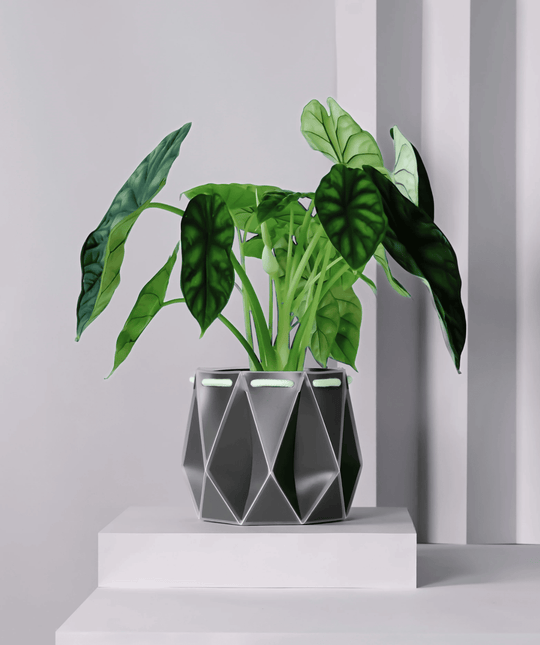
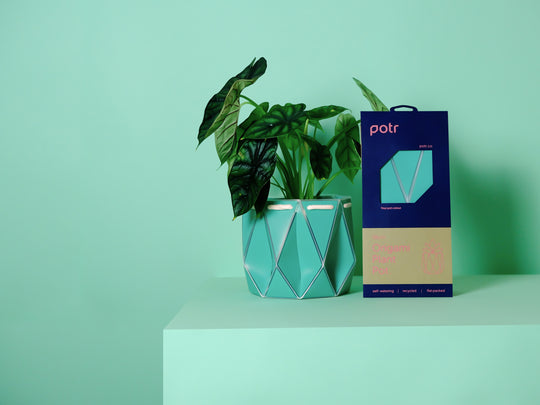
For most tropical foliage plants, yes. A reservoir and wick feed moisture up from below, which smooths out irregular watering and suits people who travel. They are less suitable for plants that need a proper dry spell, such as cacti, succulents and snake plants. Our POTR range uses a wicking cord and recycled plastic.