Tradescantia


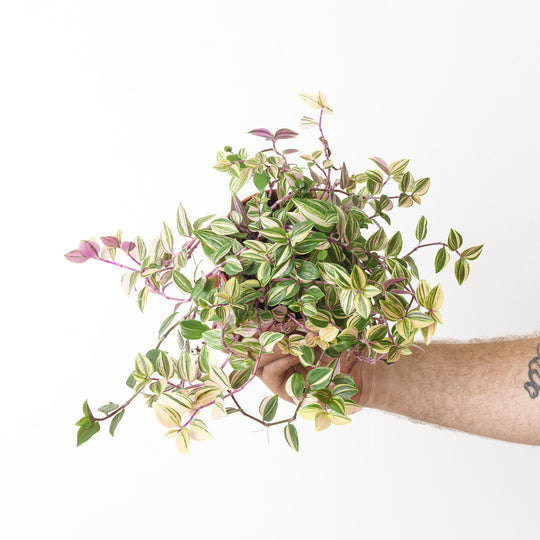
Tradescantia is a genus of fast-growing, easy-care trailing plants native to the Americas. Valued for their colourful, often variegated foliage in shades of purple, green, silver, and pink, they are among the most rewarding houseplants for adding colour quickly. Their trailing stems suit hanging baskets, high shelves, and trained displays alike.

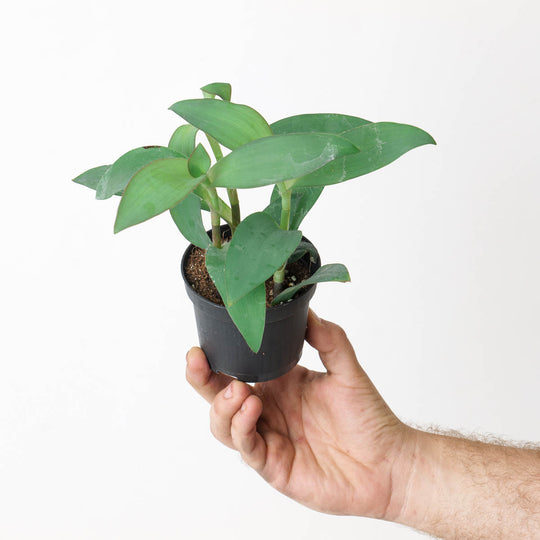
Our Tradescantia collection ranges from popular classics like Tradescantia zebrina and T. fluminensis 'Tricolor' to rarer collector varieties. All are fast-growing and very straightforward to keep.

12 products

    12 products

    Explore our Tradescantia range

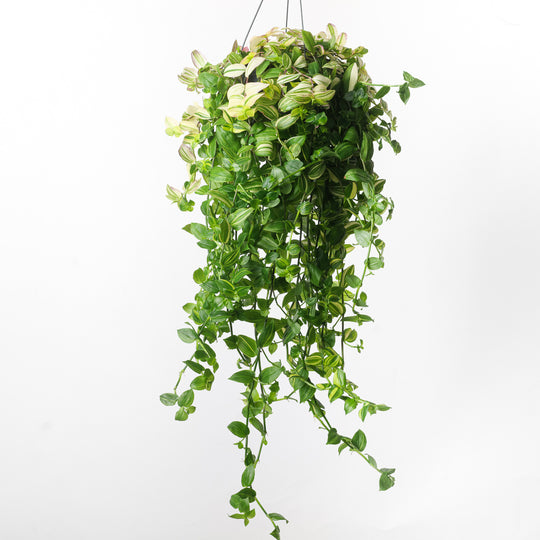
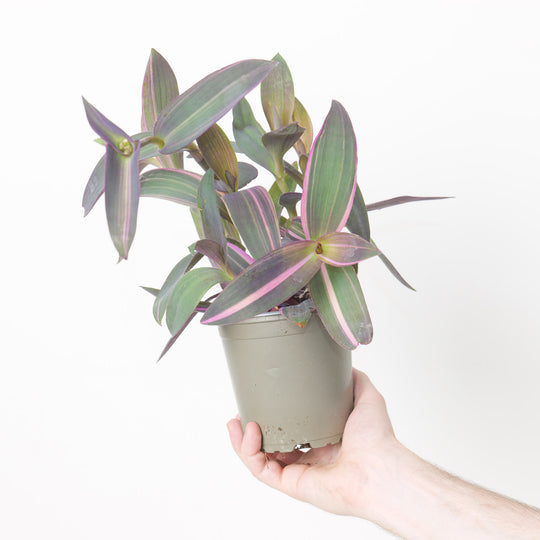
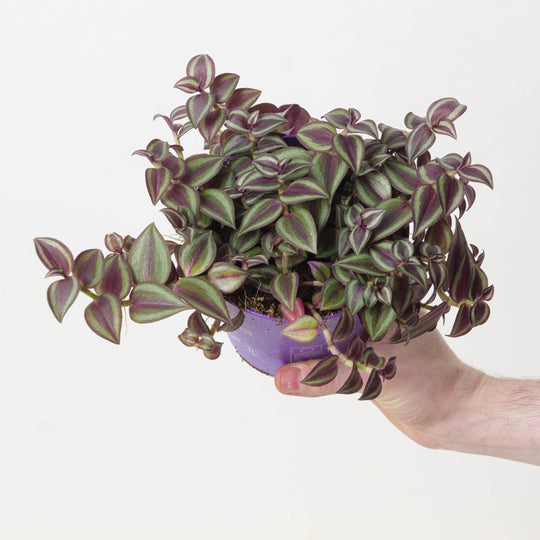
    Tradescantia plants are among the most vivid and fast-growing trailing houseplants you can grow. Their stems produce leaves in striking combinations of purple, silver, green, and pink, often with strong striping or variegation. They grow quickly even in modest conditions, making them an excellent choice for anyone who wants results without long waits. Mature plants develop into full, cascading specimens that spill beautifully from shelves and hanging baskets.

    Tradescantia care

    Tradescantia are easy to care for but do best in bright indirect light, which brings out the strongest foliage colour. In lower light, the variegation and purple tones fade and stems become leggy. Water when the top inch of compost has dried out, and reduce watering in winter. They benefit from regular pinching back of the stem tips to encourage bushy, full growth rather than long bare stems. Tradescantia are fast growers that benefit from a light feed monthly during the growing season.

    Popular Tradescantia varieties

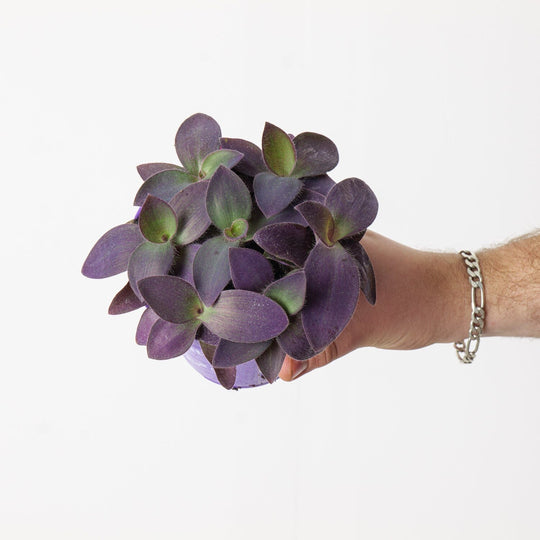
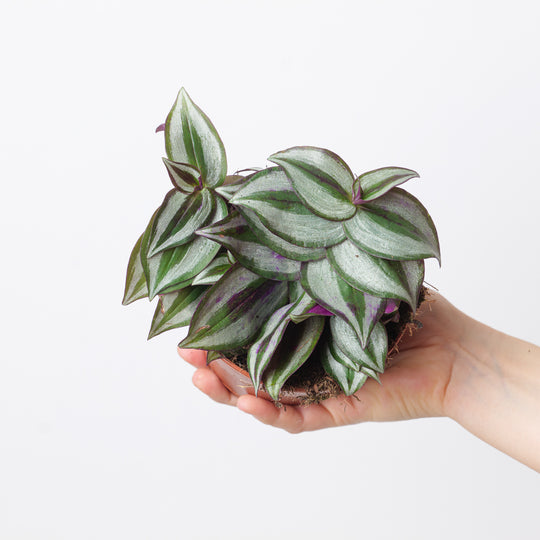
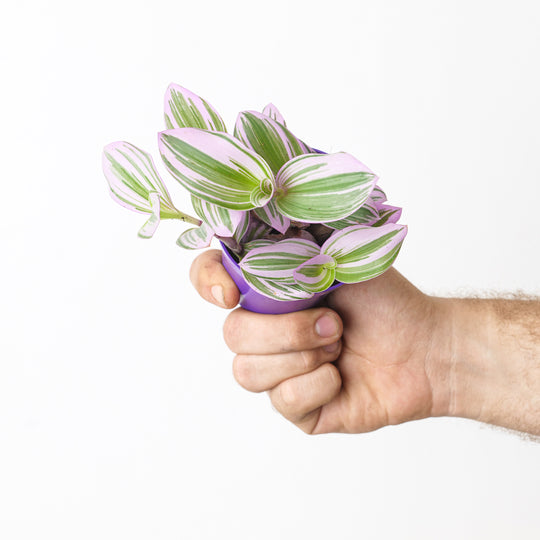
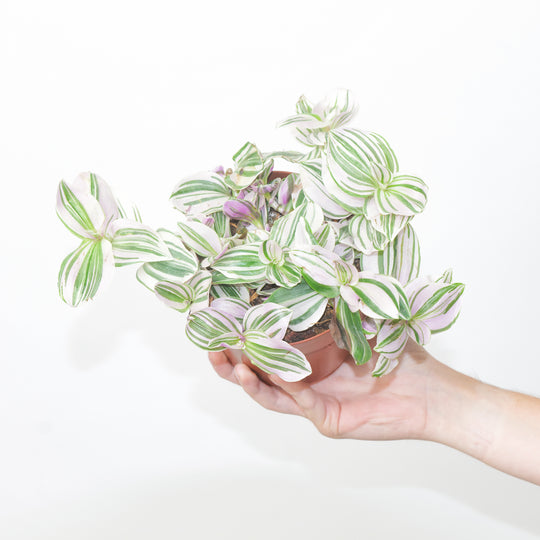
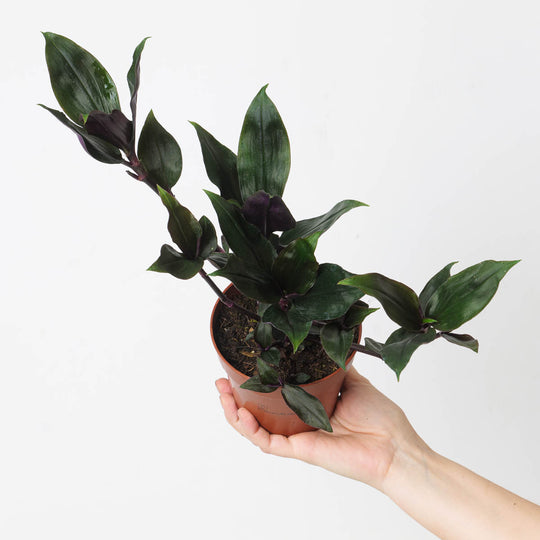
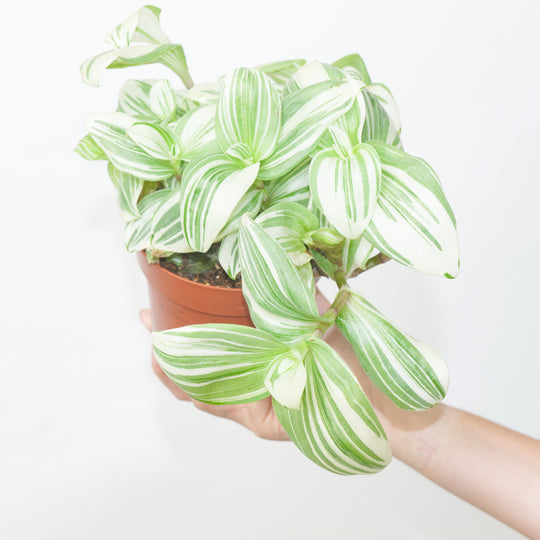
    Tradescantia zebrina, with its silver-striped purple leaves, is one of the most dramatic and popular varieties. Tradescantia fluminensis cultivars offer green-and-white or pink-tinged variegation. Tradescantia pallida 'Purpurea' (Purple Heart) produces intense deep purple foliage and small pink flowers. Tradescantia sillamontana is a more compact, succulent-like form with white woolly hair covering its stems. Each has its own character and they are all easy to grow.

    Tradescantia propagation

    Tradescantia are among the easiest houseplants to propagate. Simply take a stem cutting of 10 to 15 cm, remove the lower leaves, and place the cut end in water or directly into moist compost. Roots develop quickly, often within 1 to 2 weeks in water. This makes Tradescantia an excellent plant for experimenting with propagation, and it is straightforward to build a full, bushy plant from a few rooted cuttings.

    Frequently Asked Questions

    Tradescantia is a large genus of flowering plants in the family Commelinaceae, native to the Americas. Commonly called spiderworts or inch plants, they are popular houseplants prized for their trailing stems, colourful foliage, and easy-going nature. Varieties range from the classic green-and-white striped Tradescantia zebrina to the deep purple Tradescantia pallida.

    Tradescantia are among the easiest houseplants to keep. Water when the top inch of compost feels dry, allowing excess to drain freely - they dislike sitting in water. Feed monthly with a balanced liquid fertiliser during the growing season (spring to autumn). Pinch out the tips regularly to encourage bushy growth and prevent the stems from becoming leggy.

    Tradescantia thrive in bright, indirect light. Variegated varieties such as Tradescantia zebrina need more light to maintain their silver and purple markings - too little light causes the colours to fade to plain green. Avoid harsh direct midday sun, which can scorch the leaves. An east- or west-facing windowsill is ideal.

    Tradescantia are among the easiest plants to propagate. Take stem cuttings of around 10 cm, remove the lower leaves, and place the cut end in a glass of water. Roots form within one to two weeks. Once roots are 2-3 cm long, pot up into fresh houseplant compost. Cuttings can also be rooted directly in moist compost if kept warm and humid.

    Tradescantia can cause mild irritation in dogs and cats if ingested, particularly skin or gastrointestinal irritation from the sap. They are not considered severely toxic, but it is best to keep them out of reach of pets that like to chew plants. If you have animals that regularly nibble houseplants, consider a hanging basket or a high shelf to keep the plant safely away.

    Loss of variegation in Tradescantia is almost always caused by insufficient light. Without enough bright, indirect light, the plant reverts to producing more chlorophyll, resulting in plainer, greener growth. Move the plant to a brighter spot and remove any fully green stems to encourage the plant to push out more colourful variegated growth. Avoid deep shade positions entirely.