Why Grow Carnivorous Plants?
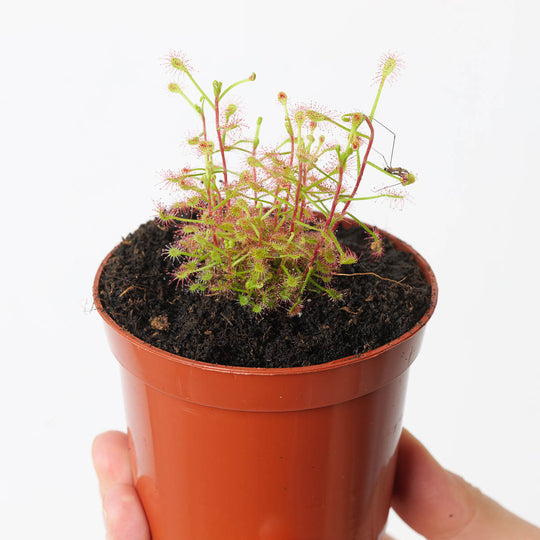
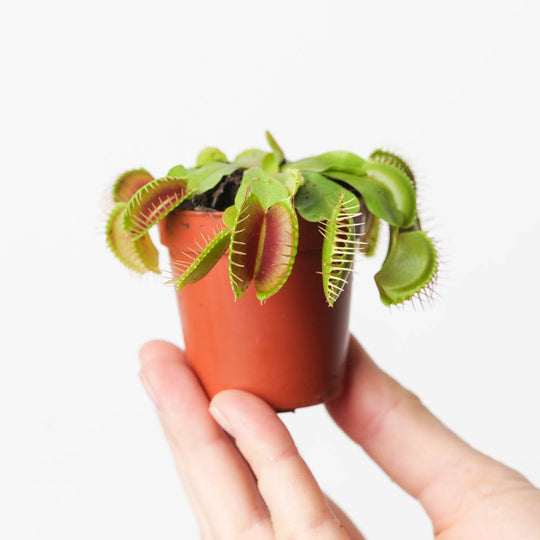
Carnivorous plants capture and digest insects to supplement the nutrients they cannot get from the poor soils they naturally grow in. This makes them some of the most visually dramatic and interactive houseplants available. Watching a Venus fly trap snap shut or seeing insects stuck to the glistening leaves of a sundew is endlessly entertaining for growers of all ages.
Types of Carnivorous Plants
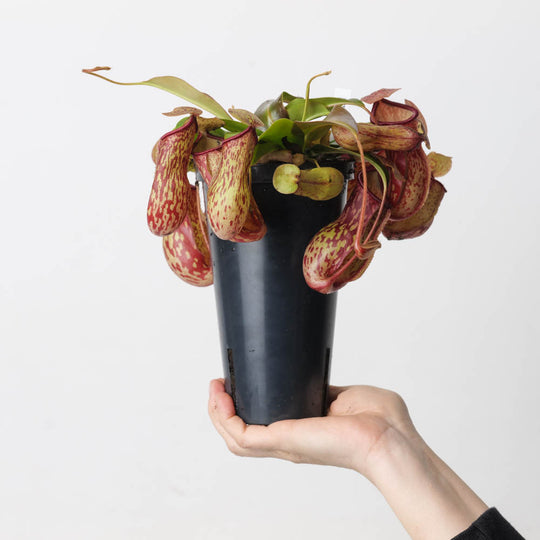
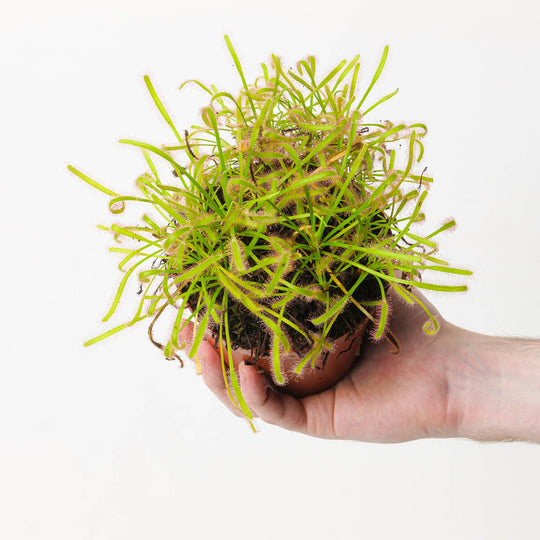
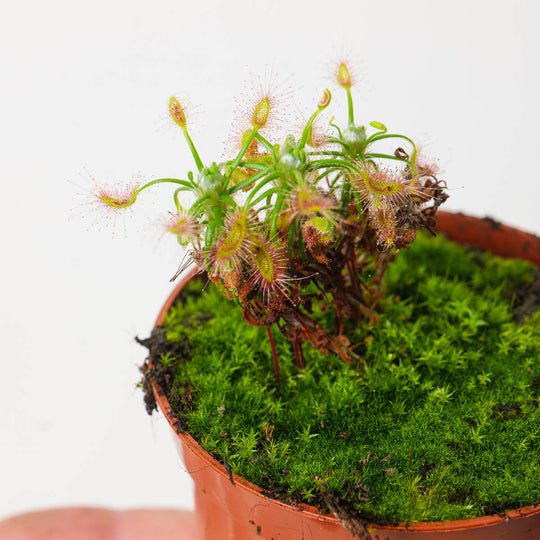
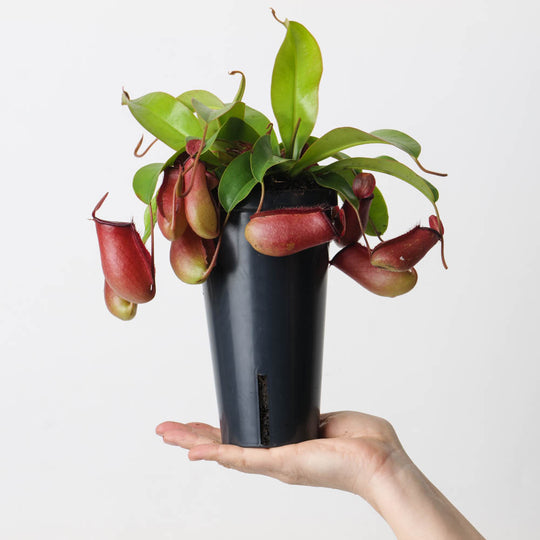
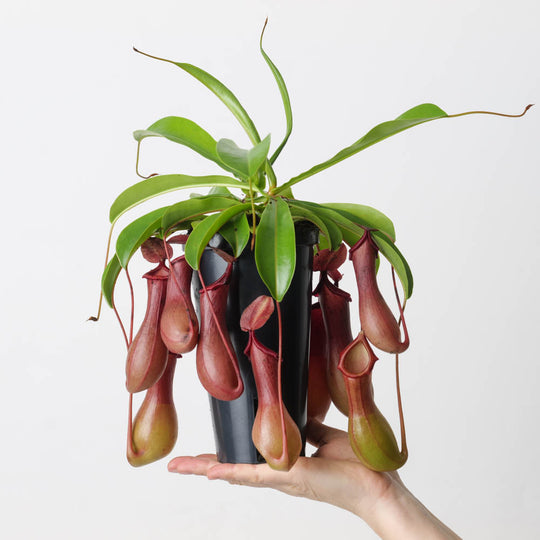
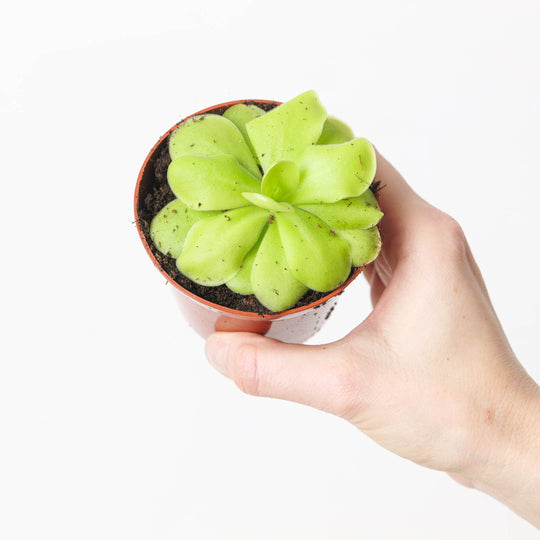
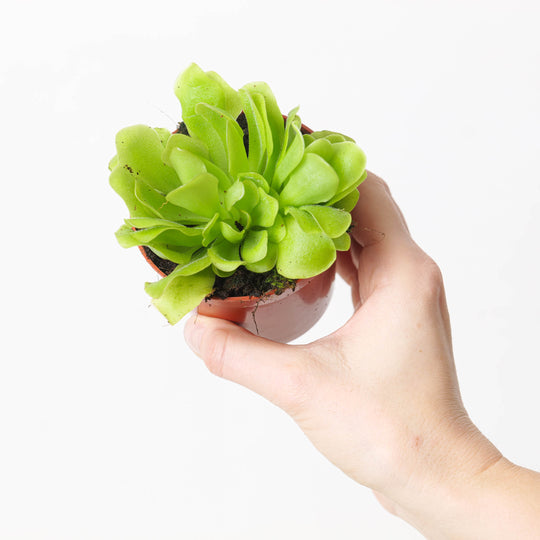
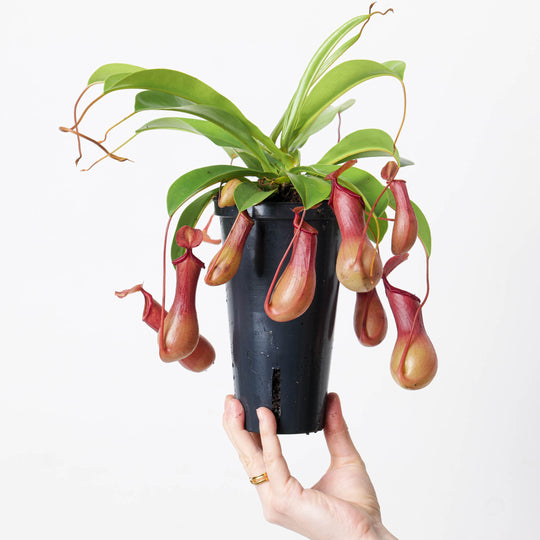
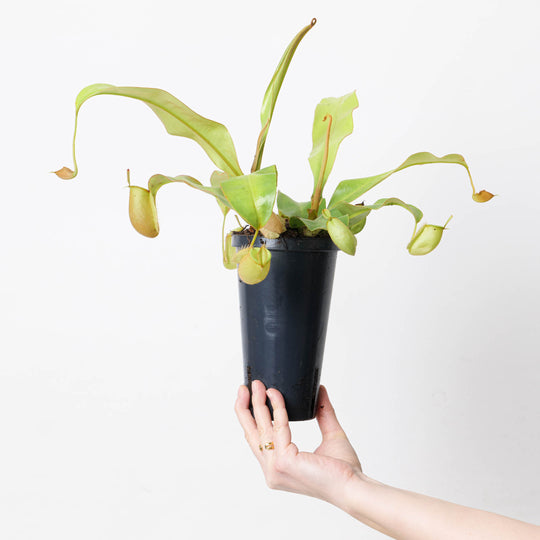
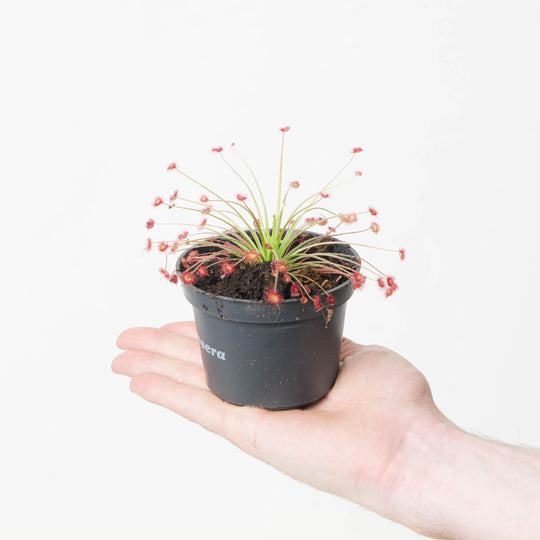
There are three main groups. Venus fly traps (Dionaea muscipula) use rapid snap traps to catch prey. Sundews (Drosera) like Drosera madagascariensis and Drosera paradoxica use sticky, glistening tentacles. Tropical pitcher plants (Nepenthes) lure insects into deep, fluid-filled pitchers.
Carnivorous Plant Care
Most carnivorous plants need bright light and high humidity. Venus fly traps and sundews do best on a bright windowsill with direct sun for several hours a day. Use rainwater, distilled water, or reverse osmosis water only; tap water contains minerals that damage their roots.
Never use standard potting compost or fertiliser. These plants grow naturally in nutrient-poor conditions and standard compost will burn the roots. They get their nutrients from catching insects instead. Keep the soil consistently moist during the growing season.
Tropical Pitcher Plants (Nepenthes)
Nepenthes are the easiest carnivorous plants for typical indoor conditions. Nepenthes x ventrata and Nepenthes 'Bloody Mary' tolerate average room humidity and bright indirect light. They produce hanging pitchers that catch small flies and fungus gnats, making them practical as well as beautiful. Nepenthes 'Gaya' is another reliable choice for beginners.
Carnivorous Plants for Beginners
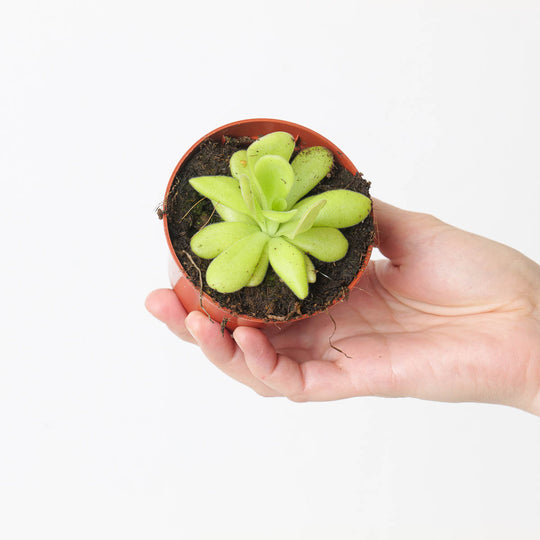
Start with Nepenthes x ventrata if you want a low-maintenance option for a bright room. For a sunny windowsill, Drosera capensis 'Alba' is one of the most forgiving sundews. Venus fly traps are iconic but need a winter dormancy period, so they suit growers who can provide a cool rest over winter.