Scindapsus


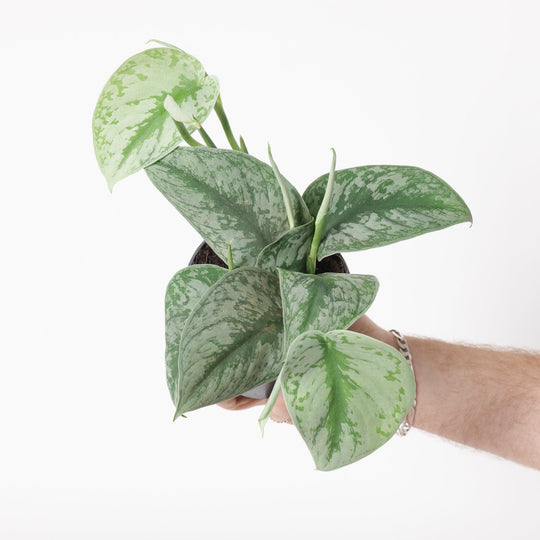
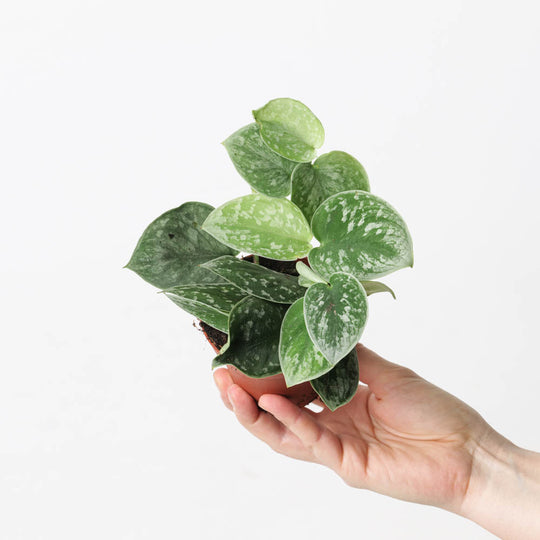
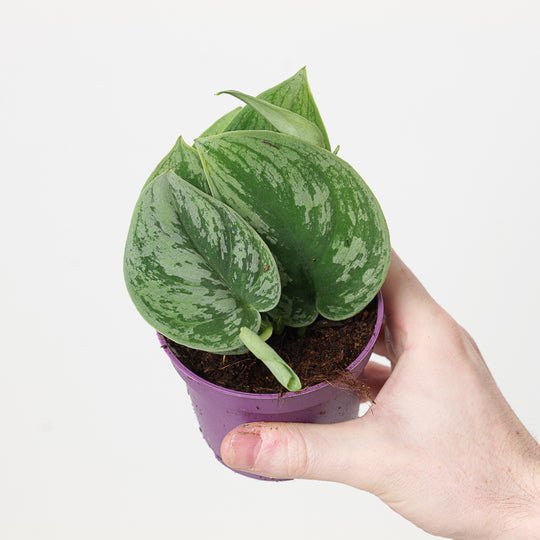
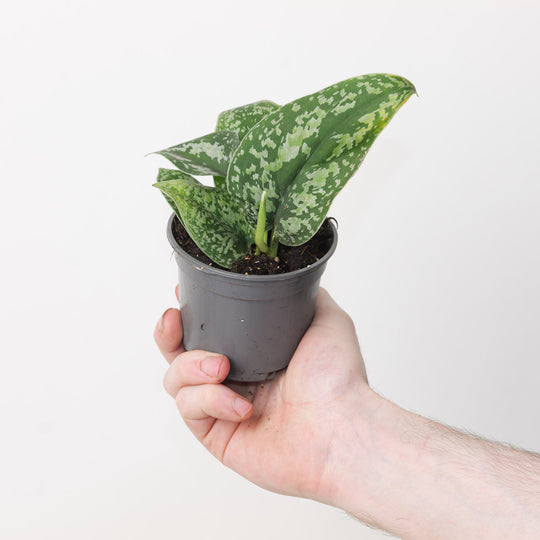
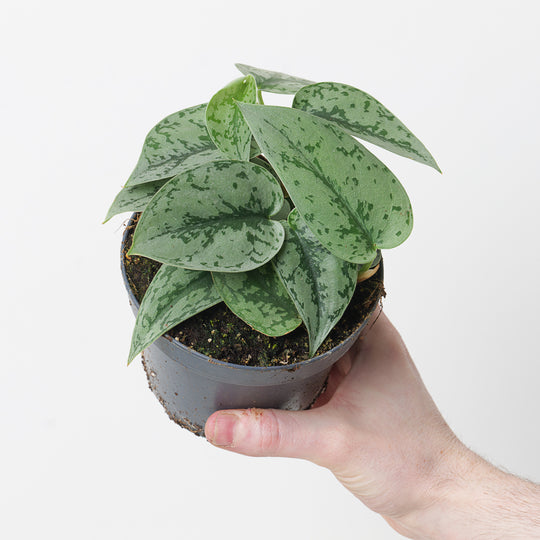
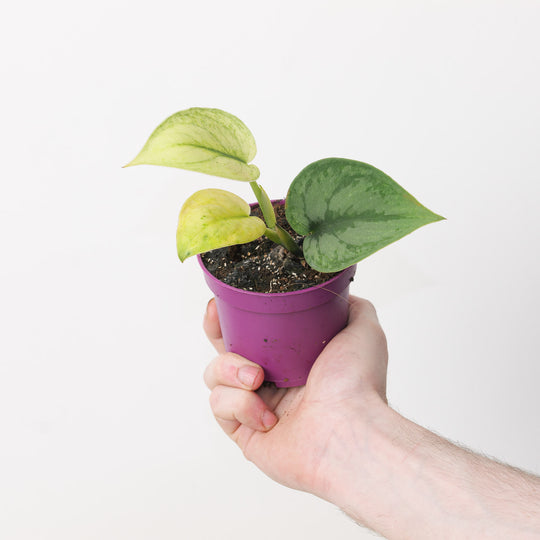
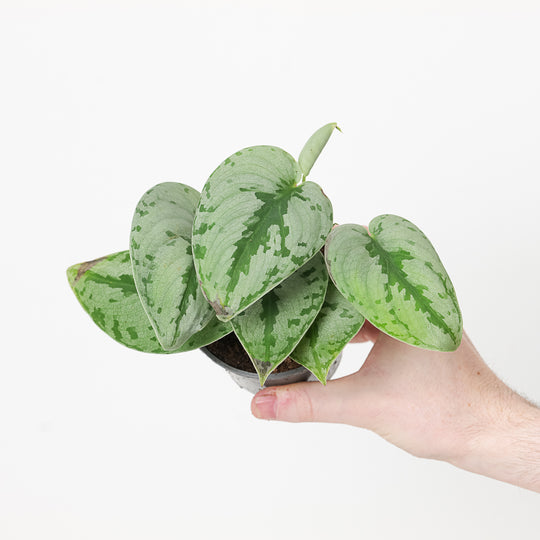
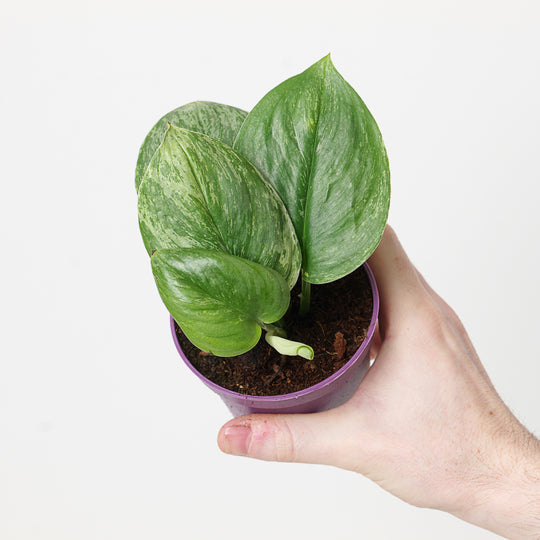
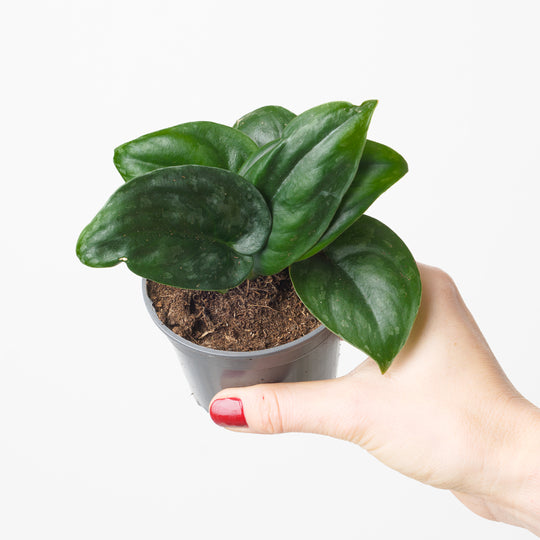
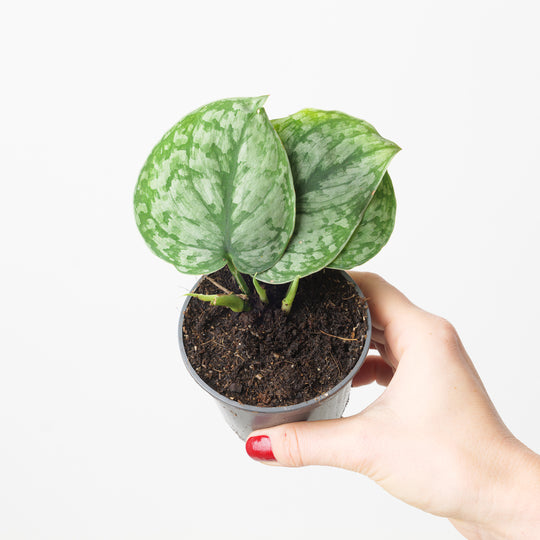
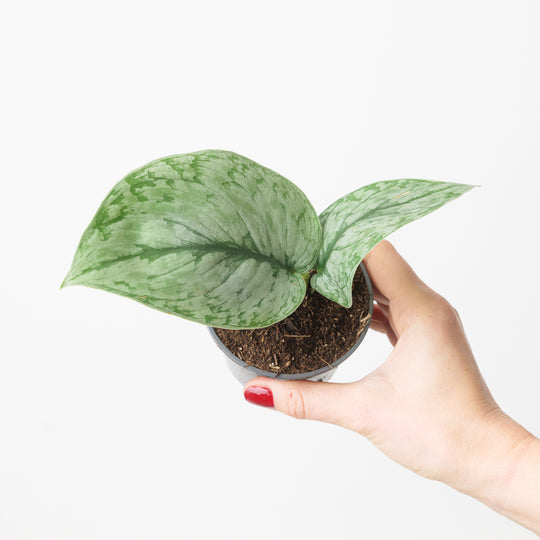
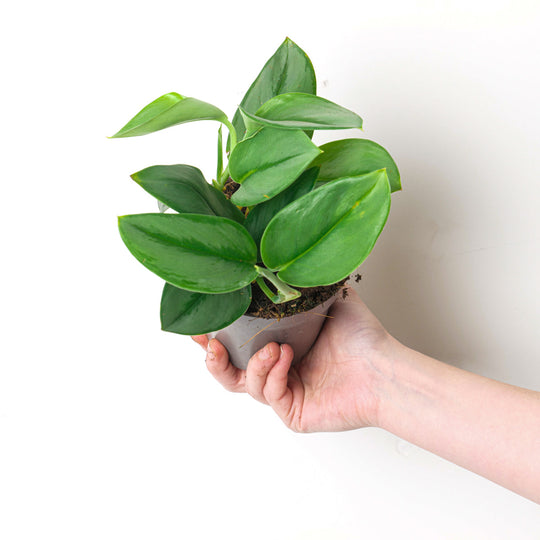
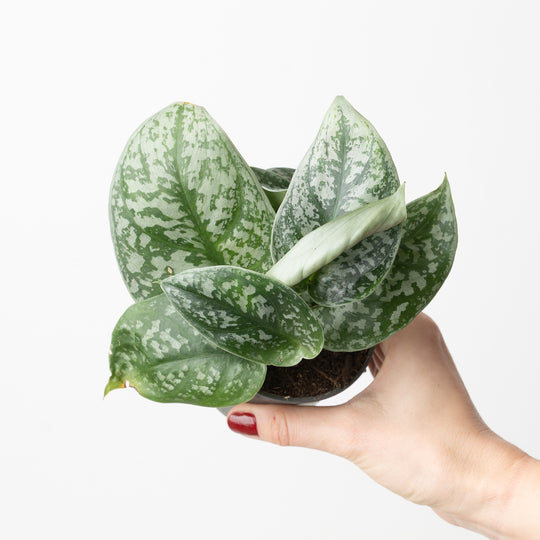
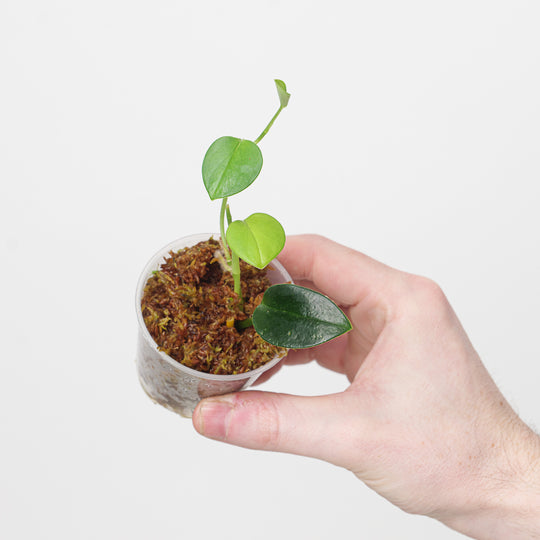
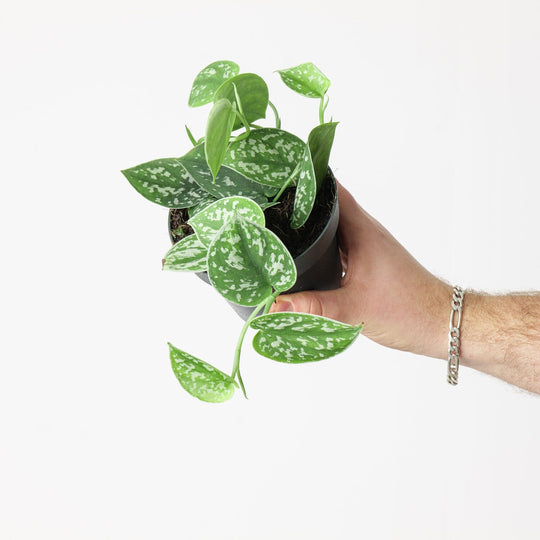
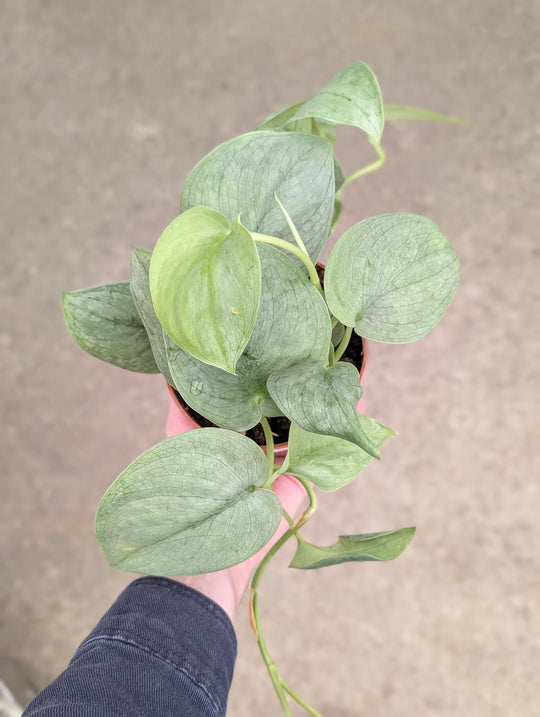
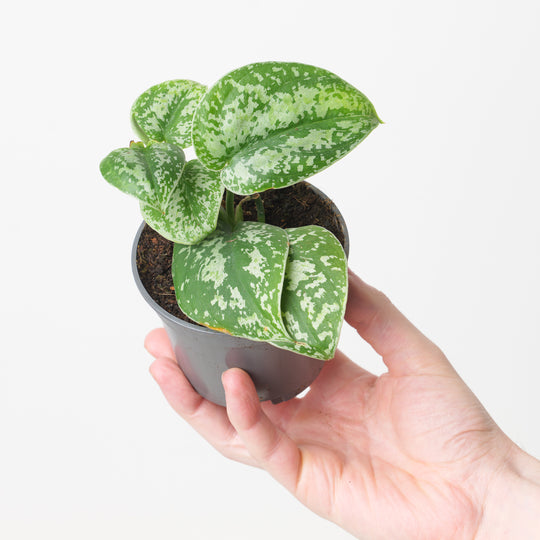
Scindapsus are trailing and climbing aroids from the tropical forests of Southeast Asia and the Pacific, closely related to Epipremnum (pothos) but with distinctively different foliage. Where pothos leaves tend to be uniformly glossy and green, Scindapsus leaves have a distinctive silvery, satin-like quality - the surface subtly textured and sheened with metallic silver or grey markings that catch the light beautifully. Scindapsus pictus (the satin pothos) is the most widely known, with heart-shaped leaves decorated with irregular silver spots and splashes that vary from subtle shimmer to almost completely silver coverage depending on the variety.

At Grow Tropicals we stock Scindapsus in a range of varieties including rare and hard-to-find forms, all grown to our high standards.

22 products

    22 products

    Scindapsus Plants: Care, Varieties & Growing Guide

    What makes scindapsus different from pothos

    Scindapsus and Epipremnum (pothos) are frequently confused - they look similar, have similar care requirements, and are sometimes sold interchangeably. The key difference is in the leaf surface. Pothos leaves are uniformly glossy; Scindapsus leaves have a distinctive matte, almost velvety texture with a metallic sheen produced by tiny air pockets between the epidermis and underlying cells. This creates the characteristic 'satin' quality that makes Scindapsus pictus leaves shimmer in changing light - an effect that photographs do not fully capture.

    How to care for scindapsus

    Scindapsus are easy to care for and tolerant of a range of conditions. They prefer bright, indirect light - more light encourages more prominent silver variegation, while dim conditions cause the silver to fade and growth slows. Water when the top half of the compost feels dry, allowing excess to drain. They are more tolerant of drying out than pothos but still prefer moderate, consistent moisture. Feed monthly from spring to autumn with a balanced liquid fertiliser. Provide a moss pole, trellis, or hanging basket - they grow larger leaves when given support to climb.

    Popular varieties

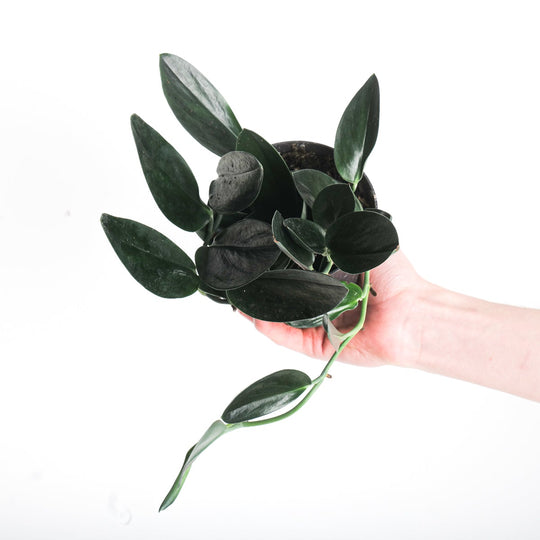
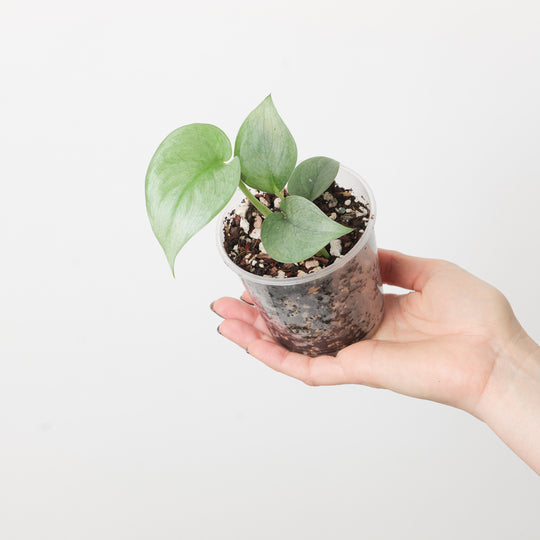
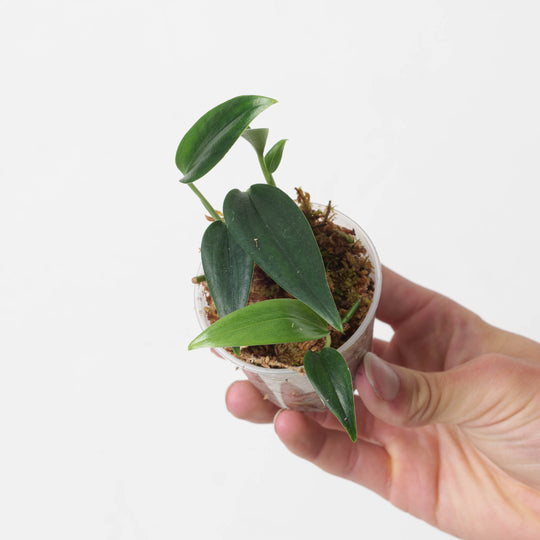
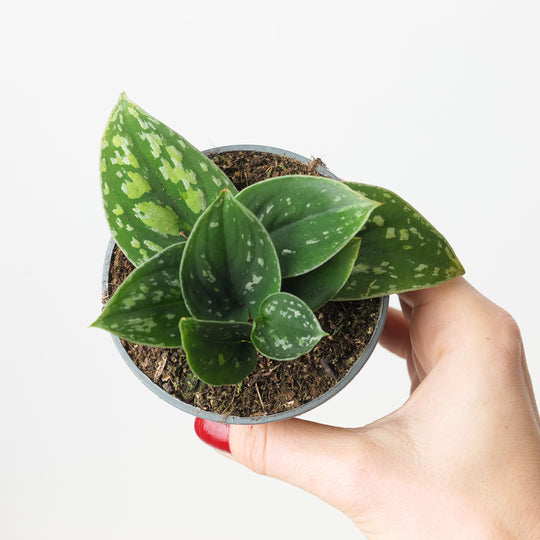
    Scindapsus pictus 'Argyraeus' is the most common variety, with small heart-shaped leaves flecked with irregular silver spots. 'Exotica' has larger leaves with broader, more confluent silver markings creating a dramatically silvery appearance. 'Silver Hero' (also sold as 'Silver Satin' by some growers) has almost entirely silver leaves with minimal green. Scindapsus treubii 'Moonlight' has narrow, lance-shaped leaves of an unusual grey-green with a subtle silver sheen - a distinctive and sought-after plant. S. treubii 'Dark Form' is a collector's rarity with very dark, near-black foliage.

    Climbing vs trailing

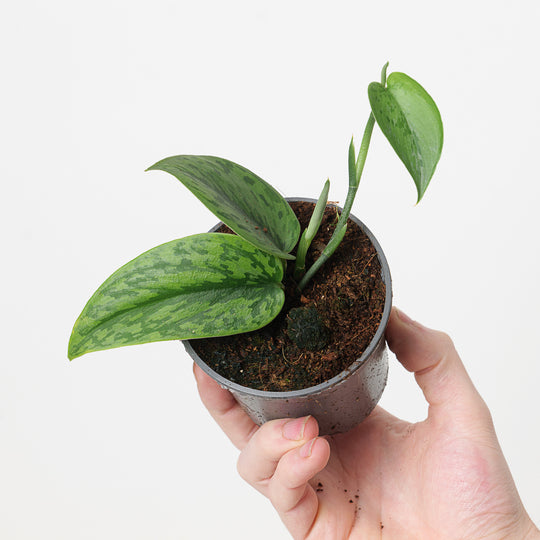
    Like pothos, Scindapsus produce much larger, more developed leaves when allowed to climb. A juvenile Scindapsus hanging in a basket produces small, relatively unmarked leaves. The same plant given a damp moss pole to climb develops leaves two or three times the size with much more prominent and confluent silver variegation. This juvenile-to-mature transition is one of the rewarding aspects of growing Scindapsus long-term.

    Frequently Asked Questions

    Scindapsus and pothos (Epipremnum) are closely related aroids that look similar but differ in leaf texture. Pothos leaves are uniformly glossy; Scindapsus leaves have a distinctive matte, satin-like texture with a subtle metallic sheen caused by air pockets in the leaf surface. Scindapsus also tends to have more pronounced silver or grey variegation. Care requirements are very similar.

    Scindapsus need bright, indirect light (more light = more silver variegation), watering when the top half of the compost is dry, good drainage, and monthly feeding from spring to autumn. They tolerate lower light than many variegated plants but the silver markings become less prominent. Provide a moss pole for climbing to encourage larger, more variegated leaves.

    Fading silver variegation in scindapsus is caused by insufficient light. The metallic sheen and silver markings are most prominent in bright, indirect light. In low light, new leaves emerge smaller and with less silver coverage. Move the plant to a brighter position - the existing leaves will not change, but new growth should show improved variegation.

    Scindapsus are easy to propagate from stem cuttings. Take a cutting with one or two nodes (the joints where leaves emerge), remove the lower leaf, and place in water or moist compost. In water, roots develop within two to four weeks; pot up once roots reach 2-3 cm. In compost, keep warm and humid. Spring and summer are the best times to propagate.
    Yes - scindapsus contains calcium oxalate crystals and is toxic to cats and dogs if ingested. Symptoms include oral irritation, drooling, and gastrointestinal upset. Keep scindapsus out of reach of pets that chew plants, and consult a vet if ingestion is suspected. This is the same toxicity profile as pothos and most other aroids.

    Scindapsus produce significantly larger leaves when given something to climb. Attach the plant to a damp moss pole or textured support and secure the stems with plant ties. As the plant climbs and the aerial roots attach, new leaves emerge progressively larger with more prominent silver variegation. This is one of the most dramatic transformations possible in a houseplant.