Aloe


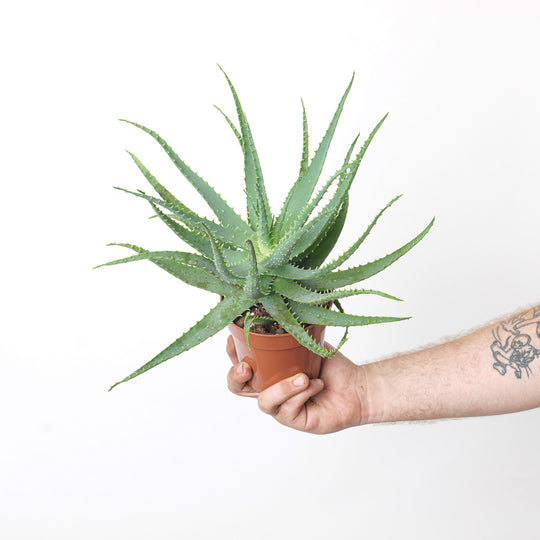
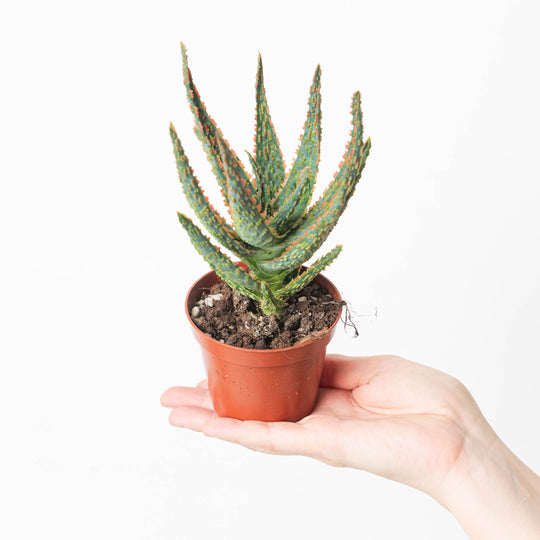
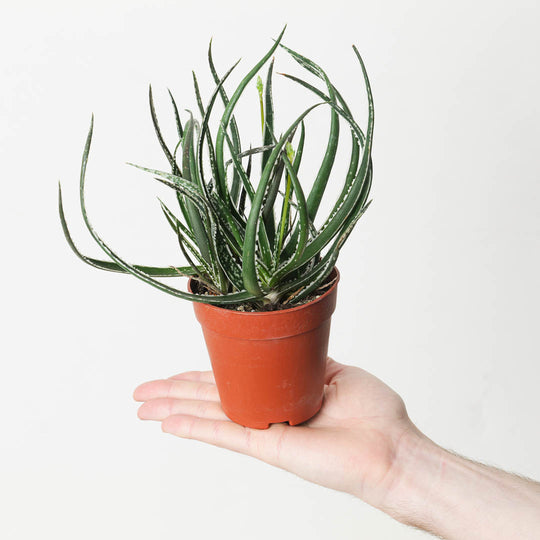
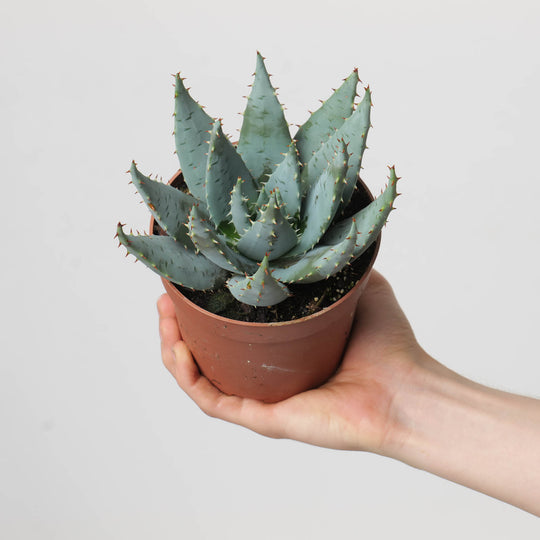
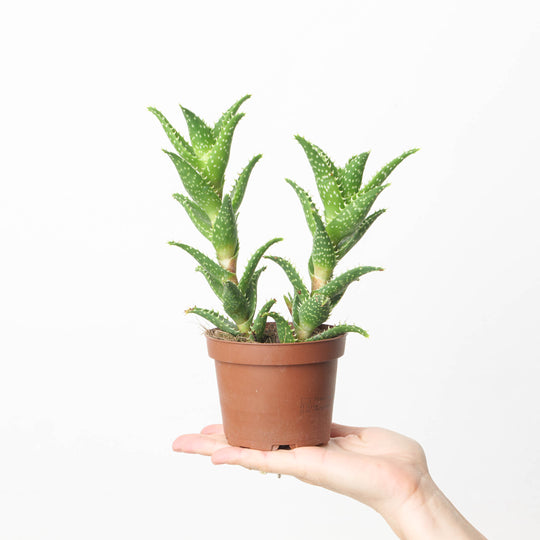
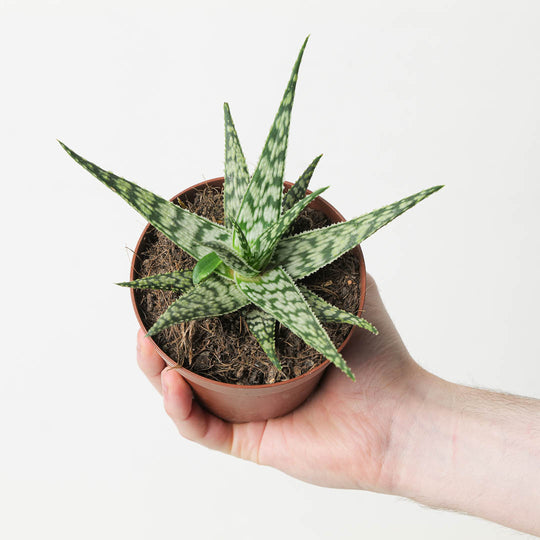
Aloe are a large genus of succulent plants originating from Africa, Madagascar, and the Arabian Peninsula, ranging from compact windowsill rosettes to towering tree-like species over five metres tall. The best known is Aloe vera, grown worldwide for its medicinal gel and its striking architectural form, but the genus contains over 500 species with an enormous variety of leaf colour, texture, and size. All aloes are succulents adapted to dry conditions: store water in their fleshy leaves, thrive in bright light, and ask for very little water.

At GrowTropicals we stock Aloe vera alongside a selection of other Aloe species, all grown to our high standards and ready to thrive in your home.

11 products

    11 products

    Aloe Vera & Aloe Plants: Care, Varieties & Growing Guide

    Aloe vera: the most popular species

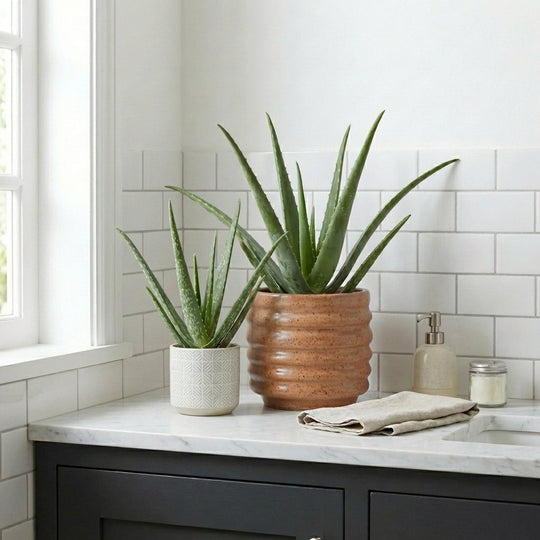
    Aloe vera (also known as Aloe barbadensis) is one of the world's most widely cultivated succulents. Its thick, fleshy, grey-green leaves are filled with a clear gel that has been used medicinally and cosmetically for thousands of years - the gel has well-documented soothing properties for minor burns and skin irritation. As a houseplant it is grown for both its practical value and its clean architectural form: a rosette of upright, serrated leaves that slowly spreads via offsets to fill its pot. It is an exceptionally easy plant to grow, tolerating neglect and periods of drought with ease.

    How to care for Aloe

    Aloe need maximum light indoors - a south-facing windowsill is ideal. Without enough light, the rosette opens and flattens as the plant reaches toward the light source, losing its upright form. Water thoroughly, then allow the compost to dry out completely before watering again. In winter, reduce watering to once every four to six weeks or even less. Use a gritty, well-draining cactus compost and ensure the pot has good drainage. Feed with a dilute cactus fertiliser two or three times in the growing season. Aloe are very tolerant of being root-bound and should only be repotted when roots are escaping through the drainage holes.

    Other Aloe species worth growing

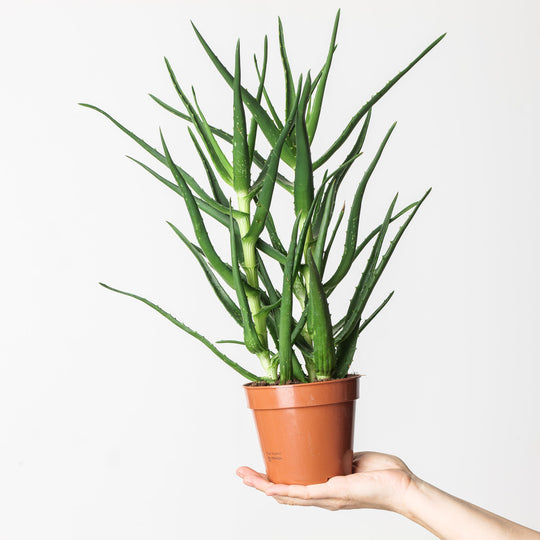
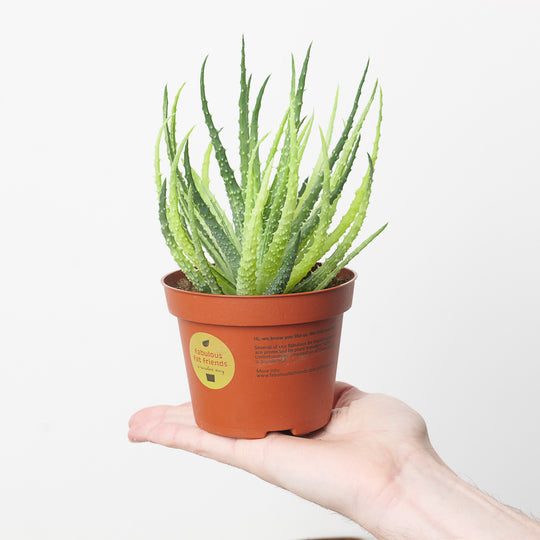
    Beyond Aloe vera, the genus offers some outstanding species for collectors. Aloe aristata (lace aloe) is a compact, stemless species with white-spotted leaves and orange flowers - ideal for small spaces. Aloe variegata (partridge breast aloe) has distinctive dark green leaves with white crossbanding. Aloe polyphylla (spiral aloe) produces an extraordinary mathematical spiral arrangement of leaves. Aloe ferox (bitter aloe) grows into a tall, single-stemmed tree aloe with large orange flower spikes - a dramatic specimen plant.

    Harvesting Aloe vera gel

    To harvest gel from Aloe vera, select a large outer leaf, cut it cleanly at the base with a sharp knife, and allow the yellow latex (aloin) near the cut end to drain for a few minutes before using the inner gel. The clear gel can be scooped out and applied directly to minor burns, sunburn, or irritated skin. Note that the yellowish latex layer just beneath the skin contains compounds that can be irritating - rinse the gel well if you intend to use it topically. Do not consume Aloe vera gel internally without medical advice.

    Frequently Asked Questions

    Aloe vera should be watered deeply and then left to dry out completely before watering again. In the growing season (spring to autumn) this typically means watering every two to three weeks. In winter, reduce to once every four to six weeks or less. Overwatering is the most common cause of Aloe vera failure - the signs are soft, yellowing, or mushy leaves. Always ensure the pot has excellent drainage.

    Soft, brown, or mushy Aloe vera leaves almost always indicate overwatering or root rot. Allow the compost to dry completely and check the roots - if they are brown and mushy rather than firm and white, remove the plant from its pot, trim any rotten roots, allow the root system to air-dry for a day or two, then repot into fresh, dry cactus compost. Do not water for two weeks after repotting. Brown, shrivelled leaves (rather than soft) can indicate underwatering or sun stress.

    Aloe vera is not frost-hardy and cannot survive UK winters outdoors without protection. It can be placed outdoors in a sheltered, sunny spot during the warmer months (May to September) but must be brought inside before temperatures drop below 5 degrees Celsius. In very mild, sheltered coastal gardens it may survive mild winters with some protection, but this is not reliable in most parts of the UK.

    Aloe vera propagates naturally by producing offsets (pups) at its base. When these are a few centimetres tall, detach them carefully - ideally with a small root system attached - and pot them individually in dry cactus compost. Do not water for a week to allow any cut surfaces to callous over. New pups establish quickly in warm, bright conditions. Aloe vera can also occasionally be grown from seed, though this is slower.

    Yes - Aloe vera is toxic to cats and dogs if ingested. The aloin (the yellow latex layer just beneath the leaf skin) contains compounds called anthraquinones that cause vomiting, diarrhoea, and lethargy in pets. The clear inner gel is less toxic but still inadvisable for pets to consume. Keep Aloe vera out of reach of animals that chew plants and consult a vet if ingestion is suspected.

    White spots or a powdery coating on Aloe leaves can be a few things. Many Aloe species naturally have white speckling or tubercles (small bumps) on their leaves - this is normal and a characteristic of the species. A white powdery coating across the surface could be powdery mildew (usually caused by poor air circulation and inconsistent watering) or white scale insects. Check the underside of leaves and along the stem for scale - treat with neem oil or insecticidal soap if present.