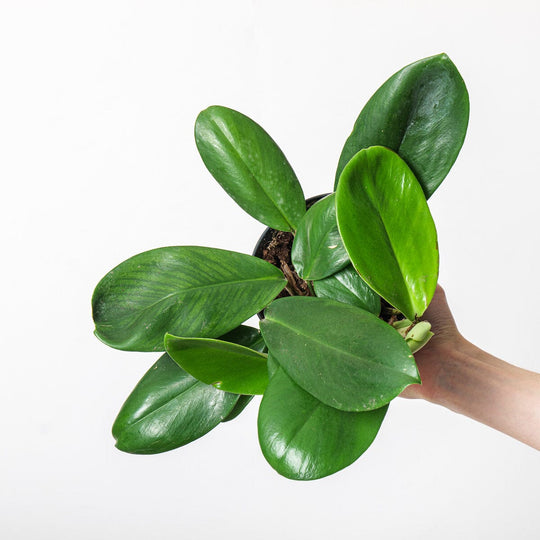
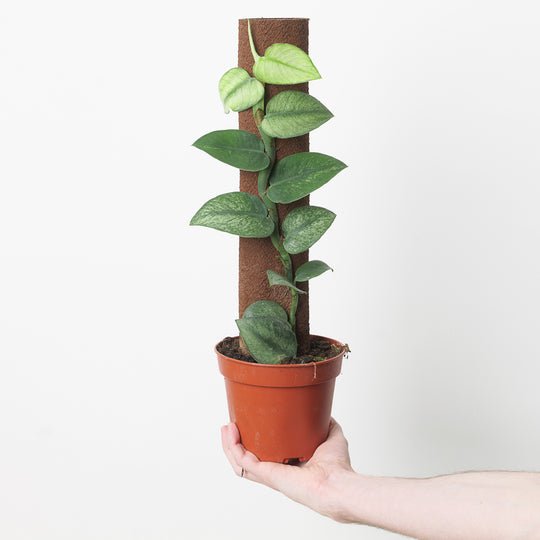
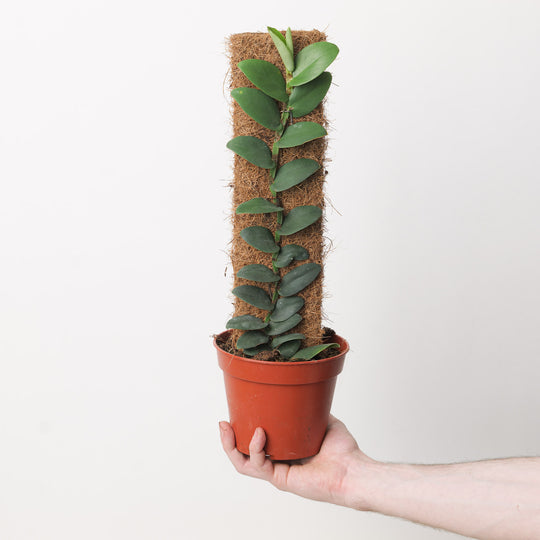
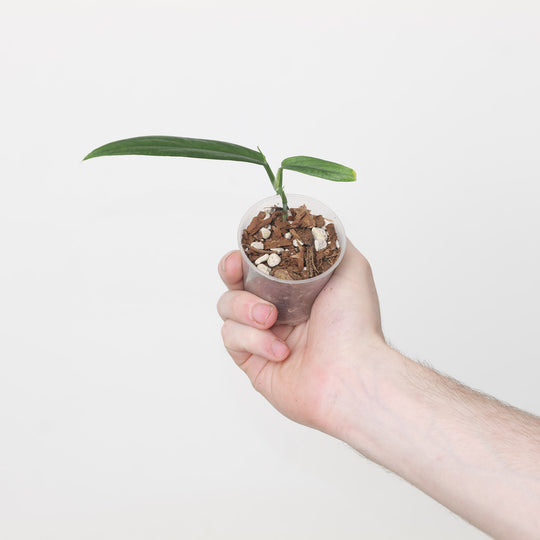
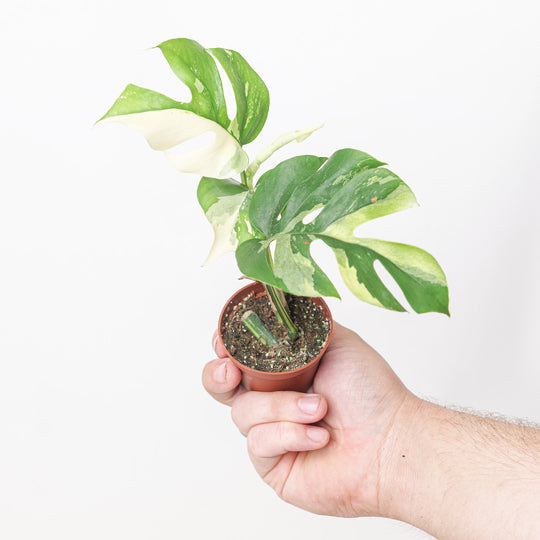
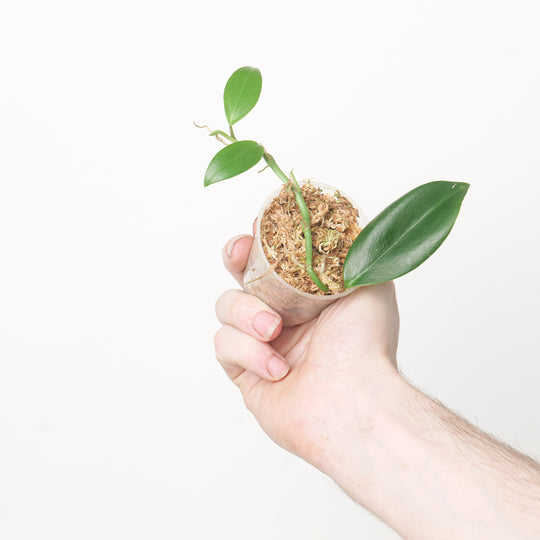
About Rhaphidophora
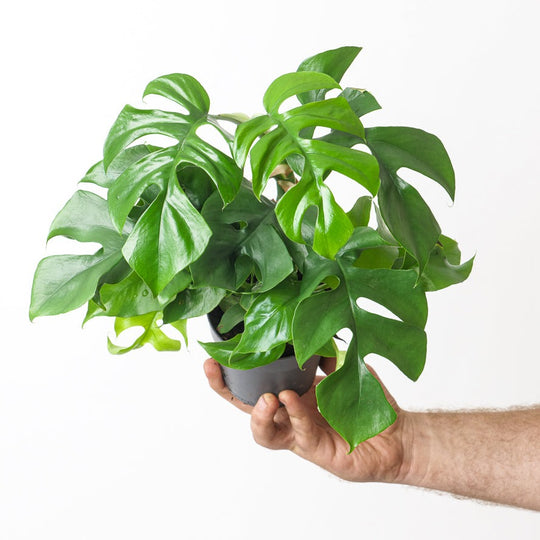
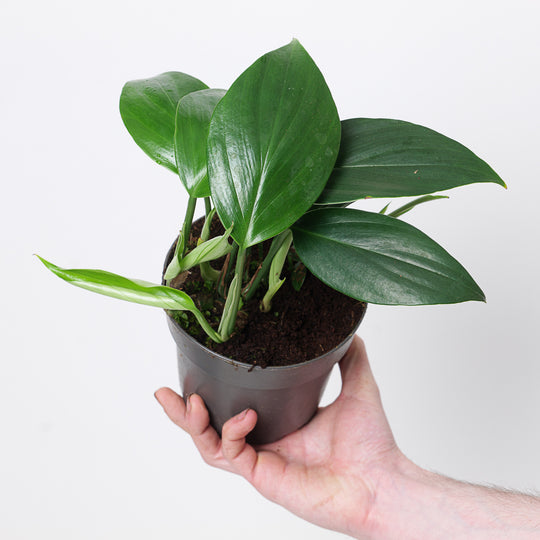
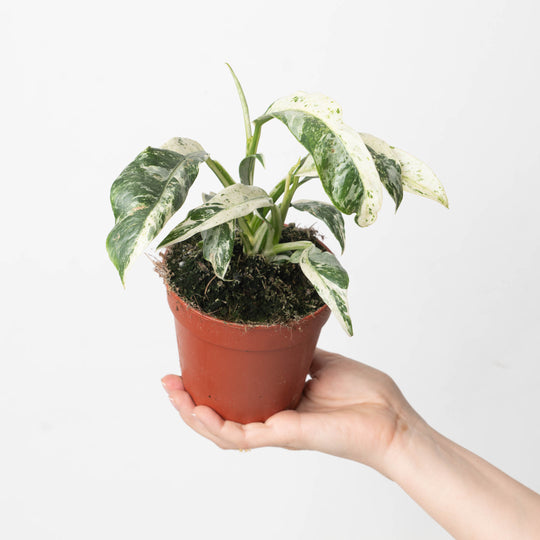
Rhaphidophora is a genus of around 100 species of tropical climbing aroids in the family Araceae, native to tropical Asia, the Pacific Islands, and parts of Africa. They are closely related to Monstera and Epipremnum (pothos) and, like them, are epiphytes in the wild, climbing up trees in search of light. The genus gained widespread houseplant popularity through Rhaphidophora tetrasperma, which produces deeply split leaves with a striking resemblance to a small Monstera deliciosa.
Light Requirements
Bright, indirect light produces the fastest growth and the most pronounced leaf fenestration. Rhaphidophora will tolerate lower light but growth slows considerably and fenestration (leaf splitting) becomes less dramatic. Avoid direct sun, which can scorch the thin, delicate leaves. An east or north-west facing position in a bright room is ideal.
Watering
Water when the top 3-4 cm of compost has dried out. Rhaphidophora prefer consistently moist but never waterlogged compost. Overwatering leads to root rot and yellowing leaves; underwatering causes drooping and slowed growth. In winter, reduce watering frequency to match the slower growth rate.
Support and Training
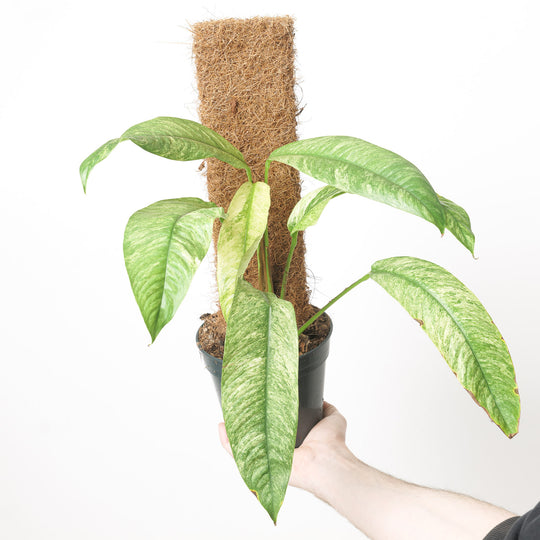
Rhaphidophora are natural climbers and grow most vigorously when given something to climb. A moss pole is ideal as it provides aerial roots with a surface to attach to, encouraging larger, more mature leaves. A bamboo cane or trellis also works well. Train stems upward by gently securing them with plant ties, redirecting growth as needed.
Humidity and Temperature
Temperatures of 16-27 degrees C suit rhaphidophora well. They appreciate moderate to high humidity: mist regularly, use a pebble tray, or group with other tropical plants. Avoid cold draughts and temperatures below 12 degrees C.
Feeding and Repotting
Feed monthly during spring and summer with a balanced liquid fertiliser. Rhaphidophora grow quickly and may need repotting annually into a pot one size larger. Use a well-draining, peat-free compost enriched with perlite for good aeration. Spring is the best time to repot.
Propagation
Rhaphidophora propagate readily from stem cuttings. Take a cutting below a node (the bump on the stem where a leaf attaches), ensuring at least one node and ideally a small aerial root are present. Place in a jar of water or directly into moist perlite until roots develop, then pot into compost. Cuttings typically root within 3-6 weeks in warm conditions.