Pink Houseplants


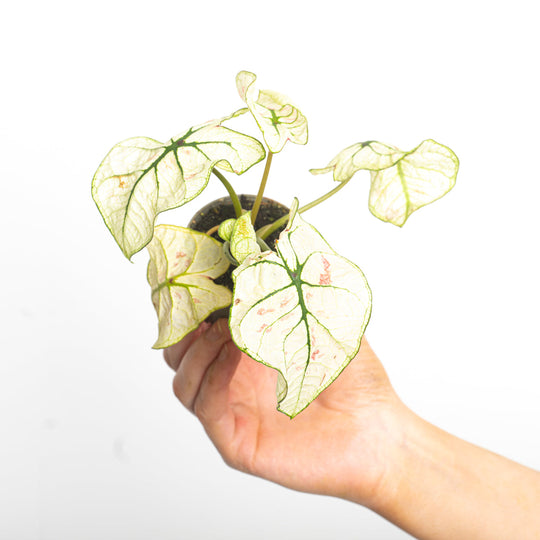
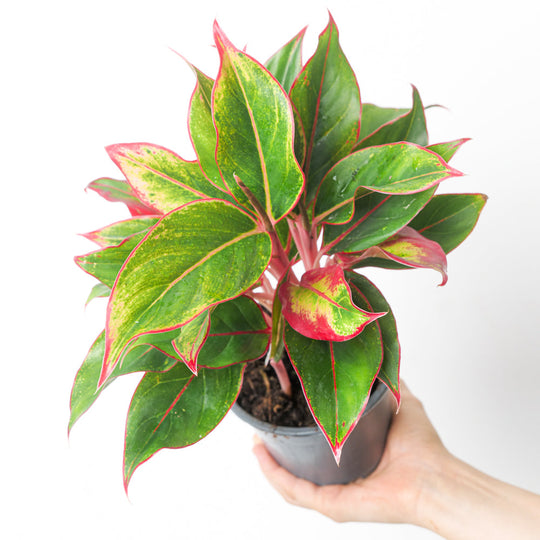
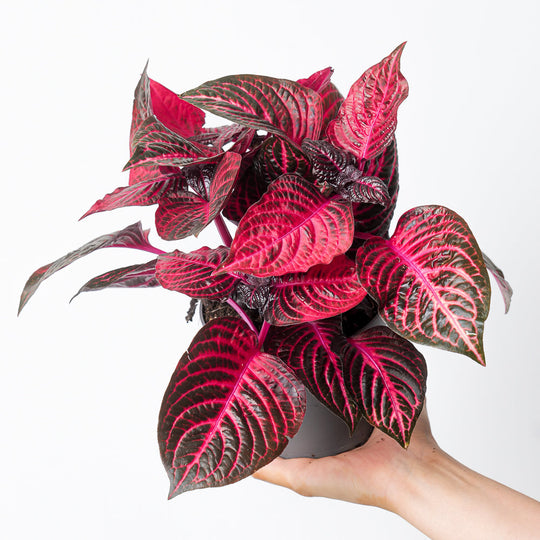
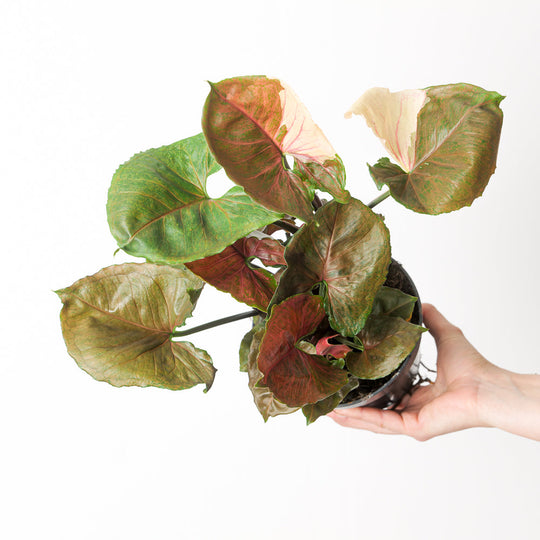
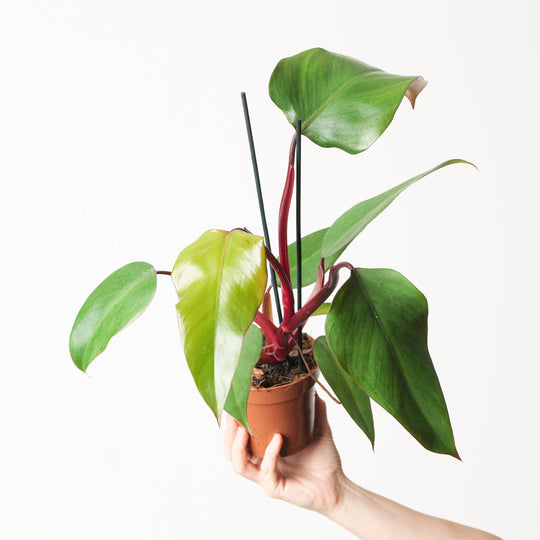
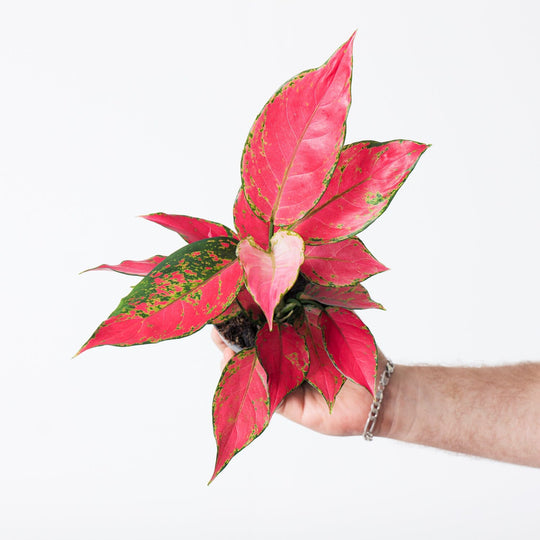
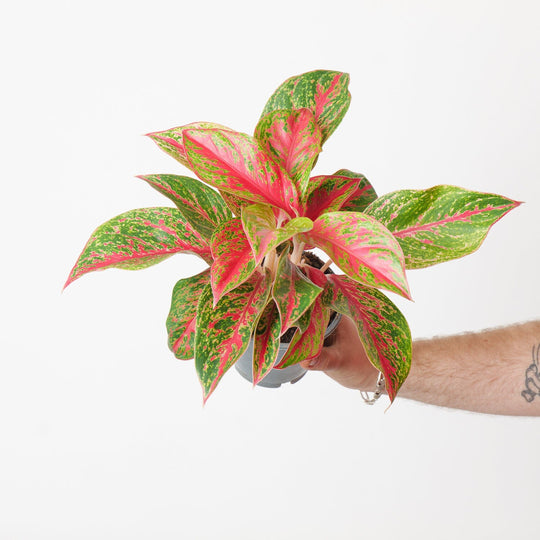
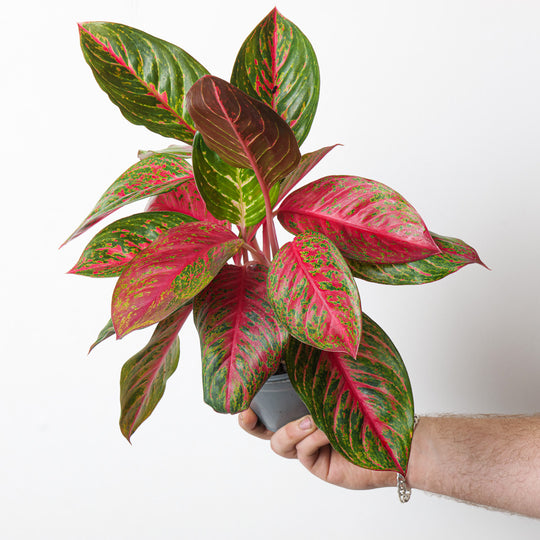
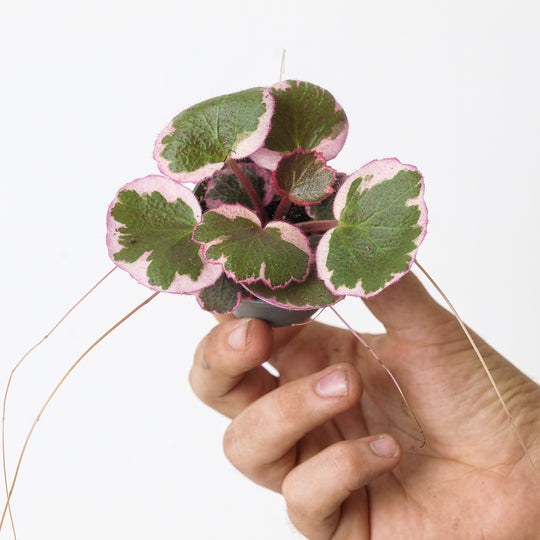
Pink houseplants add a bold pop of colour to any indoor collection. From the vivid pink leaves of Aglaonema varieties like Aglaonema 'Pink Leopard' and Aglaonema Flamingo to the soft blush tones of Caladium and Syngonium, there is a pink plant for every taste and light level.

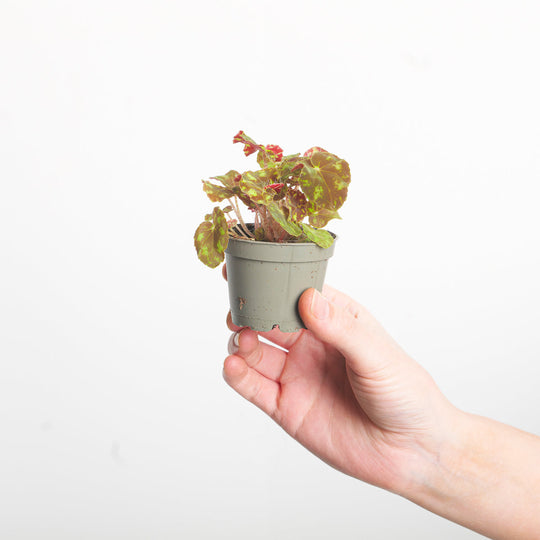
Our collection includes over 90 pink-toned species, spanning easy-care options for beginners through to rarer collector varieties. Explore pink-striped Calathea 'Crimson', the dramatic stems of Alocasia 'Pink Dragon', and colourful Begonia species with pink-splashed foliage.

94 products

    94 products
    Aechmea fasciata | Urn Plant 15cm Plants GrowTropicals
    Silver Urn Plant

    Aechmea fasciata | Urn Plant

    🍘 Flowering
    £21.99
    1
    Cryptanthus bivittatus 5.5cm Pale Pink Plants GrowTropicals

    Cryptanthus bivittatus

    £5.99
    1
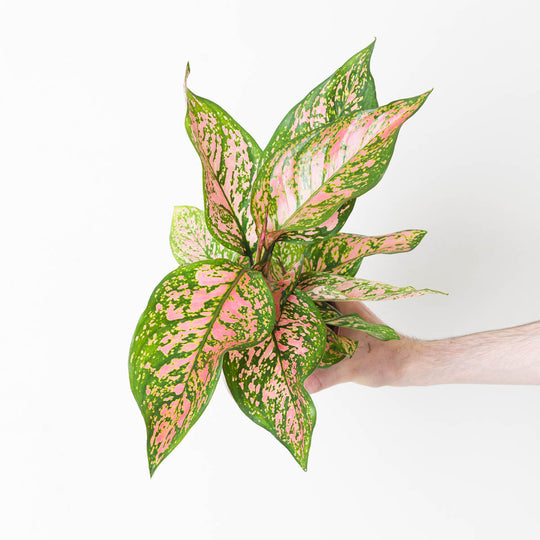
    Aglaonema 'Salmon Fantasy' Plants GrowTropicals
    Chinese Evergreen

    Aglaonema 'Salmon Fantasy'

    £19.99
    1
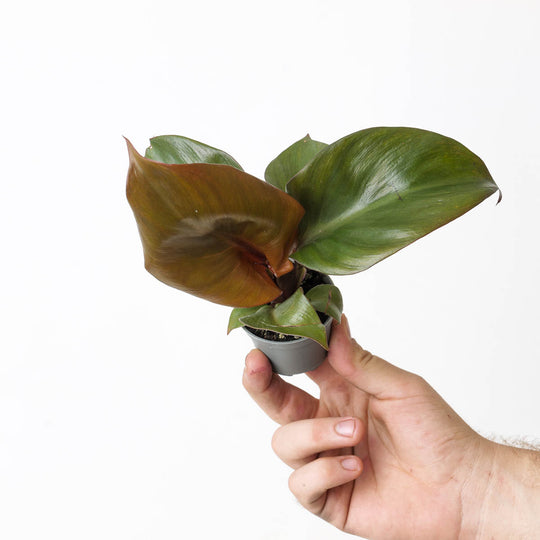
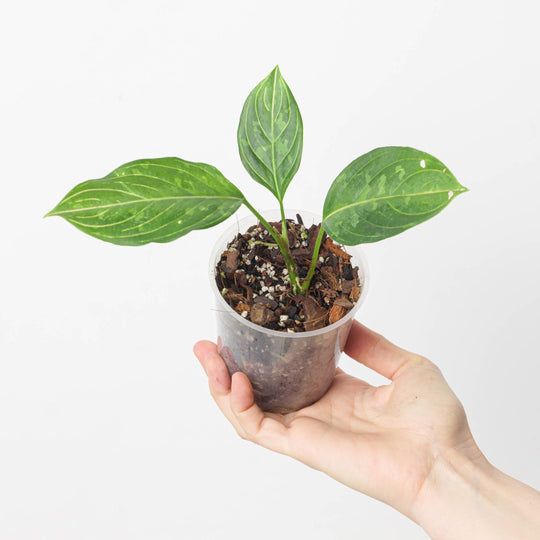
    Rhodospatha sp. 'Pink' 9cm Plants GrowTropicalsSale

    Rhodospatha sp. 'Pink'

    £49.99 £59.99
    1

    Your Guide to Pink Houseplants

    Why Choose Pink Houseplants?

    Pink houseplants have become some of the most sought-after indoor plants in recent years, and for good reason. They bring warmth, personality, and visual interest to a collection in a way that all-green plants cannot. Whether you prefer subtle blush tones or vivid magenta, there is a pink plant to suit your style and your space.

    Popular Pink Plant Varieties

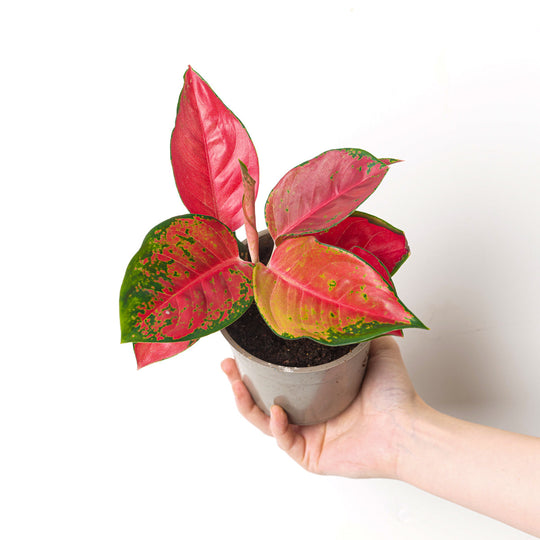
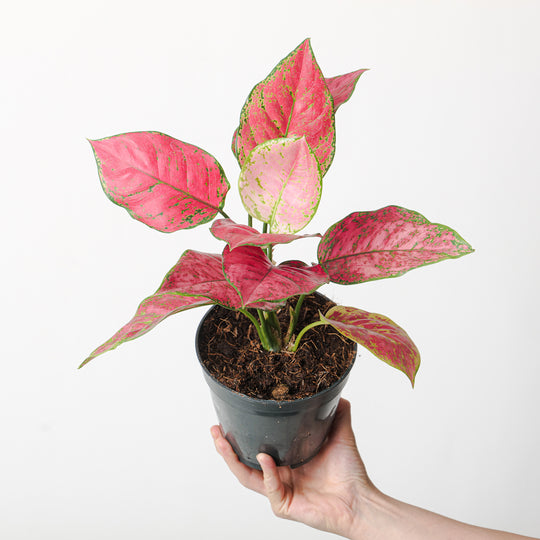
    Aglaonema (Chinese Evergreens) are some of the most reliably colourful pink houseplants. 'Pink Leopard' features speckled pink and green leaves, while Aglaonema Flamingo offers striking all-pink foliage. They are also among the easiest pink plants to care for, tolerating lower light better than most colourful species.

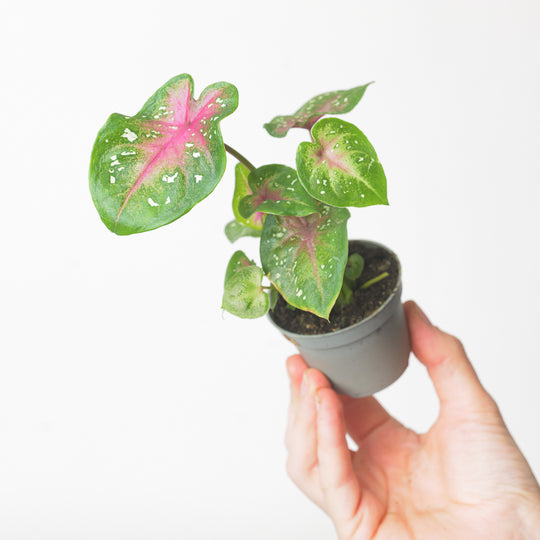
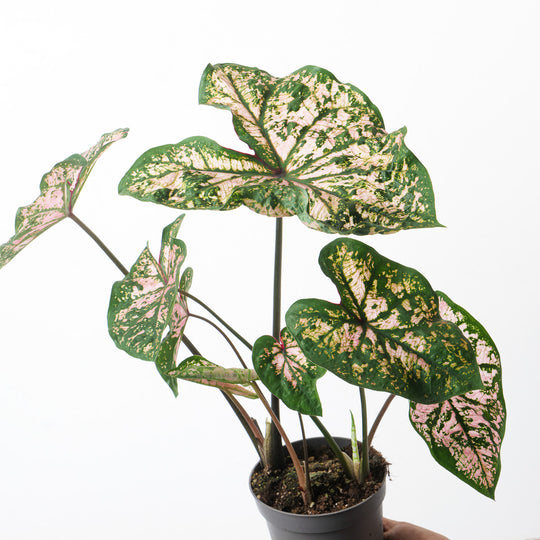
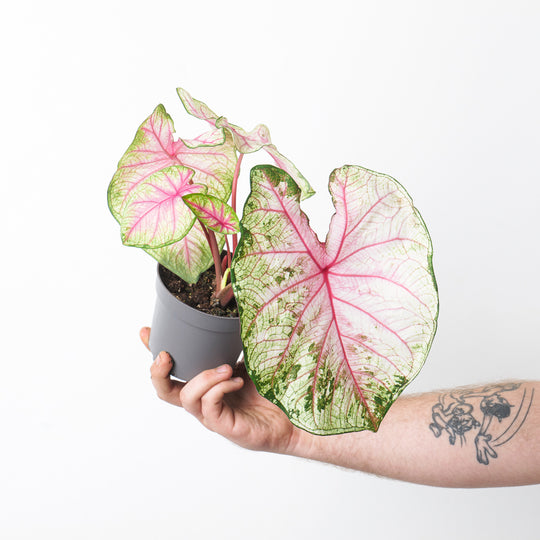
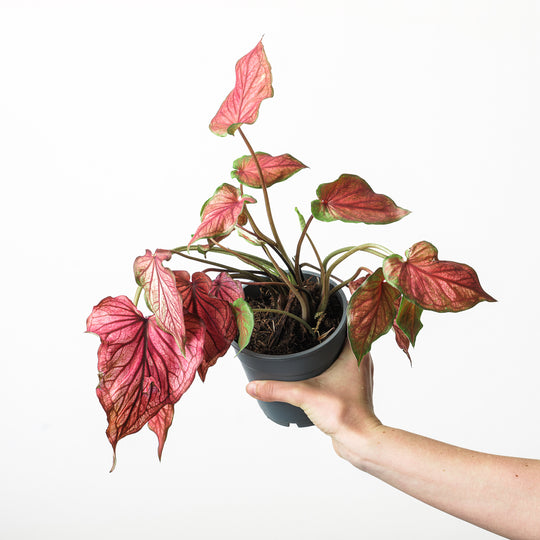
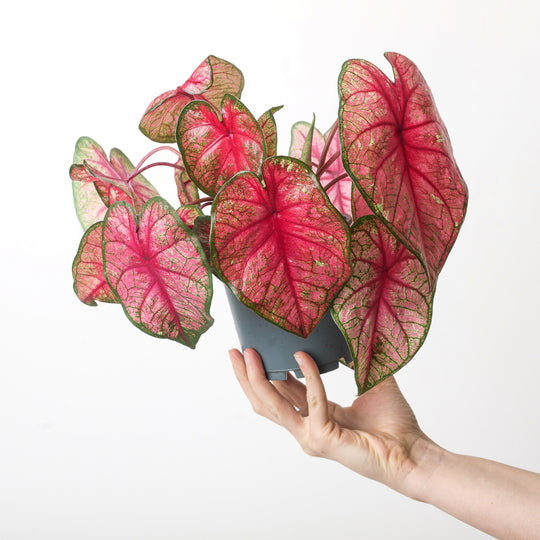
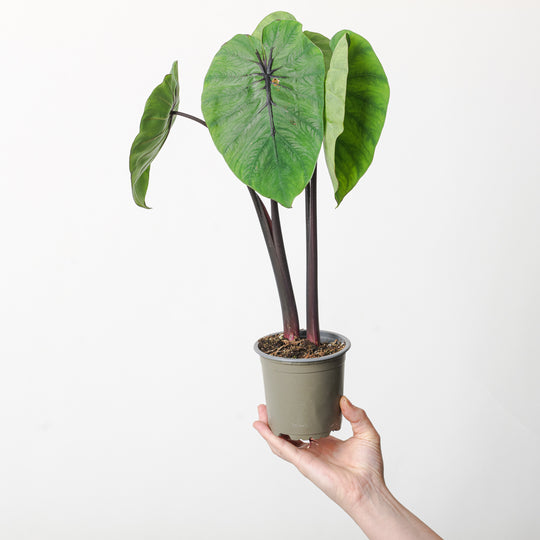
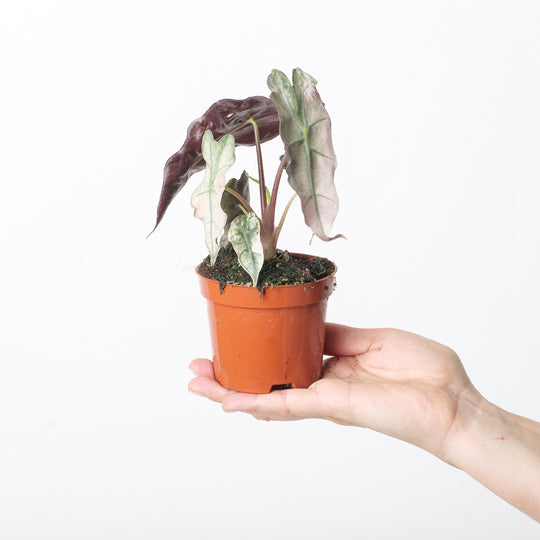
    Caladium produce some of the most dramatic pink foliage of any houseplant, with large, paper-thin leaves in shades from pale pink to deep rose. Syngonium offer compact, arrow-shaped leaves with pink tones that deepen in brighter light. Alocasia 'Pink Dragon' adds a structural element with its pink-tinged stems and dramatic leaf shape.

    Caring for Pink Houseplants

    Most pink houseplants need brighter light than their all-green counterparts to maintain their colour. The pink pigment in leaves means less chlorophyll, so these plants rely on good light to photosynthesise effectively. Bright indirect light is ideal for most species.

    Water when the top 2 to 3 cm of compost feels dry. Feed every two to four weeks with a balanced liquid fertiliser during spring and summer. Avoid direct harsh sun, which can scorch delicate pink leaves. Humidity helps keep foliage looking fresh, especially for Caladium and Calathea.

    Pink Plants for Beginners

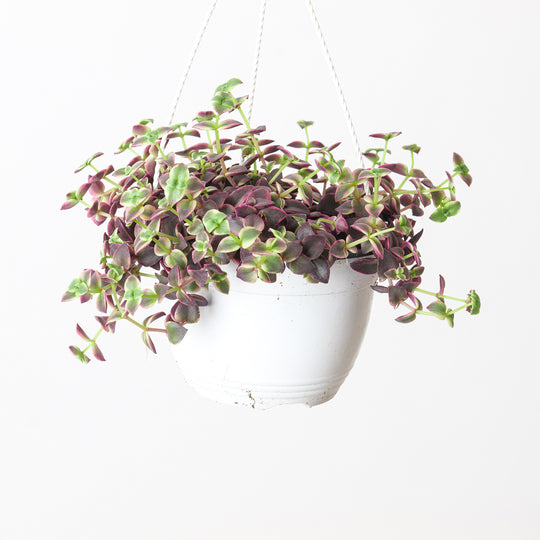
    Aglaonema 'Pink Leopard' and Aglaonema Flamingo are the easiest pink houseplants to grow. They tolerate lower light (though colour is best in brighter spots) and are forgiving of occasional missed waterings. Tradescantia Zebrina also offers pink and purple tones and is virtually indestructible.

    Pink Calathea and Prayer Plants

    Several Calathea varieties feature pink markings. Calathea 'Crimson' has deep pink undersides, while Calathea 'Cora' combines pink centres with dark green borders. These are also non-toxic to pets, making them a safe choice for pink-plant lovers with cats or dogs.

    Frequently Asked Questions

    Aglaonema 'Pink Leopard' and Aglaonema Flamingo are two of the most popular pink houseplants, offering vivid colour with minimal fuss. Caladium produce the most dramatic pink leaves of any houseplant, though they are seasonal growers.
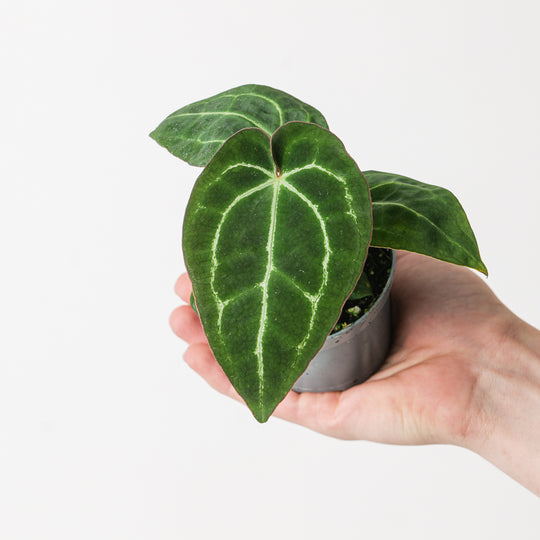
    For structural interest, Alocasia 'Pink Dragon' features pink-tinged stems and bold foliage. Syngonium offer compact, arrow-shaped leaves with pink tones that suit smaller spaces.

    Aglaonema varieties are the easiest pink houseplants to grow. They tolerate a range of light conditions, recover well from occasional neglect, and maintain their colour without demanding bright light. 'Pink Leopard' is a particularly forgiving choice.

    Tradescantia Zebrina is another easy option with pink and purple tones. It grows quickly, roots easily from cuttings, and thrives in most indoor conditions.

    Pink houseplants generally need brighter light than all-green varieties to maintain their colour. Place in bright indirect light and avoid dark corners, where pink tones will fade. Water when the top 2 to 3 cm of compost feels dry.

    Feed every two to four weeks with a balanced liquid fertiliser during spring and summer. Avoid direct harsh sun, which can scorch delicate pink foliage. Humidity helps, particularly for Caladium and Calathea varieties.

    Generally, yes. The pink colour in leaves comes from pigments that replace some of the green chlorophyll. With less chlorophyll, the plant has reduced capacity to photosynthesise, so it needs brighter light to compensate. Bright indirect light is ideal for most pink houseplants.

    In lower light, many pink plants will gradually produce more green in their new leaves as the plant tries to maximise photosynthesis. Aglaonema are the most tolerant of lower light among pink species.

    It varies by species. Calathea are non-toxic to cats and dogs, making pink varieties like 'Crimson' and 'Cora' safe choices. Most Aglaonema contain calcium oxalate crystals and are mildly toxic if chewed.

    Always check individual product pages for specific pet safety information. If you have curious pets, stick to Calathea for your pink plant fix, or keep other species on high shelves out of reach.

    The most common reason for a pink plant reverting to green is insufficient light. When a plant cannot photosynthesise enough with its pink (chlorophyll-poor) leaves, it compensates by producing more chlorophyll, turning new growth greener.

    Move the plant to a brighter spot with good indirect light. Avoid direct sun, which scorches rather than helps. Consistent bright conditions should encourage the plant to produce colourful new growth again. Patience is key, as existing green leaves will not turn pink.