Caladium


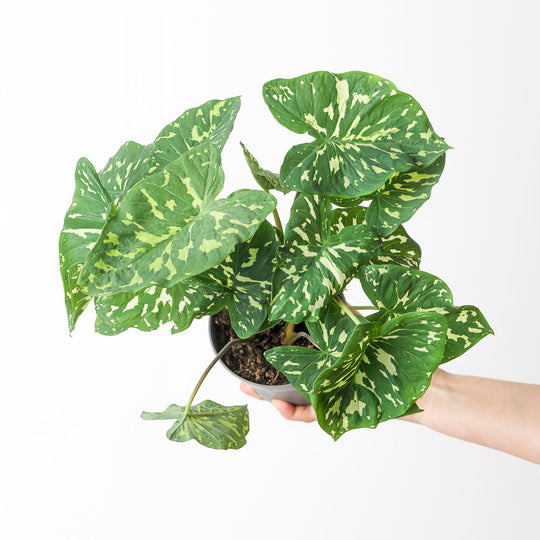
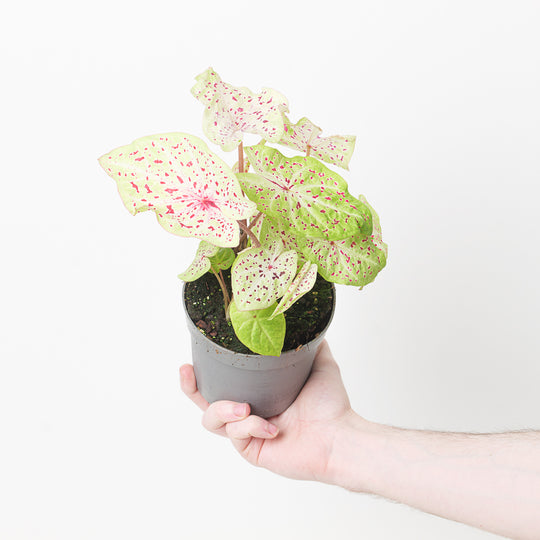
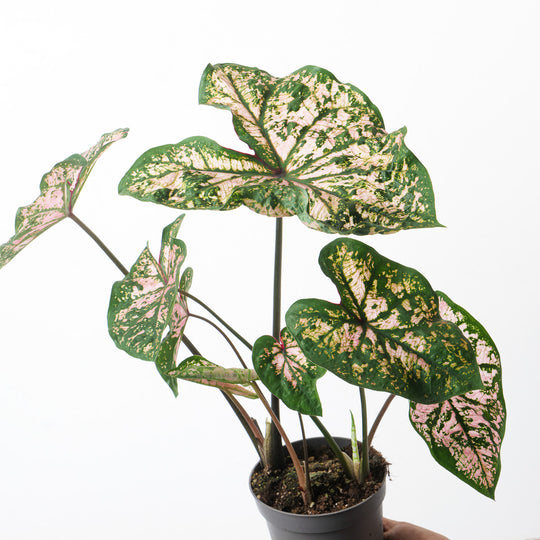
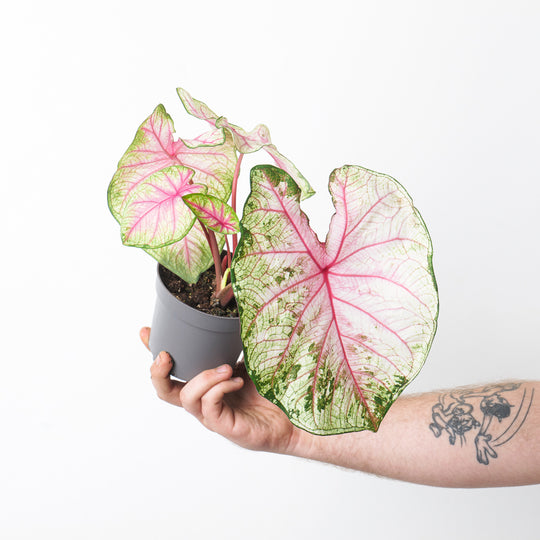
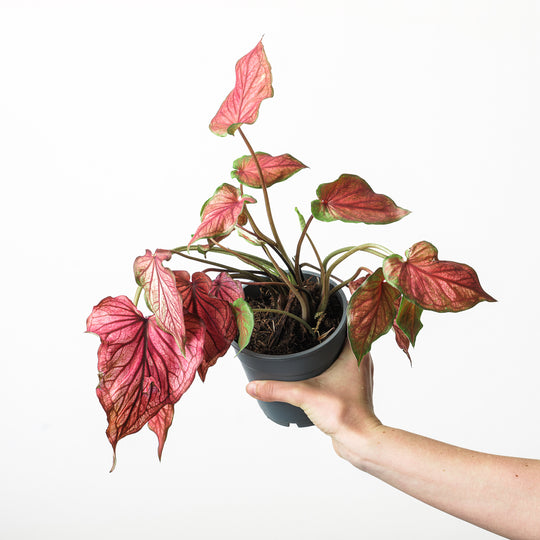
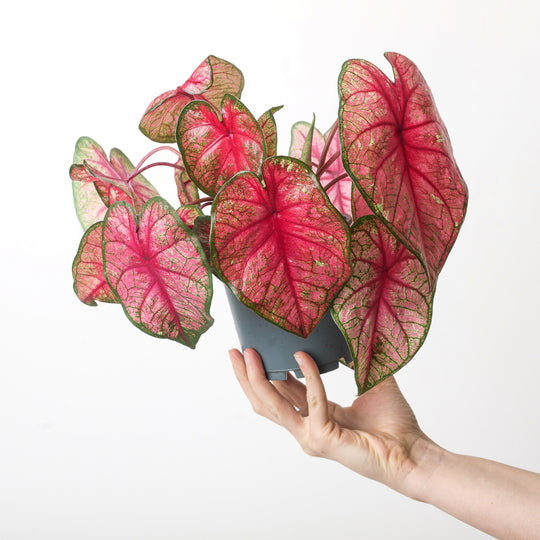
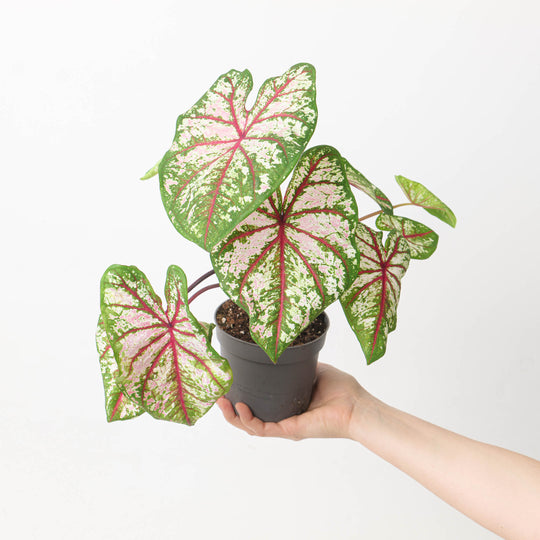
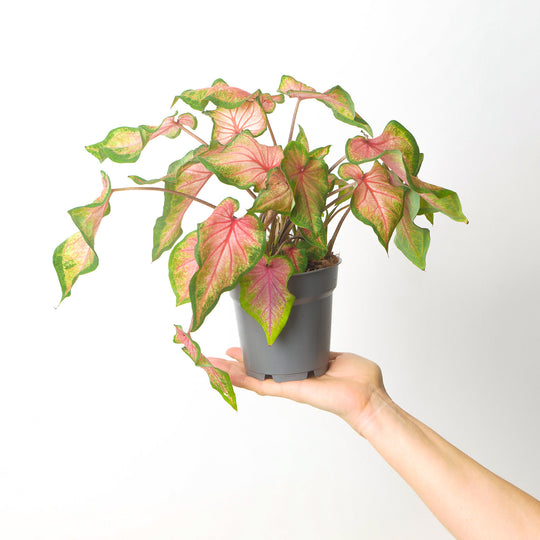
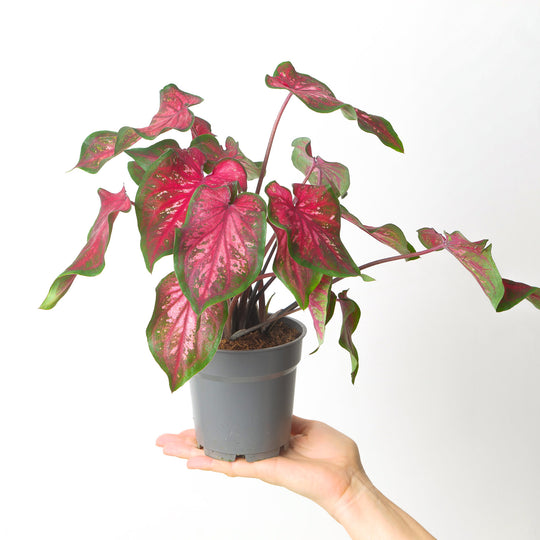
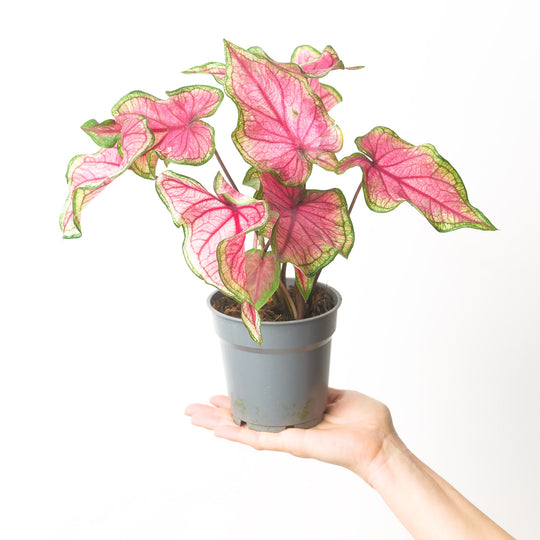
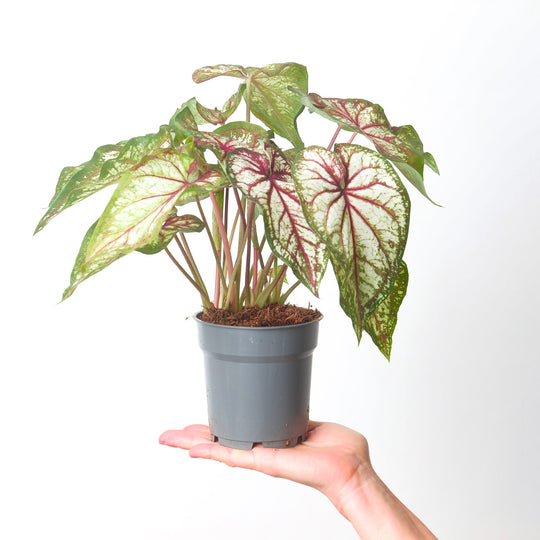
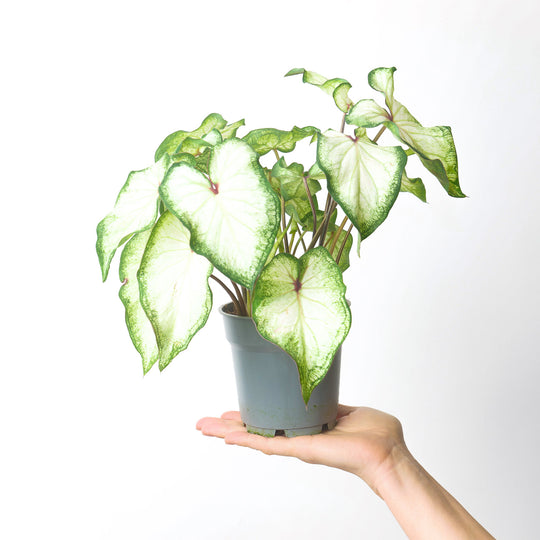
Caladium are among the most spectacularly coloured foliage plants in the world. Native to tropical South America, these tuberous plants produce heart-shaped or arrow-shaped leaves painted in extraordinary combinations of white, pink, red, and green - some translucent and paper-thin, others with vivid contrasting veins. They are seasonal plants, growing vigorously through spring and summer before dying back to their corms in autumn. With the right warmth and moisture, they resprout reliably each season, producing ever more spectacular leaves as the corm matures.

At Grow Tropicals we stock Caladium in a rotating selection of named varieties, all chosen for their exceptional colour and pattern.

27 products

    27 products

    Caladium Plants: Care, Varieties & Growing Guide

    Why caladium are unlike any other houseplant

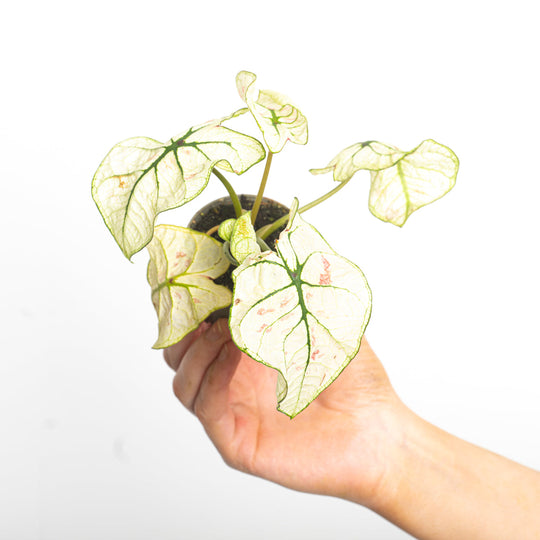
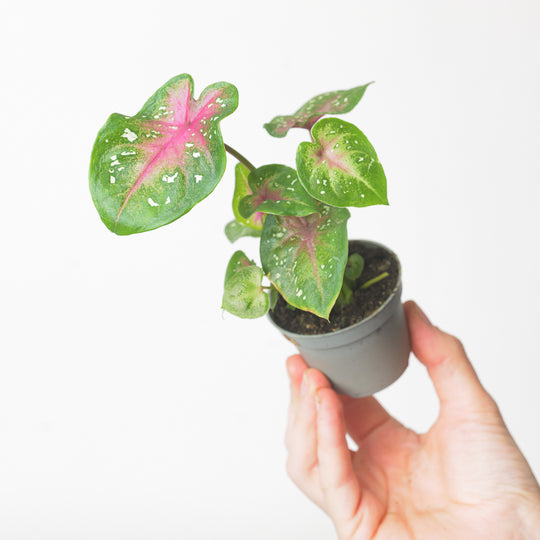
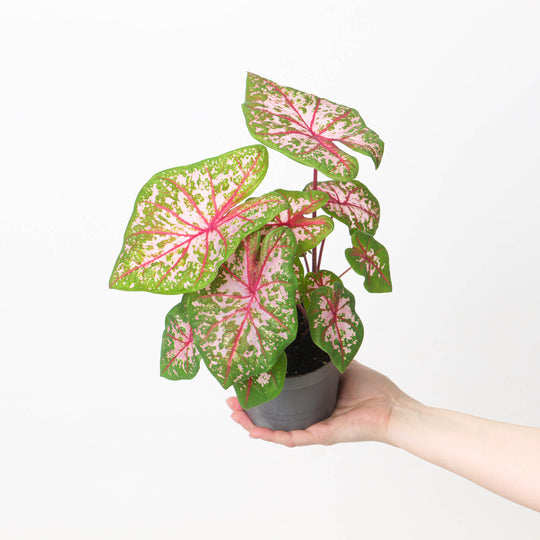
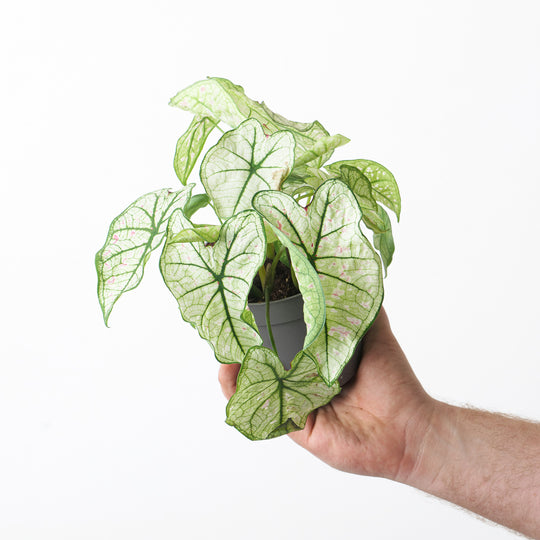
    No other houseplant offers quite the colour impact of a well-grown caladium. The leaves are unlike those of any other genus: thin enough in many varieties to be semi-translucent, so that backlit by a window they glow like stained glass. The colour combinations are extraordinary - white leaves with green veins and pink margins, red leaves with green edges, deep pink with silver-white zones, translucent white with vivid red veins. Multiple plants in a group produce an effect that is genuinely breathtaking. They are seasonal plants, but this rhythm of growth and dormancy is part of their appeal.

    How to care for caladium

    Caladium need warmth above all else - they will not tolerate temperatures below 15 degrees Celsius and prefer 20-28 degrees during the growing season. Give them bright, indirect light: too much direct sun bleaches and scorches the delicate leaves, while too little causes the colours to fade. Water when the top inch of compost is dry, keeping the compost moderately moist but well-drained. Feed every two weeks from spring to late summer with a balanced liquid fertiliser. As temperatures cool in autumn, the leaves will naturally yellow and die back - this is normal. Reduce watering and allow the plant to go dormant.

    Overwintering caladium corms

    When caladium die back in autumn, lift the corms from the compost, brush off the soil, and store in dry peat or paper bags at 15-20 degrees Celsius - never below 12 degrees, as cold storage kills the corms. In spring (from March onwards), repot the corms in fresh, slightly moist compost with the growing tip just below the surface, and provide warmth (ideally 20-25 degrees) and humidity to trigger regrowth. New shoots emerge within two to four weeks in the right conditions.

    Popular varieties

    Caladium 'White Queen' has white leaves with red veins and green margins - one of the most elegant varieties. 'Candidum' is pure white with fine green veining. 'Florida Red Ruffles' has deep red, ruffled leaves with narrow green margins. 'Pink Beauty' has pink-blotched white leaves with green edging. 'Miss Muffet' is a compact variety with lime-green leaves dotted with red spots. The variety selection is vast and constantly updated with new hybrids offering ever more vivid and unusual combinations.

    Frequently Asked Questions

    Caladium need warmth (above 15 degrees, ideally 20-28 during growth), bright indirect light, consistently moist but well-drained compost, and high humidity. Feed every two weeks in the growing season. When leaves die back in autumn, reduce watering and allow the corm to go dormant. Store corms above 12 degrees over winter and restart in spring.

    Fading colour in caladium leaves is most commonly caused by insufficient light. Move to a brighter position with more indirect light - this intensifies the pink, red, and white pigmentation. Direct harsh sun causes bleaching and scorching of the thin leaves. Nutrient deficiency (insufficient feeding) can also cause pale, washed-out colouring - feed every two weeks with a balanced fertiliser during the growing season.

    Yes - caladium are seasonal plants that naturally die back to their corms in autumn as temperatures cool and day length shortens. This dormancy is a normal part of their growth cycle, not a sign that the plant has died. Reduce watering as the leaves yellow, lift the corms once fully died back, and store dry and warm (above 12 degrees) until spring.
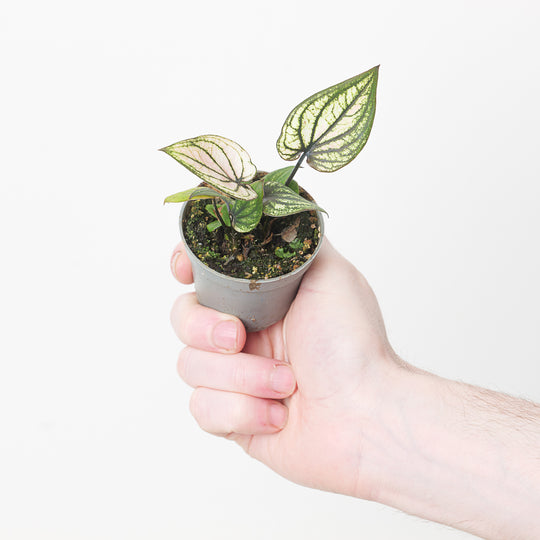
    In late February to April, repot the stored corms in fresh, slightly moist compost with the growing tip just below the surface. Place in a warm position (20-25 degrees Celsius) and keep the compost barely moist until shoots appear. Once leaves are visible, move to a bright, warm position and resume normal watering and feeding. New growth typically emerges within two to four weeks in the right warmth.

    No - caladium are toxic to cats, dogs, and humans. They contain calcium oxalate crystals throughout the plant, which cause intense burning and swelling of the mouth and throat if chewed or ingested. Keep caladium completely out of reach of pets and children. Contact a vet immediately if a pet has chewed any part of the plant.
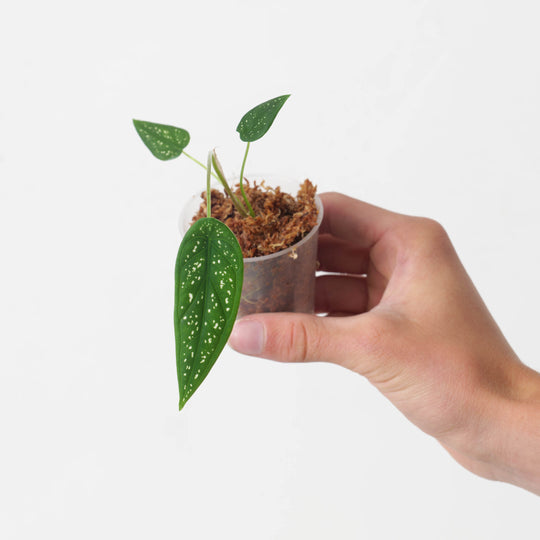
    Caladium prefer bright, indirect light for the best colour development. They will tolerate moderate shade but the leaf colours tend to fade and growth becomes less vigorous. Very low light significantly reduces the vibrancy of the pink, red and white pigmentation. They cannot tolerate direct harsh sun, which scorches their delicate, thin leaves. A bright position away from direct sun is the ideal balance.