About the Lipstick Plant
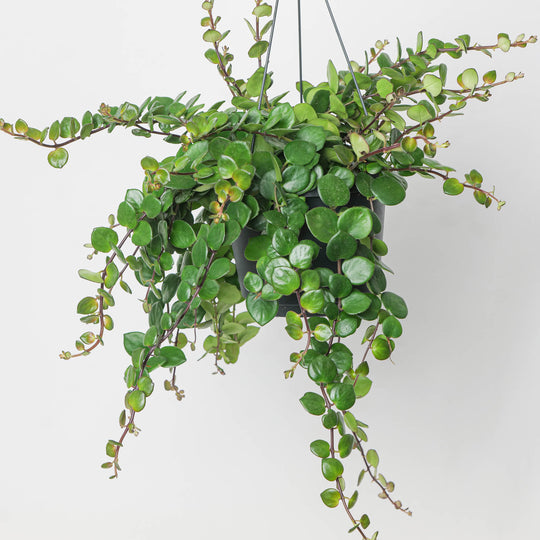
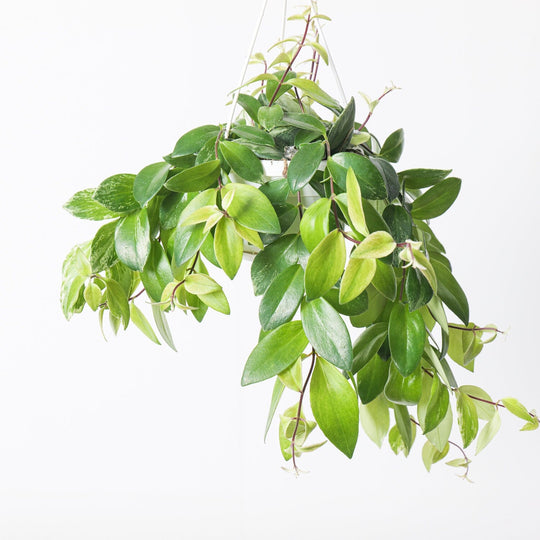
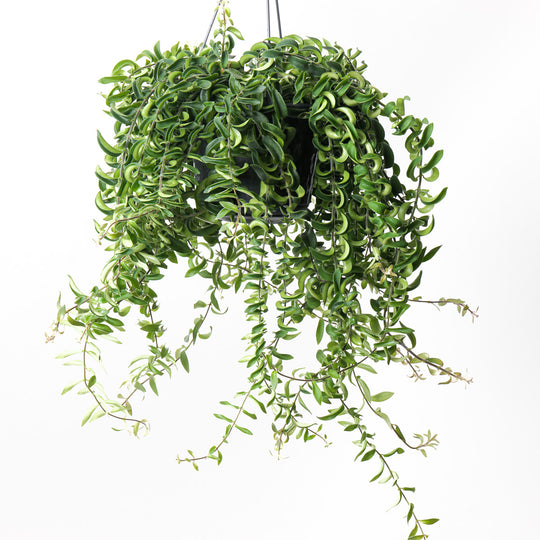
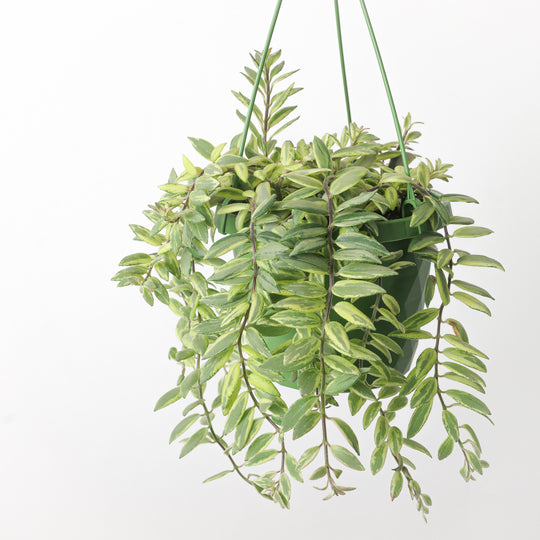
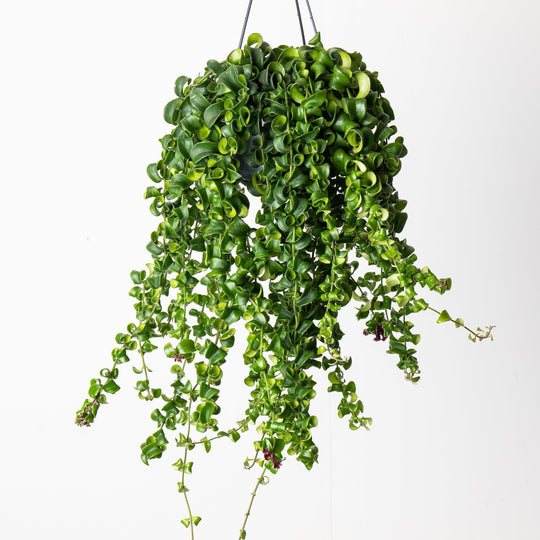
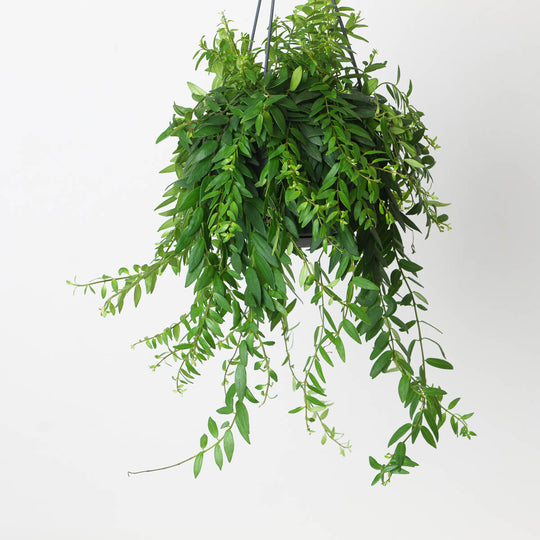
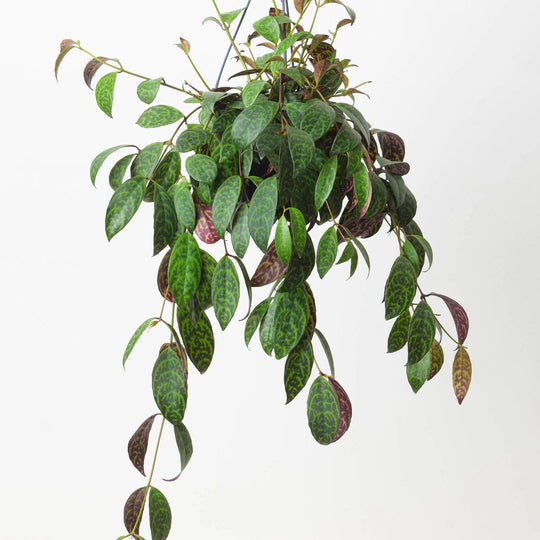
Aeschynanthus comprises over 150 species of tropical trailing plants from Southeast Asia, known collectively as lipstick plants for their distinctive tubular flowers that emerge from dark, enclosed calyces. The most popular houseplant varieties produce vivid red or orange blooms and waxy, deep-green leaves on long, cascading stems.
Light Requirements
Bright, indirect light produces the best flowering. An east or west-facing windowsill is ideal. Direct afternoon sun can scorch the waxy leaves, but too little light will prevent flowering entirely. If your lipstick plant rarely blooms, moving it closer to a light source is usually the solution.
Watering and Humidity
Keep the compost consistently moist during spring and summer, but never waterlogged. Allow the top centimetre of compost to dry before watering again. In winter, reduce watering significantly. Aeschynanthus enjoys humidity: mist the leaves regularly, use a pebble tray with water, or group with other plants to raise the ambient moisture level.
Feeding
Feed every two weeks during spring and summer with a balanced liquid fertiliser or a potassium-rich feed to encourage flowering. Reduce to monthly in autumn and stop entirely in winter. A brief cool, dry rest in late autumn (around 15 degrees C) helps initiate the next flowering cycle.
Temperature
Aeschynanthus prefers temperatures of 18-27 degrees C and dislikes cold draughts or temperatures below 12 degrees C. Keep away from exterior doors and unheated rooms in winter. They are not frost-hardy.
Pruning and Training
After flowering, trim stems back by a third to encourage bushy, fresh growth and a stronger display the following season. Aeschynanthus looks best grown in hanging baskets or elevated pots where the trailing stems can cascade naturally. Regular pruning prevents the plant from becoming bare and straggly at the base.
Propagation
Take stem tip cuttings of 10-15 cm in spring or summer. Remove the lower leaves, dip in rooting hormone, and insert into moist, perlite-rich compost. Cover with a plastic bag to retain humidity and place in a warm, bright spot. Roots typically develop within 4-6 weeks.