Kalanchoe


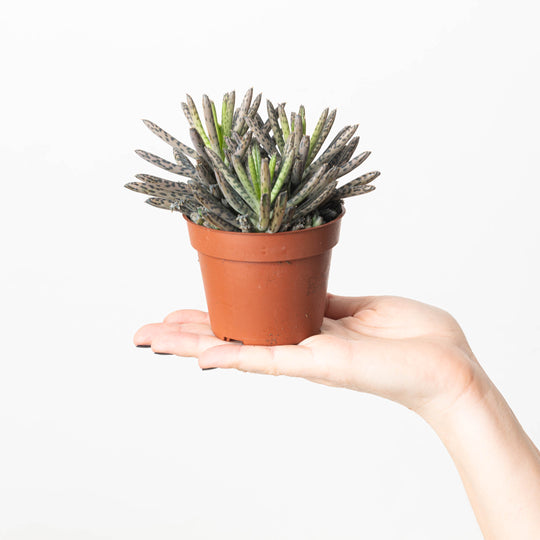
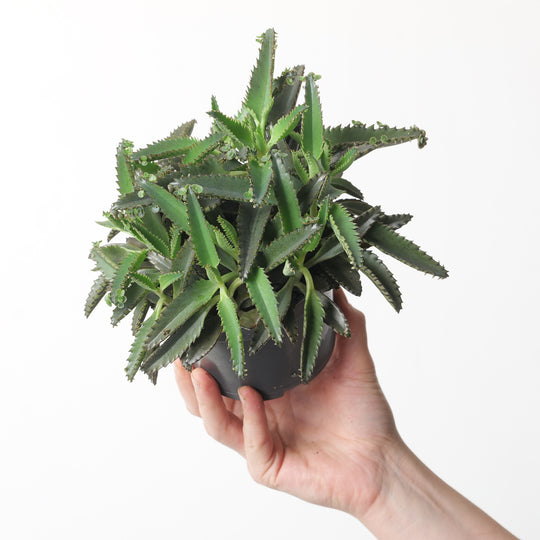
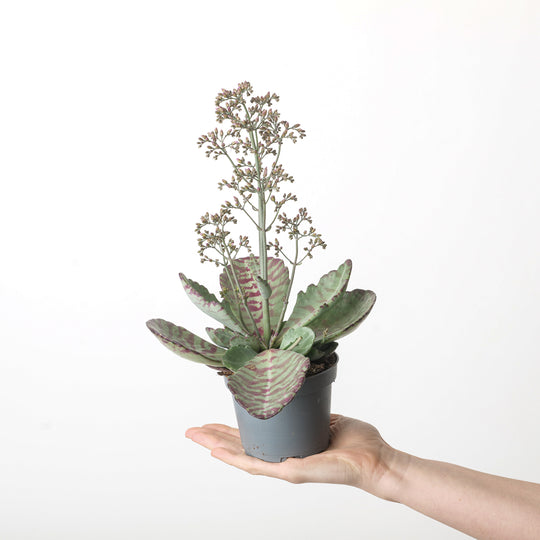
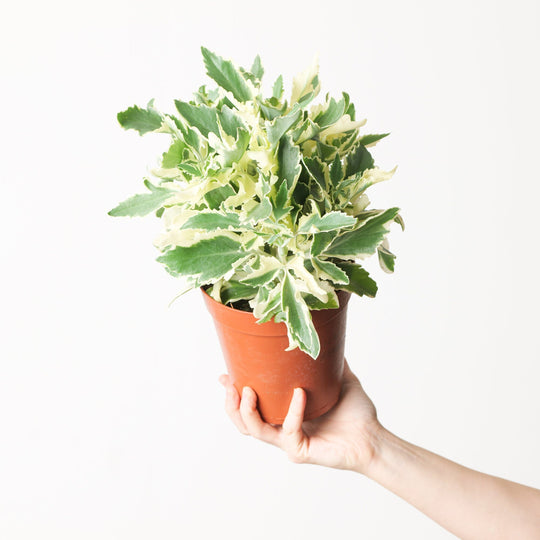
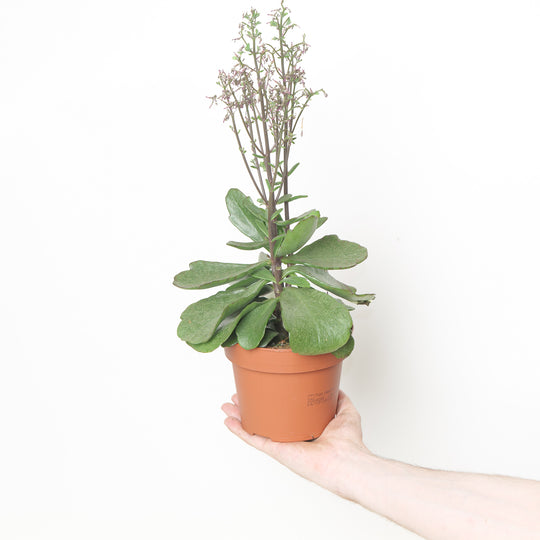
Kalanchoe are succulent plants from Madagascar and tropical Africa, grown both for their attractive fleshy foliage and their long-lasting clusters of small, bright flowers. The most widely grown is Kalanchoe blossfeldiana - the familiar florist's kalanchoe sold in supermarkets and garden centres across the UK every winter, with cheerful flowers in red, orange, yellow, pink, and white. But the genus also contains fascinating succulent species grown purely as foliage plants, including the extraordinary Kalanchoe tomentosa (panda plant) and the architectural Kalanchoe thyrsiflora (flapjack plant).

At Grow Tropicals we stock both flowering Kalanchoe and unusual succulent species, all grown to our high standards and dispatched with care.

6 products

    6 products

    Kalanchoe Plants: Care, Varieties & Reblooming Guide

    Kalanchoe blossfeldiana: the flowering kalanchoe

    Kalanchoe blossfeldiana is one of the best-selling flowering houseplants in the world. Its popularity is easy to understand: compact size, weeks of colourful flowers with no effort from the grower, and a naturally succulent constitution that means it tolerates dry compost far better than most flowering plants. The flowers cluster in dense heads above the thick, waxy, scallop-edged leaves and are available in an ever-expanding range of colours. With a cool, dark rest period after flowering, it can be encouraged to bloom again the following year.

    How to care for kalanchoe

    Kalanchoe need maximum light to flower well and to maintain compact, healthy growth. A south- or west-facing windowsill is ideal. Water thoroughly when the compost is dry to the touch, then allow it to dry out before watering again. Kalanchoe are succulents and will suffer in permanently wet compost. Deadhead spent flowers to keep the plant tidy and encourage further flower production. After the main flush of flowers, reduce watering and allow the plant to rest for four to six weeks before feeding to encourage reblooming.

    Getting kalanchoe to rebloom

    Like Christmas cacti and poinsettias, kalanchoe are short-day plants: they set flower buds in response to long nights. To encourage reblooming, give the plant a six-week period of long darkness (14 or more hours per night) from late summer into autumn by placing in a room with no artificial lights in the evening, or covering with a box. Then return to a warm, bright position and resume feeding. Flower buds should appear within a few weeks.

    Succulent kalanchoe species

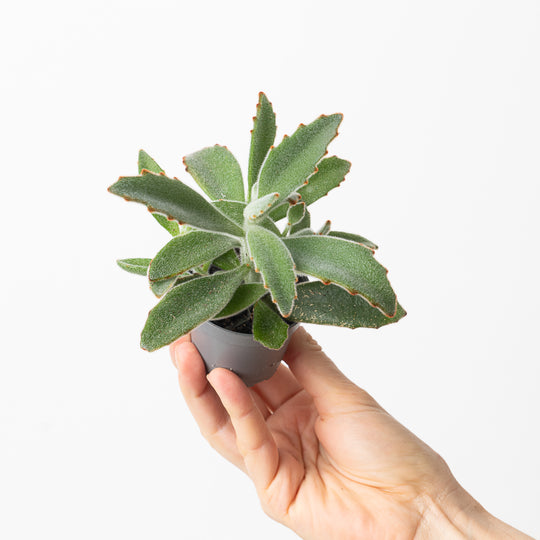
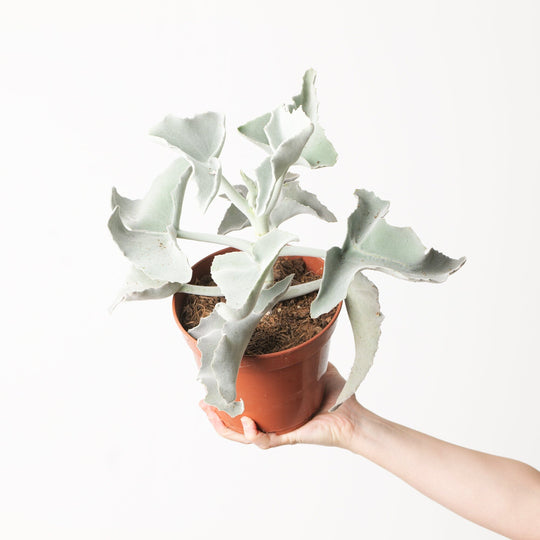
    Beyond the flowering types, the genus includes some remarkable succulent species. Kalanchoe tomentosa (panda plant or pussy ears) has thick, oval leaves covered in dense silvery felt with chocolate-brown tips - one of the most tactile and distinctive of all succulents. Kalanchoe thyrsiflora (flapjack plant or paddle plant) produces large, flat, paddle-shaped leaves arranged in a rosette that blushes vivid red at the edges in strong sunlight. Both species are grown for their foliage and share the genus's easy-care, drought-tolerant nature.

    Frequently Asked Questions

    Kalanchoe need bright light (south or west facing), infrequent watering (allow compost to dry completely between waterings), and minimal feeding. Deadhead spent flowers to prolong blooming. After flowering, rest the plant for four to six weeks with reduced watering before feeding to prepare it for reblooming. They are succulents and very tolerant of neglect.

    Kalanchoe are short-day plants that set buds in response to long, dark nights. After flowering, rest the plant for six weeks with reduced watering. Then give it six weeks of 14-hour dark nights (cover in the evening with a box or move to a dark room) to trigger bud set. Return to a bright, warm spot once buds appear, resume normal watering and feeding.

    Yellow leaves on kalanchoe are most often caused by overwatering. Kalanchoe are succulents and store water in their leaves - soggy compost leads to root rot and yellowing. Allow the compost to dry completely before watering again and ensure the pot has good drainage. Insufficient light and cold temperatures can also cause leaf yellowing.

    Yes - kalanchoe is toxic to cats and dogs. It contains compounds called bufadienolides that can cause vomiting, diarrhoea, and in rare cases cardiac issues if large quantities are consumed. Keep kalanchoe plants out of reach of pets and contact a vet if ingestion is suspected.

    Kalanchoe flowers are exceptionally long-lasting for a houseplant, typically staying in bloom for six to twelve weeks. Deadheading spent flower clusters as they fade helps prolong the display and encourages the remaining clusters to last longer. The overall flowering period can extend even further in cool, bright conditions.

    Kalanchoe blossfeldiana is the most common, grown for its long-lasting clusters of small flowers in many colours. Kalanchoe tomentosa (panda plant) is a foliage succulent covered in silver felt with brown tips. Kalanchoe thyrsiflora (flapjack plant) has large, flat paddle-shaped leaves that blush red in sunlight. All share drought-tolerant, succulent growth but have different appearances and uses.