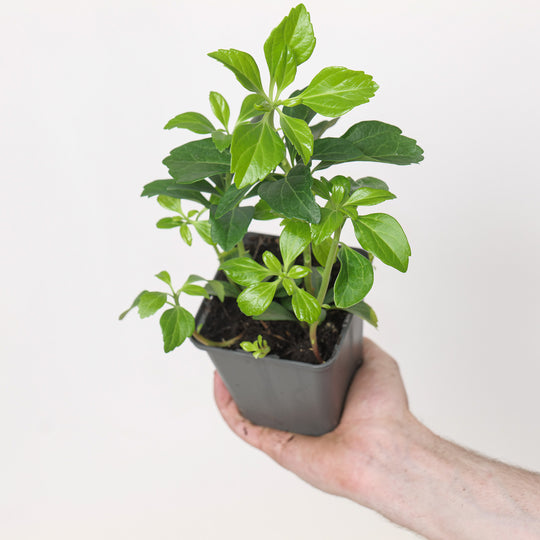
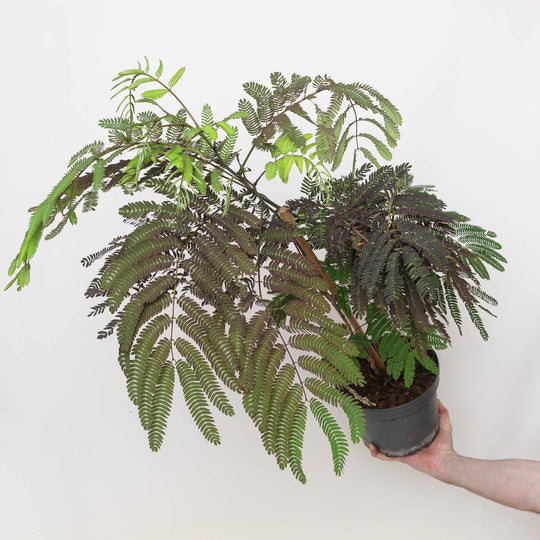
Ground Cover Plants
Low, spreading plants that knit together to cover the ground and help suppress weeds.
2 products
RHS Chelsea 2026 Gold Medalists 🏅
RHS Chelsea 2026 Gold Medalists 🏅
7 Day Live Arrival Guarantee Read more →
7 Day Live Arrival Guarantee Read more →
Low, spreading plants that knit together to cover the ground and help suppress weeds.
2 products
Ground cover plants do a simple, valuable job: they carpet bare soil so weeds cannot. A low, spreading planting knits together to form a living mulch that shades the ground, holds moisture and saves you hours of weeding, while covering the awkward spaces where taller plants leave gaps.
The plants here spread to fill horizontal space rather than reaching for height. Use them at the front of a border, between stepping stones, on a bank that is hard to mow, or under taller shrubs where little else will grow. Plant them a little closer than feels natural so they join up faster, and keep them weeded for the first year until the cover is complete. After that they largely look after themselves.
All grown for UK gardens and sent out well rooted.
The best ground cover plants are low, spreading and dense enough to cover soil and suppress weeds. This collection gathers hardy, good-looking options, including foliage plants that carpet shady ground where weeds are otherwise a problem.
Yes, that is one of their main jobs. A dense carpet of ground cover shades the soil and leaves little room for weeds to germinate. Clearing weeds before planting and mulching until the plants knit together gives the best results.
Many ground cover plants are ideal for shade, carpeting the difficult ground under trees and shrubs or in north-facing beds. Shade-loving ferns and foliage make excellent, weed-suppressing cover in spots where little else thrives.
Follow the spacing suggested for each plant, which balances quick cover against giving plants room to grow. Planting in groups and mulching between young plants helps them join into a continuous carpet faster.
Very. Once established and knitted together, ground cover suppresses its own weeds and needs little beyond the occasional tidy. It is one of the lowest-effort ways to keep a border or a difficult patch looking good.
Ground cover is the hardest-working planting there is. Low, spreading plants knit together to cover bare soil, suppress weeds, hold moisture and tie a border together, all with very little effort from you. This collection gathers hardy, good-looking ground cover plants, including foliage that thrives in the shady spots where weeds otherwise take over.
Ground cover is not just for borders. Spilling over the edge of a pot, softening the gaps between paving or carpeting a small bed, these plants add a finished, lush look to a patio or courtyard. In a container they make a neat, weed-free underplanting for a taller specimen.
In a border, ground cover does the job of mulch and looks far better, filling the space between larger plants so weeds cannot. Plant in groups and let them grow together into a continuous carpet, and a once-bare patch becomes low-maintenance and green.
Clear weeds first, plant into improved soil at the spacing suggested, and water well while plants knit together. A mulch between young plants helps until they cover the ground themselves. After that, ground cover is about as low-effort as gardening gets.
Sign up and save
Get 10% off your first order and be first to hear about restocks and offers
Gifting has never been easier
Perfect if you're short on time or are unable to deliver your gift yourself. Enter your message and select when to send it.