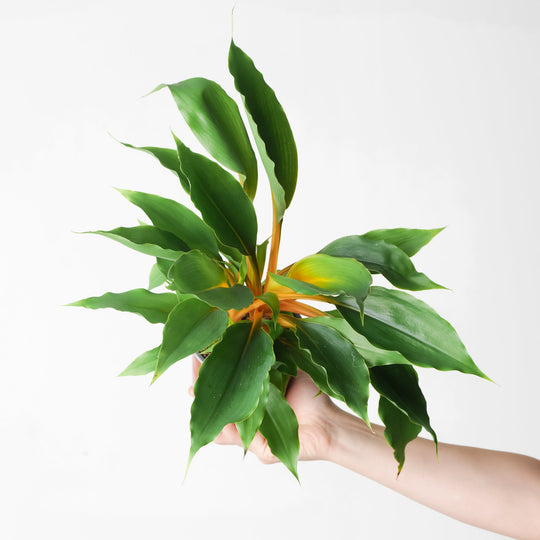
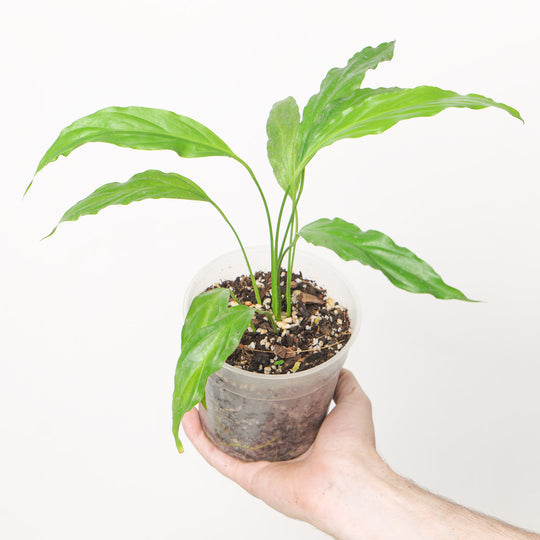
NASA's 1989 Clean Air Study set out to understand whether plants could help improve air quality aboard space stations. The results identified a range of common tropical houseplants capable of absorbing volatile organic compounds including formaldehyde, benzene, and xylene in controlled conditions. The collection you are browsing brings together the most notable plants from that original research, all of which happen to make beautiful, easy-care houseplants in their own right.
What the science actually says
The honest picture is more nuanced than the headlines suggested. NASA's experiments were conducted in sealed chambers with pollutant concentrations far higher than those found in a typical home or office. A widely cited 2019 review in the Journal of Exposure Science and Environmental Epidemiology found that to achieve meaningful air cleaning in a real room, you would need between 10 and 1,000 plants per square metre. That is a lot of plants. What is genuinely supported by research is that plants contribute to indoor humidity, are associated with reduced stress and improved mood, and make spaces feel more welcoming. For many people, that is more than enough reason to fill their home with them.
Plants from the original NASA study
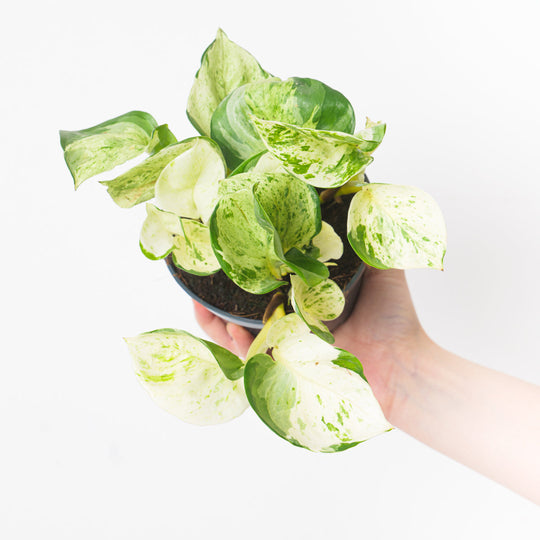
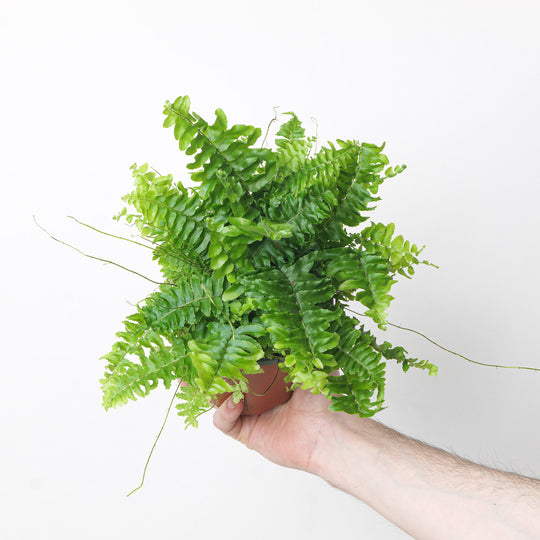
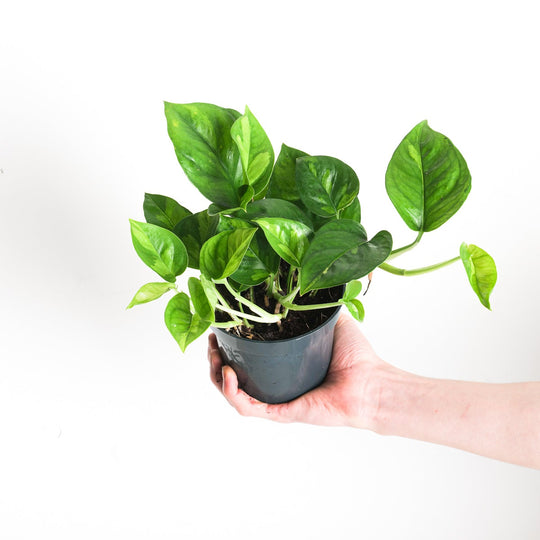
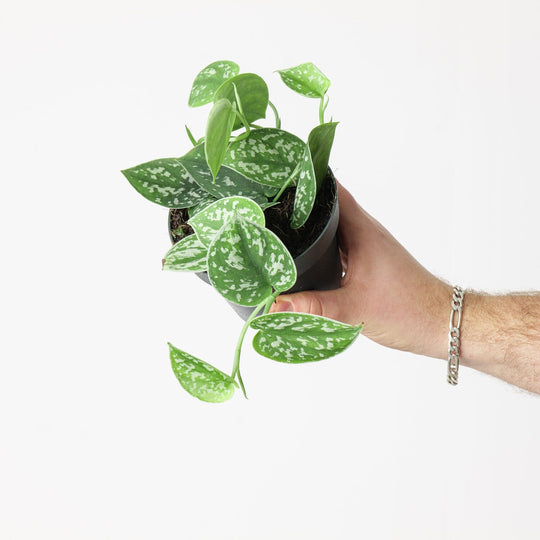
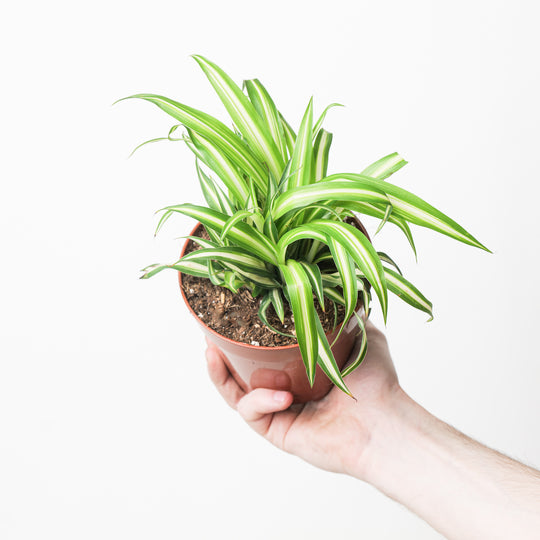
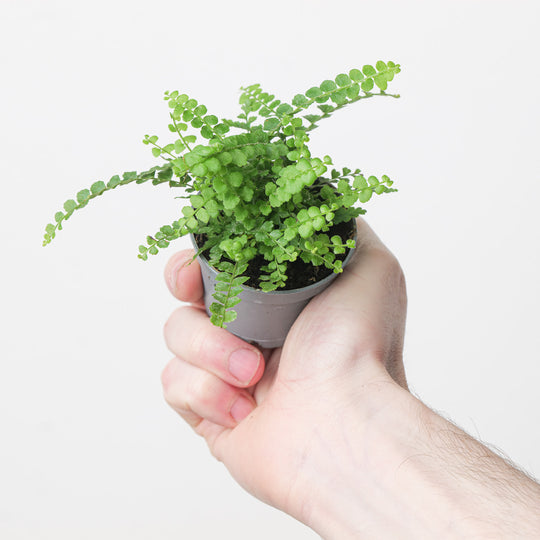
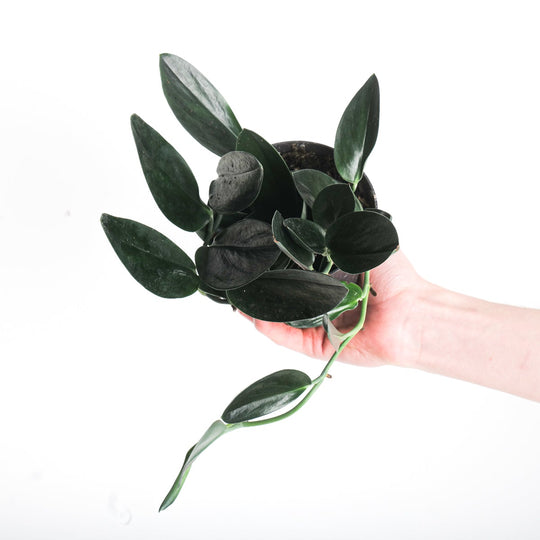
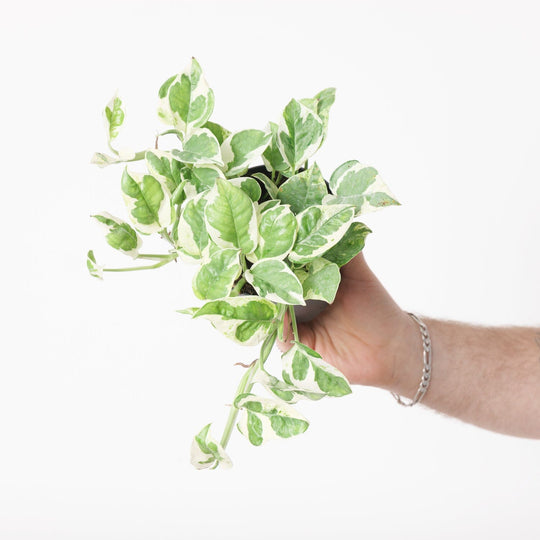
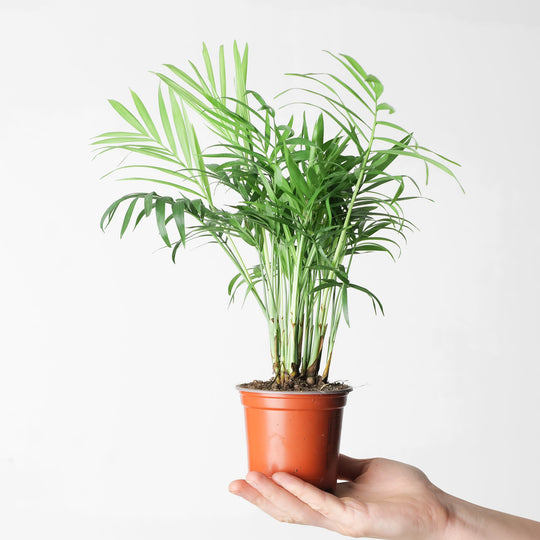
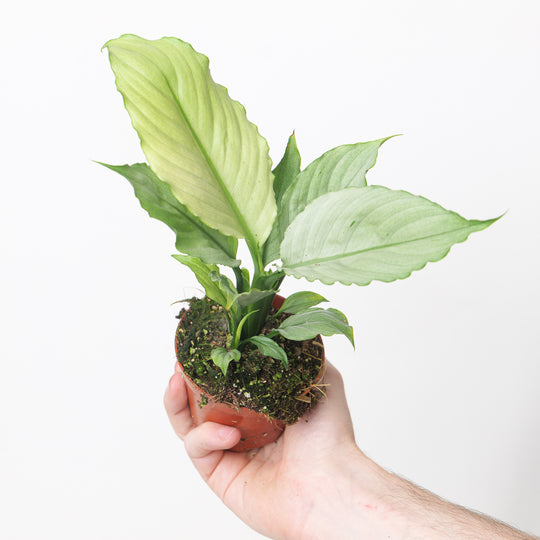
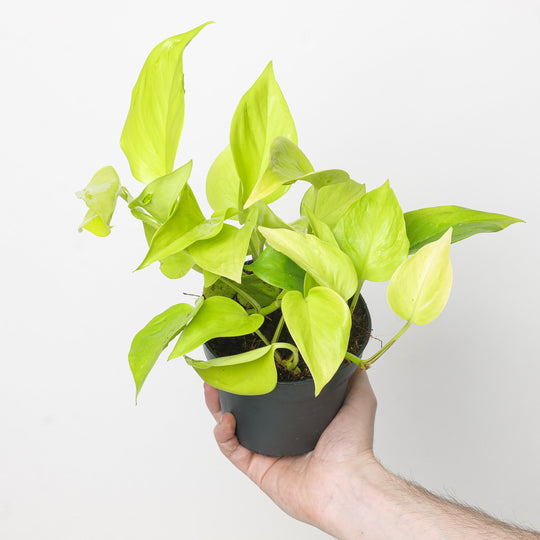
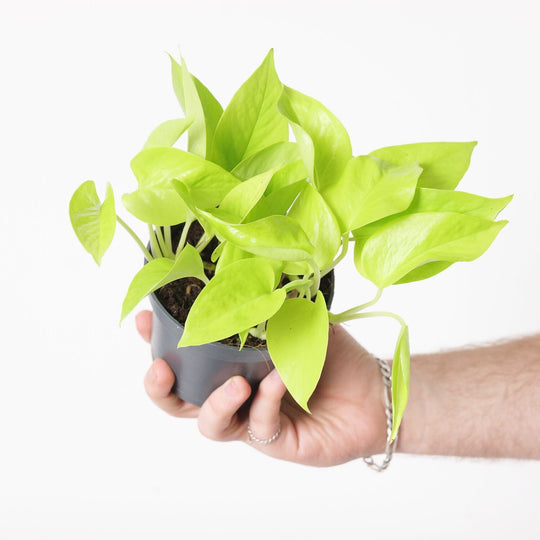
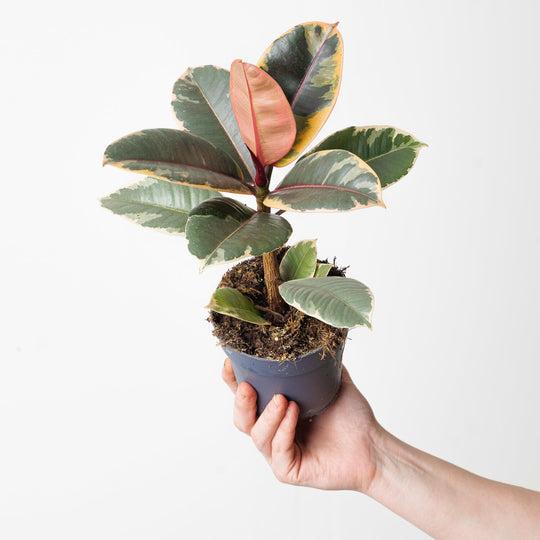
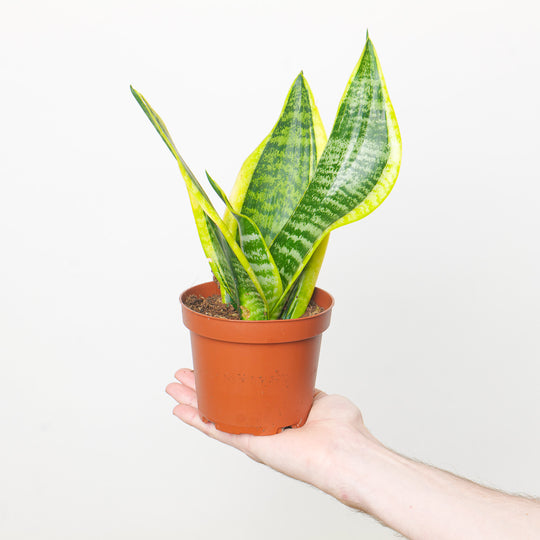
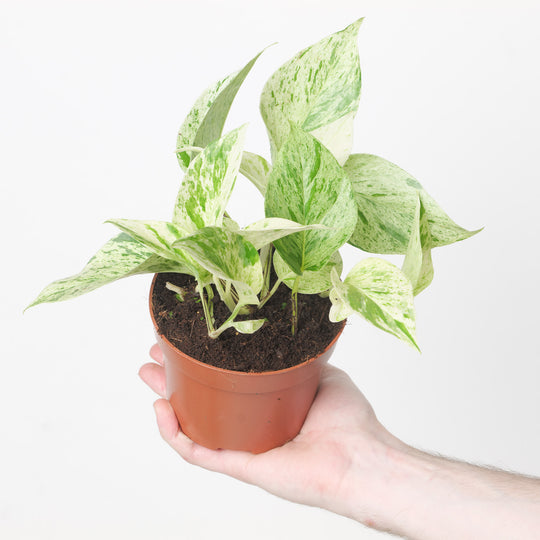
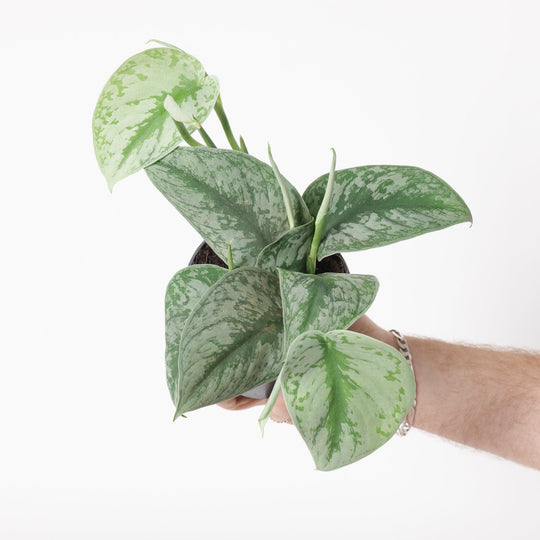
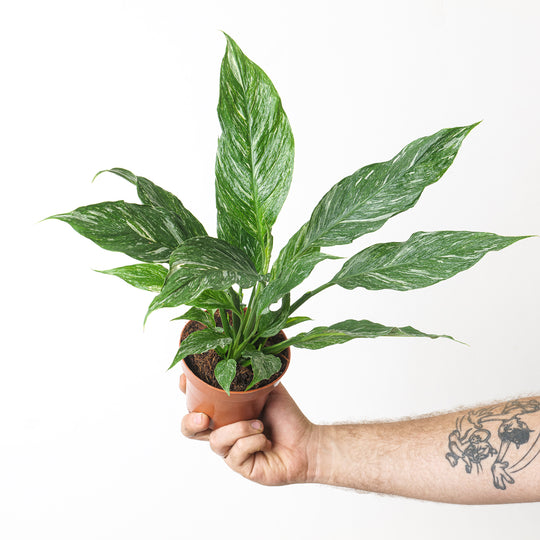
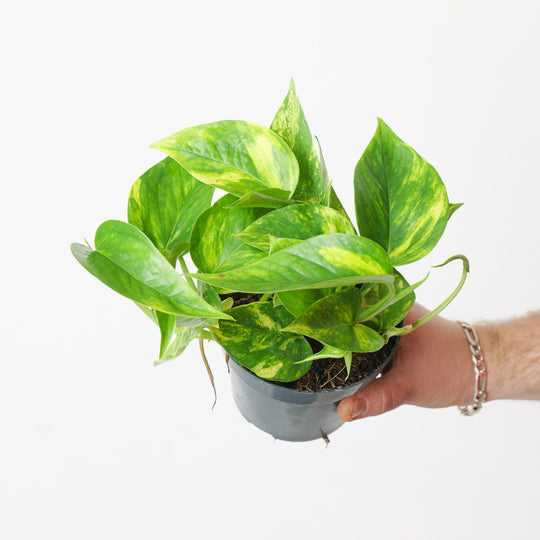
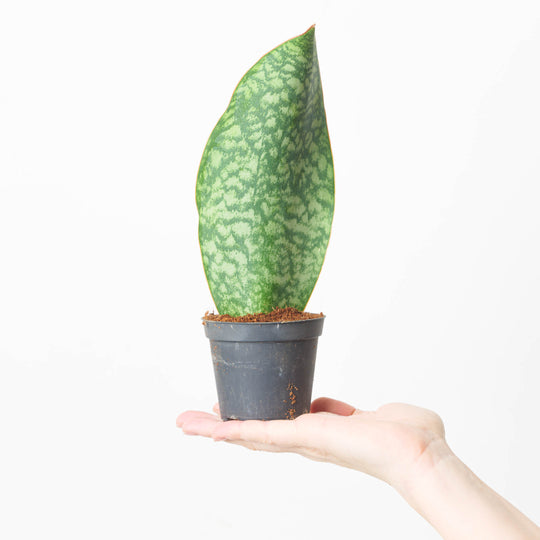
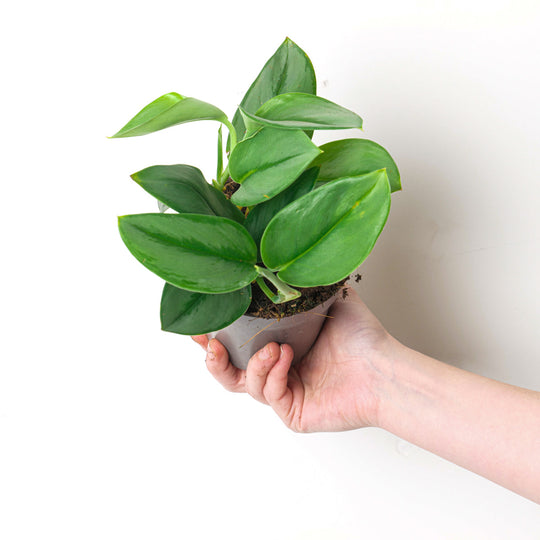
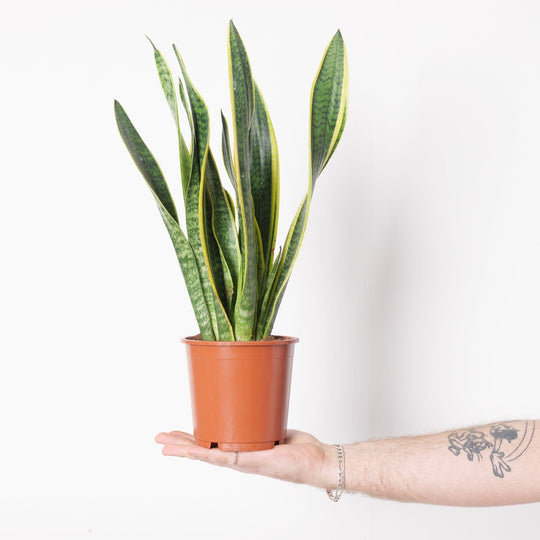
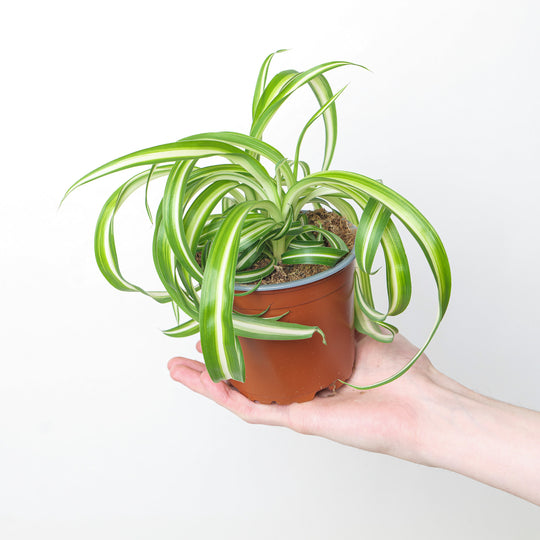
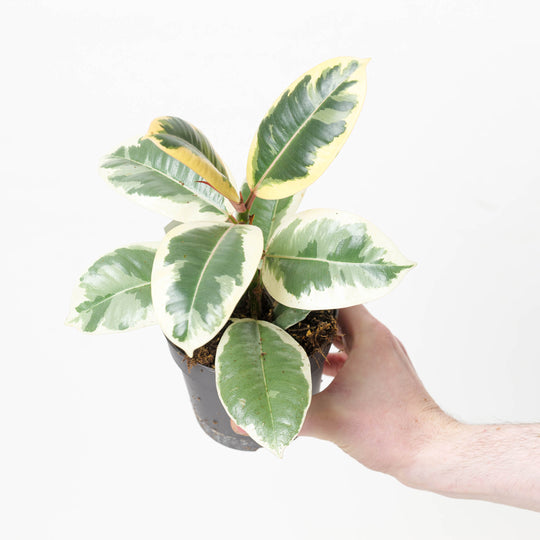
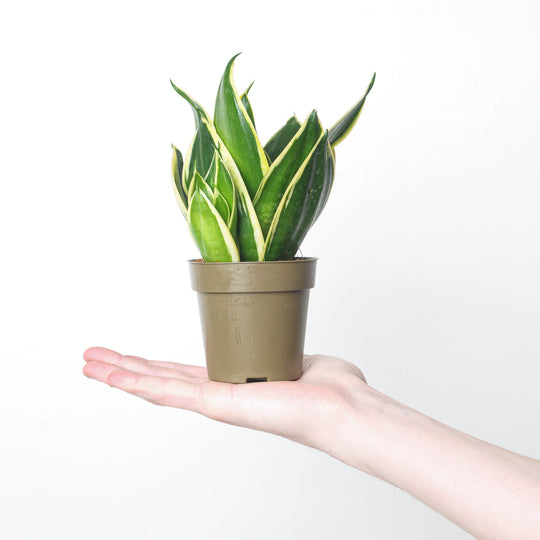
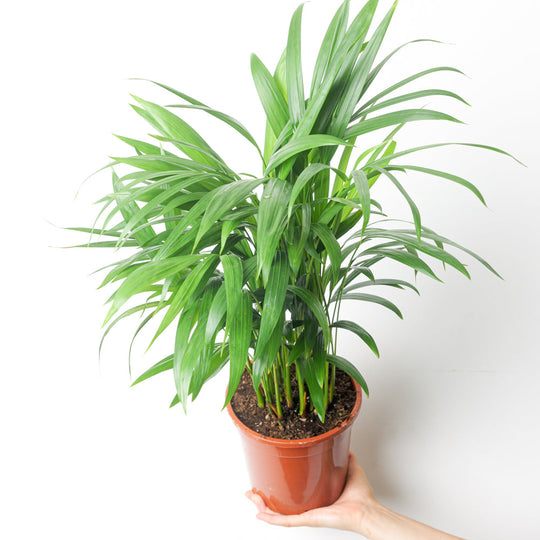
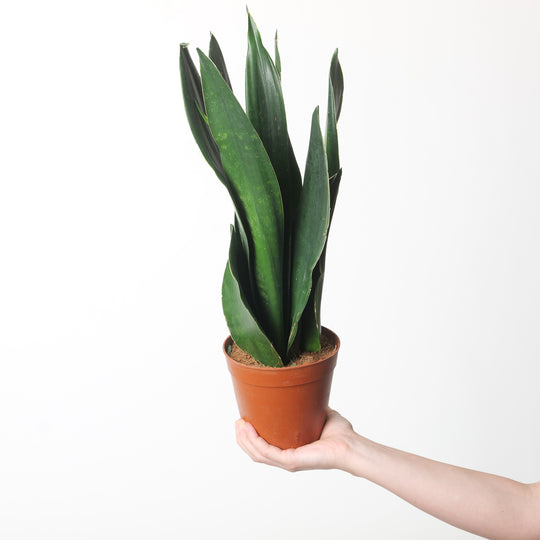
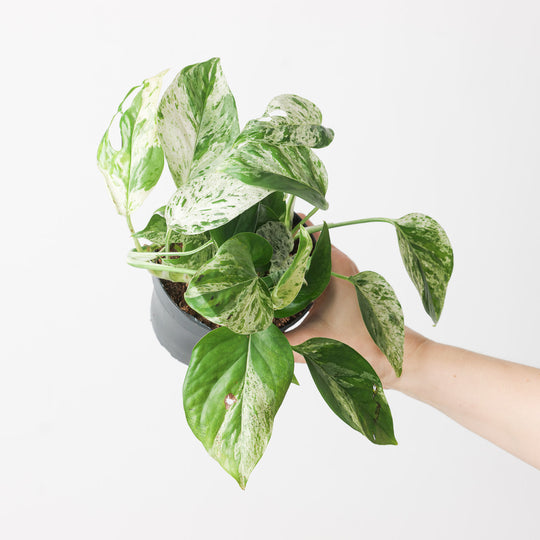
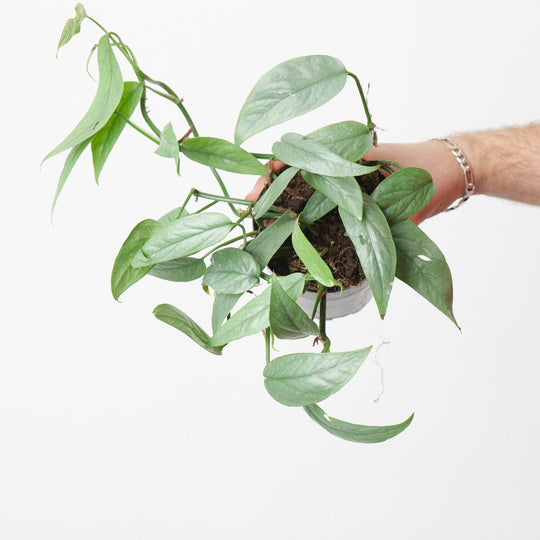
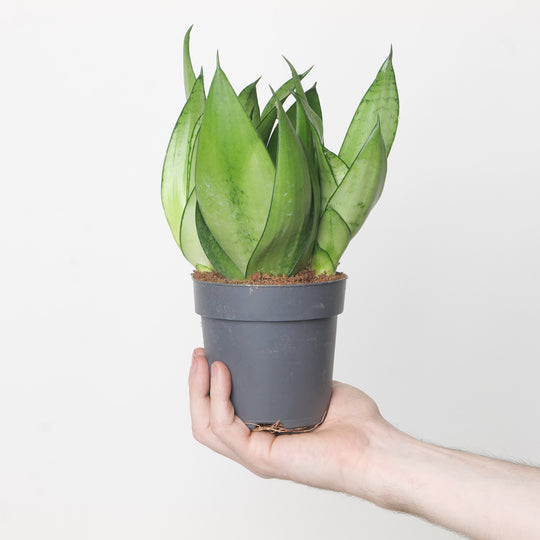
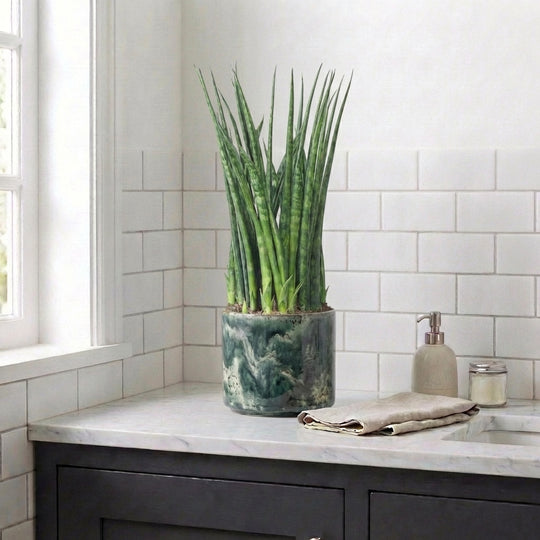
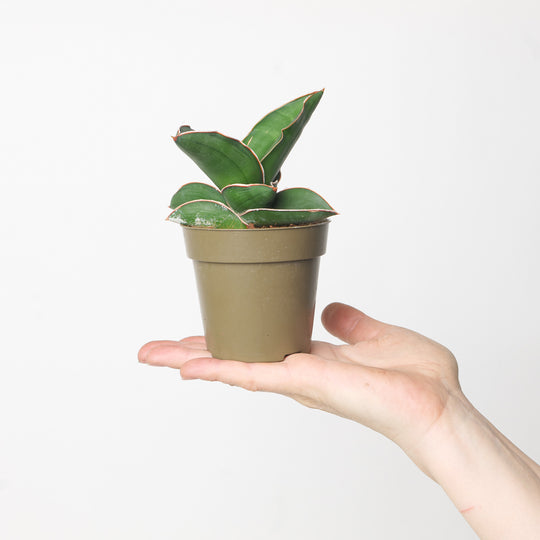
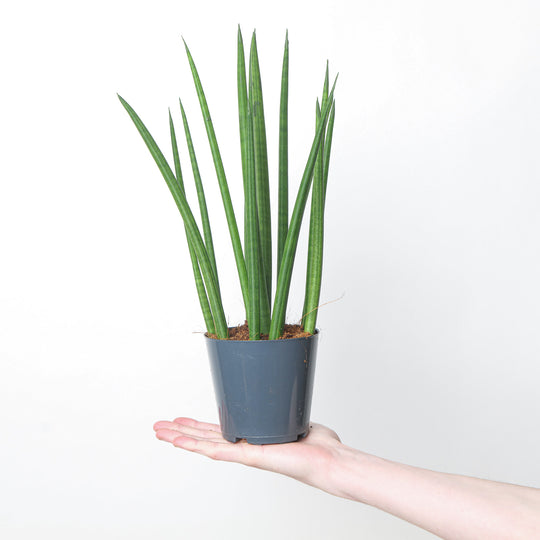
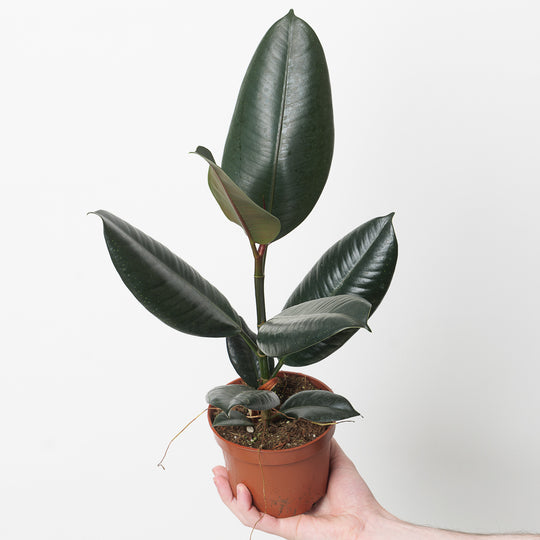
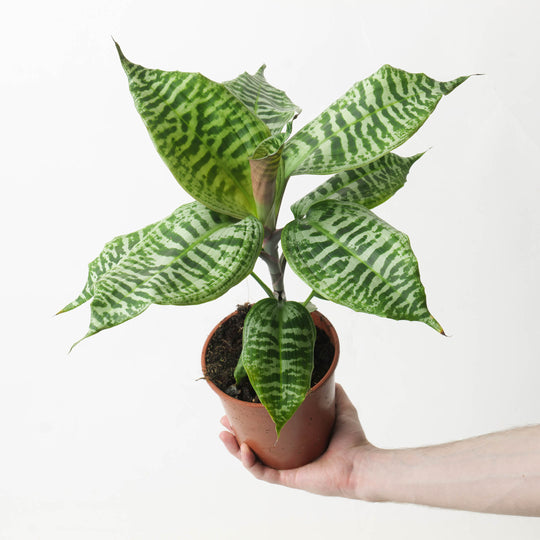
The most prominent species from the 1989 study that we stock include the Peace Lily (Spathiphyllum), consistently one of the top performers for removing multiple compounds; the Snake Plant (Dracaena trifasciata), prized for its near-indestructible nature and nighttime oxygen production; the Spider Plant (Chlorophytum comosum), a forgiving classic; and various Pothos and Epipremnum varieties. Also included are Dracaena species, parlour and bamboo palms, Boston Ferns, and Rubber Plants.
Choosing your air purifying plant
If you want a low-maintenance plant that thrives in lower light, the Snake Plant or Spider Plant are hard to beat. For a statement plant with the added bonus of white flowers, the Peace Lily is the classic choice. If you have bright indirect light and want something with real visual impact, a large Rubber Plant or Parlour Palm works beautifully. Whatever you choose, the greatest benefit is probably the one you can see: a greener, calmer space to spend time in.