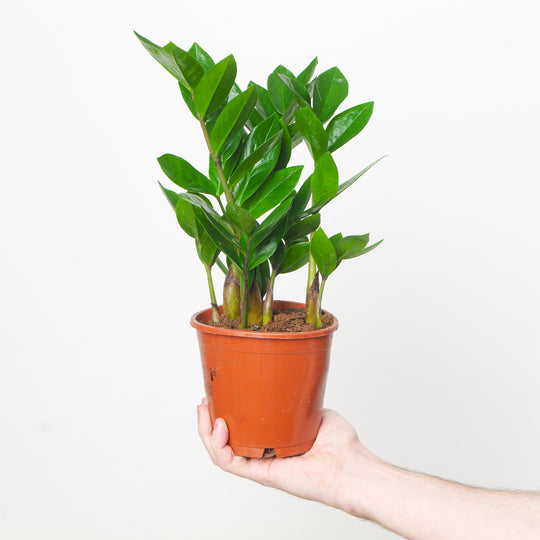
Schismatoglottis
Schismatoglottis Care Guide

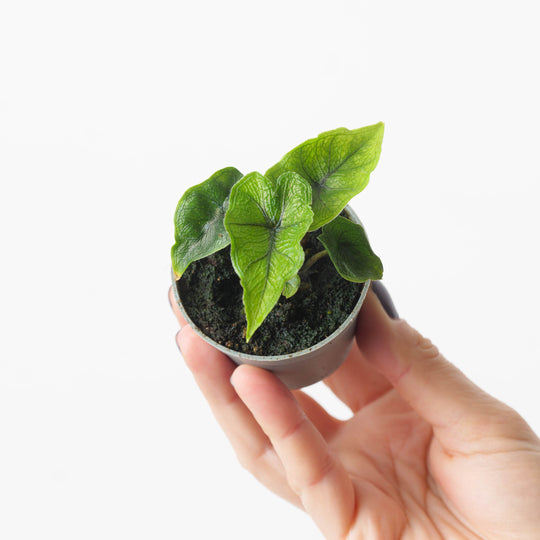
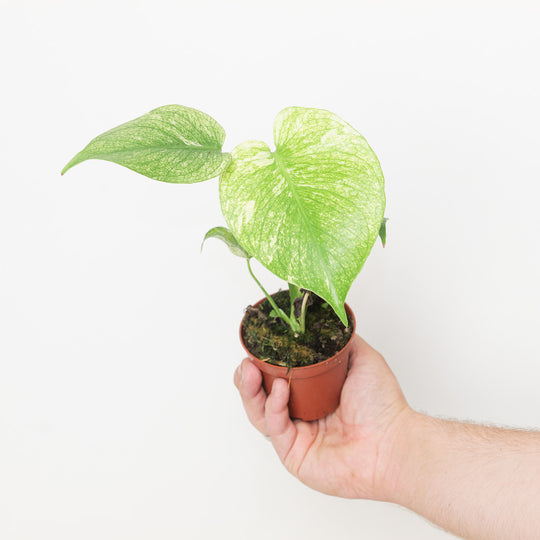
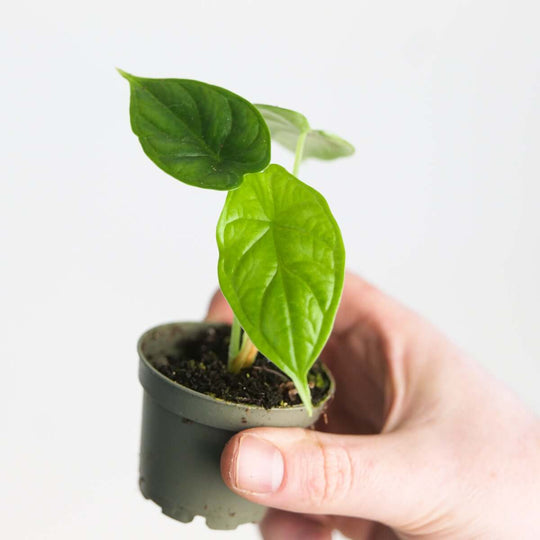
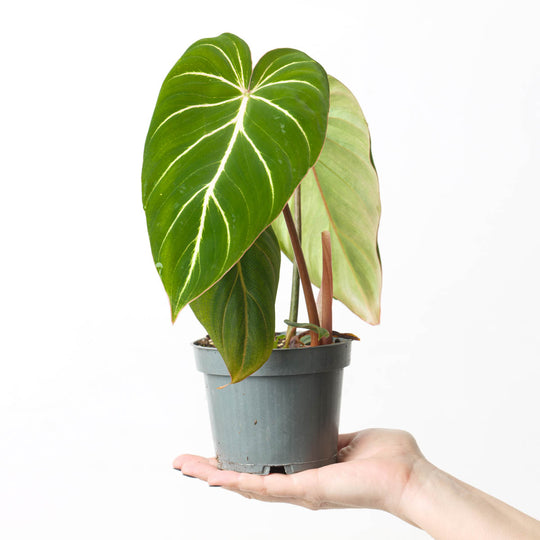
Schismatoglottis is a genus of compact, clumping aroids grown for their silver-patterned, softly textured foliage. The most useful thing to know about them is that they are forgiving, shade-tolerant plants that ask only for warmth, steady moisture and protection from direct sun, which makes them one of the easier patterned aroids to keep.
This guide covers light, watering, substrate, repotting and propagation for Schismatoglottis, along with the species we grow and the handful of problems worth watching for.
Light Requirements for Schismatoglottis
Schismatoglottis does best in medium to bright indirect light. Many species come from the shaded forest floor, so they cope with lower light better than most patterned plants, and a spot near an east or north-facing window suits them well.
Keep them out of direct sun, which scorches the thin leaves and washes out the silver patterning. If the markings fade and growth stretches toward the window, the plant wants a little more light, not less.
How Often to Water Schismatoglottis
The rule is simple: water when the top 2 to 3 cm of substrate feels dry, then water thoroughly and let the excess drain away. In summer that often means weekly, while in winter, when growth slows, they need less. These are moisture-lovers, but they still dislike sitting in a saucer of water.
Signs of underwatering include drooping leaves and dry, curling edges. Signs of overwatering include yellowing lower leaves and a soft base, which is the classic warning of roots left too wet. Several species are rheophytes that grow beside streams in the wild, so they tolerate short damp spells better than a true drought, but the roots still need air.
What Soil and Substrate is best for Schismatoglottis?
Use a chunky, free-draining aroid mix. Schismatoglottis wants a substrate that is moisture-retentive but airy, and our Jungle Mix was blended for exactly this. It contains plenty of bark and perlite with a little coco coir to hold moisture without ever letting the roots go anaerobic. Avoid dense, standard compost on its own, as it holds too much water around the base.
They are also excellent lower-storey plants for a planted terrarium. If that is your plan, pair them with others from our terrarium plants collection so the humidity needs match.
Repotting
Repot every couple of years, or when the clump fills the pot and roots show at the drainage holes. Move up one pot size only, and do it in spring or early summer. Because these plants spread by short rhizomes into a clump rather than climbing, a wide, shallow pot suits them better than a deep one.
Propagation
Schismatoglottis is one of the simpler aroids to divide. Start by easing the plant out of its pot and looking for natural offsets, which are small plantlets with their own roots growing around the base. Separate an offset with its roots attached, teasing the clump apart by hand or with a clean blade. Pot the division into the same free-draining aroid mix, keep it warm and evenly moist, and place it in bright, indirect light out of draughts while it settles.
Division is far more reliable than trying to root single leaves. In our experience, a well-rooted offset barely checks its growth if you keep it warm.
Common Problems
Yellowing lower leaves usually point to overwatering or a compacted substrate. Let the top few centimetres dry out and check that the mix drains freely.
Faded patterning and leggy growth mean the plant is getting too little light. Move it somewhere brighter, but keep it out of direct sun.
Brown, crisping edges are usually caused by dry air or hard-water build-up rather than a watering fault. These are not thirsty divas, so raise the ambient humidity with a pebble tray or by grouping plants together rather than changing the watering routine.
Ready to Grow Schismatoglottis?
Schismatoglottis proves that patterned foliage doesn't have to mean fussy care, and once one clump settles in you will almost certainly want another. Explore our Schismatoglottis collection to see the species we currently have on the bench, all nursery-grown and acclimatised to UK homes.
Shop our Schismatoglottis collection now →